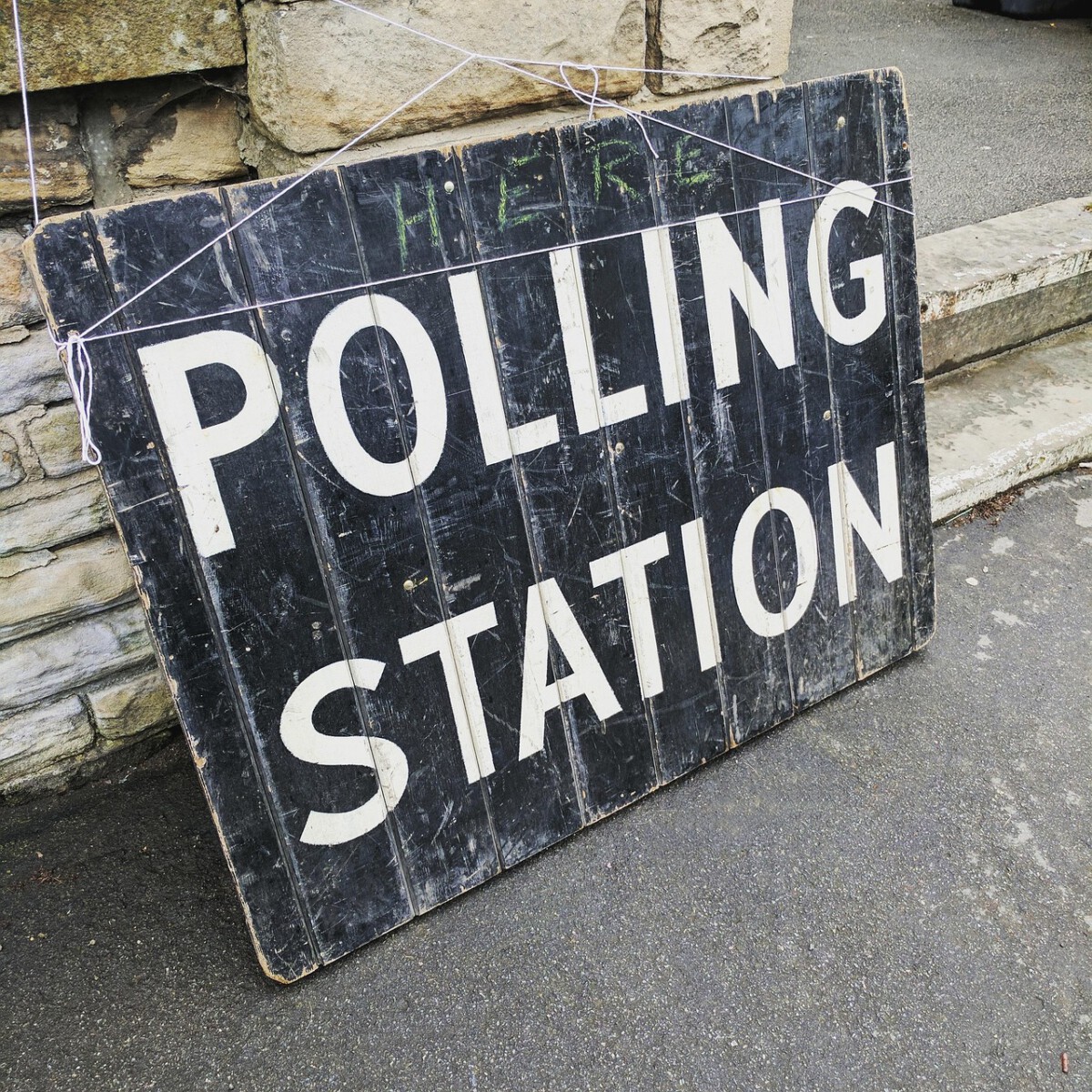
The Raid Unfolds in Fulton County (Image Credits: Pixabay)
Fulton County, Georgia — Federal agents swept into a local elections hub this week, seizing materials from the 2020 presidential contest and prompting widespread alarm about potential meddling in upcoming midterms.[1]
The Raid Unfolds in Fulton County
FBI agents executed a search warrant at the county’s voting offices on Wednesday, targeting ballots and electronic records tied to the 2020 election. The operation, authorized by a U.S. attorney based in Missouri, caught many observers off guard. Officials confirmed the seizure included voter rolls, tabulator tapes, and digital data from that pivotal year.[1]
Tulsi Gabbard, the director of national intelligence, appeared on site during the raid, adding to the intrigue. Local leaders decried the move as unnecessary harassment, noting prior state probes had cleared the county of wrongdoing. The action reignited tensions in a region long scrutinized for its role in Georgia’s narrow 2020 outcome.
Roots in the 2020 Election Battle
The incident traces back to the chaotic 2020 presidential race, held amid the COVID-19 pandemic. States expanded mail-in voting to promote safety, but former President Donald Trump repeatedly claimed fraud in those ballots. In Georgia, Joe Biden secured a slim victory after a full hand recount affirmed the results.
Trump pressed Georgia Secretary of State Brad Raffensperger to locate over 11,000 votes, a call that drew national scrutiny. Allies like Rudy Giuliani targeted Fulton County workers at State Farm Arena, alleging misconduct in a debunked video. Those workers, Ruby Freeman and Shaye Moss, later prevailed in a defamation suit against Giuliani, securing a $148 million judgment that settled out of court.[1]
Warnings of Broader Implications
Election law experts view the raid through dual lenses. Some dismiss it as a belated chase of baseless 2020 fraud narratives, unlikely to yield charges due to statutes of limitations. Others fear it signals preparation for disruptions in the 2026 midterms, when congressional control hangs in the balance.[1]
Trump has voiced regret over not seizing voting machines previously, and figures like Cleta Mitchell have floated ideas of a national security pretext for intervention. Courts recently blocked parts of a Trump order aimed at tightening voting rules, underscoring federal limits on elections run by states. Critics, including Democratic leaders and civil rights groups, condemned the raid as an abuse tied to debunked claims.[2]
Key Facts from the Fulton County Probe
- Seized items: 2020 ballots, electronic materials, voter rolls, and tabulator data.
- Warrant origin: U.S. attorney’s office in Missouri.
- Prior clearance: Georgia state investigation found no intentional fraud affecting results.
- High-profile presence: DNI Tulsi Gabbard observed the operation.
- Historical payout: $148 million defamation award to targeted election workers.
Steps to Safeguard Future Elections
Officials urge proactive defenses against interference. State and local administrators should pursue court injunctions to block unwarranted seizures. Public support through funding and volunteering can bolster transparency in vote counting.
Faster tabulation processes would limit windows for challenges, especially in battleground areas like California and Arizona. Bipartisan secretaries of state emphasized that audits already validated 2020 results, calling for focus on current protections.[3]
Key Takeaways
- The raid revisits settled 2020 disputes but risks eroding trust in elections.
- Experts predict little from old probes, but vigilance is needed for 2026.
- Transparency and legal readiness remain essential defenses.
This week’s events in Fulton County underscore a persistent challenge to democratic processes. While past obsessions may fade into rhetoric, the tools for disruption persist. What measures should states prioritize to secure the midterms? Share your thoughts in the comments.