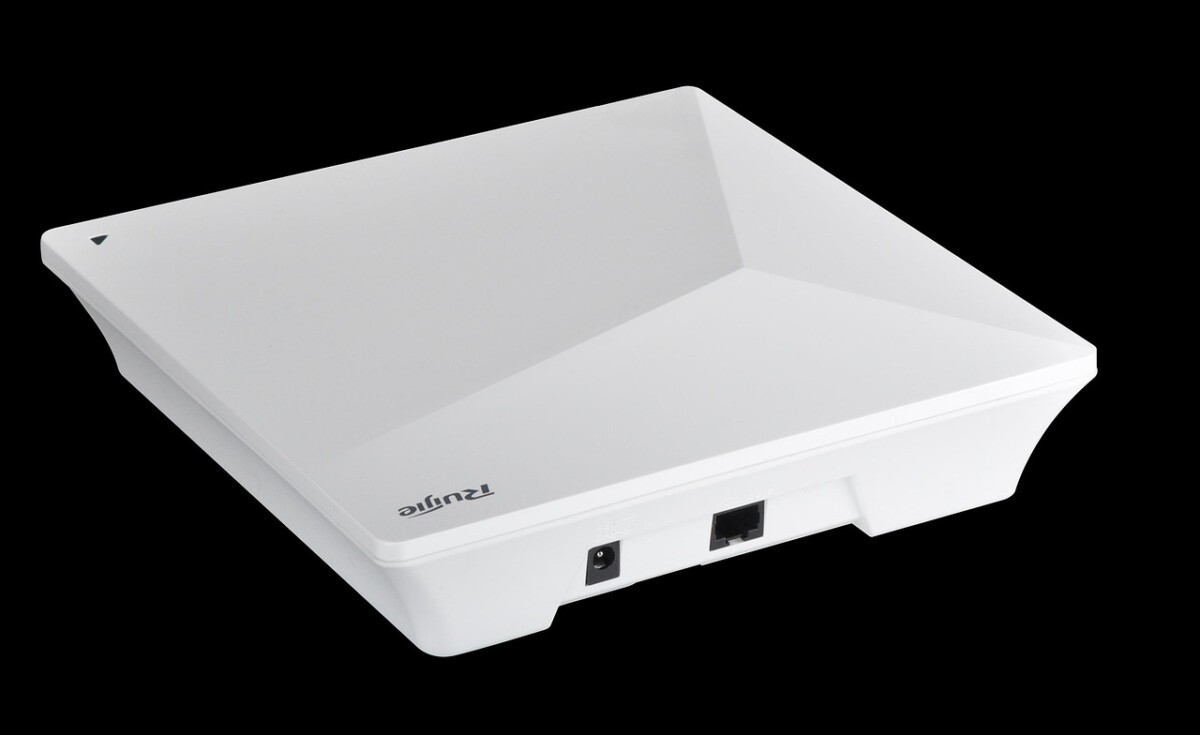
Cyber Threats Fuel Urgent Action (Image Credits: Pixabay)
Washington, D.C. – The Federal Communications Commission issued a directive that bars new consumer routers manufactured outside the United States, citing profound national security threats. This measure targets devices predominantly produced abroad, including a significant share from China. Officials highlighted vulnerabilities that could enable cyberattacks on critical infrastructure and data theft. Consumers and businesses now face potential changes in how they access and upgrade home networks.
Cyber Threats Fuel Urgent Action
Malicious actors repeatedly exploited weaknesses in foreign-made routers to target American households and networks. The FCC pointed to specific incidents, including the Volt, Flax, and Salt Typhoon operations, which struck vital U.S. infrastructure. These attacks disrupted services, supported espionage efforts, and aided intellectual property theft. At least 60 percent of routers in U.S. homes originate overseas, amplifying the risks.
The agency declared that such devices “pose unacceptable risks to the national security of the United States or the safety and security of United States persons.” This stance reflects growing concerns over supply chain dependencies. Lawmakers and security experts had warned about these dangers for years. The ban represents a proactive step to mitigate them.
Scope of the Prohibition Clarified
The rule applies strictly to new routers not produced domestically. Existing devices in homes and businesses require no immediate replacement, easing short-term worries. Retailers may sell through current stockpiles, and previously FCC-approved imports remain legal for sale and use. This approach suggests regulators view ongoing threats as manageable rather than catastrophic.
Exceptions exist for limited purposes. Companies can seek conditional approvals from the Department of Defense or Homeland Security. Small imports for research and development are permitted, though not for commercial distribution. Owners of covered routers retain access to software updates via waivers, preserving functionality against evolving hacks.FCC notice
Market Ripples and Company Spotlights
U.S.-based firms reliant on foreign assembly now scramble to adapt, potentially facing production delays. TP-Link, originally founded in China with headquarters now in Irvine, California, stands out amid prior scrutiny over its origins. No direct mention appeared in the announcement, and the company offered no immediate comment. The policy mirrors earlier restrictions on Chinese smartphones from Huawei and ZTE.
Markets reacted swiftly. Netgear shares climbed over 12 percent in early Tuesday trading, as investors anticipated exemptions and lighter competition. Here’s a quick look at key players:
| Company | Origin Notes | Potential Impact |
|---|---|---|
| TP-Link | China-founded, U.S. HQ | Heightened scrutiny |
| Netgear | U.S.-based | Stock surge, opportunity |
| Huawei/ZTE (prior) | China | Similar past bans |
Alignment with Broader Security Agenda
The decision fits into the Trump Administration’s 2025 National Security Strategy, which demands independence from foreign powers for essential components. This includes everything from raw materials to finished goods critical to defense and the economy. The FCC’s “Covered List” excludes federal government use and allows ongoing updates for listed devices. Legal challenges loom, given the rule’s reach into global supply chains.
Implementation hurdles persist. Even American companies often depend on overseas parts, risking shortages. The policy echoes efforts to onshore manufacturing amid geopolitical tensions. Observers expect exemptions to play a pivotal role in balancing security and availability.
Key Takeaways
- New foreign-made consumer routers face an import and sales ban starting now.
- Existing routers and inventory remain unaffected, with update waivers available.
- Exemptions possible via DoD or DHS for qualifying firms.
This FCC move underscores a pivotal tension between cybersecurity imperatives and market realities. As networks underpin daily life and economic vitality, the long-term effects on innovation and pricing warrant close watching. What implications do you see for your own setup? Share your thoughts in the comments.