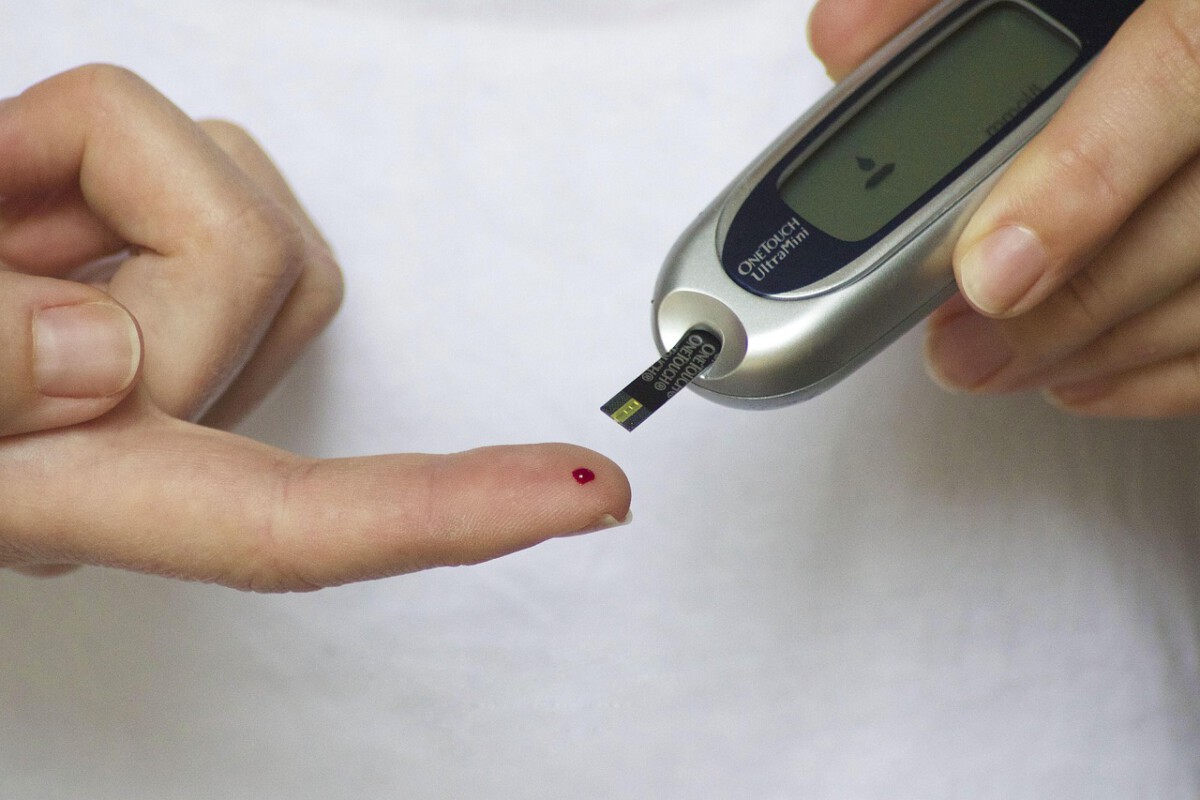


The Alarming Flaw in Popular Glucose Monitors (Image Credits: Pixabay)
In the quiet routine of daily blood sugar checks, a small sensor whispers false assurances that could turn deadly for millions managing diabetes.
The Alarming Flaw in Popular Glucose Monitors
Imagine relying on a tiny device to keep your blood sugar in check, only to discover it’s lying to you about your levels. That’s the nightmare unfolding with certain Abbott FreeStyle Libre 3 sensors. The FDA just dropped a bombshell alert, urging users to ditch these gadgets immediately because they spit out falsely low glucose readings.
These errors aren’t minor glitches. Over time, they trick people into making dangerous choices, like piling on carbs when they shouldn’t or holding off on insulin. The result? Severe health scares that have already claimed lives and left hundreds hurt.
Health experts stress that accurate monitoring is a lifeline for diabetes patients. When that lifeline frays, the stakes skyrocket fast.
Tragic Toll: Seven Lives Lost and Counting
Seven deaths worldwide. That’s the stark number tied to these malfunctioning sensors as of mid-November. While none happened in the U.S., the 736 serious injuries reported globally paint a grim picture, with 57 cases stateside alone.
Abbott Diabetes Care, the maker behind the FreeStyle Libre line, confirmed the issue stems from one specific production batch. About three million sensors fell into this trap, though roughly half are already expired or in use. Still, the fallout has been devastating for those affected.
Families and patients are reeling from stories of hypoglycemic episodes that spiraled out of control. It’s a reminder that even cutting-edge tech can falter when it matters most.
Which Sensors Are in the Crosshairs?
Not all FreeStyle Libre products are problematic, but pinpointing the bad ones is crucial. The FDA zeroed in on FreeStyle Libre 3 sensors with model number 72080-01 and unique device identifiers 00357599818005 and 00357599819002. The FreeStyle Libre 3 Plus models 78768-01 and 78769-01, with identifiers 00357599844011 and 00357599843014, are also flagged.
These are the wearables that sit just under the skin, beaming data to your phone or reader in real time. If yours matches these specs, it’s time to act.
Abbott assures that no other items in their lineup carry this risk. Double-checking your packaging could save you from joining the injury stats.
Abbott’s Response: Fixes and Replacements on the Way
Abbott moved quickly once they spotted the manufacturing hiccup in that single production line. They’ve isolated the problem, resolved it, and started notifying every customer who might have bought from the batch.
The company is offering free swaps for anyone with an affected sensor. Their statement emphasizes that patient safety drives everything they do, and they’re committed to getting clean devices back into hands fast.
By early December, updates from the FDA and Abbott show the recall is in full swing. It’s a race against time to prevent more harm from lingering faulty units.
Steps Every Diabetes Patient Should Take Now
Don’t wait for symptoms to hit. Head straight to the official checker tool to verify your sensor’s status. You can visit FreeStyleCheck.com and punch in your details for instant results.
Once confirmed affected, toss the sensor safely and request your replacement. In the meantime, switch to backup monitoring methods like finger pricks to stay on top of your levels.
- Stop using the sensor right away if it’s from the flagged batch.
- Contact your doctor for advice on alternative monitoring.
- Keep an eye on Abbott’s updates for replacement timelines.
- Report any issues to the FDA’s MedWatch program.
- Share this info with family or caregivers who help manage your care.
Broader Lessons for Diabetes Tech Users
This incident shines a light on the vulnerabilities in continuous glucose monitoring systems. While these devices revolutionize diabetes management, they aren’t foolproof. Regular calibration checks and staying informed on recalls can make all the difference.
Advocacy groups are pushing for tighter oversight on medical device manufacturing. Patients deserve tools that deliver on their promises without hidden dangers.
As tech evolves, so must the safeguards. For now, vigilance is key to turning the tide on these risks.
Key Takeaways
- Over 700 injuries and 7 deaths linked to false low readings from specific Abbott sensors.
- Affects about 3 million units; replacements available via FreeStyleCheck.com.
- Switch to manual testing immediately and consult your healthcare provider.
At the end of the day, your health hinges on tools you can trust – this recall is a wake-up call to verify and protect yourself. What steps are you taking to stay safe with your diabetes gear? Share in the comments below.