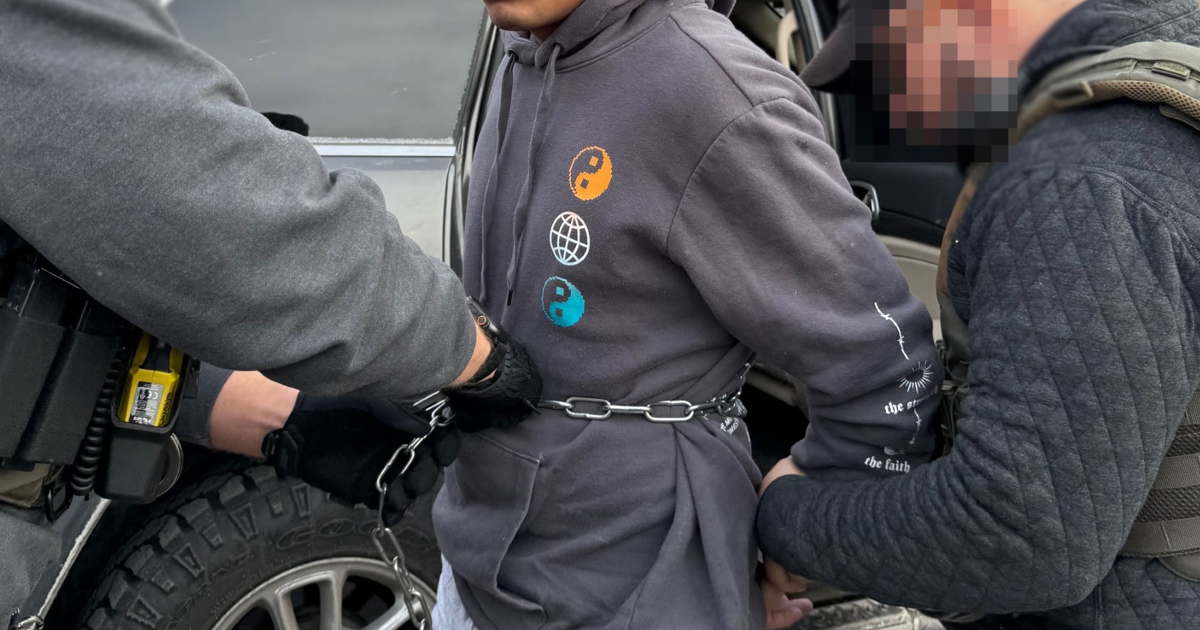


A Multi-State Operation Unravels Gang Network (Image Credits: Cwbchicago.com)
Chicago – Authorities have indicted five individuals suspected of ties to the Venezuelan Tren de Aragua gang on charges related to firearms and narcotics distribution in the Windy City.
A Multi-State Operation Unravels Gang Network
The arrests mark a significant step in a nationwide effort to dismantle the operations of Tren de Aragua, a notorious transnational criminal group originating from Venezuela’s prison system. Federal investigators revealed that the five men allegedly played key roles in smuggling weapons and drugs across state lines into Chicago. This case stems from a broader probe that has spanned multiple jurisdictions, highlighting the gang’s expanding influence in the United States.
Prosecutors detailed how the suspects coordinated the movement of illegal firearms, including handguns and assault-style weapons, alongside cocaine and other controlled substances. The investigation involved undercover operations and surveillance that traced shipments from southern states to urban centers like Chicago. Law enforcement emphasized the dangers these activities posed to public safety, as the trafficked items often ended up fueling street-level violence.
One suspect reportedly acted as a primary liaison for acquiring guns from out-of-state suppliers, while others handled distribution logistics within the city. The charges include conspiracy to traffic firearms and controlled substances, with potential penalties reaching decades in prison. This operation underscores the challenges of combating organized crime groups that exploit porous borders and interstate highways.
Tren de Aragua’s Growing Footprint in the U.S.
Tren de Aragua has evolved from a prison-based faction into a sophisticated syndicate involved in extortion, human smuggling, and now drug and arms trafficking. Federal documents describe the gang’s structure as hierarchical, with leaders directing activities from abroad while local cells execute operations. In Chicago, investigators linked the group to several neighborhoods where violence and narcotics have surged in recent years.
The five charged individuals, all Venezuelan nationals, entered the U.S. through various means and quickly integrated into the gang’s network. Court filings indicate they used social media and encrypted apps to communicate, evading detection for months. This case aligns with similar indictments in other cities, suggesting a coordinated push by federal agencies to disrupt the gang’s supply chains.
Experts note that Tren de Aragua’s expansion coincides with migration patterns from Venezuela, though not all migrants are involved in crime. The gang’s tactics often involve coercion, preying on vulnerable communities to recruit and expand. Chicago’s role as a transportation hub makes it a prime target for such operations.
Charges and Legal Ramifications
The federal indictment lists specific counts against each defendant, focusing on violations of gun control and drug laws. Among the evidence, authorities seized multiple firearms during raids, some equipped with high-capacity magazines. Prosecutors argued that the trafficking directly contributed to local crime spikes, including shootings tied to gang rivalries.
Defense attorneys have yet to respond publicly, but the case could hinge on proving direct gang affiliations. The U.S. Attorney’s Office stressed the importance of international cooperation, as Tren de Aragua maintains ties to South American cartels. Sentencing guidelines for these offenses are severe, often mandating minimum terms for repeat or organized offenders.
- Conspiracy to distribute controlled substances
- Trafficking in firearms without licenses
- Interstate transportation of illegal weapons
- Possession with intent to distribute narcotics
- Participation in a criminal enterprise
Broader Implications for Public Safety
This crackdown arrives amid heightened scrutiny of transnational gangs under recent U.S. policy shifts. Federal raids in Chicago and elsewhere have netted dozens of suspects linked to Tren de Aragua, with deportations following convictions. Local police departments welcomed the support, noting resource strains from rising gang activity.
Community leaders called for increased funding for prevention programs to address root causes like poverty and integration challenges. The case highlights the need for vigilance at ports of entry and along smuggling routes. As the trial progresses, more details may emerge about the gang’s full scope in the Midwest.
| Suspect Role | Primary Charge | Evidence Seized |
|---|---|---|
| Liaison for suppliers | Firearms conspiracy | Multiple handguns |
| Local distributor | Drug trafficking | Cocaine shipments |
| Logistics coordinator | Interstate transport | Encrypted devices |
Key Takeaways
- The indictments expose Tren de Aragua’s role in arming Chicago streets through cross-state networks.
- Federal efforts target the gang’s leaders to prevent further expansion in U.S. cities.
- Public safety improves with collaborative probes between local and national agencies.
As federal authorities continue to pursue Tren de Aragua operatives, this Chicago case serves as a stark reminder of the ongoing battle against transnational crime. Stronger borders and community outreach could curb such threats moving forward. What steps do you believe communities should take to combat gang infiltration? Share your thoughts in the comments.