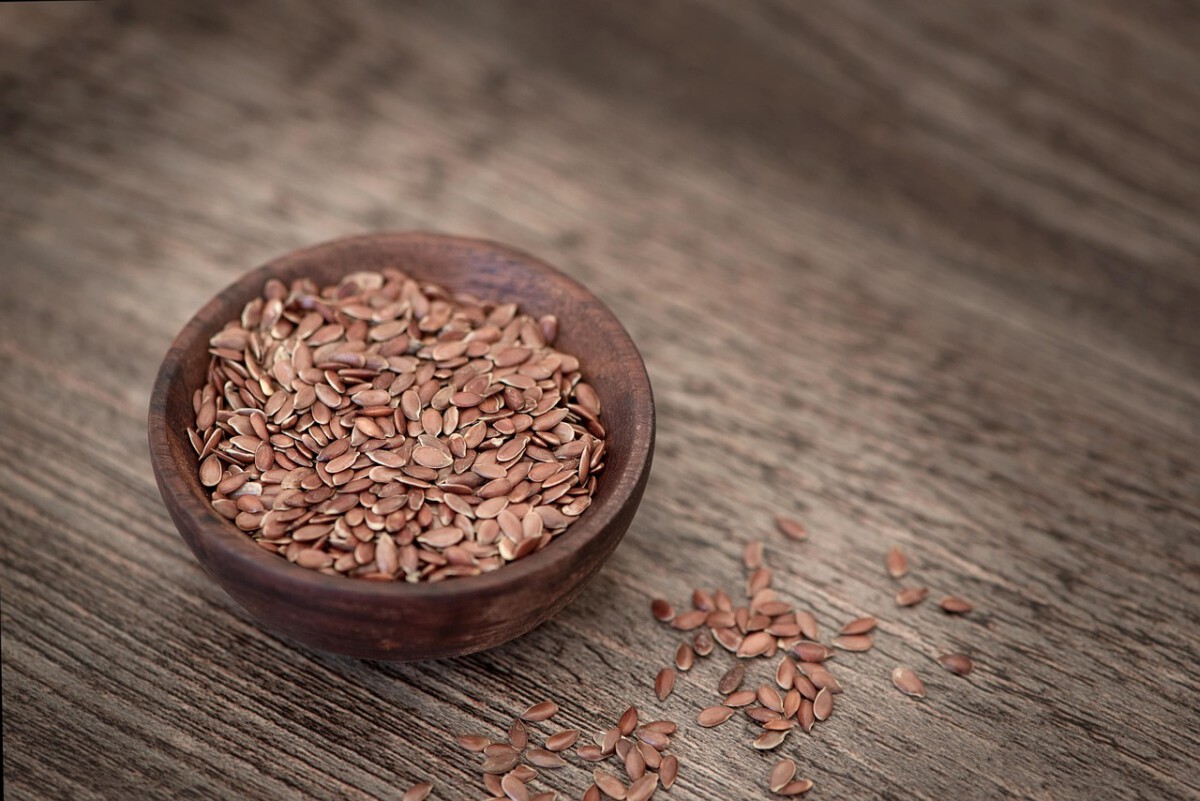
A CEO’s Vision for the Future (Image Credits: Pixabay)
PepsiCo positioned dietary fiber at the forefront of its innovation pipeline, anticipating a surge in consumer demand for gut health benefits.
A CEO’s Vision for the Future
PepsiCo CEO Ramon Laguarta made headlines during a recent earnings call by proclaiming fiber as the successor to protein in food trends.[1][2]
He noted that consumers increasingly recognized fiber’s value amid widespread dietary shortfalls in the United States. Laguarta highlighted its role in addressing health gaps, particularly as more people adopted GLP-1 weight-loss medications that often caused digestive issues.[3]
This shift came after years of protein dominating shelves, from bars to beverages. PepsiCo aimed to capitalize on evolving preferences to revive sales growth following sluggish quarters.[1]
The executive emphasized innovations tailored for these users, signaling a proactive stance in a competitive market.
Product Launches Fuel the Trend
PepsiCo rolled out fiber-enriched versions across its portfolio to meet rising expectations. The company developed a fiber-packed Starbucks Coffee + Protein line alongside additions to Quaker, Sun Chips, PopCorners, and Smartfood brands.[1][4]
A reformulated Propel beverage now combined electrolytes, protein, and fiber specifically for GLP-1 users. In July 2025, Pepsi introduced Prebiotic Cola with three grams of fiber, building on its acquisition of Poppi.[5]
- Starbucks Coffee + Protein: Enhanced with fiber for sustained energy.
- Sun Chips and PopCorners: Reformulated for higher fiber content.
- Propel: Targets hydration and digestion needs.
- Pepsi Prebiotic Cola: Gut-friendly soda innovation.
These moves reflected PepsiCo’s commitment to healthier snacking without sacrificing taste.
Gut Health Drives Consumer Shift
Social media amplified the “fibermaxxing” movement, where users maximized fiber intake through foods like fruits and legumes, especially among Gen Z focused on digestion, skin, and cognition.[6][5]
Research firm Datassential forecasted fiber as the top health trend for 2026, trailing protein’s 2025 dominance.[6] Surveys showed 22% of U.S. consumers prioritizing high-fiber products, up from 17% in 2021, with 52% expressing interest in fibermaxxing.[6]
Fiber supported digestion, reduced colon cancer risk, and aided GLP-1 side effects like constipation.[1] This built on prior trends from hydration to protein.
| Nutrient Trend | Key Driver | Examples |
|---|---|---|
| Hydration | Electrolyte boosts | Liquid I.V., Electrolit |
| Protein | Muscle, immunity | Bars, shakes |
| Fiber | Gut health | Prebiotic sodas, chips |
Competitors Follow Suit
Other giants like Nestlé, Coca-Cola, and Olipop pursued similar strategies amid the gut health boom.[6] Private labels from Aldi offered affordable fiber-enhanced alternatives to premium brands.
Experts viewed fiber’s appeal in its functional benefits for satiety, energy, and immunity, positioning it beyond fad status.[7]
Key Takeaways:
- PepsiCo leads with fiber across snacks and drinks to counter sales dips.
- Fiber addresses U.S. dietary gaps and GLP-1 demands.
- Fibermaxxing signals broader cultural shift toward gut wellness.
PepsiCo’s wager on fiber underscored a maturing wellness market where digestion trumped muscle-building. As products proliferate, consumers stand to gain from accessible health upgrades – what role will fiber play in your diet? Share your thoughts in the comments.