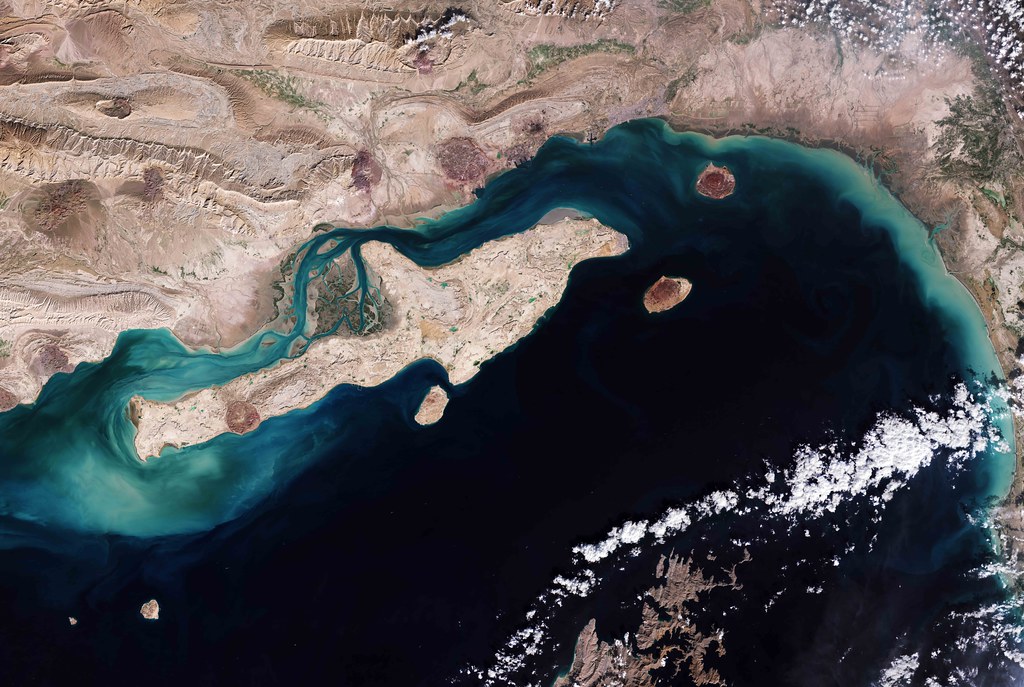
The 1980s Tanker War: A Bloody Prelude to Modern Fears (Image Credits: Flickr)
The Strait of Hormuz remains a linchpin for international energy trade, carrying nearly one-fifth of the world’s oil before recent hostilities intensified. Iran recently brought most tanker traffic to a standstill amid its war with the United States and Israel, now entering its third week following strikes that killed the supreme leader. Such moves echo decades of tensions where threats and attacks have rattled markets, though full closures proved elusive. Commercial vessels still navigate the passage cautiously, underscoring Tehran’s sway despite international status.
The 1980s Tanker War: A Bloody Prelude to Modern Fears
More than 500 ships fell victim to attacks during the Iran-Iraq conflict, transforming the strait into a minefield of naval warfare. Both nations targeted oil tankers bound for each other’s ports, deploying mines and missiles that crippled dozens of vessels. The United States intervened decisively, escorting Kuwaiti tankers and clashing directly with Iranian forces in 1988.
A tragic escalation occurred when the U.S. Navy mistook an Iranian airliner for a combat jet, downing it and killing all 290 aboard. Shipping insurance rates skyrocketed, and routes grew perilous, yet the strait never sealed shut. Production from Gulf states persisted amid the chaos, highlighting the waterway’s resilience under duress.
Nuclear Sanctions Ignite 2011-2012 Threats
Iran responded to Western sanctions on its nuclear program with bold warnings to blockade the strait entirely. The European Union imposed an oil import ban, while the United States struck at Tehran’s energy sector and central bank dealings. These measures prompted global buyers to shun Iranian crude, squeezing exports sharply.
Tensions drove Brent crude prices above $100 per barrel through much of late 2011 and 2012, peaking over $126 in March. Tehran ultimately refrained from action, allowing traffic to flow uninterrupted. The episode demonstrated how rhetoric alone could jolt energy markets profoundly.
2018: Echoes of the Nuclear Deal’s Demise
President Donald Trump pulled the U.S. from the Iran nuclear accord in May 2018, reinstating sanctions aimed at zeroing out oil exports. Iran countered with renewed closure threats from President Hassan Rouhani. Waivers offered temporary relief, but pressure mounted on OPEC producers to fill gaps.
Oil prices swung wildly, with Brent dropping from around $75 to nearly $54 by year-end. The strait stayed open, averting catastrophe. This standoff reinforced patterns of brinkmanship without total cutoff.
Persistent Seizures and Sabotage: 2019-2025
A wave of incidents plagued the region, including U.S.-attributed limpet mine strikes on tankers in 2019 and a deadly drone hit on an Israeli-linked vessel in 2021. Iran captured multiple foreign ships, from Portuguese cargo carriers in 2024 to Greek tankers held for months in 2022, often citing fuel smuggling. State media reported seizures continuing into late 2025.
These actions spiked insurance costs and deterred shippers, though the passage endured. Fears lingered over escalation, mirroring earlier eras of low-level harassment.
| Period | Key Incident | Market Effect |
|---|---|---|
| 1980s | Tanker attacks and U.S. clashes | Heightened risks, no full closure |
| 2011-2012 | Sanctions threats | Brent peaks at $126/barrel |
| 2018 | Nuclear deal exit | Price volatility, drop to $54 |
| 2019-2025 | Mines, drones, seizures | Rising insurance, open strait |
2025’s 12-Day War: A Recent Warning
Israel’s brief conflict with Iran last June escalated when the U.S. bombed nuclear and military targets. Closure fears mounted as oil prices spiked initially. Traders soon bet against sustained attacks on shipments.
Brent fell below $67 per barrel by the end, cheaper than pre-war levels. Iran held back from sealing the strait, preserving a fragile status quo.
Key Takeaways
- The strait has faced threats repeatedly but avoided complete shutdowns.
- Rhetoric and skirmishes alone trigger oil price surges.
- Military escorts and diplomacy often mitigate worst outcomes.
History reveals the Strait of Hormuz as a pressure valve for Middle East conflicts, where influence trumps outright control. As current disruptions strain supplies and fuel costs climb, past restraint offers cautious optimism – yet vigilance remains essential. What implications do these patterns hold for energy security today? Share your views in the comments.