Mission Timeline and Expectations (Image Credits: Pexels)
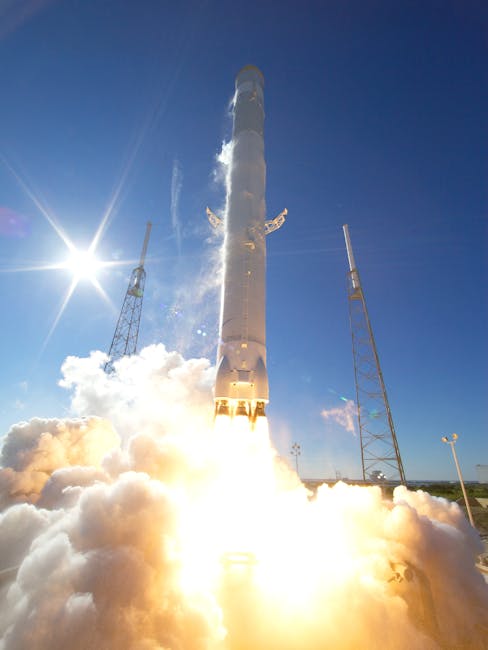
Kennedy Space Center, Florida – Excitement builds along Florida’s Space Coast as NASA targets no earlier than April 1 for the Artemis II launch, marking the first crewed mission to the moon in more than 50 years.[1][2] The Space Launch System rocket stands ready at Launch Pad 39B, with the four-astronaut crew having arrived at the site this week.[3] Visitors planning to witness this historic liftoff face unprecedented crowds and logistical hurdles, requiring careful preparation to secure prime vantage points.
Mission Timeline and Expectations
The primary launch window opens at 6:24 p.m. EDT on Wednesday, April 1, with backup opportunities extending through April 6, including slots on April 2, 3, 4, 5, and 6.[4] NASA officials emphasize that weather and technical factors could shift the schedule, so flexibility remains essential for travelers.[5]
This test flight will send astronauts Reid Wiseman, Victor Glover, Christina Koch, and Jeremy Hansen on a 10-day journey around the moon aboard the Orion spacecraft.[6] Ground teams have completed key preparations, including stacking the rocket and resolving sensor issues, positioning the mission for success.[7] Spectators should monitor official updates closely, as the event draws global attention.
Top Public Viewing Spots
With launch viewing packages at the Kennedy Space Center Visitor Complex sold out, public areas offer the next best options for clear sights of the 322-foot rocket’s ascent.[8] These locations provide unobstructed views across the Indian River Lagoon or Atlantic beaches, often with the sound of the launch arriving seconds later.
- Space View Park, Titusville: A favorite for its direct line to Pad 39B; arrive overnight for parking.
- Max Brewer Memorial Bridge: Northern spot ideal for morning or evening launches; expect heavy foot traffic.
- Jetty Park, Port Canaveral: Beachfront access with restrooms; popular but fills quickly.
- Playalinda Beach, Canaveral National Seashore: Remote and scenic, though entry fees apply and roads close near launch time.
- Cocoa Beach Pier or nearby shores: Casual viewing with amenities; suitable for families.
Distances range from 8 to 15 miles, ensuring visibility of the bright flame and sonic booms on reentry, if conditions allow.[9]
Overcoming Traffic and Crowd Pressures
Local authorities anticipate severe congestion on U.S. Highway 1 and A1A, particularly in the hours leading to evening liftoff.[10] Past major launches saw delays stretching hours, compounded by limited parking at viewing sites.
Experts recommend departing hotels or origins 4 to 6 hours early for popular parks, packing coolers with food and water since exits can bottleneck post-launch.[11][12] On April 1 or 2, the Visitor Complex restricts access to ticket holders only, easing some pressure but intensifying road use elsewhere.[13] Carpooling or shuttles from Titusville reduce individual stress.
Logistics and Stay Recommendations
Accommodations in Titusville, Cocoa Beach, and Merritt Island book rapidly; secure reservations weeks ahead, prioritizing spots near viewing areas.[4] Many hotels offer launch packages with parking perks.
Pack sunscreen, hats, binoculars, and portable chargers, as days unfold under Florida sun before evening spectacles. Check KSC preparation guides for security protocols and road closures.[13] Families should note beach access limitations during peak times.
Key Takeaways:
- Arrive 4-6 hours early or camp overnight at prime sites to beat crowds.
- Monitor NASA for window changes; flexibility is crucial.
- Opt for Titusville bases to minimize commute times.
As Artemis II revives lunar ambitions, this launch promises indelible memories for those who navigate the frenzy successfully. What are your plans for viewing the moonshot? Share in the comments below.