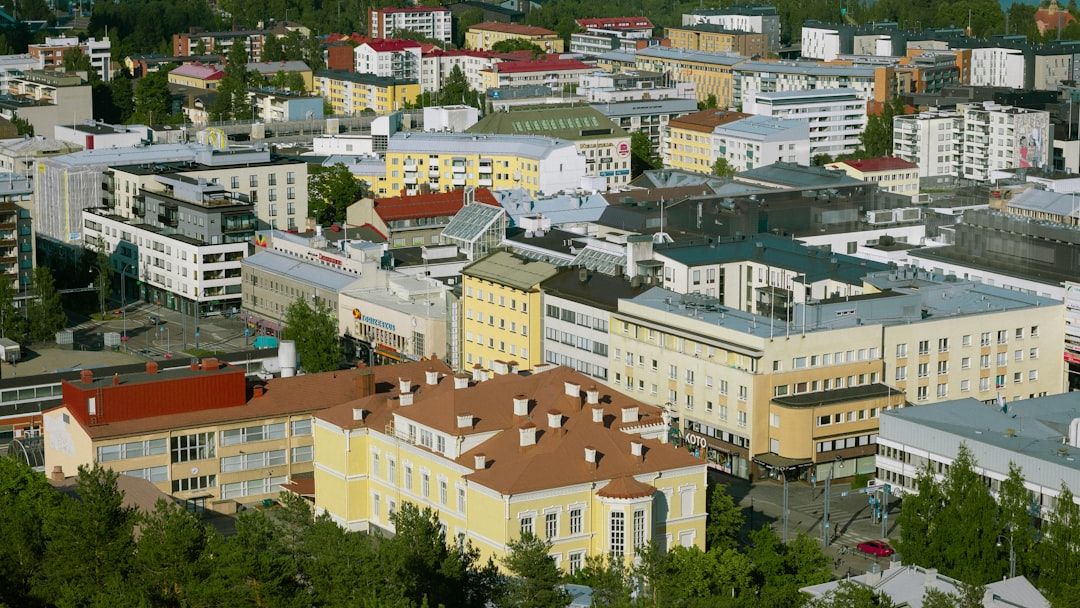

Something fascinating is happening across rural America that doesn’t fit the grim stories you’ve probably heard. While mainstream narratives love to paint a picture of decline and emptiness in small-town America, the truth tells a very different story. Parts of rural and small-town America are buzzing with energy, attracting newcomers, and building resilient economies that seem to laugh in the face of predictions made just a few years ago.
Maybe you’ve seen those think pieces about dying Main Streets or counties losing their young people. Those stories aren’t wrong everywhere, but they miss a bigger shift quietly reshaping the American landscape since 2020. The pandemic didn’t just disrupt life temporarily; it changed where and how people live and work in ways that have given some small towns a second chance they hadn’t expected.
Small Towns Are Seeing New Growth Trends
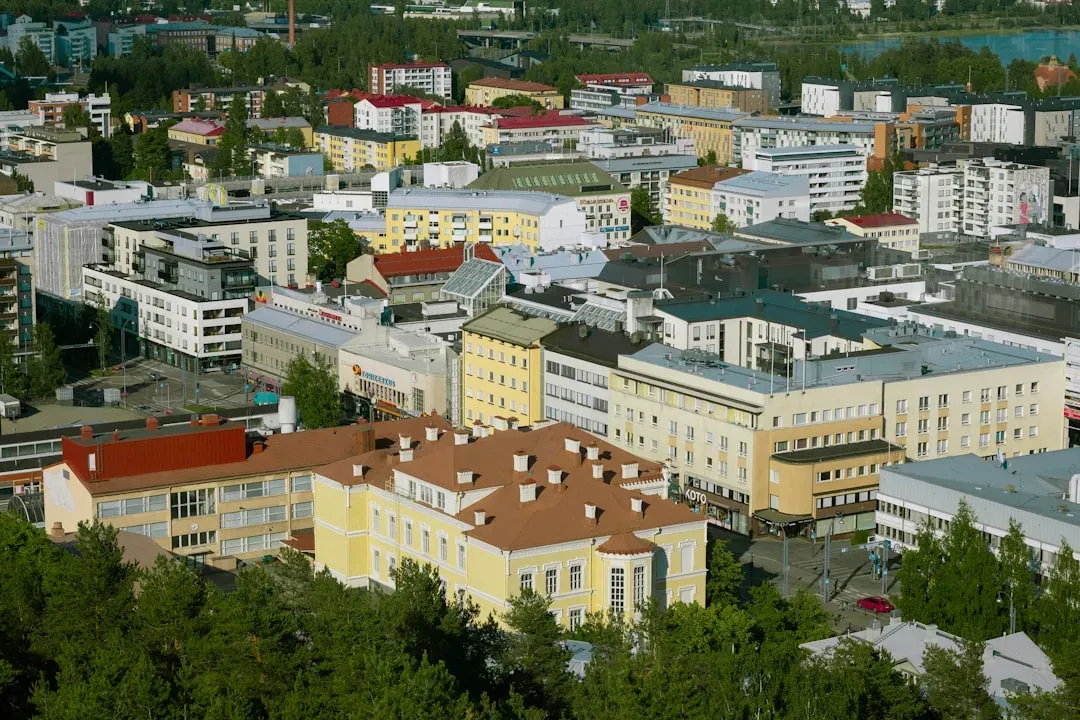
After a decade of population loss in the 2010s, the population in nonmetropolitan areas has increased each year since 2020. That’s not a typo or rounding error. Between the census counts in 2020 and 2024, migration added an estimated 974,379 people to nonmetro populations, reversing what had seemed like an unstoppable trend.
An estimated 291,400 people last year migrated from other areas into America’s small towns and rural areas, which Lombard defines as metropolitan areas with 250,000 people or fewer. That number exceeded net migration into larger areas for the first time since at least the 1970s. Let’s be real, nobody saw that coming. The shift has been particularly strong among people in their prime working years. The 2023 age estimates, which the Census Bureau released over the summer, show that most of the growth that small towns and rural areas have experienced since 2020 is being driven by growth in their population of 25- to 44– year-olds.
Remote Work Is a Major Game Changer

Here’s the thing: the explosion of remote work didn’t just happen and then disappear. Remote work jumped from just 5 percent of workers pre-pandemic to as high as 60 percent during the early months of Covid, and it remained elevated – above 40 percent nationally – for two years. Even as offices reopened, many workers held onto the freedom they’d tasted.
This convergence helped create the conditions that made millions of Americans more willing, in recent years, to move to small cities, towns, and rural counties across the country. When your job no longer chains you to a desk in Manhattan or San Francisco, suddenly a farmhouse with land and a manageable mortgage starts to look pretty appealing. “With a third of workdays being done remotely in 2023, Americans have more geographic flexibility and have been increasingly willing to move far from large population centers if their destination offers a good quality of life”.
The change has been dramatic for small places. From 2021 to 2023, that trend flipped dramatically, with rural communities gaining a net 540,400 people. Those aren’t just retirees looking for peace and quiet either.
Affordability Draws New Residents
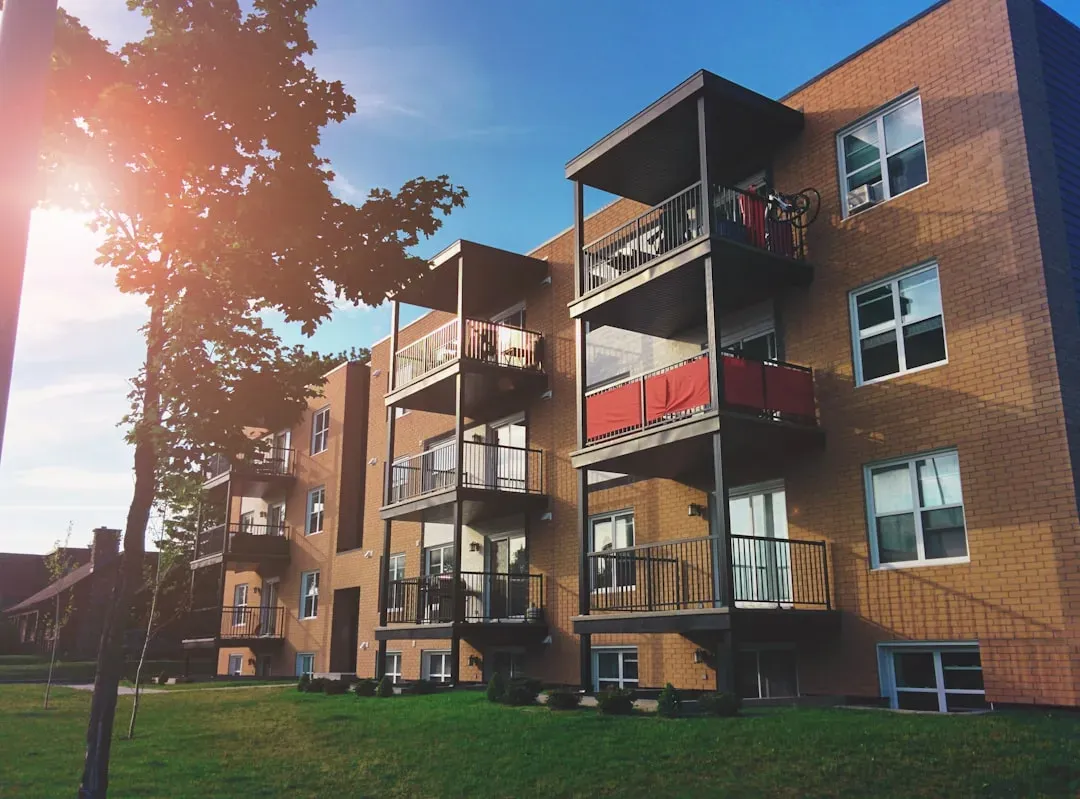
Money talks, and right now it’s saying that big cities are too expensive for a lot of folks. Affordability was the top factor for people when picking a new home, at 36%. I think it’s telling that this beat out everything else, including the neighborhood itself, which used to be people’s main concern.
Still, rural areas haven’t remained dirt cheap. Redfin found that home prices have gone up the most in rural counties, with the median sale price up 61% from before the pandemic, compared with 49% in suburban areas and 46% in cities. The housing market in these communities has heated up because demand surged while supply stayed limited. In these counties, home values rose an astounding 46.8 percent from March 2020 to March 2023, up from 17.4 percent in the three years preceding the pandemic, particularly in vacation counties.
Even with prices climbing, rural homes generally remain more accessible than urban alternatives. The median sale price in rural counties was $280,900 last quarter, compared with $385,000 in the suburbs and $446,000 in urban areas, according to Redfin. Buyers also need far less annual income: about $75,000 to afford the typical rural home, versus $102,000 in suburban counties and $118,000 in cities.
Entrepreneurial Spirit Helps Local Economies

Some small towns didn’t just wait around hoping for a factory to move in. They built their own economies from the ground up. The 10,425-person city, about 115 miles southeast of Des Moines, is home to a large number of small, internet-based micro-businesses that are emerging as a powerful driver of the U.S. economy and an important source of local economic resilience. Its prosperity score, a measure that looks at a range of economic factors, increased by 8 points in the years following the financial crisis compared with a 0.7 point increase for the country as a whole.
Fairfield, Iowa, stands out as a remarkable example. “Having a strong entrepreneurial class of small agile businesses helps Fairfield not only survive, but thrive in fast-changing economies”, according to the longtime president of the Fairfield Entrepreneurs Association. The town has fostered hundreds of small companies across different sectors. Firms in Fairfield have over 85 billion dollars of securities under management and employs 750+ in the area, showing that a tiny Midwest town can punch way above its weight in specialized industries.
Local Leadership and Community Planning Matter

Honestly, top-down approaches rarely work as well as solutions that come from within a community. Similar to how the Fairfield Entrepreneurs Association fostered the entrepreneurial community in the ’80s, the CoLab serves as a local incubator, Laraby said, especially for solopreneurs, or one-person companies, as they get started and seek connections to people and resources. The Fairfield Economic Development Association and Indian Hills Community College were two of the partners and offer their business and financial planning services to members.
Local people understand their own assets better than any consultant from a faraway city ever could. Our history speaks for itself: 2003 Grassroots Rural Entrepreneurship Award – Most Entrepreneurial City in America (Population under 10,000) – National Association of Small Towns and Townships & Kauffman Foundation 2004 Most Entrepreneurial City in Iowa – Iowa State University’s Center for Community Vitality. Those kinds of recognitions don’t happen by accident.
When communities take ownership of their future, they can tailor strategies that match their specific strengths rather than trying to copy what worked somewhere else. This grassroots approach creates buy-in from residents who become invested in making their town succeed.
Quality of Life Is a Powerful Magnet
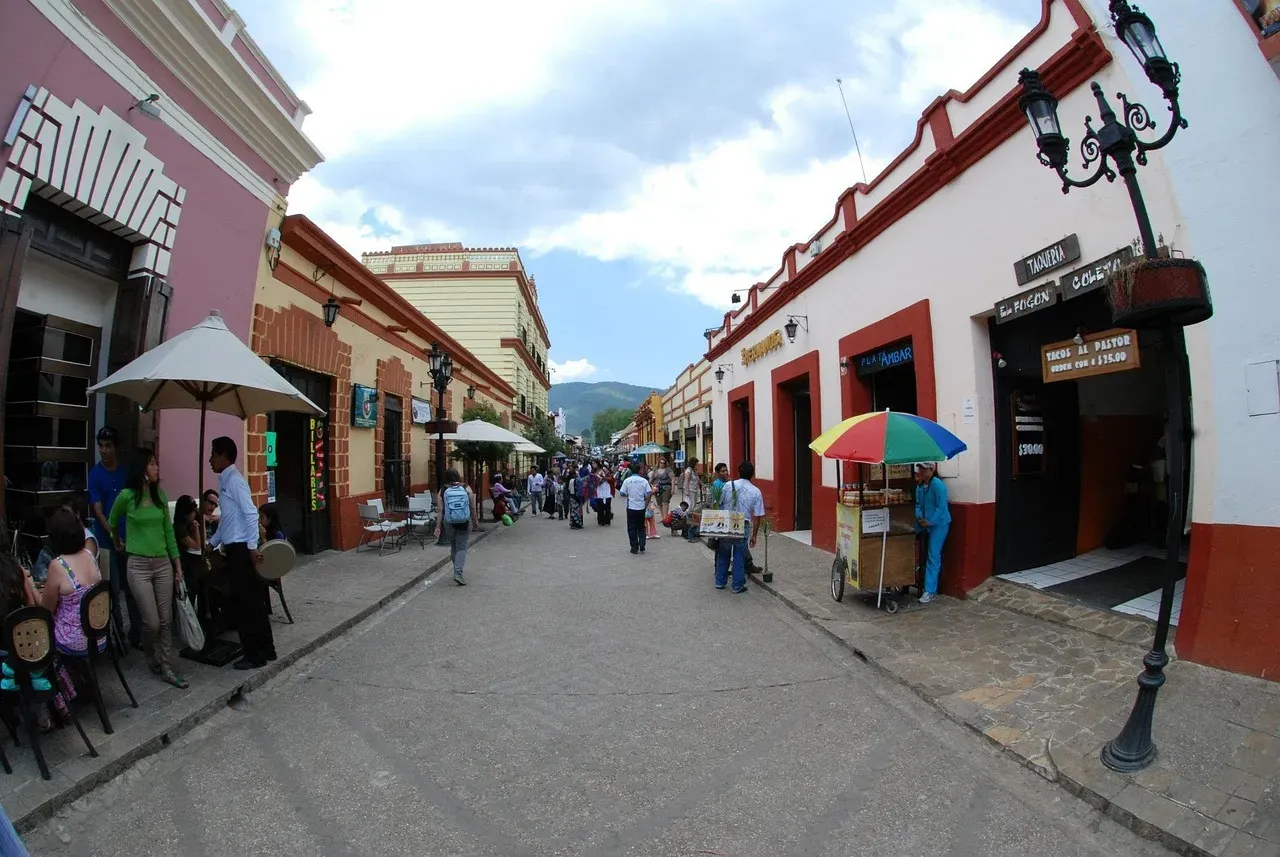
There’s something you can’t put a price tag on, and that’s waking up to silence instead of sirens, knowing your neighbors’ names, and being able to see actual stars at night. Ask those new arrivals why they moved, and the answers land on the same themes: cheaper mortgages, a friendly community, and a chance to hear crickets instead of sirens after 10 p.m. That sentiment keeps showing up when researchers ask people why they relocated.
Over the last couple of decades, there has been a growing perception that America is becoming geographically and culturally divided, but there has also been a convergence in tastes and increasing access to the same products, media, and services. This convergence helped create the conditions that made millions of Americans more willing, in recent years, to move to small cities, towns, and rural counties across the country. You can stream the same shows, order the same products, and enjoy specialty coffee whether you’re in Brooklyn or in a town with one stoplight.
Small-town life isn’t just about escaping something; it’s about gaining something valuable that cities struggle to provide. The pace is slower, the stress levels drop, and there’s space to breathe both literally and figuratively.
Amenities Can Boost Population Growth
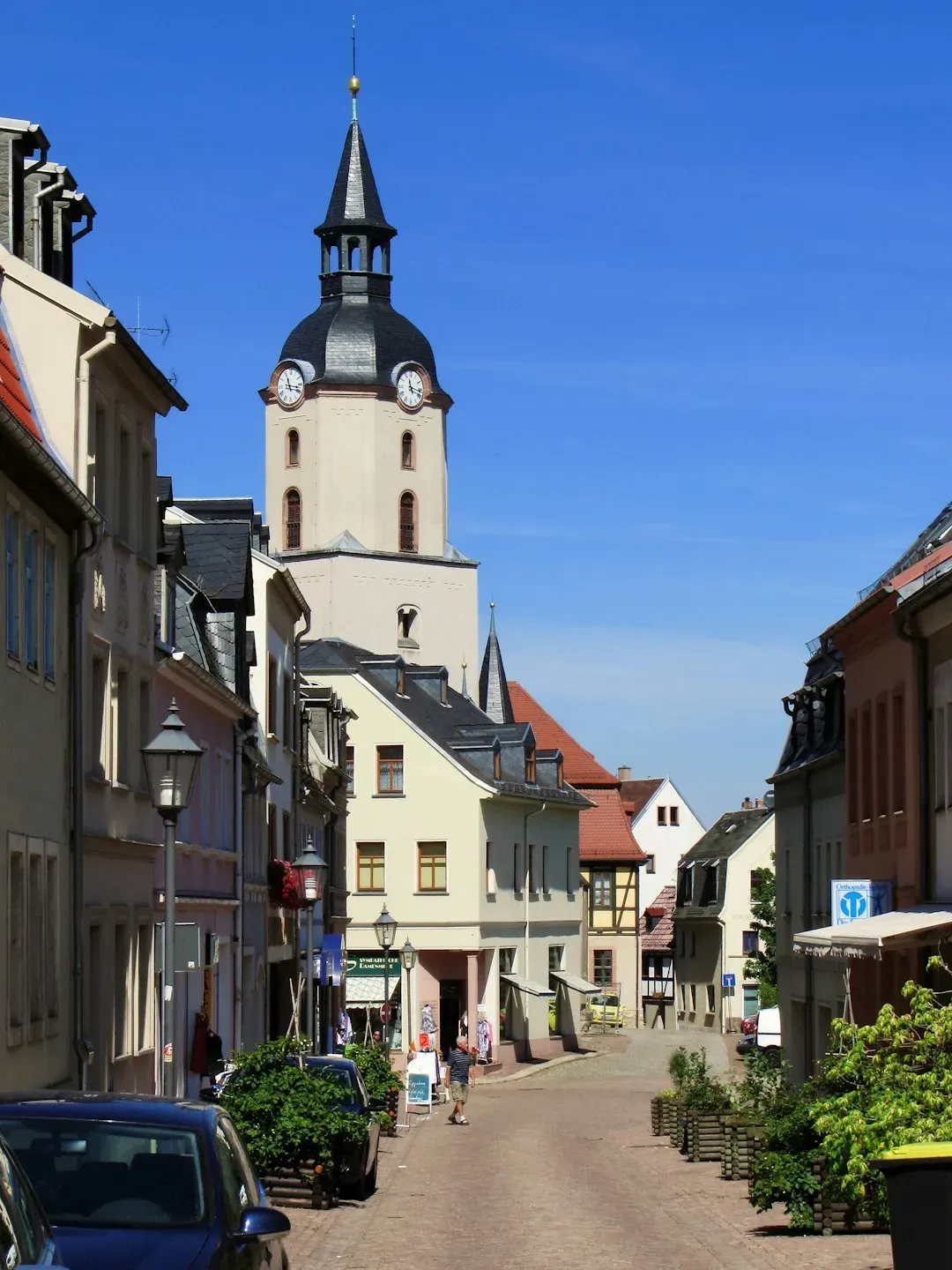
Smart towns know they need more than low costs to attract and keep new residents. In southern Virginia, tiny Martinsville, once dubbed the world’s “Sweatshirt Capital” for its textile industry, has seen some of the state’s strongest wage growth. Its domestic migration rate ranked second in Virginia last year. Starbucks noticed the growth and in 2021 opened its first coffee shop in Martinsville, Lombard noted in his report. When a big chain opens a location, it signals that a town has reached a critical mass of population and economic activity.
Recreation and cultural assets matter too. Recent growth (2020–24) has been concentrated in counties adjacent to metro areas and counties with recreation economies, with most other nonmetro counties seeing decline. Places near mountains, lakes, or other natural attractions have leveraged those features to draw people seeking an active outdoor lifestyle.
The lesson here is clear: affordability alone won’t cut it. People want to live somewhere with things to do, decent restaurants, maybe some live music or art galleries. Small towns that invest in quality-of-life amenities position themselves to compete for residents who have choices about where to settle.
Public-Private Partnerships Support Development
In addition to the supports available to small businesses in any part of the state, an economic development initiative in Fairfield was to start the coworking space Fairfield CoLab, which has been active for about five years. Similar to how the Fairfield Entrepreneurs Association fostered the entrepreneurial community in the ’80s, the CoLab serves as a local incubator. These kinds of collaborations bring together resources that neither the public nor private sector could manage alone.
Some towns have gotten creative with incentive programs. Via its Make My Move program, the self described “very rural” community offers remote workers who earn at least $50,000 and who agree to stay in the county for one year, a $4,500 cash incentive to help defray the cost of moving. Other assorted perks include a $500 voucher for high speed internet service, according to Kelly Gourley of the Lincoln County Economic Development Foundation in Kansas.
Take Stafford County, Virginia, where Comcast partnered with local and state officials to connect nearly 700 homes with high-speed internet. These collaborations leverage private sector expertise and public funding to get results. Without partnerships like these, many infrastructure projects would never get off the ground.
Challenges Remain Despite Progress

Let’s be honest, not everything is rosy in small-town America. High-speed broadband access is increasing across OECD countries, but connectivity gaps between urban and rural areas are widening, according to a new OECD report. Despite these gains, persistent and growing divides in broadband performance and availability remain between urban and rural areas. That’s a serious problem when so much of modern economic life depends on reliable internet.
This urban-rural divide was especially pronounced in Colombia (106 Mbps), Switzerland (94 Mbps), Canada (71 Mbps), Poland (63 Mbps), the United Kingdom (58 Mbps), and the United States (57 Mbps). For a country like the United States, that gap creates real disadvantages for rural areas trying to compete in digital markets or attract remote workers.
Millions of people living in the rural U.S. want and need to access the internet but cannot due to a lack of availability and/or affordability. This digital divide remains one of the biggest obstacles to sustained rural growth and economic competitiveness. Without addressing it, many rural communities will struggle to hold onto their recent gains.
Small Town Revival Is Multifaceted

The comeback story of certain small American towns isn’t about one magic solution. Between July 2021 and June 2024, overall net migration rates for nonmetro counties have been higher than at any point since 1997. Overall, 65 percent of nonmetro counties had positive net migration between the census count in 2020 and June 2024. These numbers reflect multiple forces working together.
Remote work flexibility opened doors, but communities still had to offer something worth moving for. Entrepreneurial energy created jobs, but leadership had to nurture the right environment. Affordability attracted attention, but quality of life sealed the deal. If the adoption of remote work turns out to be as transformative as Alvin Toffler expected, then we are likely only at the beginning of a multi-decade period marked by many substantial societal changes.
It’s hard to say for sure whether these trends will continue long-term or if they represent a temporary pandemic-era blip. Yet the evidence suggests that something fundamental has shifted in how Americans think about where they want to live and what they value. Small towns that recognize and capitalize on these changes have a real shot at not just surviving but thriving in ways that would have seemed impossible just a few years ago.
The traditional narrative of inevitable rural decline is being rewritten by actual people making actual choices to build lives in places that the conventional wisdom had written off. Sometimes the best stories are the ones that prove the experts wrong. What do you think? Could your community be next?