A Chilling Reminder of Launch Risks (Image Credits: Cdn.mos.cms.futurecdn.net)
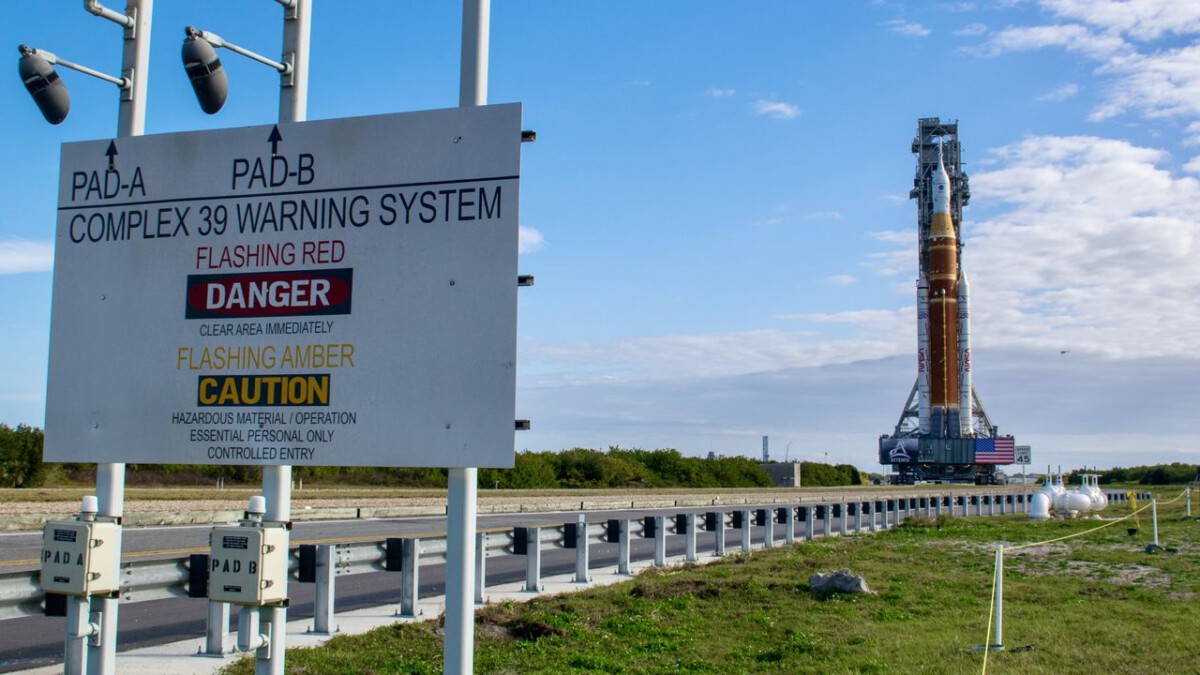
Kennedy Space Center, Florida – NASA postponed the wet dress rehearsal for its Artemis 2 Space Launch System rocket to no earlier than February 2 amid a rare arctic outbreak bringing below-freezing temperatures to the launch site.[1][2]
A Chilling Reminder of Launch Risks
The decision came just one day after the 40th anniversary of the Challenger disaster, when sub-freezing conditions compromised solid rocket booster seals and led to tragedy.[1] Engineers assessed the forecast against hardware limits and determined the weather violated launch commit criteria. Preparations at Launch Pad 39B remained on track, but safety demanded the shift.
Cold snaps pose unique challenges for cryogenic fuels and aging shuttle-era booster components repurposed for SLS. NASA adjusted Orion spacecraft heaters and purges to protect the stack during the freeze.[3]
Unpacking the Wet Dress Rehearsal
This test simulates a full countdown, fueling the rocket’s core and boosters with super-chilled liquid hydrogen and oxygen. Teams power up systems, load propellants, and practice holds up to 30 seconds before simulated ignition.[1]
The 49-hour countdown begins around 9 p.m. EST on February 2, mimicking real launch day tension. Success clears the rocket for crewed flight; past issues, like Artemis 1’s hydrogen leaks, required multiple rollbacks.[1]
- Power on rocket and ground systems.
- Fuel core stage and boosters with cryogenics.
- Execute terminal count holds and recycles.
- Drain propellants post-test.
- Verify all procedures for launch readiness.
Revised Path to Lunar Orbit
The rocket rolled to the pad on January 17 after assembly in the Vehicle Assembly Building. This WDR marks the final hurdle before astronauts strap in for the first lunar trip since Apollo 17.[1]
Artemis 2 crews four: commander Reid Wiseman, pilot Victor Glover, mission specialist Christina Koch, and Canadian Jeremy Hansen. Their 10-day flight loops the moon to validate Orion for deeper space.[1]
| Original Plan | Updated Schedule |
|---|---|
| WDR start: Jan. 29 | WDR start: Feb. 2, 9 p.m. EST |
| Launch window: Feb. 6-10 | Launch NET Feb. 8 (11:20 p.m. ET) |
Looking Ahead to Artemis Milestones
Florida’s weather cleared February 6 and 7 from contention, leaving slots on February 8, 10, and 11 – subject to range availability. The crew stays in quarantine in Houston while managers eye travel timing.[3]
A smooth test paves the way for Artemis 3’s lunar landing. NASA emphasized positioning for success over rushing in adverse conditions.
Key Takeaways
- Cold weather prioritizes safety, echoing historical lessons.
- WDR tests full fueling and countdown under pressure.
- Launch slips to February 8 earliest, keeping lunar goals in sight.
With the moon rocket fueled and ready pending warmer skies, Artemis 2 edges closer to reviving human exploration beyond low Earth orbit. What do you think this delay means for NASA’s lunar ambitions? Tell us in the comments.