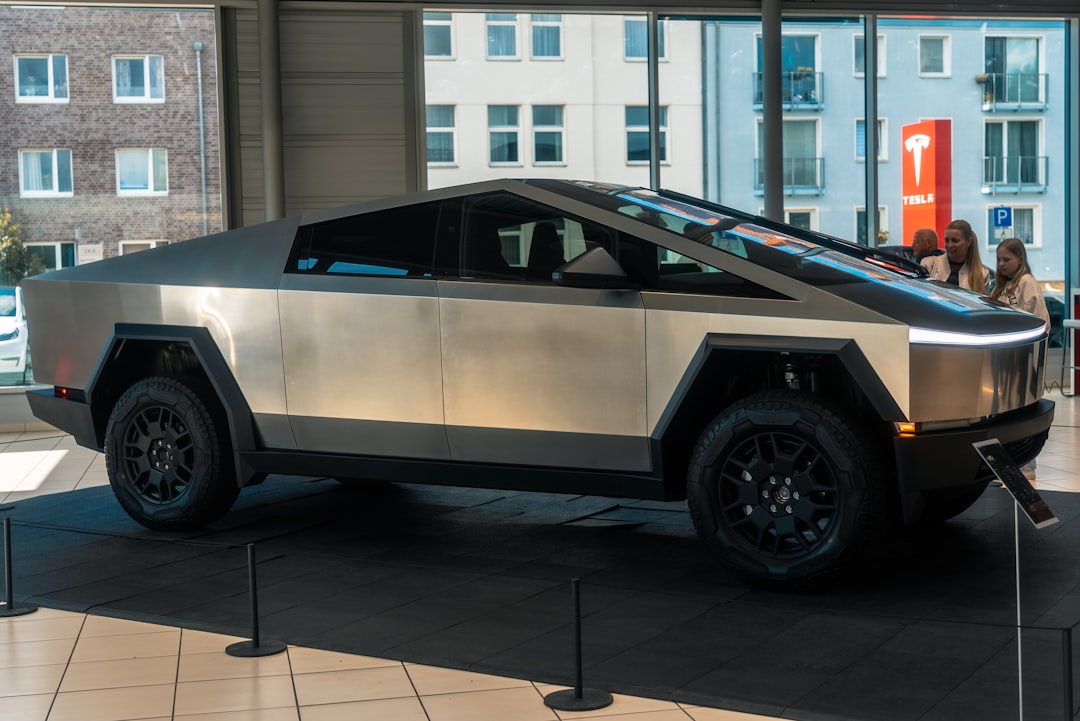
Tesla’s Robotaxi Ambitions Face Immediate Hurdles (Image Credits: Unsplash)
Tesla’s push into autonomous robotaxis hinges on the Cybercab name, a branding choice that aligns with its edgy “Cyber” lineup. Yet a little-known French company has filed for the trademark first, prompting a fierce legal response from Elon Musk’s automaker. The dispute highlights the risks of delayed filings in a global trademark landscape.
Tesla’s Robotaxi Ambitions Face Immediate Hurdles
A potential court battle over the Cybercab name could stretch into 2027, clashing directly with Tesla’s production timeline. The company aims to start manufacturing the vehicles next month, with sales targeted before year’s end. Such delays would compound frustrations for investors already wary of Musk’s repeated timeline slips.
Tesla has filed alternative trademarks like Cybercar and Cybervehicle, possibly to navigate local regulations that restrict “cab” in some areas. Still, the firm shows no signs of abandoning Cybercab. UniBev, the French challenger based in Ajaccio, must respond to Tesla’s detailed complaint by April 19.
Timeline of Filings Exposes Tesla’s Vulnerability
Tesla unveiled the Cybercab during an April 23, 2024, earnings call without securing the trademark beforehand. UniBev co-owner Jean-Louis Lentali, a Tesla shareholder, seized the moment and applied for the mark in France just six days later on April 29. Tesla did not submit its U.S. application until October.
International trademark rules granted priority to UniBev’s earlier filing, securing rights in the U.S. and abroad. Last week, Tesla countered with a 167-page opposition filing at the U.S. Patent and Trademark Office, labeling UniBev a “bad faith trademark squatter” that began as a fan.View the complaint
UniBev’s Pattern of Tesla-Themed Registrations
UniBev has built a portfolio of trademarks echoing Tesla products, raising eyebrows in the complaint. The firm holds French rights to Cyber Diner, Cybervan, and XCab. It also claims U.S. marks for Teslaquila and Teslaquila Hard Seltzer.
Founded in 2022, UniBev operates solely in beverage wholesale with no vehicle manufacturing experience. Tesla’s filing argues the company filed without genuine intent to produce vehicles in the U.S., positioning it as an exploiter of the system rather than a legitimate player.
Tesla’s Own Cyber Branding Arsenal
Tesla boasts a robust set of “Cyber” trademarks across diverse categories. These include CyberBeast for vehicles, CyberBeer for drinks, CyberHammer for exercise gear, CyberVessel for drinkware, and CyberWhistle for toys. The company has launched physical products under each mark.
- CyberBeast: High-performance vehicle variant
- CyberBeer: Beverage tie-in
- CyberHammer: Fitness equipment
- CyberVessel: Drinkware
- CyberWhistle: Novelty toy
This lineup underscores Tesla’s strategy of extending its Cyber theme beyond cars, but it also invited copycats like UniBev.
Legal Stakes and Musk’s Track Record
The complaint emphasizes the U.S. system’s role in shielding genuine businesses: “The United States trademark system exists to protect legitimate commercial actors and consumers, rather than to reward those who seek to exploit the registration process for improper purposes. Allowing the Bad Faith Application to register would undermine this purpose.”
Musk has long touted robotaxis as pivotal to Tesla’s growth, initially promising launches in 2022 that slid to 2026. The Cybercab promises a price under $30,000 and rides at 20 cents per mile. Production ramps, however, may start slowly, mirroring delays with the Cybertruck, which arrived years late after a 2019 target.
Key Takeaways
- UniBev’s early filing gives it current Cybercab rights internationally.
- Tesla’s opposition could delay rollout if unresolved by production start.
- Musk’s history of optimistic timelines adds pressure to resolve swiftly.
This trademark skirmish serves as a cautionary tale for tech giants rushing bold announcements without locking down intellectual property. Tesla’s Cybercab vision remains compelling, but legal entanglements could slow its path to transforming urban mobility. What steps should companies take to avoid such pitfalls? Share your thoughts in the comments.