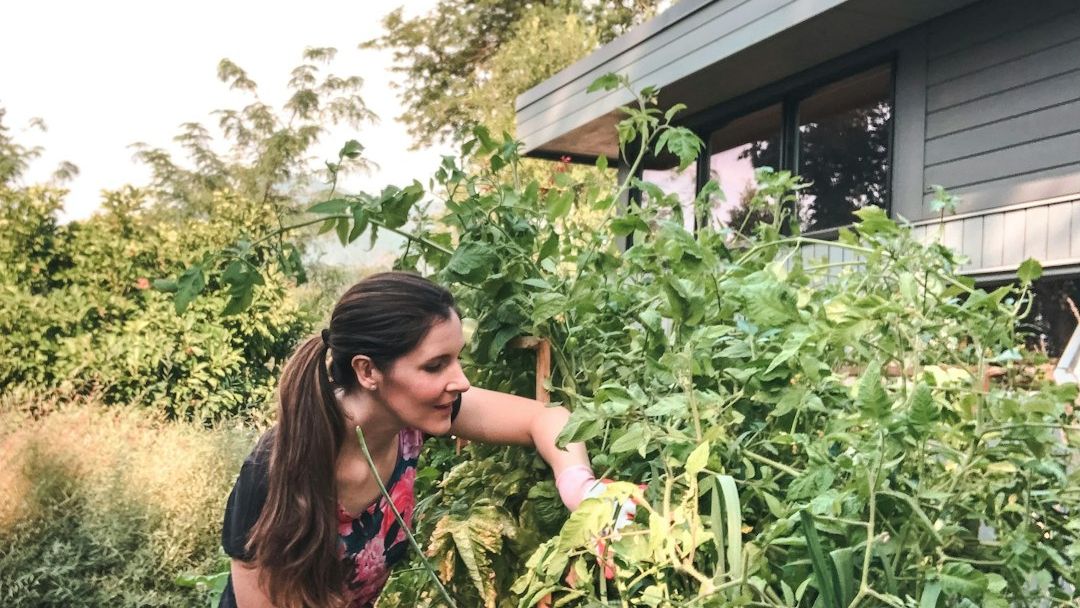

The Surge in Home Food Production Hits Record Levels
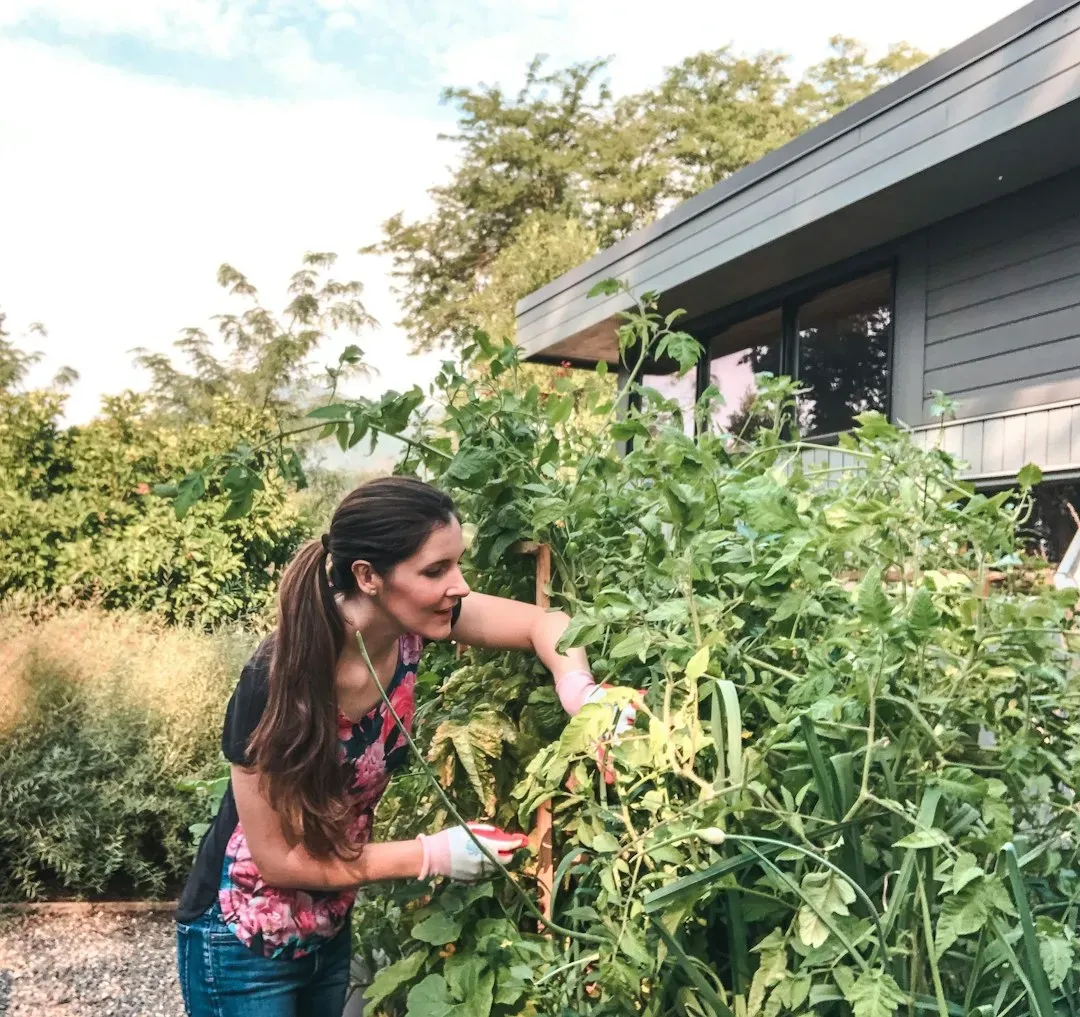
Over 43% of Americans are now growing some kind of food at home, a dramatic shift from earlier years when roughly one third of households engaged in food cultivation. This isn’t just a hobby anymore. Lawn and garden activities are at a 17-year high, according to the National Gardening Association, signaling something bigger than a passing trend. People are digging into soil with real purpose.
The reasons run deeper than Instagram-worthy tomato plants. Many are concerned, with 46% worried about the safety of food in grocery stores, while nearly half believe stores only offer low-quality products. That’s not minor unease. When almost half the country questions what’s on supermarket shelves, you’re looking at a genuine crisis of confidence in our food system.
Planning for Food Independence Becomes the New Normal

71% of Americans report they are planning on growing a food garden in 2025, spanning urban apartments with container setups to sprawling rural plots. Think about that number for a second. Nearly three quarters of adults intend to produce at least some of their own food.
The motivations vary, yet they converge around control and quality. 2 in 3 are motivated to grow their own food to have high-quality produce, while others cite economic necessity. 11% of city gardeners are growing their own food because they can’t afford to eat otherwise. This range tells the real story: backyard agriculture has become both aspiration and survival strategy.
Nutritional Gains and Food Security Through Home Gardens
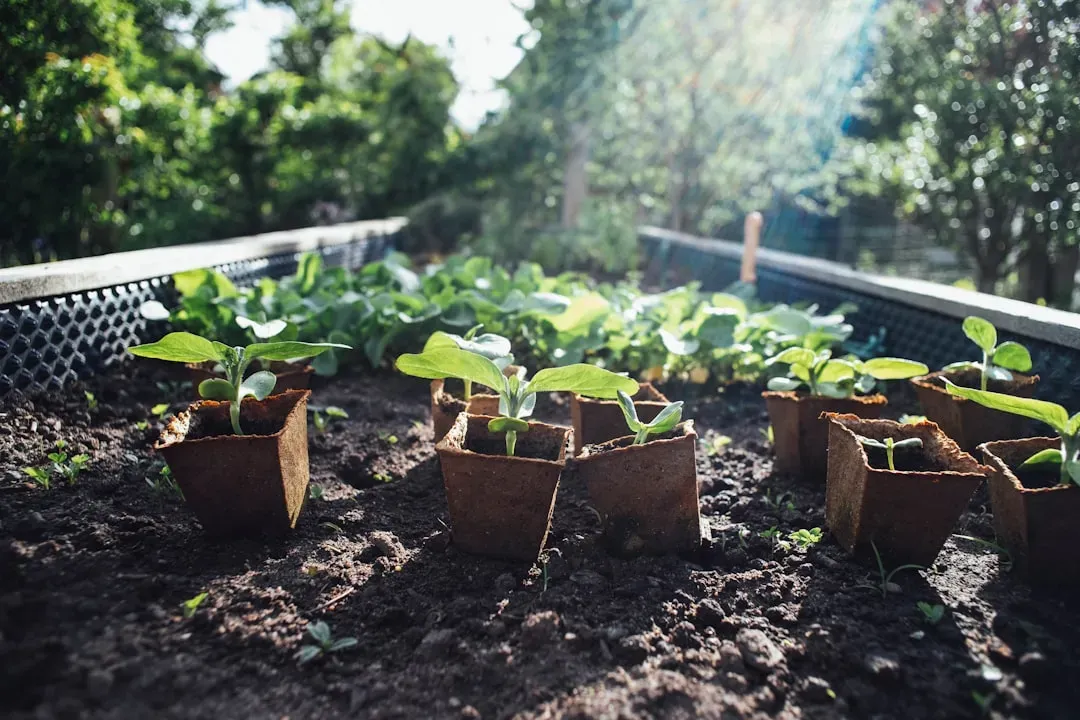
Research backed by USDA-affiliated projects reveals tangible health outcomes from gardening programs. A large majority of surveyed households participating in these initiatives increased their consumption of fruits and vegetables while reducing dependence on emergency food sources. Let’s be real, that’s not abstract policy talk. That’s families eating better.
The USDA Economic Research Service noted household food insecurity was 13.5 percent in 2023 and was significantly higher than in 2022. Home gardens aren’t solving every problem, obviously, yet they’re providing a practical buffer against hunger in communities where grocery stores fail to deliver affordable, nutritious options. The impact extends beyond calories to actual dietary diversity.
Community Gardens Transform Urban Wastelands Into Productive Hubs
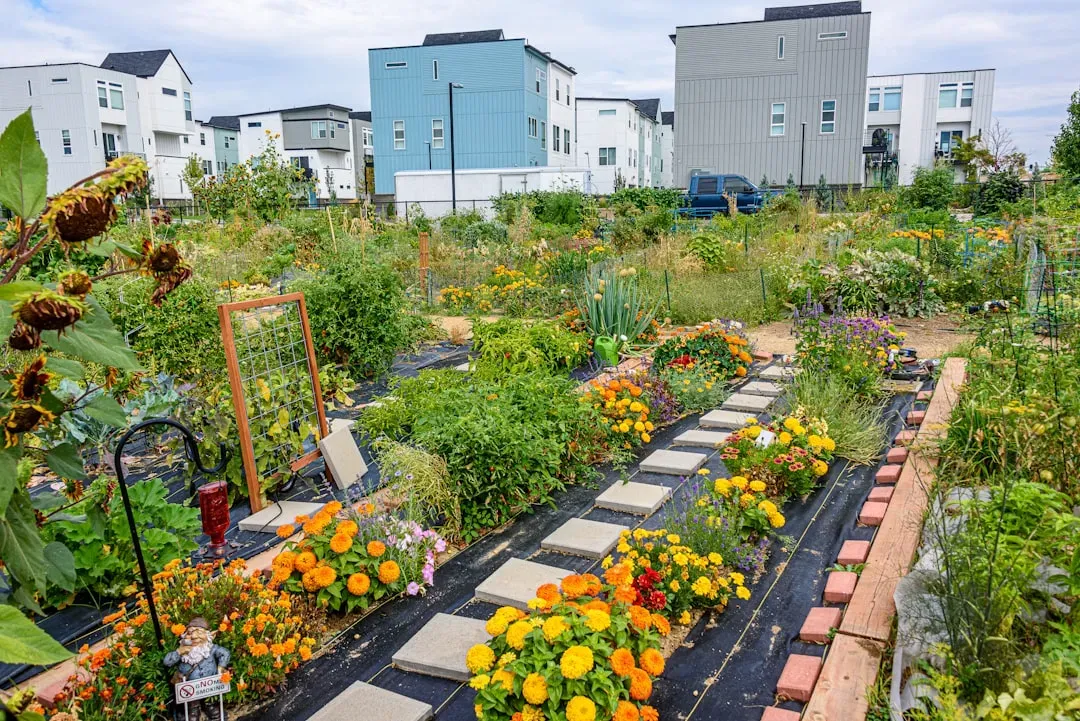
Cities aren’t just tolerating gardens anymore. They’re investing in them. The New York State Department of Agriculture and Markets announced that $2.5 million has been awarded to 51 organizations across the state through their Urban Farms and Community Gardens Grant Program. This money goes toward expanding gardens, building structures, purchasing equipment, and establishing educational programs.
Jacksonville and other cities have turned vacant lots into productive spaces growing fresh food for local residents and restaurants, reflecting how grassroots agriculture is scaling beyond individual plots. New York is home to more than 3,000 registered or permitted urban and community gardens, demonstrating deep roots for locally grown food as part of urban infrastructure.
Social Connections Flourish Alongside Vegetables
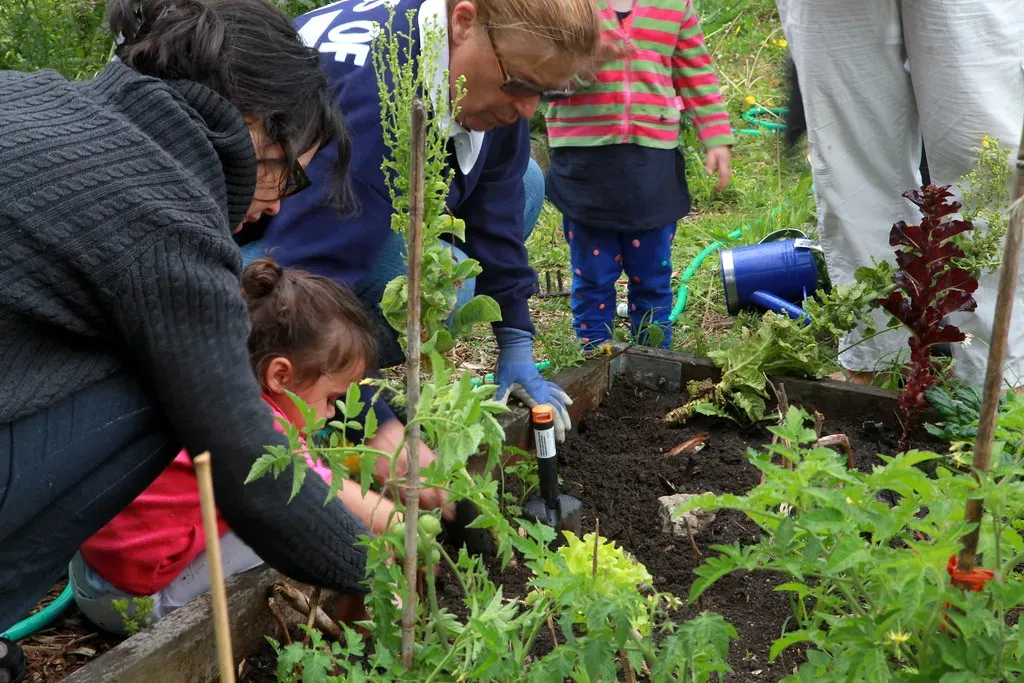
Gardens do something peculiar: they make neighbors talk to each other. Around 64% of participants in home garden programs reported feeling more connected to their communities through gardening. In an era when loneliness registers as a public health crisis, that matters.
Rapid urbanization has heightened food insecurity, environmental challenges, and social exclusion. Community gardens are emerging as powerful tools to address these issues. The pandemic accelerated this recognition. The peak in 2020 and 2021 aligns with the COVID-19 pandemic, which shifted the focus on community gardening as a social resilience and well-being tool.
Small Farms Navigate Economic Challenges While Contributing to Food Systems
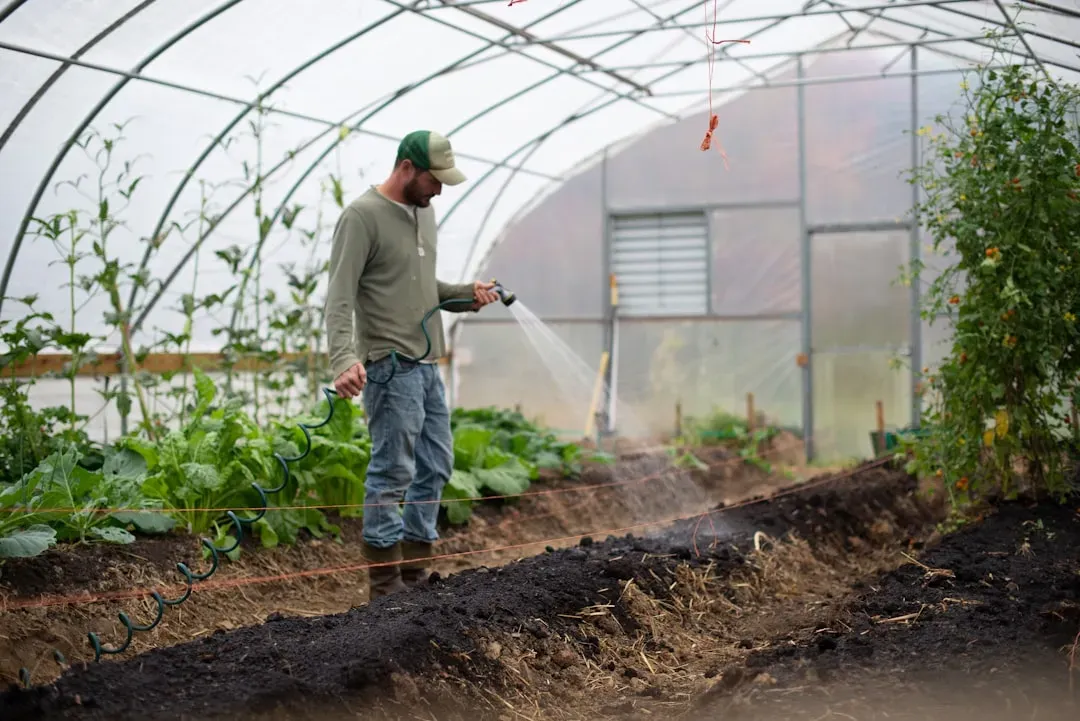
Here’s where it gets complicated. The 2022 Census of Agriculture shows that more than 25% of U.S. farms had no sales in a typical year. These operations exist outside traditional commercial frameworks, operating as hobby farms, retirement ventures, or part-time efforts. They’re not feeding the masses, yet they’re feeding someone.
Small family farms, those farms with a GCFI of less than $350,000 per year, account for 85% of all U.S. farms, though they produce only 14% of the value of all agricultural products sold. Meanwhile, large-scale operations dominate output. The numbers reveal stark disparities in how American agriculture actually functions versus how we imagine it.
Agriculture’s Massive Economic Footprint Extends Beyond the Farm Gate
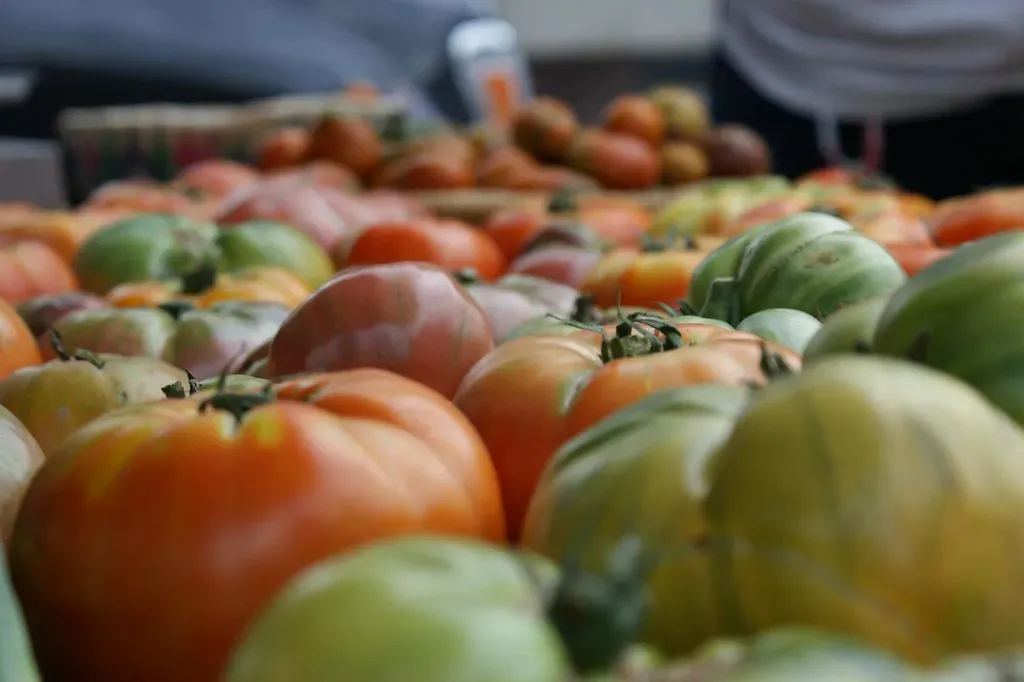
The 2025 report confirms the agriculture industry is at the heart of the U.S. economy, generating more than $9.5 trillion in economic value, which amounts to 18.7% of the overall national economy. That’s nearly one fifth of everything America produces.
Agriculture, food, and related industries contributed roughly $1.537 trillion to U.S. gross domestic product (GDP) in 2023, with the sector supporting roughly 10% of total jobs. Employment in agriculture- and food-related industries supported another 19.6 million jobs, with food services and retail accounting for the largest shares. Whether it’s backyard gardens or industrial operations, farming remains essential infrastructure.
Urban Agriculture Links Local Production to Broader Sustainability Goals
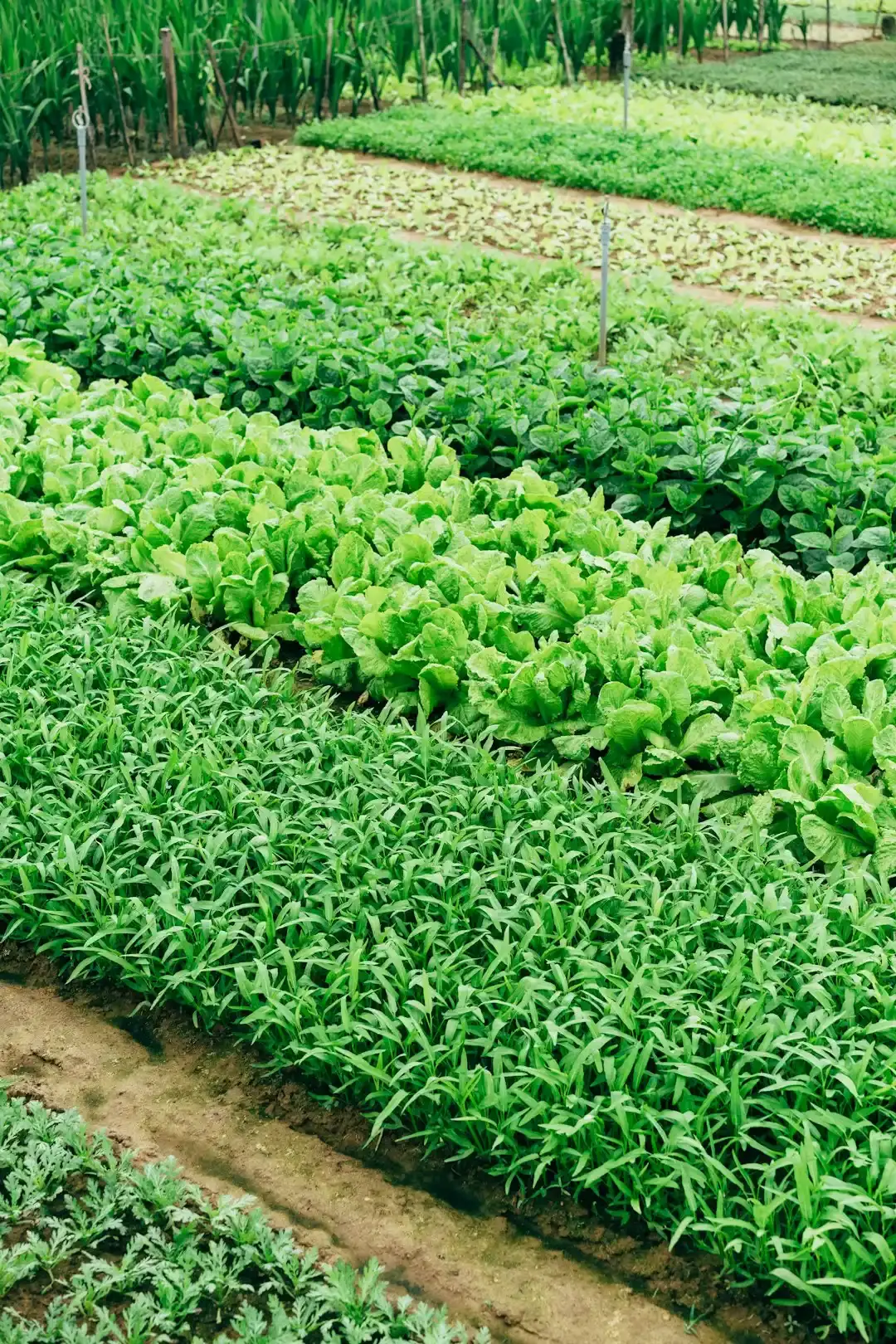
Research published in 2025 indicates that urban and local agriculture supports broader sustainability goals including reducing hunger and building resilient communities. The United States Department of Agriculture (USDA) has taken a monumental step forward with its recent announcement of a $14.4 million investment in urban agriculture and innovative food production.
This isn’t charity. It’s strategic investment in food system infrastructure. Cities recognize that local production reduces transportation emissions, preserves green space, and creates educational opportunities. The frameworks connecting backyard tomatoes to climate policy might sound grandiose, yet the logic holds. Shorter supply chains mean less fossil fuel burned moving lettuce across continents.
Legacy Gardens Demonstrate Decades of Community Food Production
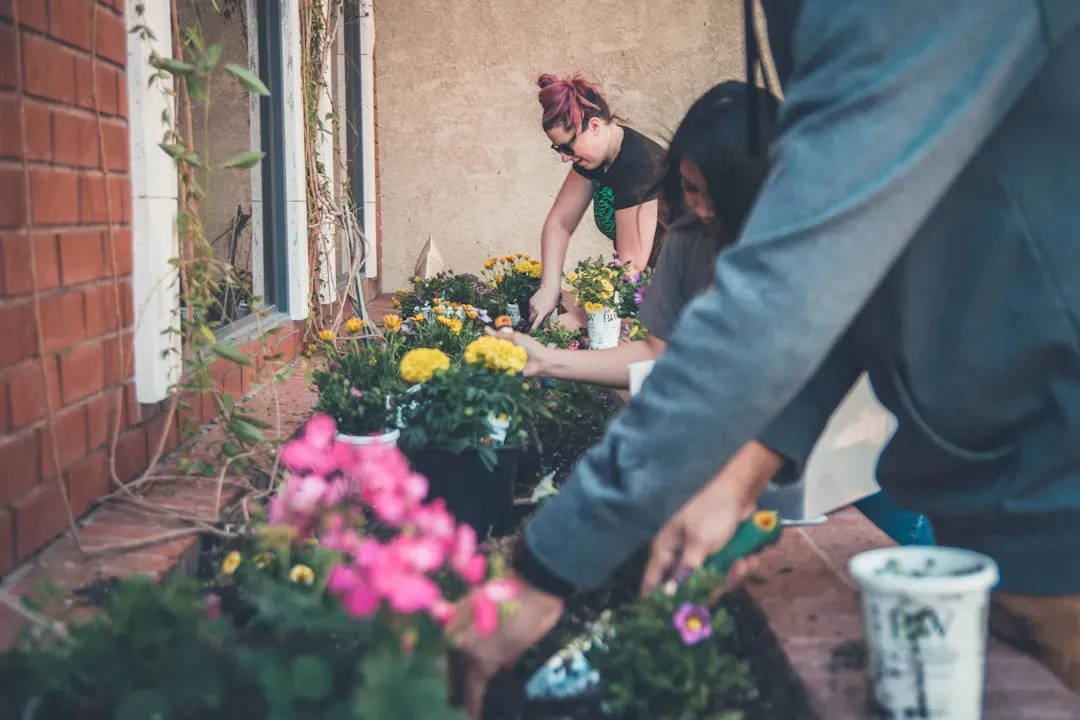
Urban food production didn’t start with millennials discovering heirloom seeds. In New York City alone, hundreds of gardens, school plots, and land trust gardens have persisted for decades, reflecting longstanding traditions of locally grown food woven into urban life. These spaces survived waves of development pressure, economic downturns, and shifting city priorities.
The resilience of these legacy gardens provides blueprints for new initiatives. They’ve worked out soil testing protocols, navigation of bureaucratic requirements, and seasonal planting schedules optimized for local microclimates. That accumulated knowledge represents decades of trial, error, and community organizing that new gardeners can draw upon.
Grassroots Gardens Scale Into Structured Community Enterprises
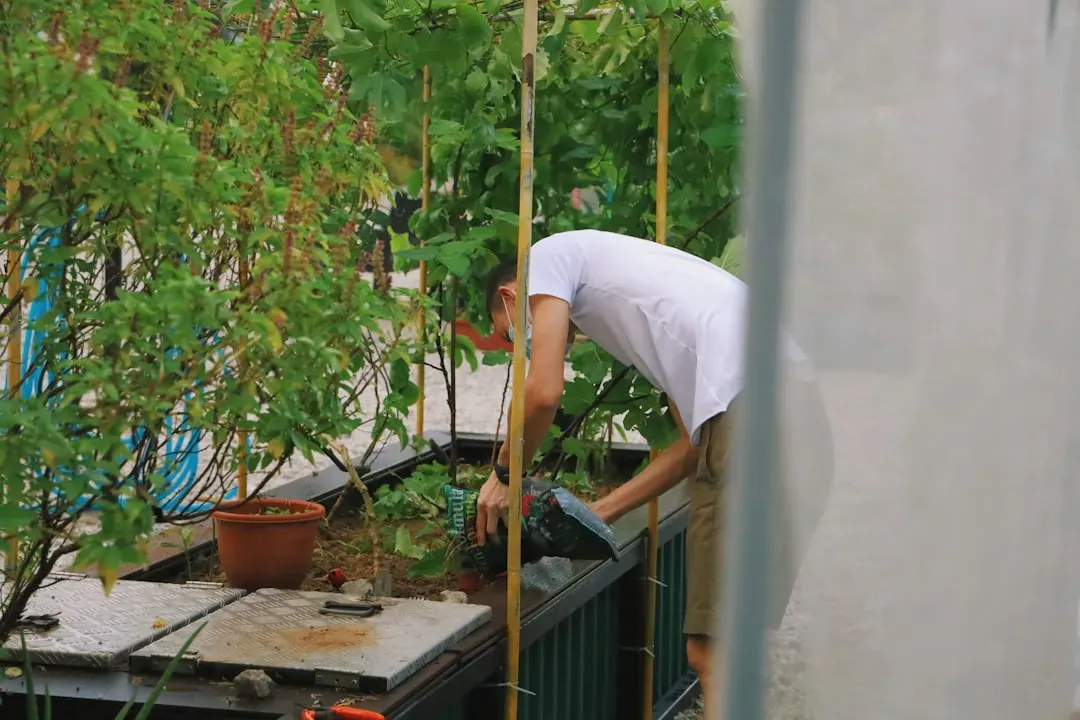
Stories from 2025 show individuals turning backyard gardens into community farms that donate thousands of pounds of produce annually while launching educational services. Grassroots Gardens of Western New York expanded five community gardens and established one new community garden and three new school gardens throughout Buffalo and Niagara Falls. During the 2023 growing season, over 5,400 pounds of produce were harvested.
This evolution illustrates how home-grown agriculture can transform into structured, impactful enterprises. What starts as one person’s surplus zucchini becomes a community asset providing nutrition education, volunteer opportunities, and measurable food security improvements. The progression from personal garden to quasi-business reveals untapped potential in America’s vacant lots and underutilized spaces. These aren’t fantasies anymore. They’re operational models generating real produce and genuine community benefits.