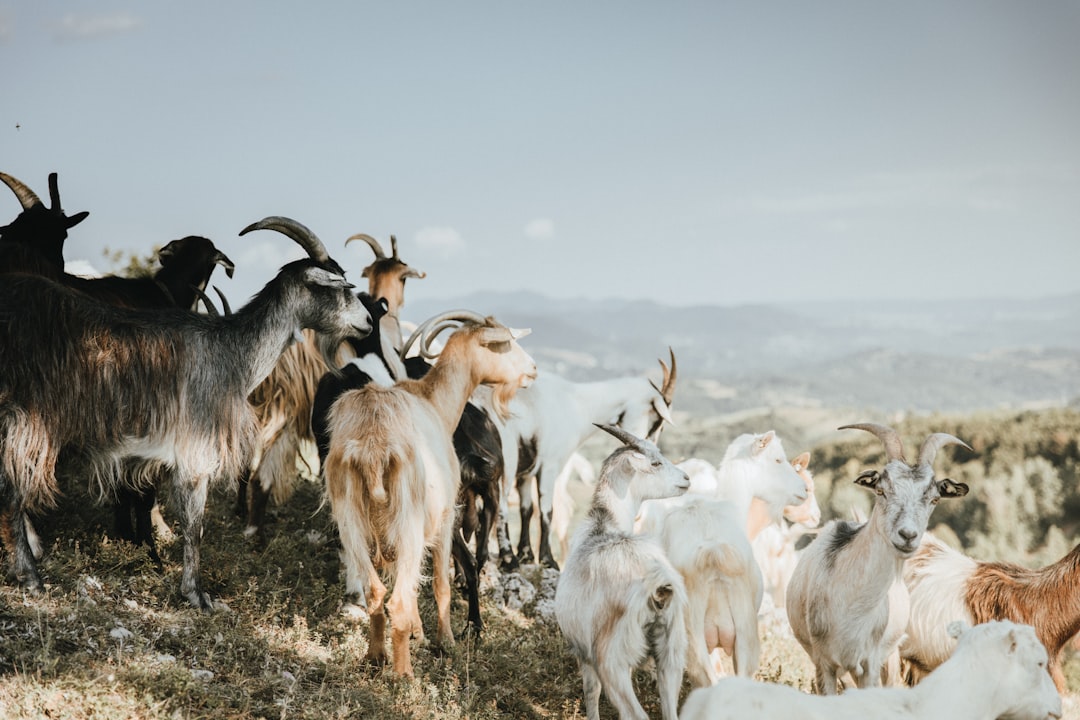


A Surprising Holiday Treat for Farm Animals (Image Credits: Unsplash)
Across the United States, farms and sanctuaries transformed discarded Christmas trees into nutritious treats for goats, sheep, and alpacas during the post-holiday season.
A Surprising Holiday Treat for Farm Animals
Goats eagerly devoured old Christmas trees, turning what many considered waste into a welcome snack. This practice gained traction as communities sought sustainable ways to dispose of holiday decorations. Farms reported high demand for the evergreens, which provided a natural break from routine feed like hay. The initiative highlighted an unexpected benefit of the holiday tradition, blending environmental responsibility with animal care.
In Philadelphia, members of the Philly Goat Project collected trees from local residents. The animals relished the needles and branches, which offered both flavor and nutrition. Similar efforts unfolded in other regions, where sanctuaries coordinated drop-off points. This approach not only satisfied the goats’ cravings but also reduced landfill contributions from the millions of trees discarded annually.
Nutritional Boost and Environmental Wins
Christmas trees proved more than just a novelty for grazing animals; they delivered essential vitamins and minerals. Goats, known for their diverse diets, benefited from the firs’ high fiber content and antioxidants. Farms noted that the trees acted as a palate cleanser, preventing boredom in feeding routines. This simple recycling method supported healthier livestock without additional costs for supplemental feed.
Environmentally, the program diverted organic waste from landfills, where trees would otherwise decompose and release methane. Composting offered another option, but direct animal consumption sped up the process while enriching soil through manure. Initiatives like these promoted circular economies in agriculture, where holiday byproducts fueled farm operations. Participants emphasized the dual advantage of cleaner communities and nourished herds.
Community Efforts Bring Trees to Life
Sanctuaries and farms organized widespread collection drives to maximize participation. In Sherborn, Massachusetts, one facility gathered around 1,500 trees the previous year, aiming to match that number. Volunteers coordinated pickups and drop-offs, making it easy for residents to contribute. These events fostered community spirit, as families watched goats munch on their former decorations.
Other locations, including Chicago and Rhode Island, launched similar programs through urban growers and rescue centers. The Urban Growers Collective in Chicago partnered with locals to supply trees as goat snacks. In Hadley, Massachusetts, a cider house integrated the practice into its operations, offering a fresh menu item for its animals. Such collaborations demonstrated how small actions amplified broader sustainability goals.
How Farms Make It Work
To ensure safety, farms stripped trees of tinsel, lights, and chemical treatments before feeding. Only untreated, real evergreens qualified for the program, avoiding any risks to animal health. Drop-off sites operated through early January, aligning with typical tree disposal timelines. Organizers provided clear guidelines, encouraging donors to shake off excess debris.
The process remained straightforward, with farms processing trees on-site. Goats handled the bulk of consumption, though sheep and alpacas joined in where available. This targeted approach maximized resource use while minimizing logistics. As word spread, more facilities adopted the model, creating a network of eco-conscious recycling hubs.
- Remove all decorations before donating.
- Confirm the tree is untreated and pesticide-free.
- Contact local farms or sanctuaries for drop-off details.
- Participate early in the season to avoid missing collection windows.
- Spread awareness to encourage community involvement.
Key Takeaways
- Discarded Christmas trees provide a healthy, fiber-rich diet for goats and similar animals.
- These initiatives reduce landfill waste and promote sustainable farming practices.
- Community participation makes recycling accessible and enjoyable for all.
This holiday recycling trend underscored the potential for everyday waste to support vital ecosystems on farms. It reminded participants of the interconnectedness between seasonal celebrations and ongoing environmental stewardship. What do you think about repurposing your Christmas tree this way? Tell us in the comments.