
There’s something magical about biting into a sun-ripened tomato in July or crunching through fresh green beans you picked just hours ago. Yet that same magic can feel like a distant memory come February when winter winds howl and grocery store produce tastes like cardboard. Here’s the thing most gardeners eventually realize: that abundance you worked so hard to grow doesn’t have to vanish when the first frost hits.
Through time-tested preservation methods backed by modern science, you can capture peak-season flavor and keep your harvest on the table for months. Whether you’re dealing with a bumper crop of zucchini or a windfall of apples, understanding how and why these techniques work transforms summer’s bounty into winter’s comfort food. Let’s dive in.
Freezing: Stop Time in Its Tracks
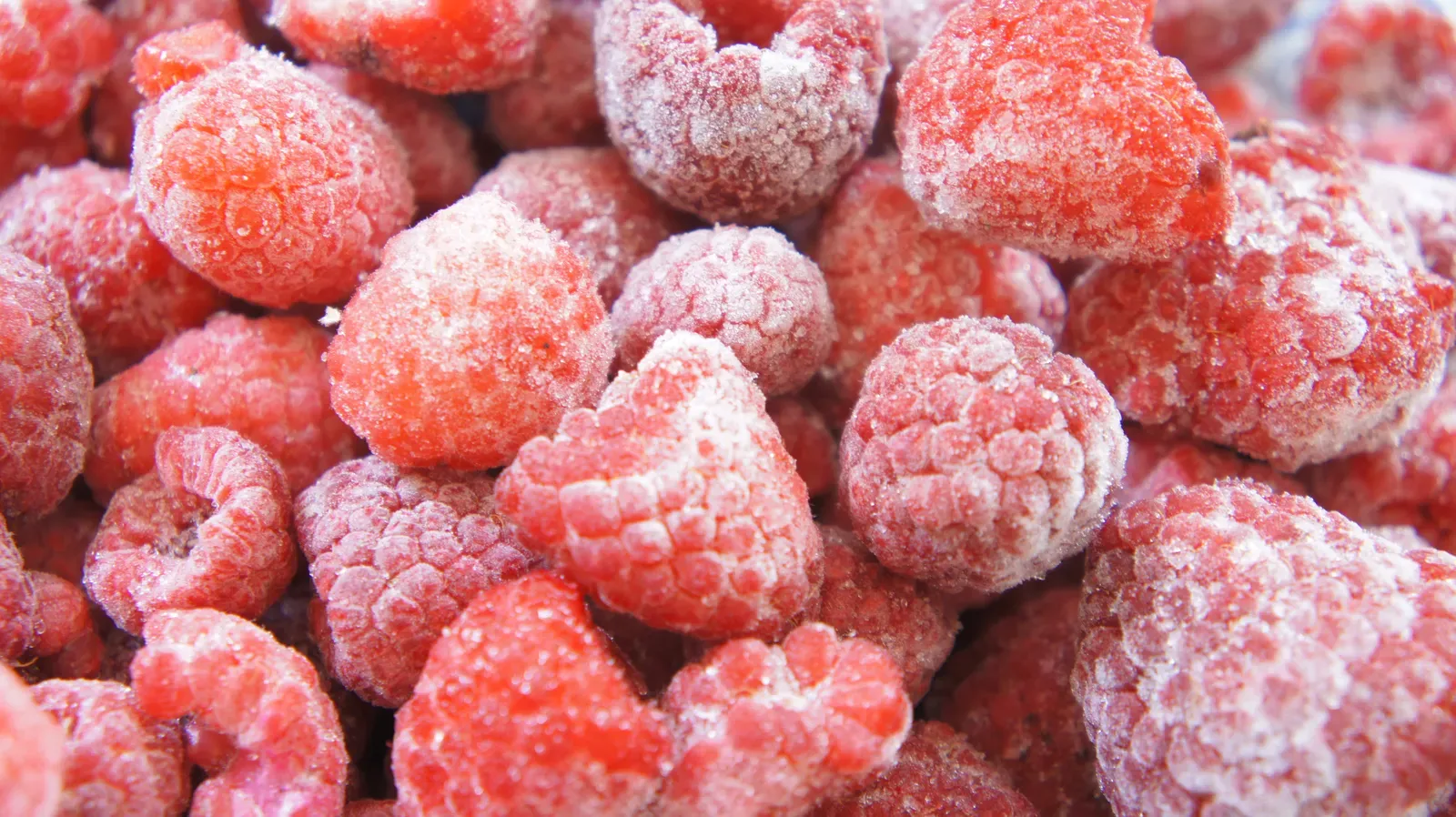
Freezing stands as a superior method compared to other preservation techniques when it comes to keeping nutrients intact and maintaining sensory qualities. The science behind this is straightforward yet elegant. When you store food at zero degrees Fahrenheit or lower, you retain vitamin content, color, flavor and texture because the freezing process itself does not destroy nutrients.
Freezing temporarily halts bacterial growth by removing the water and warmth bacteria need to survive. Think of it like pressing pause on decay. Vegetables should be frozen at negative eighteen degrees Celsius or below, and freezing should be done quickly after packaging because delays can cause quality loss or spoilage.
Research has shown a forty-seven percent reduction in household food waste for frozen products compared to fresh products, which honestly makes a lot of sense when you think about it. That bag of frozen broccoli isn’t going to wilt in your crisper drawer while you decide what to cook.
Blanching Before Freezing: The Secret Weapon
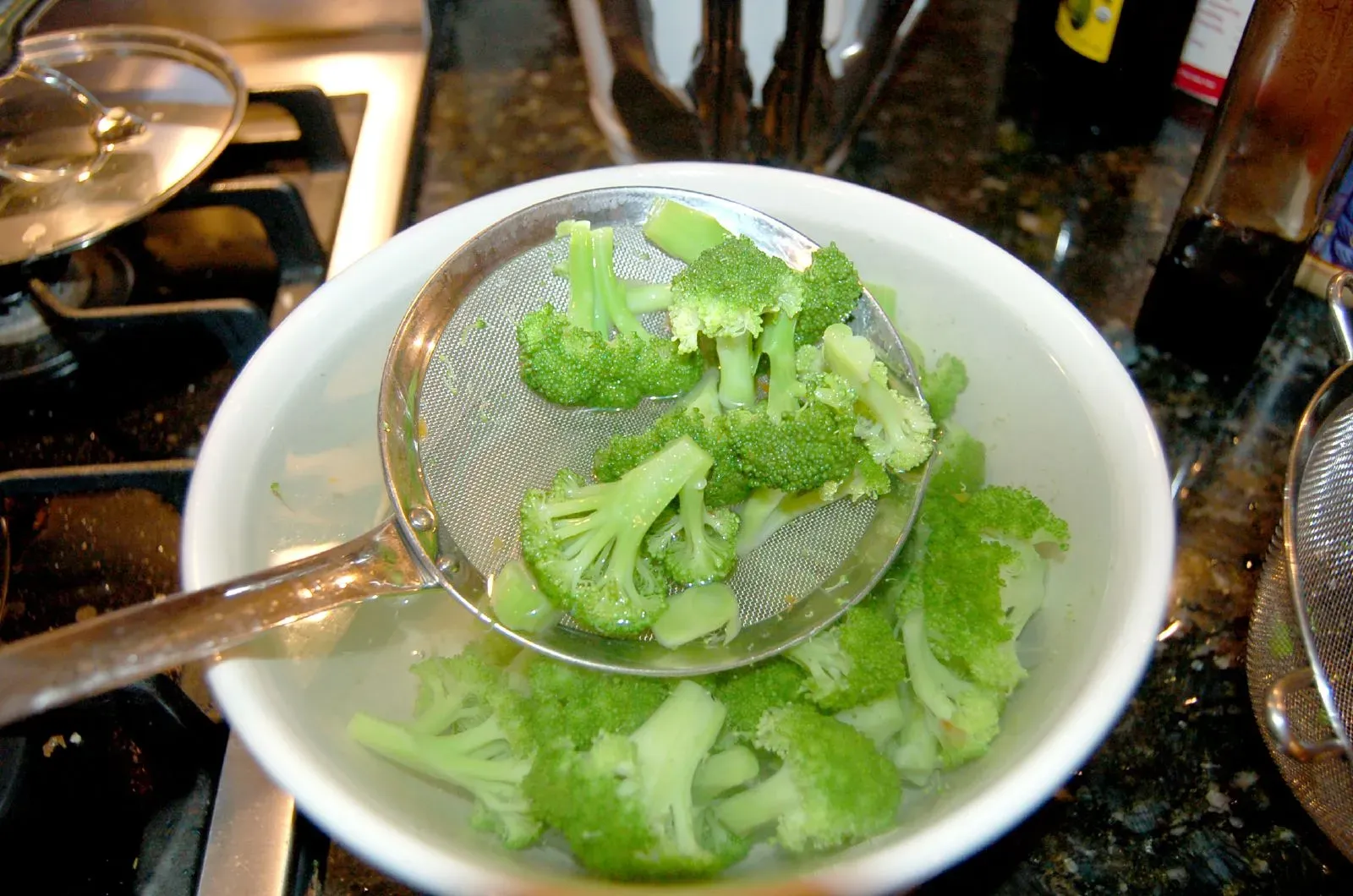
Let’s be real, you can’t just toss raw vegetables into freezer bags and call it done. Well, you can, but you’ll regret it come December. Blanching involves immersing vegetables in boiling hot water for a specific time followed by very quick cooling in cold or ice water, and this process slows down or stops enzymatic activity that causes loss of flavor, color and texture during freezing.
Enzyme activity can lead to food quality deterioration, as enzymes present in vegetables and fruits promote chemical reactions like ripening. Without blanching, those enzymes keep working even in the freezer, eventually turning your carefully stored vegetables into mushy disappointments.
The process takes just minutes depending on the vegetable. Blanching also reduces microbial load, which helps increase the shelf life of vegetables. Sure, you’ll lose some water-soluble vitamins during the brief heat exposure, but the tradeoff is worth it for long-term quality.
Home Canning: Creating an Oxygen-Free Fortress
Canning places food in specified jars that are sealed with two-piece lids, then heats them to a temperature that destroys harmful microorganisms and inactivates enzymes. The beauty of canning lies in creating a vacuum seal that locks out spoilage while preserving summer’s flavors in glass jars that line your pantry shelves like edible trophies.
Pressure canning is the only recommended method for canning low-acid foods, and this distinction matters more than you might think. Low-acid foods have a pH level greater than four point six, which means they are not acidic enough to prevent botulinum bacteria growth, and these include almost every vegetable, some fruits, milk, all meats, fish and seafood.
The botulism bacteria are heat resistant and require a temperature of two hundred forty degrees to destroy, which can only be reached by using a pressure canner. Water bath canning works fine for high-acid foods like most fruits and pickles, but taking shortcuts with low-acid foods can literally be deadly. You cannot see, smell or taste the toxin that causes botulism, yet taking even a small taste of food containing it can be deadly.
Dehydration: Moisture Is the Enemy
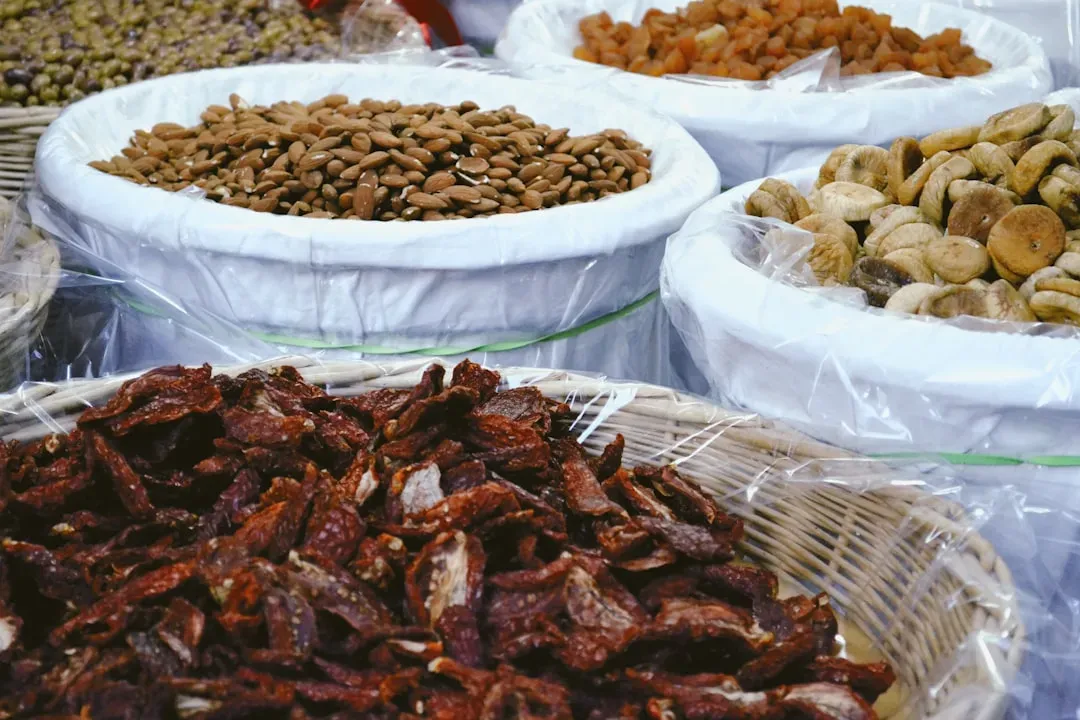
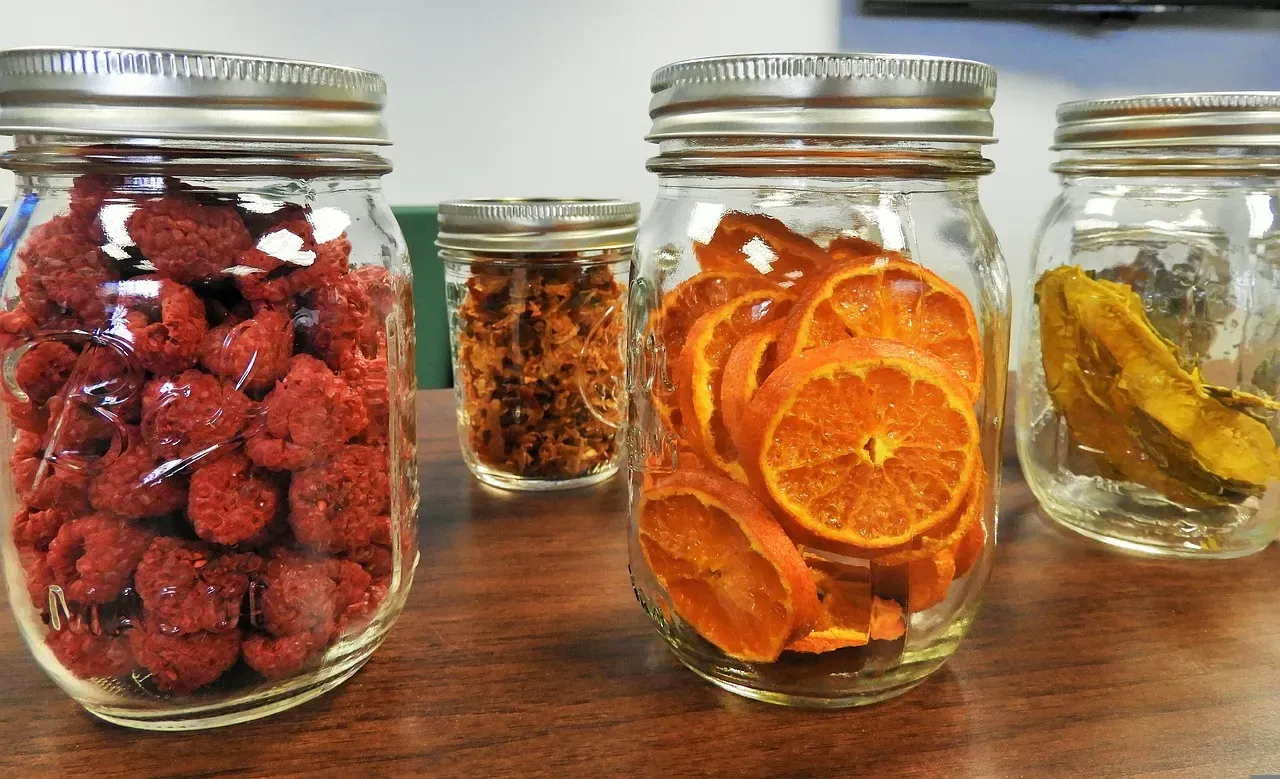
Drying is a preservation form through moisture removal from foods, which inhibits microorganism growth, and dried foods should be stored in airtight containers to prevent moisture that would allow microbial growth. It’s one of the oldest preservation techniques humans ever developed, and there’s good reason it’s still around.
Removing water creates an environment where bacteria, yeasts and molds simply can’t thrive. They need moisture to reproduce and cause spoilage. Dried herbs can keep for up to a year if kept in a cool, dark and dry place, which makes dehydration particularly useful for herbs that would otherwise go bad quickly.
The process concentrates flavors too, sometimes intensifying them in surprising ways. Dried tomatoes taste completely different from fresh ones, richer and almost sweet. You can use electric dehydrators, your oven on low heat, or even air-dry certain items if you live in a climate that cooperates.
Pickling: When Acid Takes Control
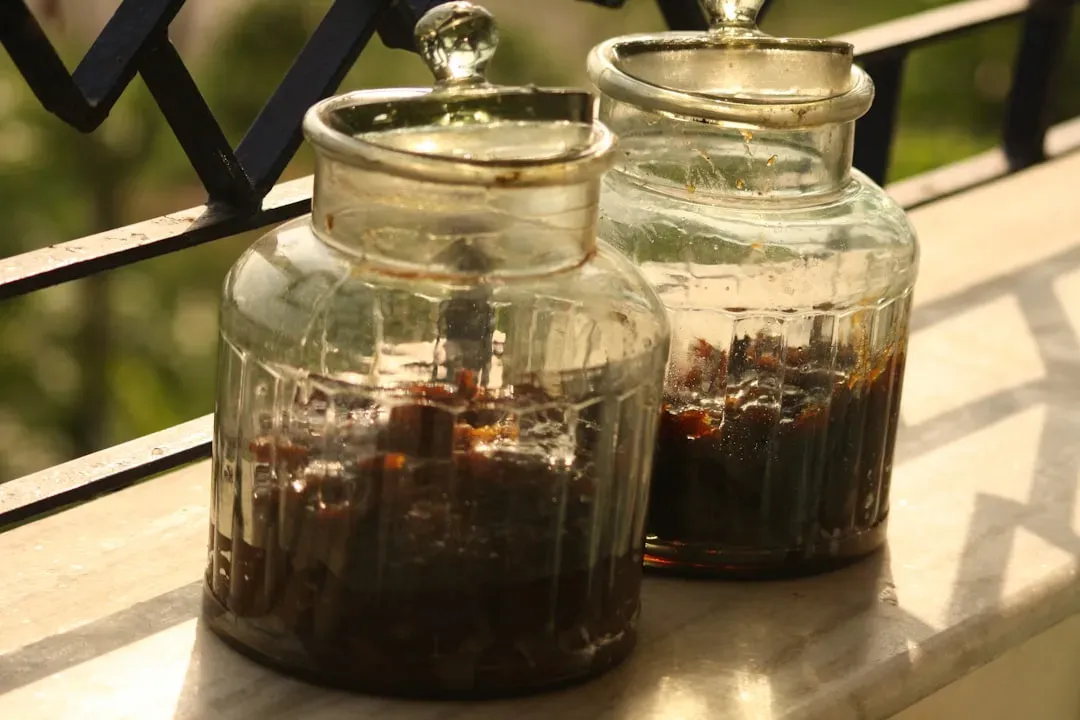
The addition of vinegar to pickling makes food so acidic with pH less than four point six that harmful bacteria cannot survive or grow, and the pickling method includes heating jars in boiling water at two hundred twelve degrees Fahrenheit which destroys microorganisms and forms a vacuum seal. Pickles aren’t just cucumbers anymore, though those are still delicious.
You can pickle nearly any vegetable, from green beans to carrots to cauliflower. The acid environment does double duty by both preventing spoilage bacteria and adding that characteristic tangy flavor people love. Some pickles are made with just vinegar and spices, while fermented pickles use salt brine and allow beneficial bacteria to create acid naturally.
Refrigerate any canned or pickled foods after opening the jar, and refrigerate homemade oils made with garlic or herbs, throwing the oils away after four days. This matters because once you break that seal, you’ve reintroduced oxygen and potential contaminants.
Fermentation: Ancient Probiotics at Work
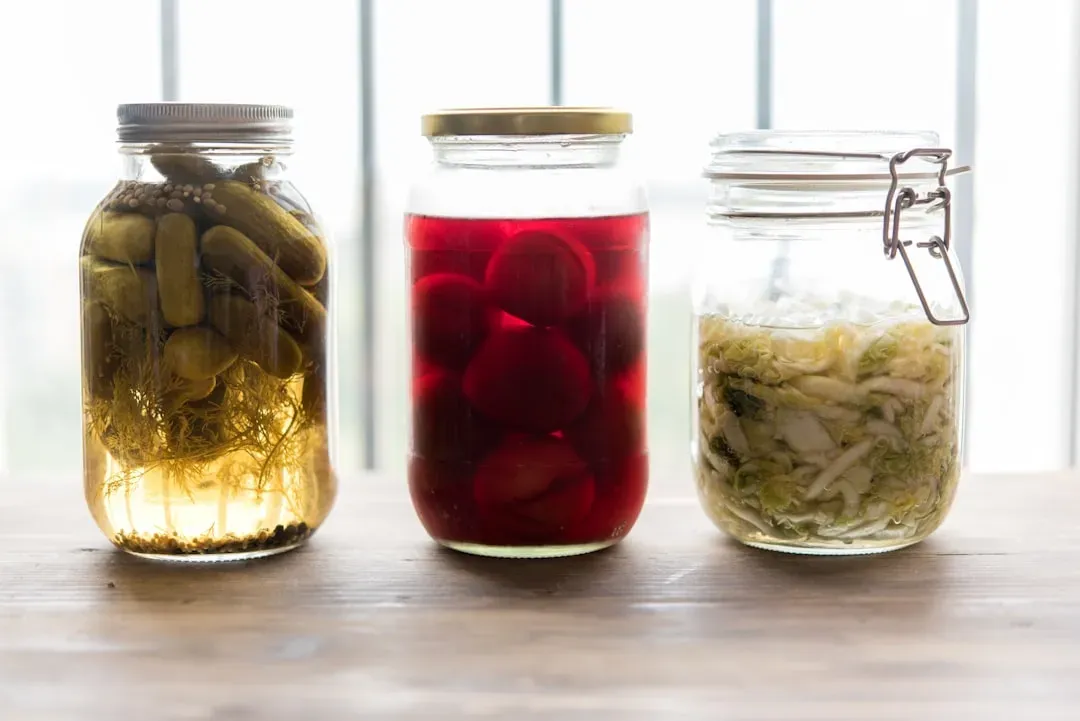
Lactic acid bacteria are Gram-positive, non-spore-forming, non-pathogenic bacteria that metabolize carbohydrates to produce lactic acid during fermentation. What this means in practical terms is that friendly bacteria eat the sugars in your vegetables and produce acid that preserves them while creating complex flavors and beneficial probiotics.
Sauerkraut is produced from shredded cabbage and two point three to three percent salt, which undergoes spontaneous fermentation generally involving Leuconostoc species, Lactobacillus species and Pediococcus species, and the low pH of the final product results in preserved cabbage. The salt concentration matters because it creates conditions favorable for good bacteria while inhibiting the bad ones.
Lactic acid bacteria reduce the risk of foodborne illnesses and spoilage through metabolites including bacteriocins they produce, and they can significantly alter the organoleptic and nutritional quality of foods while extending shelf life. Fermented foods like kimchi, sauerkraut and fermented pickles offer more than just preservation. They deliver living cultures that may benefit your digestive system.
Root Cellaring: Using Earth’s Natural Refrigeration
To work properly, a root cellar must hold a temperature of thirty-two to forty degrees Fahrenheit and a humidity level of eighty-five to ninety-five percent. The underground environment provides these conditions naturally in many climates, using the earth itself as insulation.
Cool temperatures slow the release of ethylene gas from crops and stop microorganism growth, slowing ripening and decomposition, while high humidity prevents moisture loss through evaporation and the withering look that goes with it. It’s honestly ingenious when you think about it – no electricity required, just smart use of physics and biology.
Produce can be grouped according to storage requirements into cold and very moist, cold and moist, cool and dry, and warm and dry, with most vegetables needing cold and very moist conditions because of thin skin or leaves. Potatoes, carrots, beets, turnips, parsnips and winter squash all store beautifully in properly maintained root cellars for months. You just need to check them periodically and remove any that start to spoil before they affect their neighbors.
Modified Atmosphere Storage: Controlling the Air Itself
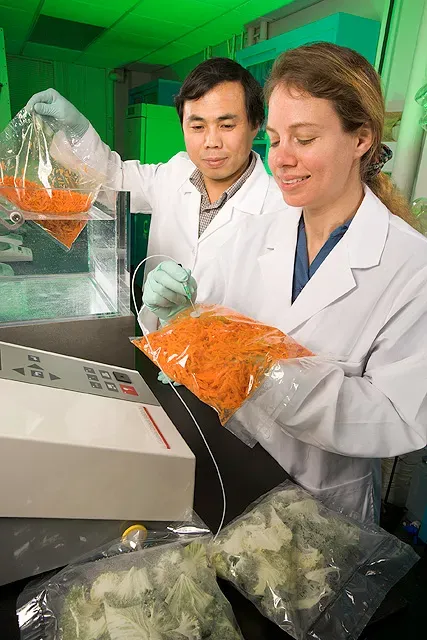
Modified atmosphere packaging reduces oxygen and increases carbon dioxide around stored produce, maintaining product quality and extending shelf life. Commercial operations use sophisticated equipment for this, maintaining precise gas mixtures that dramatically slow respiration and aging in stored fruits and vegetables.
Carbon dioxide concentration is a critical indicator in modified atmosphere packaging where controlled gas mixtures slow microbial growth, and an increase in carbon dioxide levels suggests microbial metabolism, signaling potential contamination and food degradation. For home gardeners, vacuum sealing approximates some of these benefits by removing oxygen.
Oxygen drives many of the chemical reactions that cause food to deteriorate, from browning to rancidity to providing the atmosphere that spoilage organisms need. Taking it out of the equation preserves color, texture and nutritional value far longer than regular storage. The technology has come down in price enough that home vacuum sealers are now quite affordable and definitely worth the investment if you preserve a lot of food.
Proper Refrigeration: The Workhorse Method
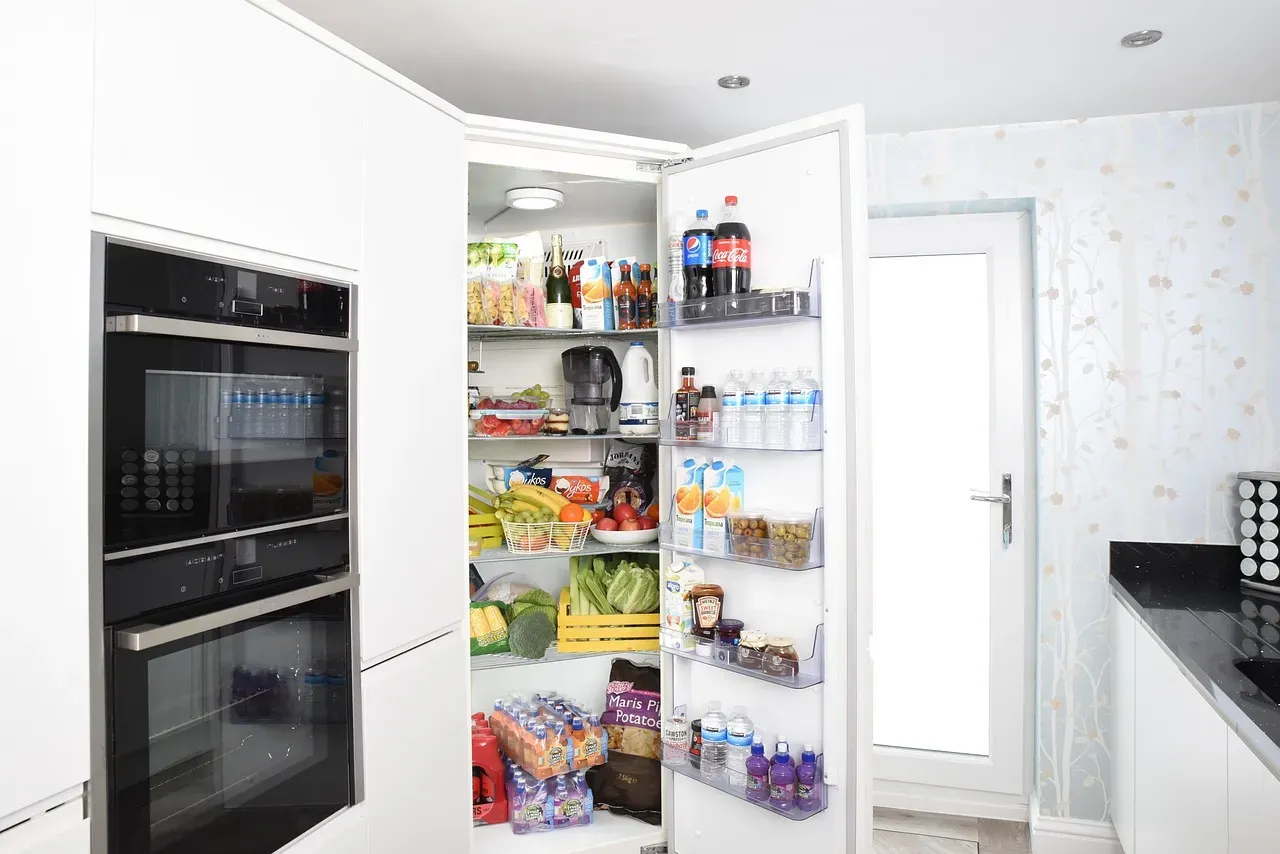
Refrigerators serve a crucial role in slowing down microbial spoilage and prolonging the shelf life of numerous food products. It might seem too obvious to mention, but correct refrigeration technique actually requires more thought than just tossing everything in the vegetable drawer.
The temperature in the refrigerator should be set at forty degrees Fahrenheit or below, and maintaining this consistently matters more than many people realize. Every time the temperature creeps up, bacterial growth accelerates. Different areas of your refrigerator have different temperatures too – the back tends to be coldest, the door warmest.
Strategic placement makes a difference. Hardy vegetables can tolerate slightly warmer spots, while delicate greens need the coldest zones. Some vegetables like tomatoes and winter squash actually do worse in refrigeration because the cold damages their cell structure. Understanding these nuances transforms basic refrigeration from simple cooling into an effective preservation strategy.
Vacuum Packing and Airtight Storage: Sealing Out Decay
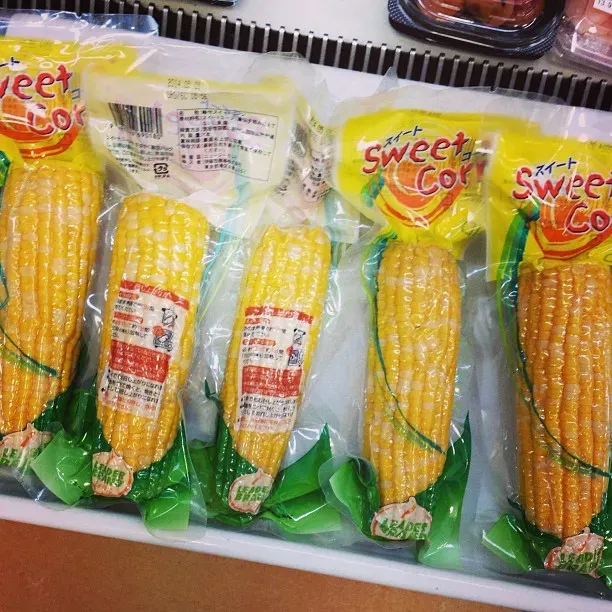
Proper packaging helps maintain quality and prevent freezer burn, whether you’re freezing, refrigerating or dry storing. Packaging has direct influence on nutrient retention by protecting food from oxygen, moisture, light and temperature fluctuations, and poor packaging can lead to freezer burn, dehydration and oxidation, all of which reduce nutritional and sensory quality.
Vacuum packing takes airtight storage to the next level by actively removing air rather than just sealing it out. This matters because even small amounts of trapped air contain enough oxygen to cause deterioration over time. The reduction in oxygen also inhibits the growth of many spoilage organisms that require it to reproduce.
Vacuum packaging removes more air from packages than could be pressed out and seals the air out, making it particularly valuable for dried goods, frozen items and anything you plan to store long-term. The upfront investment in a vacuum sealer pays dividends in reduced food waste and maintained quality. You’ll be amazed at the difference when you compare vacuum-sealed frozen vegetables to ones stored in regular freezer bags.
Conclusion: Your Year-Round Harvest Awaits
Preserving your garden harvest isn’t just about saving money or reducing trips to the grocery store, though it certainly accomplishes both. It’s about maintaining your connection to the growing season year-round, about self-sufficiency and the satisfaction of opening a jar of tomato sauce in January that you canned yourself from summer’s bounty.
Each preservation method offers distinct advantages, and the best approach often involves combining several techniques. Freeze your berries, can your tomatoes, ferment your cabbage, store your root vegetables in a cool basement corner. The methods you choose will depend on what you grow, the storage space you have available and honestly, what you enjoy doing.
The science behind these techniques has been refined over generations, with modern research validating and improving ancient practices. Whether you’re working with a pressure canner following USDA guidelines or packing carrots in sand in a basement corner, you’re participating in food preservation traditions that have sustained humans for millennia. Which method will you try first? What surprised you most about the science of preservation?