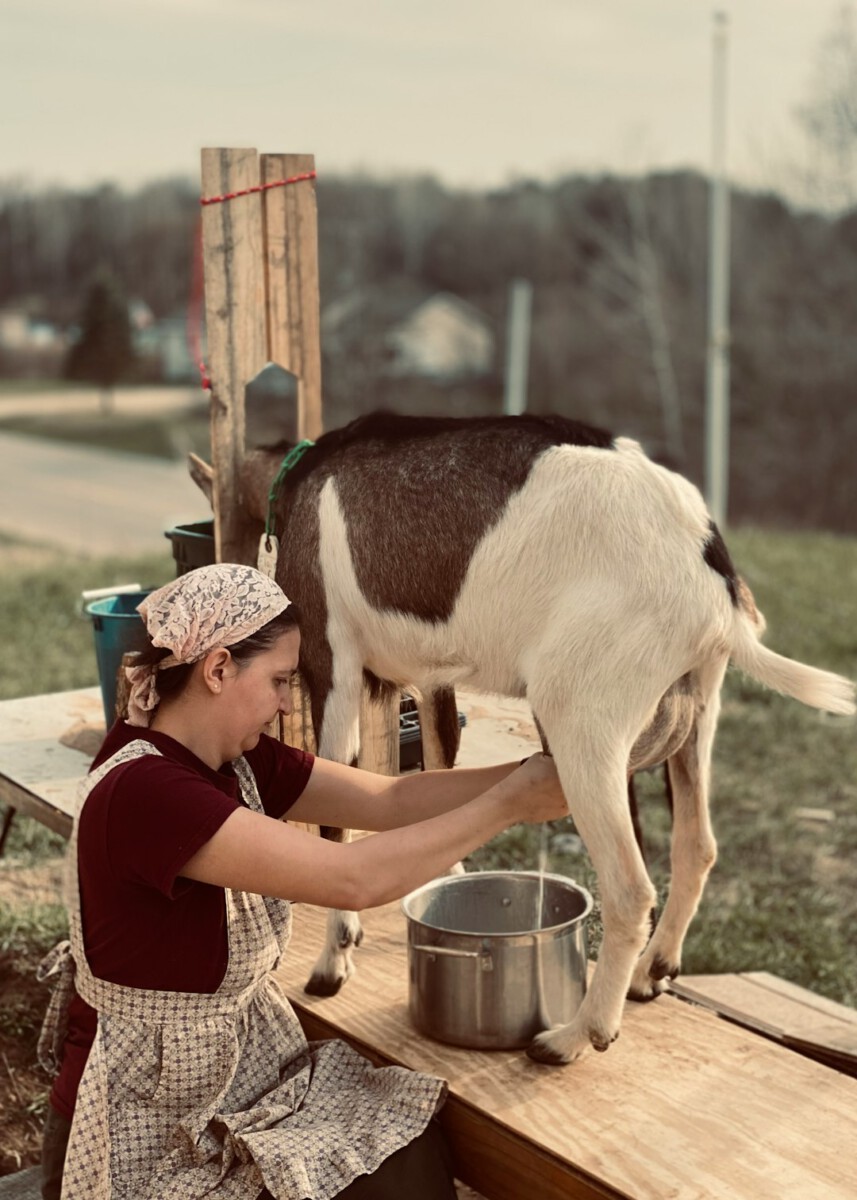
Job Losses Ignite a Rural Gamble (Image Credits: Unsplash)
Sharon Springs, New York – In the depths of the 2008 recession, two New York City professionals faced foreclosure on their newly acquired farm. With no business experience and a sudden herd of goats thrust upon them, Josh Kilmer-Purcell and Dr. Brent Ridge turned to a simple Google search that sparked an unlikely skincare revolution. Today, their company Beekman 1802 stands as a $60 million powerhouse, having sold over 60 million bars of goat milk soap.[1][2]
Job Losses Ignite a Rural Gamble
Eight years before drawing their first paychecks, Kilmer-Purcell and Ridge purchased the historic Beekman 1802 Farm in 2007. The 60-acre property, featuring a mansion built in 1802, served initially as a weekend escape from city life. However, the financial crisis struck hard when both men lost their jobs within a month of each other.[2]
Foreclosure loomed as they scrambled to make the farm viable. A neighboring farmer, known as Farmer John, needed a new home for his herd of around 80 to 130 dairy goats. In exchange for housing the animals, Ridge and Kilmer-Purcell received goat milk, setting the stage for their pivot into production.[2]
One Search Changes Everything
Faced with excess goat milk and zero ideas, the founders typed “what to make with goat milk” into Google. Goat milk soap topped the results. They learned the craft from neighbors and began producing bars right on their dining room table.[1]
Sales started small at local farmers’ markets. The duo hustled relentlessly, chasing every potential customer. Goat milk’s natural properties for sensitive skin quickly won over buyers, laying the foundation for Beekman 1802’s signature product line.[2] What began as a survival tactic evolved into a full skincare brand emphasizing clean, farm-fresh ingredients.
The 51 Percent Rule Fuels Partnership Harmony
In any co-founder dynamic, disagreements arise. Kilmer-Purcell and Ridge, life partners as well as business ones, devised the 51 Percent Rule to navigate decisions. The principle holds that whoever feels most passionate about an outcome claims 51 percent of the vote, overriding expertise or title.[1]
This approach ensured passion drove choices rather than egos. It proved vital during lean times, allowing swift resolutions without stalemates. The rule underscores a broader philosophy: success stems from conviction more than credentials.
- Passion trumps skill in tiebreakers.
- Prevents power struggles in equal partnerships.
- Encourages delegation based on emotional investment.
- Adaptable for couples or teams.
Eight Years of Bootstrapping Grit
Growth demanded sacrifice. For eight straight years, the founders took no salaries, funneling every revenue dollar back into the business. They minimized external investment, prioritizing control and organic expansion.[1]
“Our secret to success was desperation,” Kilmer-Purcell reflected. “If you’re not hungry enough, no matter who you are, you’re not going to make it.”[1] Neighbors taught farming basics while the duo shared digital marketing savvy, launching a website and the Kindness Shop to sell local artisan goods. Seasonal festivals drew thousands, boosting visibility.
By 2012, national exposure came via CBS’s The Amazing Race, where they claimed the grand prize after a 45,000-mile global contest viewed by over 10 million. The brand expanded into cheese, cookbooks, memoirs, and a tourism hub, all rooted in community support.[2]
Kindness and Community as Core Pillars
Beekman 1802 transcends soap; it embodies goat milk paired with kindness. The farm’s ethos spread globally, fostering a “neighborly” network of customers and partners. Products now fill shelves at major retailers, yet the brand remains tied to its Sharon Springs origins.
Over 60 million soap bars sold mark their endurance. The company’s nine-figure trajectory inspires entrepreneurs, proving resilience and unconventional rules can forge empires from adversity.[1]
The Beekman 1802 story reveals that true breakthroughs often arise from necessity and bold principles like the 51 Percent Rule. It challenges founders to harness desperation and passion over polished plans. What startup lesson resonates most with you? Share in the comments.
Key Takeaways
- Bootstrapping with reinvested earnings builds lasting control and resilience.
- The 51 Percent Rule prioritizes passion to resolve co-founder disputes effectively.
- Community and local roots amplify a brand’s authenticity and growth.