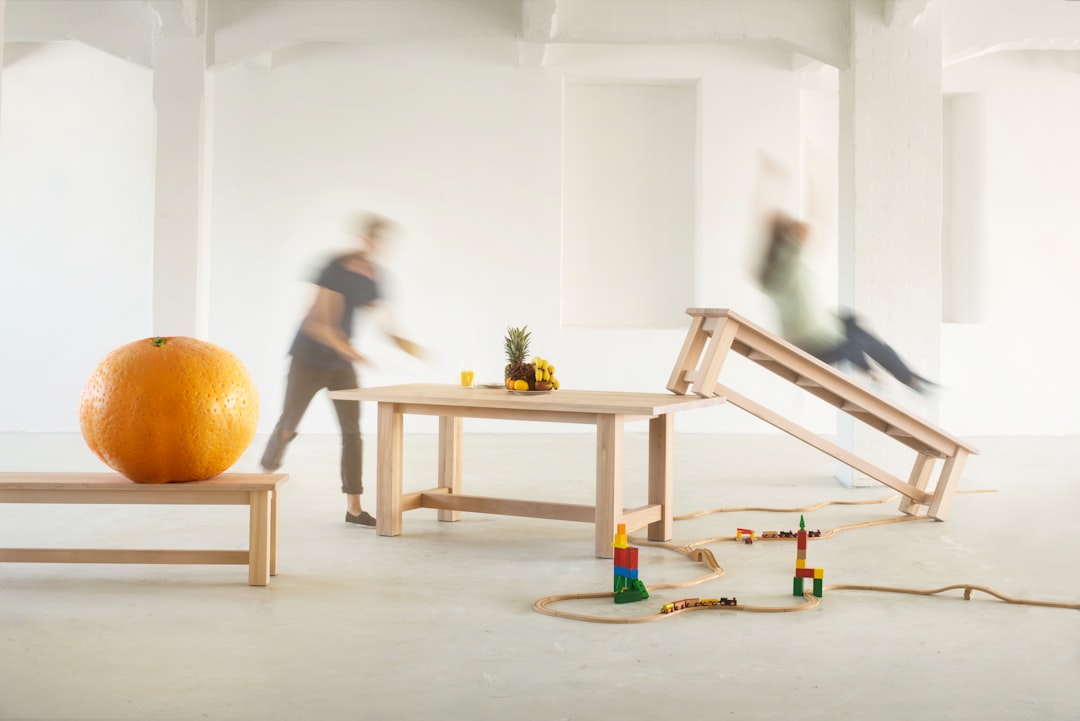
A Common Oversight That Derails Room Design (Image Credits: Unsplash)
Accurate furniture sizing ensures harmony in living spaces, preventing awkward overcrowding or empty gaps.
A Common Oversight That Derails Room Design
Homeowners often rush into purchases without verifying dimensions, leading to returns or mismatched aesthetics. Precise measurements align pieces with doorways, walls, and traffic flow. This step transforms potential frustration into satisfaction. Rooms gain balance when every chair and table complements the architecture.
Professionals in interior design stress scale as foundational. Oversized sofas dominate small areas, while undersized ones leave voids. Early verification saves time and expense. Spaces evolve naturally from well-measured foundations.
Tools for Reliable Results
Start with basic implements to capture exact figures. A flexible tape measure handles curves better than rigid rulers. Notebooks or digital apps record data without errors. Laser measures offer speed for larger items.
Clear the area around the furniture for unobstructed access. Mark floors with painter’s tape to outline placements. These preparations yield consistent outcomes. Reliability stems from preparation as much as technique.
Mastering the Core Measuring Sequence
Begin with the room itself to set boundaries. Width spans wall to wall, depth front to back, and height ceiling to floor. Account for vents, outlets, and radiators in pathways. This blueprint guides all selections.
Next, tackle the furniture in these six critical spots:
- Overall width: Extend tape across the widest point, typically armrest to armrest on sofas.
- Depth: Run tape from front edge to rear, including any overhangs.
- Height: Measure from floor to highest point, like backrest tops.
- Seat height: Gauge from floor to cushion surface for comfort checks.
- Diagonal depth: Assess from back corner to front edge for angle fits.
- Armrest height and width: Note these for side table pairings.
Repeat each twice for confirmation. Variations signal uneven legs or cushions.
Navigating Doorways and Tight Spaces
Staircases demand diagonal assessments from floor to top corner. Door frames require height and width checks, plus turning radius simulations. Dismantled pieces alter profiles, so consult assembly guides. Elevators pose similar constraints in apartments.
Visualize paths with string lines or helpers. Trial runs with cardboard cutouts mimic real moves. These tactics reveal hidden challenges early. Smooth transitions preserve furniture integrity.
Pitfalls That Trip Up Even Seasoned Buyers
Neglecting clearance for drawers or recliners creates access issues. Fabric sags alter true depths over time. Lighting distorts perceptions, so measure in natural light. Assumptions about “standard” sizes mislead frequently.
Custom orders amplify precision needs. Retail displays skew scale in vast showrooms. Cross-check vendor specs against personal notes. Vigilance averts regrets.
Key Takeaways
- Measure rooms first, then furniture, for contextual fit.
- Use six core dimensions to capture full profiles.
- Account for movement paths to ease installations.
Precision in measurements crafts inviting, functional homes that endure. Take a tape measure to your next project – what surprises might it uncover? Share your experiences in the comments.