

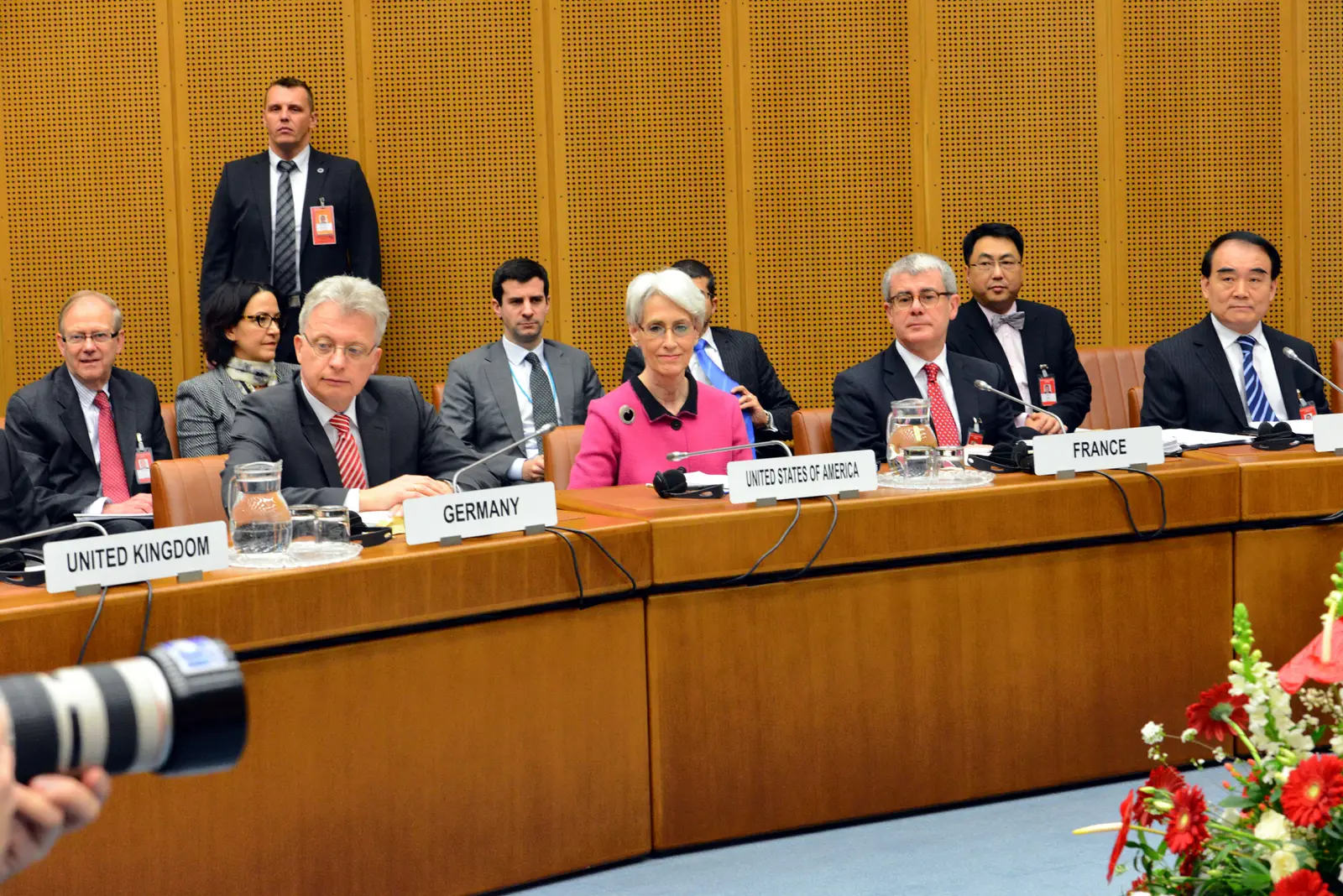
Strikes Shatter Early Momentum (Image Credits: Upload.wikimedia.org)
Geneva – U.S. and Iranian negotiators wrapped up several hours of indirect discussions Thursday, marking the third round of efforts to resolve longstanding tensions over Tehran’s nuclear program.
Strikes Shatter Early Momentum
Negotiations began last year with cautious optimism. President Donald Trump initiated contact in March 2025 by sending a letter to Iran’s Supreme Leader Ali Khamenei, proposing a comprehensive deal that included dismantling the nuclear program in exchange for sanctions relief.[1]
Multiple rounds followed in Oman and Italy through May. Progress stalled, however, when Israel struck Iranian targets in June, prompting U.S. airstrikes on key nuclear facilities at Fordow, Natanz, and Isfahan.[2][1]
Talks suspended amid the conflict. Resumption came this month after months of deadlock, with the second round in Oman laying groundwork for Geneva.[3]
Top Envoys Face Off on Core Issues
Steve Witkoff, Trump’s special Mideast envoy and a real estate billionaire, led the U.S. delegation alongside Jared Kushner. Iran’s Foreign Minister Abbas Araghchi represented Tehran.[4][2]
Oman’s Foreign Minister Badr al-Busaidi mediated, shuttling proposals between sides. The U.S. demanded a complete halt to uranium enrichment, curbs on ballistic missiles, and an end to support for groups like Hezbollah and Hamas.[5]
Iran focused solely on nuclear matters. Officials insisted on their right to peaceful enrichment and sought sanctions relief in return.[3]
- Zero uranium enrichment under any agreement.
- Roll back long-range missile development.
- Cease backing regional proxies.
- Allow robust IAEA inspections.
- Transfer stockpiles to a third country.
Military Buildup Adds Urgency
America massed forces across the Middle East, deploying aircraft carriers and warships in a show rarely seen. Satellite images captured vessels leaving Bahrain, echoing pre-strike positioning last summer.[2]
Trump heightened pressure during his State of the Union address. He accused Iran of restarting its nuclear efforts and developing U.S.-reaching missiles, despite prior strikes.[3]
Vice President JD Vance stressed a simple principle: Iran cannot possess nuclear weapons. Secretary of State Marco Rubio noted Tehran’s persistent attempts to rebuild.[3]
Iran warned of devastating retaliation. Araghchi described any U.S. strike as igniting regional chaos.[2]
Optimism Tempered by Challenges
The session lasted over three hours before adjourning. Al-Busaidi reported significant progress and creative ideas exchanged.[4][2]
Iran presented a draft proposal to reduce stockpiles under IAEA watch, without permanent enrichment abandonment. Technical experts head to Vienna next week.[4]
Oil prices climbed amid fears. Yet experts like Ali Vaez of the International Crisis Group saw the U.S. return after Iran’s offer as a positive signal.[2]
Key Takeaways
- Third round concludes with mediator hailing “significant progress.”
- Oman bridges gaps; Vienna technical talks follow.
- War looms without deal, but diplomacy persists.
These talks represent a fragile path between confrontation and compromise. A breakthrough could reshape Middle East security; failure risks wider conflict. What do you think lies ahead? Tell us in the comments.