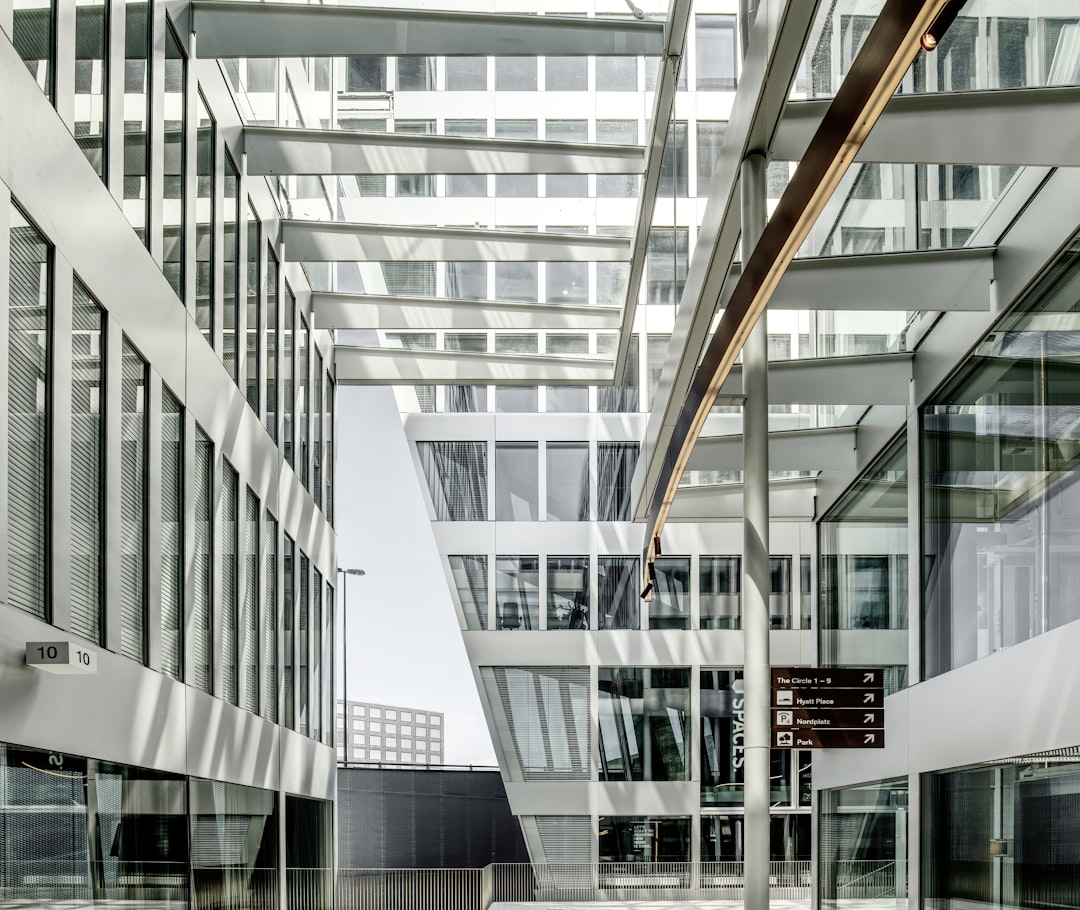


A Nod to Architectural Heritage (Image Credits: Unsplash)
Detroit – General Motors marked a significant milestone with the opening of its new global headquarters in the heart of the city, blending historic design influences with contemporary functionality.
A Nod to Architectural Heritage
The new headquarters draws inspiration from the iconic GM Technical Center in Warren, Michigan, a site completed in 1956 under the vision of architect Eero Saarinen. This complex, now a National Historic Landmark, introduced modernist principles to corporate America, emphasizing natural materials, abundant light, and integrated art. GM’s design team sought to echo these elements in the fresh space, creating a bridge between the company’s storied past and its forward-looking ambitions. The result is a headquarters that feels both timeless and innovative, reflecting the automaker’s evolution amid industry shifts like electrification and global competition.
Crystal Windham, executive director of global industrial design at GM, highlighted how the Technical Center’s legacy shaped the project. “Because of the history and the respect for that, there are all types of interpretations here,” she said. Collaborating with the Gensler architecture firm, the team incorporated subtle recreations, such as steel picture frames reminiscent of Saarinen’s originals. These touches extend to furniture and wall treatments, ensuring the space resonates with GM’s design DNA while adapting to modern needs.
Design Elements That Tell a Story
Inside the 200,000-square-foot headquarters spanning four floors of the 12-story Hudson’s Detroit tower, visitors encounter a rich tapestry of mid-century modern features. Fluted wood panels line walls, geometric lighting fixtures overhead add elegance, and minimalist seating promotes collaboration. Sweeping views of downtown Detroit frame these spaces, underscoring the company’s commitment to its hometown. Artifacts from GM’s archives, including scale models of classic and current vehicles, pepper the interiors, turning the office into a living museum of automotive history.
One standout area features wallpaper in the atrium displaying historic patent drawings from GM’s vast collection of over 49,000 applications. Executive offices display framed patents, such as a mechanical heart in CEO Mary Barra’s suite and the first automatic gearshift in President Mark Reuss’s. Custom elements like throw pillows crafted from 1956 Cadillac fabrics and chrome lights evoking muscle car tailpipes infuse personality. A hallway showcases abstracted soundwaves from GM vehicle signatures, while a vestibule near the executive restrooms boasts wallpaper of cassette tapes representing songs mentioning GM cars, from “Little Red Corvette” to Chevy truck anthems.
- Fluted wood and stone accents for a natural, tactile feel.
- Geometric lighting and curved forms inspired by Saarinen’s designs.
- Integrated art and artifacts, including patent wallpapers and car models.
- Automotive materials repurposed into furnishings and decor.
- Soundwave art and music-themed wallpapers for cultural depth.
Functional Spaces for a Changing Industry
The headquarters serves as a hub for executives and teams in finance, legal, marketing, and communications, with open workstations and hoteling options for flexibility. Unlike the sprawling Renaissance Center, which GM occupied for decades, this compact site accommodates hundreds rather than thousands, fostering a more agile environment. Shared areas include lounge-like waiting spaces that double as informal meeting spots, while the executive boardroom centers on a massive marble table fabricated in-house – free of visible tech ports to maintain a clean, timeless aesthetic.
David Massaron, GM’s vice president of infrastructure and corporate citizenship, emphasized the cultural role of the space. “It’s culture setting,” he said. “I think this space really does a great job of being a beacon of who we want to be.” Furniture from brands like Halcon and an Eames lounge chair blend heritage with practicality. Rebecca Waldmeir, design manager of architecture and experience, noted the intent to “sing the same message” as Saarinen’s original vision, ensuring harmony across the layout.
Detroit’s Urban Renaissance
Situated in the $1.4 billion Hudson’s Detroit development by Bedrock, the headquarters anchors a mixed-use project that includes a 49-story hotel and condo tower – Detroit’s first major skyscraper in over 30 years. This central location places GM amid the city’s revitalization, moving away from the aging Renaissance Center toward vibrant urban energy. The shift signals confidence in Detroit’s resurgence and GM’s role in it.
Massaron added that the placement reinforces leadership. “Being in the middle of the city, being part of that vibrancy is really leaning into the dynamic change that the industry is going through.” As GM vacates its former site, discussions with Bedrock continue on its future, but the focus remains on innovation from this new base.
Key Takeaways
- The headquarters honors Eero Saarinen’s 1956 Technical Center through mid-century modern elements like wood treatments and geometric designs.
- Archives come alive with patents, car models, and custom art tying into GM’s automotive and cultural history.
- A smaller, flexible space in downtown Detroit positions GM for collaboration and industry leadership.
GM’s new headquarters stands as a testament to enduring legacy amid transformation, inviting the company – and the city – to drive toward an optimistic future. What aspects of this design evolution intrigue you most? Share your thoughts in the comments.