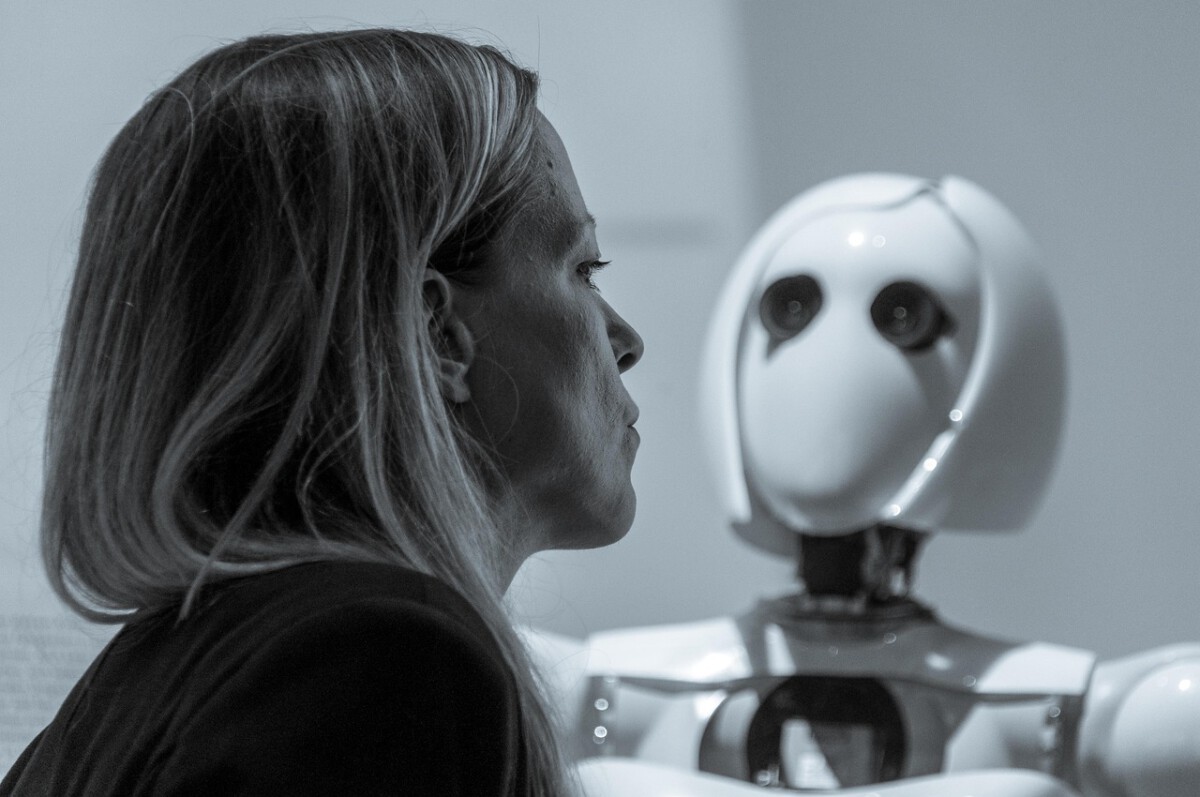
Unexpected Greeting Leaves Callers Confused (Image Credits: Pixabay)
Rental car leader Hertz recently introduced a named voice to its phone support system, blurring lines between machine and human interaction.[1]
Unexpected Greeting Leaves Callers Confused
Customers dialing Hertz for help with reservations encountered a surprise this week. After navigating a phone menu without an option to describe their issue freely, callers landed on hold for the next agent. Then came the voice: “Hi, this is Hailey. How can I help you today?”[1]
That introduction marked Hertz’s latest push into automated support. The system aimed to handle inquiries about existing bookings, but the human-like tone set false expectations. Frustrated users, including tech writer Jason Aten, highlighted how this setup prolonged waits and complicated resolutions for app glitches or booking errors. Large operators like Hertz faced backlash for deploying such tech amid ongoing service complaints.
Risks of Giving Robots Human Traits
Anthropomorphizing AI invites trouble, experts argue, as it deceives customers into anticipating personal service. Hertz’s choice to name the bot Hailey and use a warm, conversational script amplified this issue. Instead of transparency about automation, the approach mimicked a live agent, only to deliver scripted responses.
Critics pointed out that complex problems demand human flexibility, which robots lack. Past Hertz incidents, from viral rental disputes to app failures, underscored the need for real agents during peak frustrations. Smaller firms might justify basic automation due to limited staff, but giants like Hertz possess resources for better options. This tactic eroded trust at a time when genuine connections matter most.
AI Automation’s Mixed Track Record
Companies across industries raced to automate support, yet results varied widely. Firms like UPS and FedEx tested chatbots that stranded users in loops, prompting demands for human transfers. Hertz’s robot fit this pattern, prioritizing cost savings over satisfaction.
While simple queries benefited from bots, nuanced cases faltered. Customers valued eras when agents collaborated on fixes without menus dictating terms. Hertz’s rollout ignored these lessons, fueling debates on ethical AI design. Transparency – labeling systems as automated – emerged as a recurring recommendation.
What Businesses Can Learn
Rental firms and others weighed the fallout from Hertz’s move. Clear labeling of AI tools built credibility, while hidden automation bred resentment. Investing in hybrid models, blending bots for basics and humans for escalations, offered a balanced path.
- Disclose robotic interactions upfront to manage expectations.
- Provide easy escapes to live agents for tricky issues.
- Test systems rigorously before wide deployment.
- Prioritize user feedback in AI refinements.
Key Takeaways
- Anthropomorphized AI risks customer deception and frustration.
- Big companies must balance efficiency with empathy.
- Transparent automation fosters long-term loyalty.
Hertz’s Hailey experiment serves as a cautionary note: in customer service, authenticity trumps illusion. As AI evolves, firms succeeding will those honoring human needs amid tech advances. What do you think about named robots in support lines? Share in the comments.