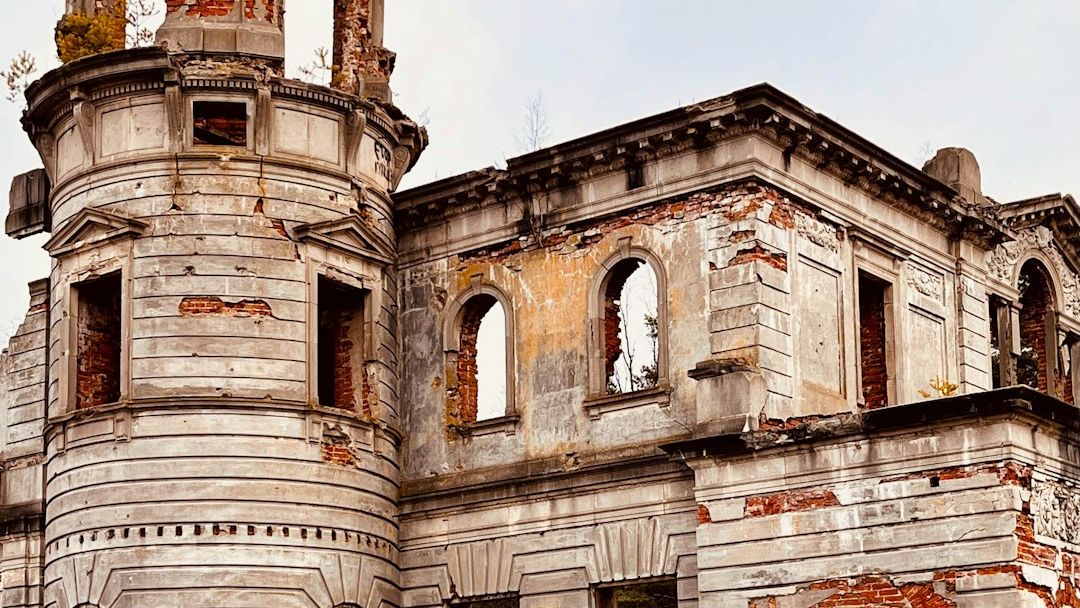

There is something quietly heartbreaking about watching a piece of history crumble, get bulldozed, or simply drift into ruin while everyone looks the other way. America is a country that prides itself on its story, yet the very places that tell that story are vanishing faster than most people realize. From centuries-old farmsteads in Illinois to hurricane-battered fishing villages on Florida’s Gulf Coast, the losses are stacking up.
What is driving this? The answer is not one simple thing. It is a tangle of neglect, climate change, urban money, funding gaps, and a preservation system that is frankly stretched too thin. The scale of the problem might surprise you. Let’s dive in.
The Scale of the Problem: Thousands of Historic Places at Risk
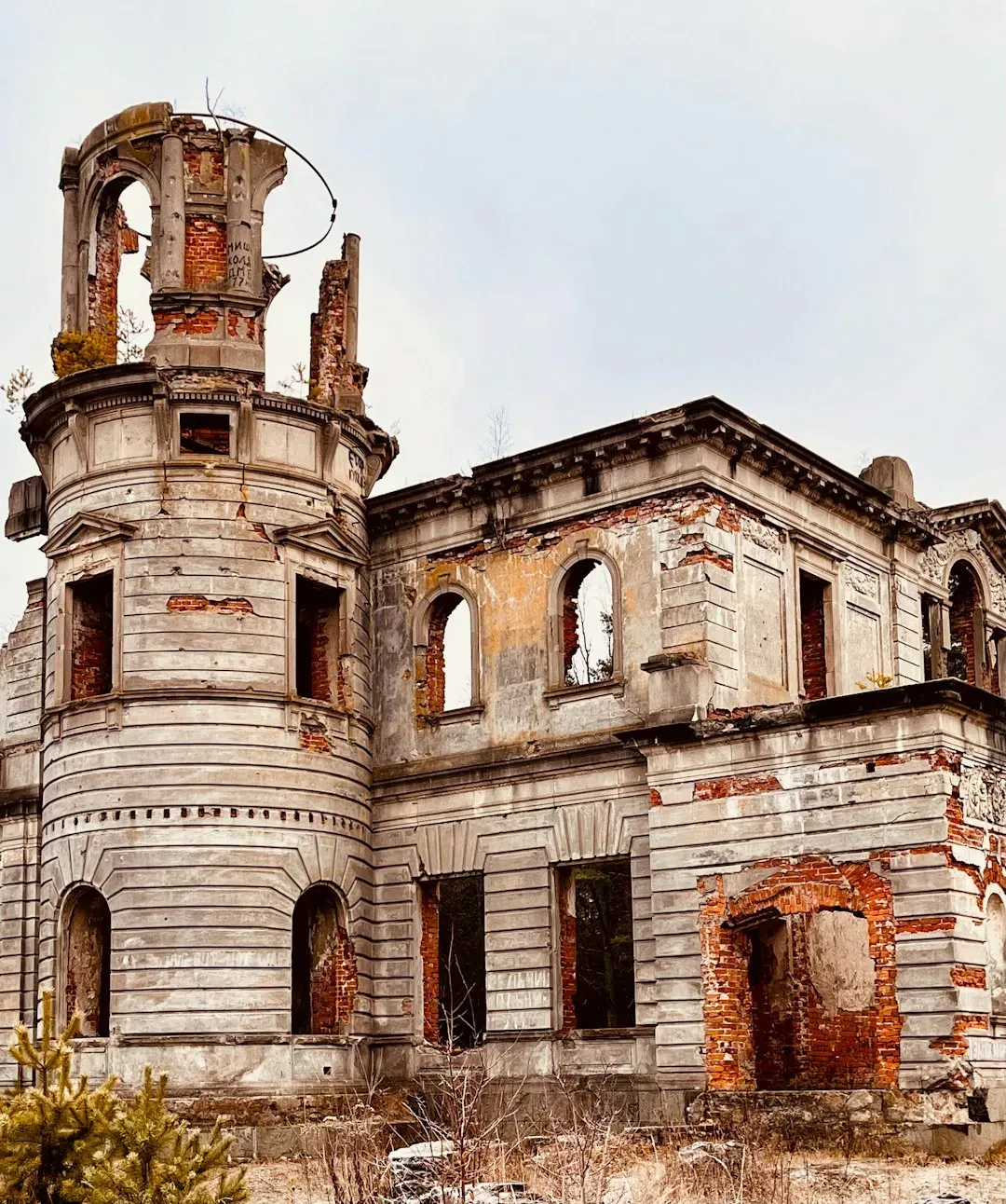
The United States has a massive cultural footprint on paper. Since first debuting in 1988, the “11 Most Endangered Historic Places” list has proven to be a highly effective tool for shining a light on the threats facing the nation’s greatest treasures. That list, published annually by the National Trust for Historic Preservation, is just the tip of a very large iceberg.
Now in its 37th year, the National Trust’s annual list continues to be a powerful, galvanizing tool for historic preservation, with over 350 sites listed and only a handful lost. That sounds encouraging, until you realize the list only highlights 11 places a year. The buildings quietly disappearing without any spotlight number in the thousands.
Across the United States, compelling, meaningful historic sites are at risk, whether from natural disasters, underutilization, neglect, or lack of awareness, according to the National Trust. The diversity of threats is staggering. Honestly, it is hard to think of a single corner of the country that is not affected in some way.
A Maintenance Backlog That Has Become a Crisis
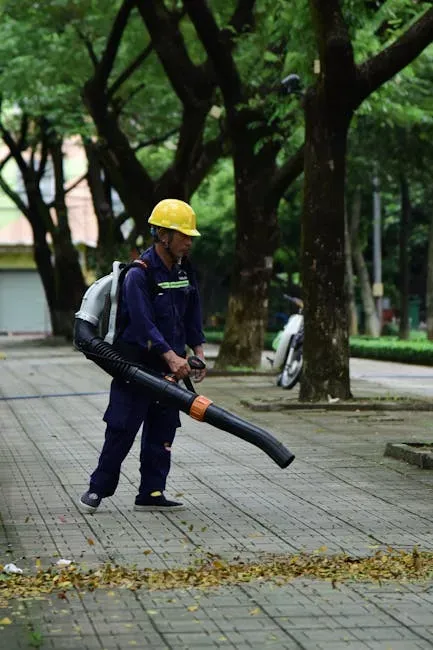
The National Park Service has a multibillion-dollar backlog of deferred maintenance, estimated for FY2023 at $23.263 billion. That is not a typo. More than twenty three billion dollars in repairs just sitting there, accumulating while historic structures deteriorate further with every passing season.
During the past decade, from FY2014 to FY2023, NPS deferred maintenance grew by over $11.7 billion in nominal dollars. Think of it like ignoring a leak in your roof for ten years and then wondering why the ceiling collapsed. The math was always going to catch up eventually.
The National Park Service maintains a complex portfolio of more than 71,000 assets, including historic structures, roads, bridges, trails, campgrounds, and utility systems. Many of these include historic buildings such as churches, barns, smokehouses, and working grist mills, but many of them need rehabilitation to ensure they remain safe and welcoming destinations.
Climate Change: The Invisible Wrecking Ball
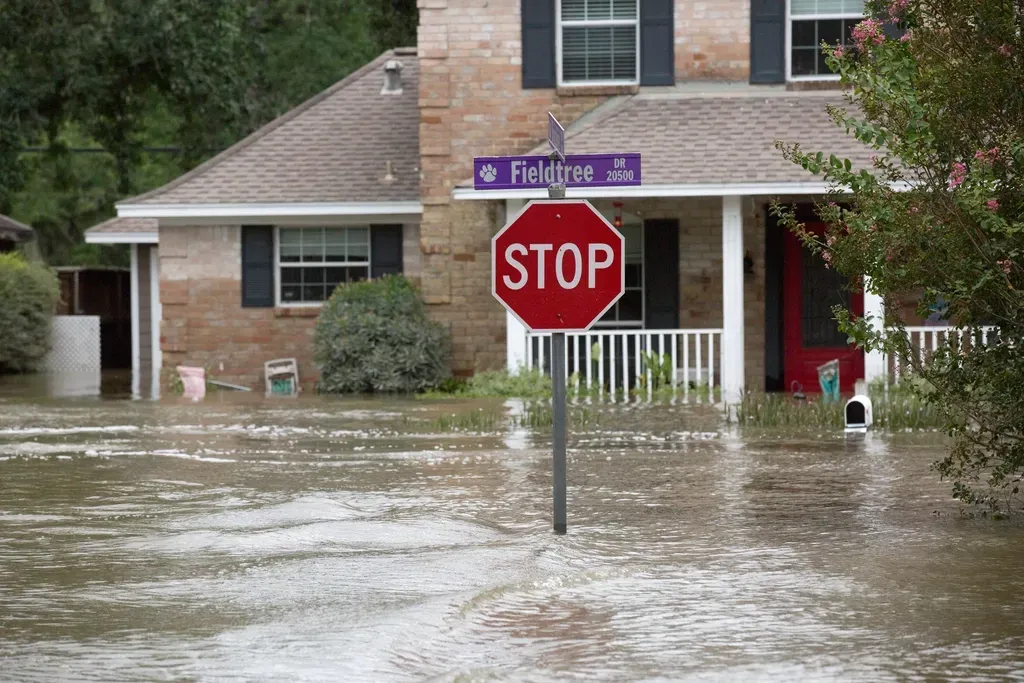
Here is the thing most people do not fully grasp yet: climate change is not some future threat to historic landmarks. It is happening right now, actively destroying places that took generations to build. The rate of loss is only accelerating.
Cedar Key, an archipelago of small islands off the west coast of Florida, is increasingly threatened by rising sea levels and severe storm events, including a record storm surge brought by Hurricane Helene in 2024. In addition to severe weather, Cedar Key is being affected by sea level rise, with data projections showing that the area will experience significantly increased flooding risks in coming decades, endangering shops, restaurants, and tourist areas along the downtown waterfront.
Previously, Asheville and Western North Carolina had been considered a “climate haven,” not susceptible to severe weather disasters. However, Tropical Storm Helene’s devastation underscored the area’s vulnerability. Many affected properties were not in flood zones and lacked insurance, compounding recovery challenges.
Hurricanes Are Rewriting History – Literally
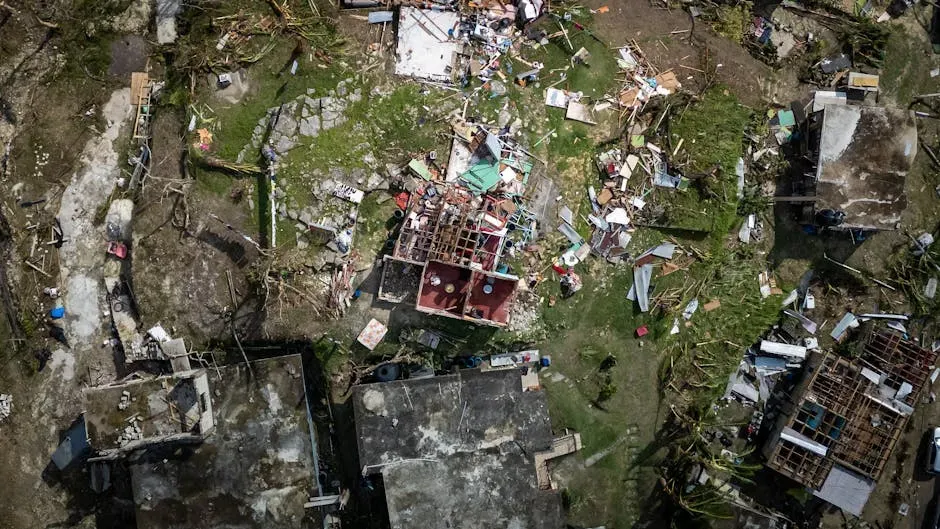
Storms have always reshaped landscapes, but the recent pattern of back-to-back hurricanes targeting the same communities is doing something different. It is erasing context. Once a historic building is gone, the story attached to it becomes harder to tell.
Tropical Storm Helene made landfall along the Florida Gulf Coast as a Category 4 hurricane on September 26, 2024. During the storm, the French Broad River crested at 24.67 feet and the Swannanoa River hit 27.33 feet, breaking a 100-year-old record. Historic structures and communities along the rivers suffered significant damage, including the River Arts District and Biltmore Village in Asheville.
In September 2024, Hurricane Helene brought a record storm surge to Cedar Key that washed historic wood frame homes into the Gulf, decimated the waterfront area, and damaged the post office and old city hall. These were not just old buildings. They were records. Physical evidence of how a community lived, worked, and endured. Once washed away, they are simply gone.
Urban Redevelopment: When Progress Erases the Past
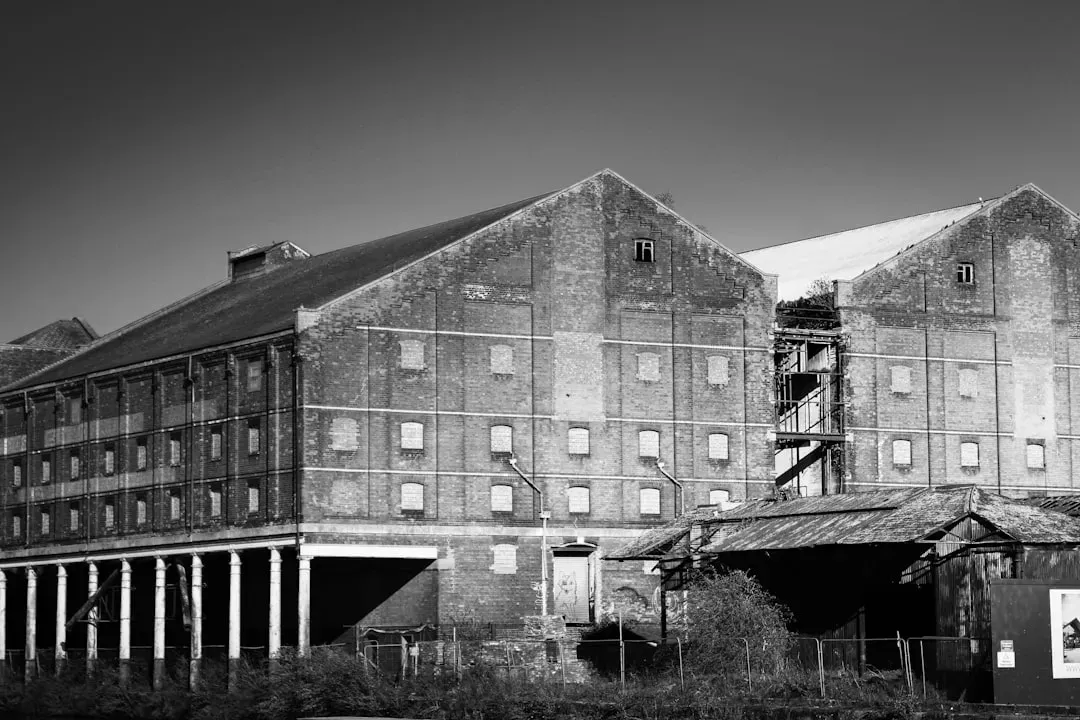
Let’s be real about one uncomfortable truth. In many cities, historic preservation loses when it goes up against real estate money. Development pressures are relentless, and historic structures are often seen as obstacles rather than assets.
Little Tokyo in Los Angeles has endured more than a century of adversities, including the forced incarceration of Japanese Americans during World War II, large-scale demolition for municipal building construction, and urban renewal, but the neighborhood has remained central to the Japanese American community. Since World War II, development extending from downtown LA has encroached on Little Tokyo. Now, gentrification and displacement of legacy businesses due to rising rents endanger the historic character that makes it unique, and beloved restaurants and businesses have already been forced to close or relocate.
Only two buildings remain on Tuna Street, once the vibrant main street of the Japanese American fishing village on Terminal Island, a community that was forcibly removed and incarcerated during World War II. The buildings are now owned by the Port of Los Angeles, which is considering demolition. The Japanese American community of descendants and survivors are advocating for protection and reuse of the buildings in a way that honors their ancestors and commemorates this dark chapter of American history.
Indigenous Heritage Structures Facing Erasure
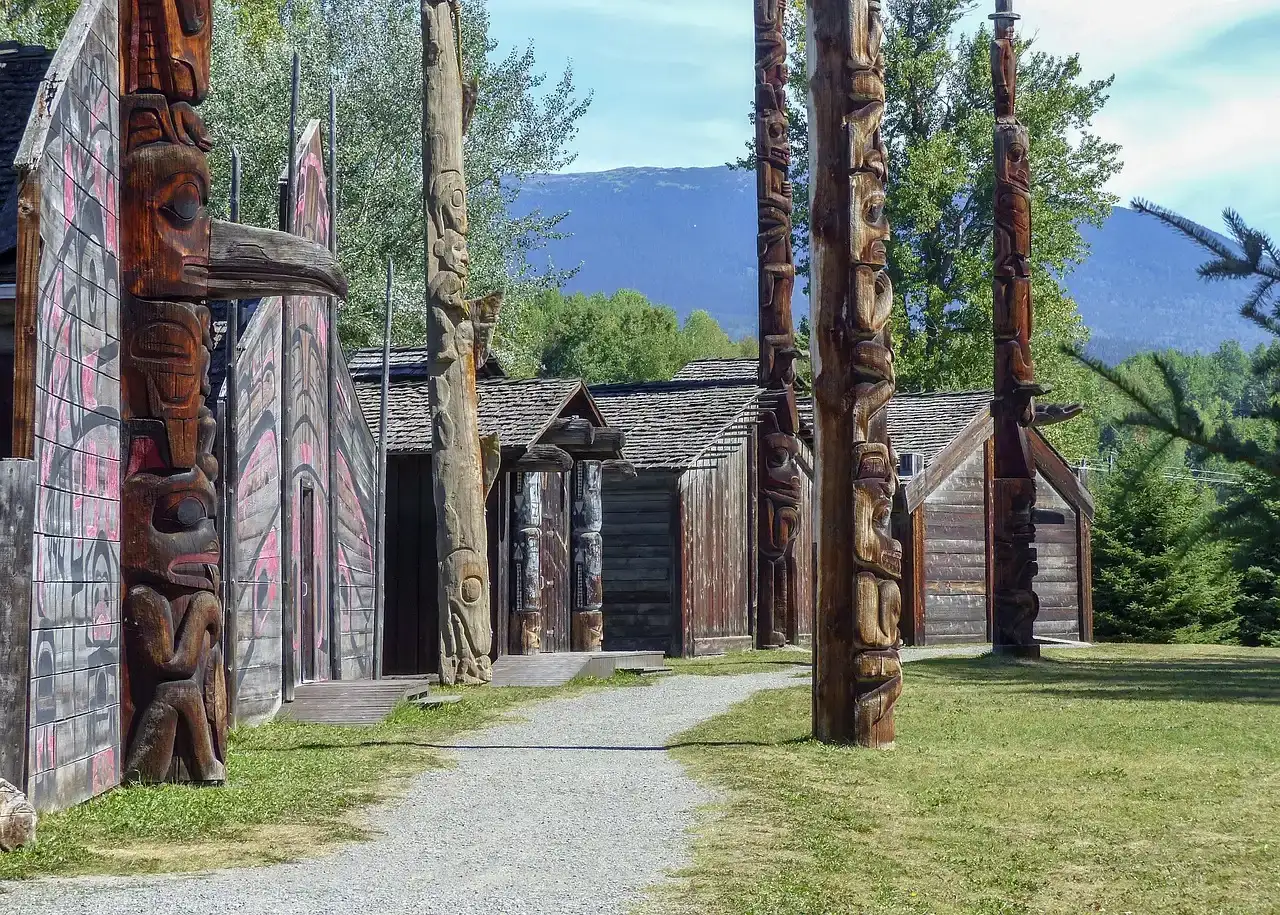
For Native American communities, the loss of historic structures is not just about architecture. It is about the survival of cultural identity itself. This is a dimension of the preservation crisis that rarely makes headlines but deserves far more attention.
The Sitka Tlingit Clan Houses in southeast Alaska are critically important to both the history and the future of the Tlingit people. For many years, the matrilineal clan structure of multigenerational extended families living together in clan houses was discouraged in favor of the Western practice of living with nuclear families. Today, only eight of the original 43 clan houses remain, and even fewer still function as clan houses in the traditional way.
Just steps from the roar of Niagara Falls, The Turtle, a striking, turtle-shaped cultural center built in 1981 by Arapaho architect Dennis Sun Rhodes, sits eerily silent. Once the largest Indigenous arts venue in the Eastern U.S., it has been closed since 1996 and is now unprotected, painted over and eyed for demolition. A coalition of more than 1,000 advocates, Indigenous and non-Indigenous alike, is fighting to bring it back to life as a celebration of Haudenosaunee heritage.
Black History Sites: Underfunded and Overlooked

African American historic sites occupy a uniquely painful position in this crisis. Not only have many of them been systematically undervalued for generations, but they are now disappearing at a pace that makes recovery increasingly difficult. It is a double injustice.
As one preservation leader put it, “African American historic places have been underfunded and undervalued for decades, and we have a bunch of catching up to do.” Black cultural assets are undervalued and underfunded. Since the inception of the National Trust’s African American Cultural Heritage Action Fund in 2017, preservation groups have submitted nearly 4,847 funding proposals requesting over $567 million in funding. The demand is enormous. The supply of money is not.
Buildings like the Ben Moore Hotel in Montgomery, Alabama, where the Montgomery Bus Boycott was planned, have been sitting in ruins for decades. The facilities are locked in back-and-forth battles among previous owners, cities, nonprofits, developers, and lackluster fundraising initiatives. A series of storms and hurricanes in Houston, for example, forced officials to demolish a home in the city’s Freedmen’s Town, an area built by emancipated people. The home was believed to have been connected to the Underground Railroad to Mexico.
Small Towns and Rural Landmarks: The Quiet Disappearances
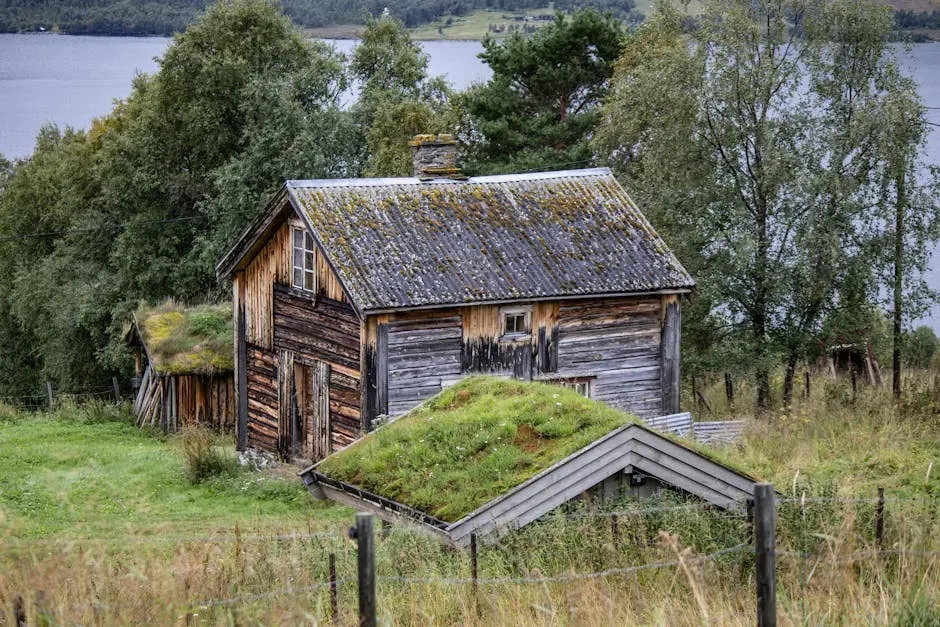
Big cities tend to dominate the conversation around preservation, but rural America is quietly losing its built heritage too. Small towns often lack the resources, the advocacy infrastructure, and frankly the population to fight back when a historic building faces demolition or decay.
Built in 1882, the Wellington Hotel in Pine Hill, New York, is a hulking wood-frame reminder of the golden age of mountain tourism. Today it is sagging under the weight of time, with a failing foundation and a repair bill estimated at $7 million. The hamlet of Pine Hill, population 339, cannot foot the bill alone. A grassroots group of 20 locals has stepped in with big plans to revive the space as a community hub, but they will need serious funding to pull it off.
Allen Chapel African Methodist Episcopal Church in Lincoln, Illinois, built by a congregation of formerly enslaved people and their descendants, is described as “an enduring, tangible reminder of local 19th-century African American history.” The building has been vacant since the church closed in 2012 and requires significant repairs after more than a decade of deterioration. Stories like this repeat themselves across hundreds of small towns, with nobody watching.
The Funding Gap That Preservation Cannot Outrun
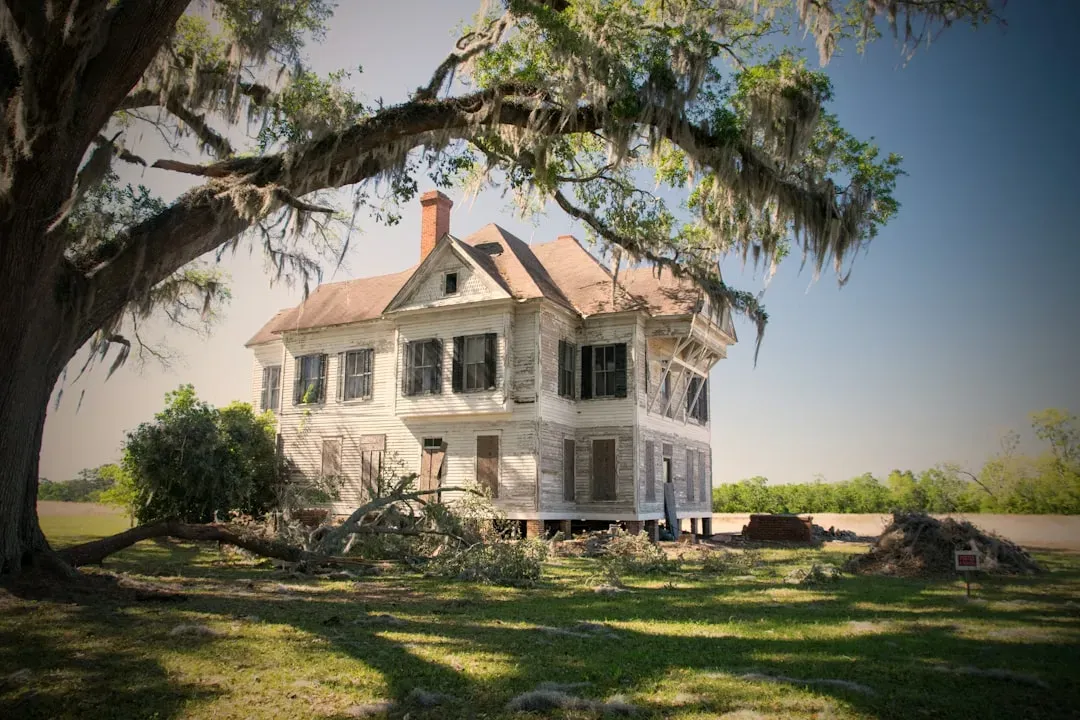
Even when communities want to save a historic place, the money often simply is not there. Federal programs help, but preservation experts are consistent on one point: demand far exceeds what is available. This is not a new problem, but it is getting worse.
At the end of fiscal year 2024, an estimated nearly $23 billion of repair need existed on roads, buildings, utility systems, and other structures and facilities across the National Park System. Addressing deferred maintenance and repairs is critical to the continued preservation, accessibility, and enjoyment of national parks.
In July 2024, the African American Cultural Heritage Action Fund announced $3 million in grant funding to protect and preserve 30 sites representing Black history. With more than $140 million raised since its founding in 2017, the Action Fund is the largest resource dedicated to the preservation of African American historic places. Those are real achievements. Still, when you consider that preservation groups have submitted nearly 4,847 funding proposals requesting $567 million, it is clear the gap remains vast.
Preservation Wins: Proof That Fighting Back Works

Before this article ends on too bleak a note, there is reason for genuine hope. The record actually shows that when communities organize, when watchdog lists are published, and when funding arrives in time, historic places can and do survive. The system is imperfect, but it is not powerless.
Dozens of endangered sites have been saved over the past three decades, including the Antietam National Battlefield in Maryland, which narrowly missed becoming the site of a shopping mall, and Little Rock Central High School, where young Arkansas students helped overturn a legacy of legal segregation in 1957. Now established by Congress as a National Historic Site, it is still a working public high school and a center for education about the country’s civil rights.
Since 1988, the National Trust for Historic Preservation has published an annual list of America’s 11 Most Endangered Historic Places to raise awareness about the threats facing some of the nation’s greatest treasures. The list, which has identified more than 350 sites to date, has proven so successful in galvanizing preservation efforts that only a handful of sites have been lost. That record, honestly, is remarkable given the scale of the challenge. It means public attention still has power, and that is something worth holding onto.
Conclusion: The Clock Is Ticking on America’s Story
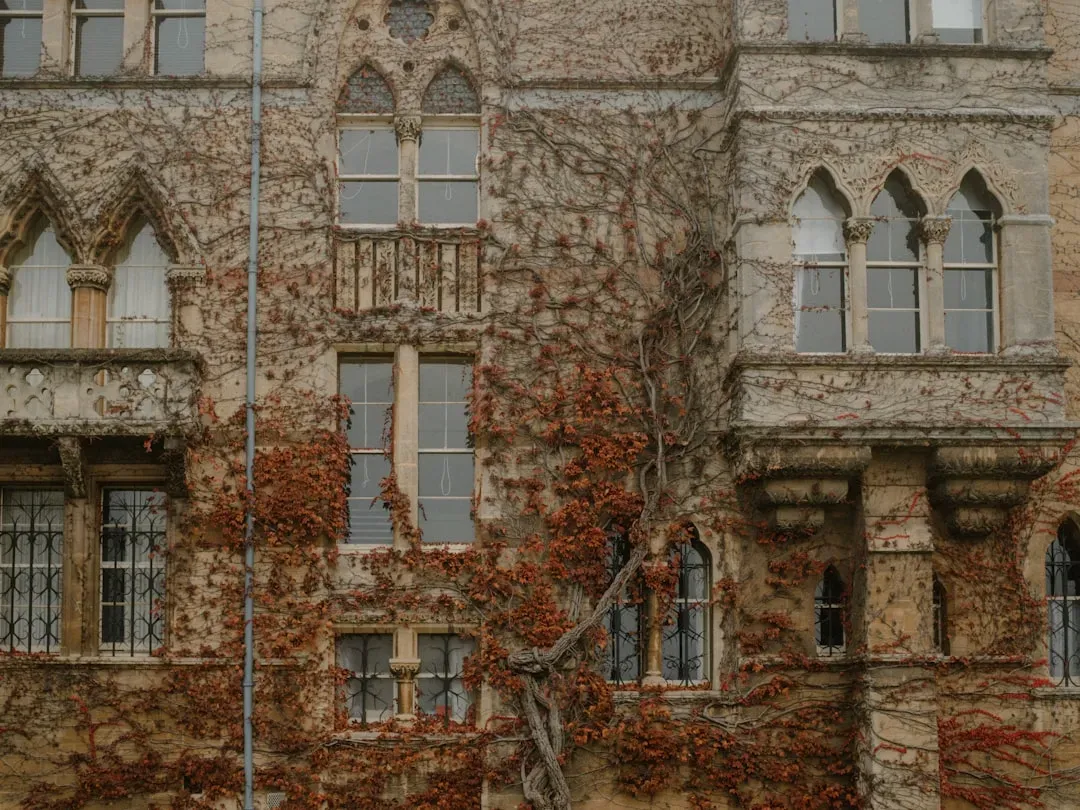
What gets lost when a historic landmark disappears is not just brick and mortar. It is context. It is the physical proof that something happened in a particular place, that real people lived, struggled, celebrated, and endured there. Once that evidence is gone, history becomes harder to teach, harder to feel, and easier to forget or distort.
The threats are real, varied, and in many cases urgent. Climate change is not waiting for funding cycles to catch up. Developers are not pausing their timelines for preservation advocates to organize. And storms do not check the National Register before making landfall. The window to act is often shorter than it appears.
The good news is that awareness and action genuinely do make a difference, as decades of preservation wins have demonstrated. The question is whether enough people care deeply enough, loudly enough, and consistently enough to tilt the balance before more irreplaceable pieces of the American story are simply erased. What would you want future generations to know about the place where you grew up? Think about it before the answer becomes a vacant lot.