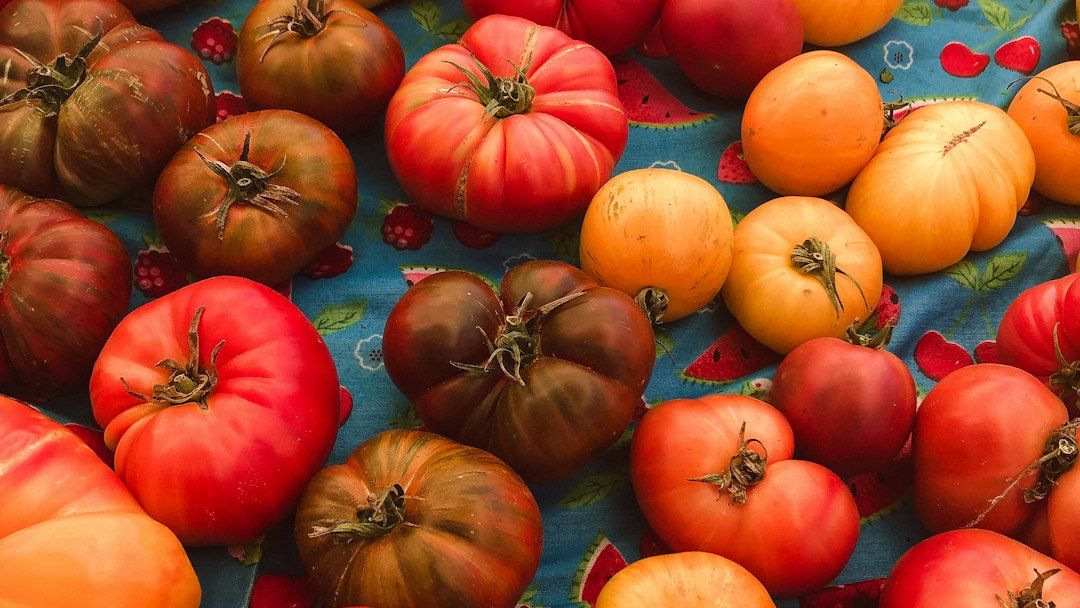

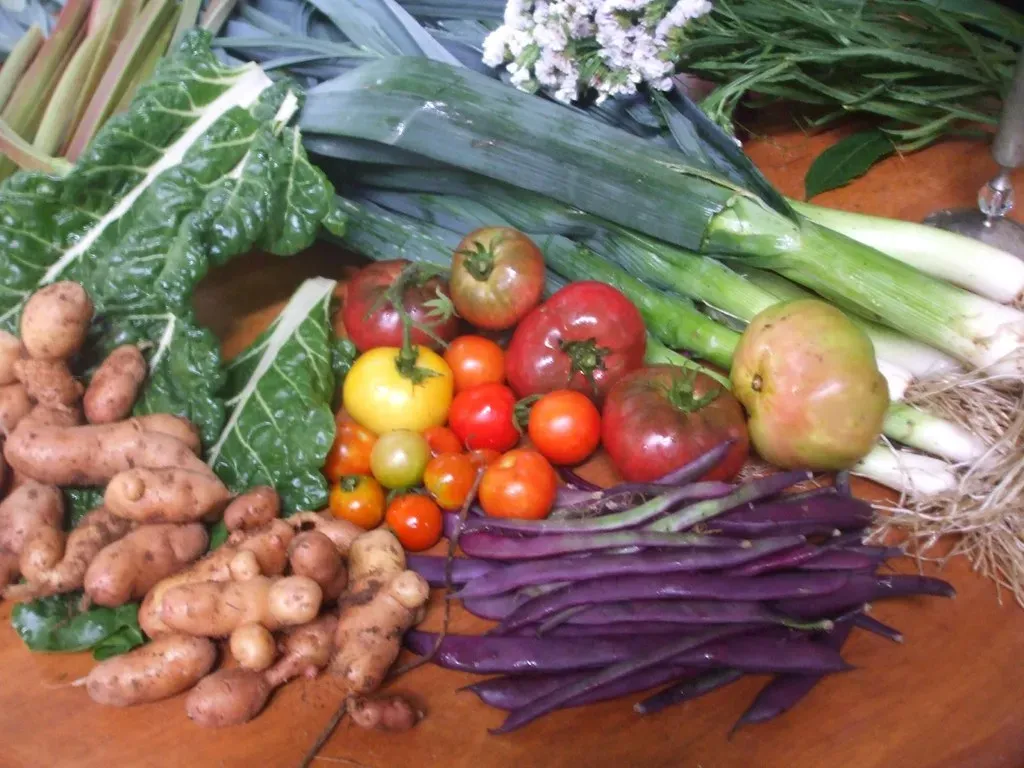
Something’s changing in backyards across America. Walk through a neighborhood garden today and you’re likely to spot deep purple tomatoes, striped beans in shades you’ve never seen before, or squash that look almost like relics from another era. They’re not new varieties bred by corporations in sterile laboratories. These are heirloom vegetables, passed down through generations like family treasures, and they’re making a serious comeback among home gardeners. It’s a quiet revolution happening one seed packet at a time.
This year, interest in home gardening remains high with an estimated 80 percent of American households taking part in some sort of lawn or gardening activity, and urban and suburban homeowners are embracing micro-homesteading, creating self-sufficient mini-farms even on small lots, which includes compact vegetable gardens. What’s driving this resurgence of old-fashioned vegetables in modern times?
The Flavor Factor That Supermarkets Forgot
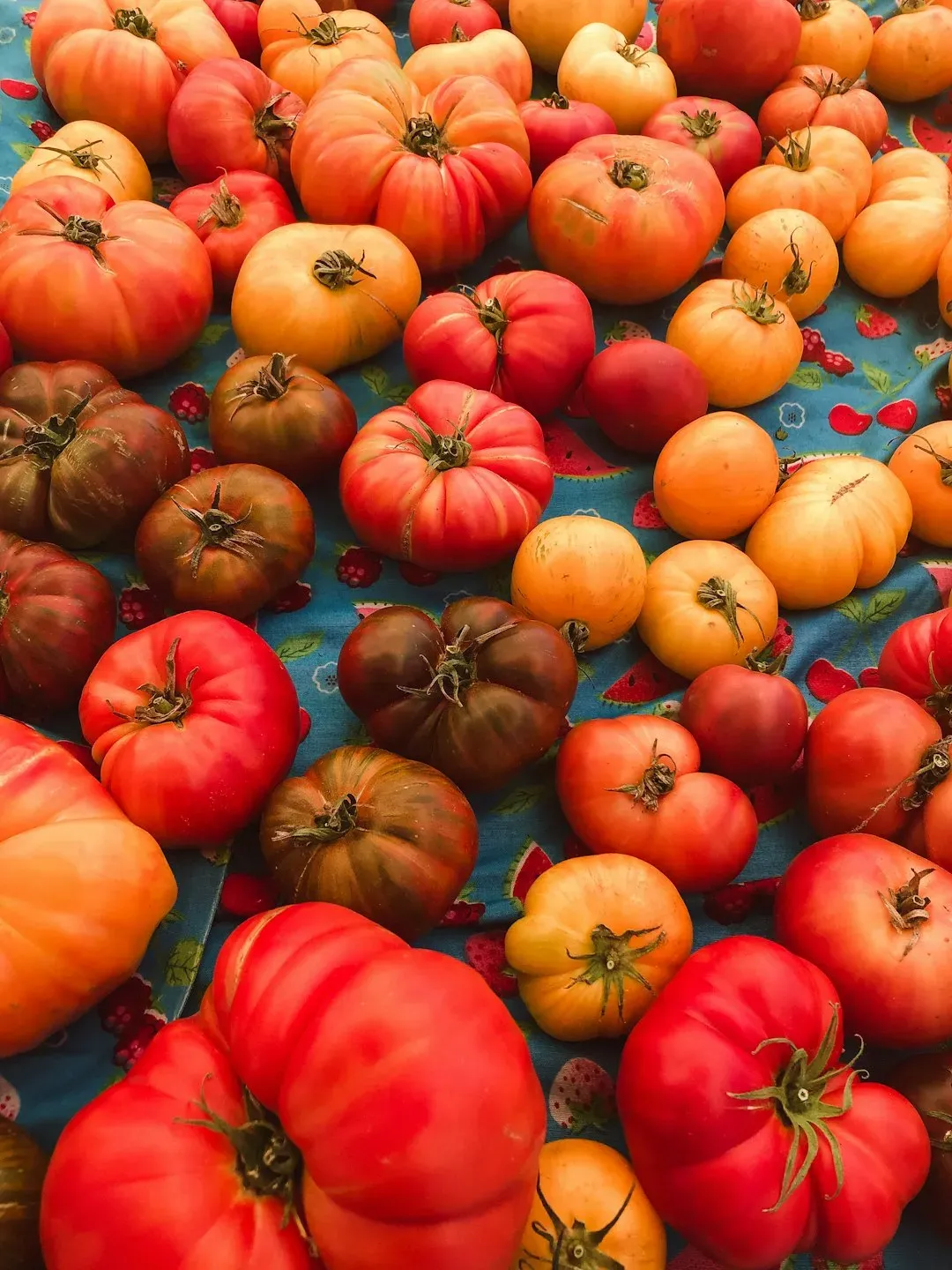
Let’s be real here: grocery store tomatoes taste like cardboard most of the time. They’re bred for thick, shiny skin and pretty, uniform appearance, not for flavor, and they need to hold up after being picked unripe and then shipped halfway across the planet. One big 2017 study analyzed a whopping 398 tomato varieties and concluded that modern fruits do indeed lack the genetic ability to produce various important flavor compounds.
That’s where heirlooms come in with their explosive, complex flavors. Home gardeners who bite into a lovingly cultivated heirloom tomato at peak ripeness often have what feels like a revelation. This depth of taste isn’t limited to tomatoes either. Gardeners value heirloom vegetables for their flavor, stories, diversity, and beauty. Many describe heirloom produce as having an intensity and character that simply can’t be found in commercial varieties, making all the extra effort worthwhile.
Seeds That Tell Stories and Preserve Culture
Seed Savers Exchange was founded in Missouri in 1975 by Diane Ott Whealy and Kent Whealy, after Diane’s grandfather entrusted to them seeds of two heirloom open-pollinated varieties, ‘Grandpa Ott’s’ morning glory and the ‘German Pink’ tomato, which were brought by Grandpa Ott’s parents from Bavaria when they immigrated to Iowa in 1884. These weren’t just seeds. They were living connections to family history.
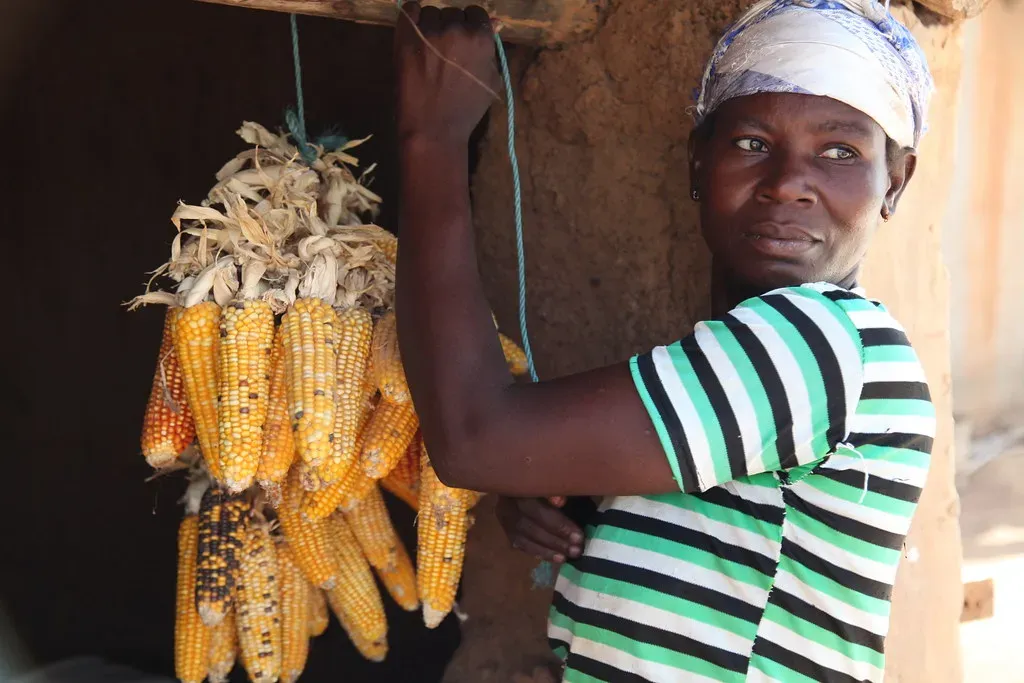
Preserving heirlooms also preserves culture, as unlike modern varieties, heirlooms are deeply connected to the people who grow them. Whether it’s a Cherokee purple tomato or a variety cultivated by Italian immigrants, these plants carry stories and traditions. Seeds have been freely collected, grown, saved, exchanged, and sown for over 10,000 years, with seed savers shaping agriculture by preserving crop diversity, increasing flavor and nutrition, and encouraging seeds to adapt, while seeds have also played an important cultural role for humans, carrying stories and connections to past generations.
The Seed-Saving Movement Takes Root
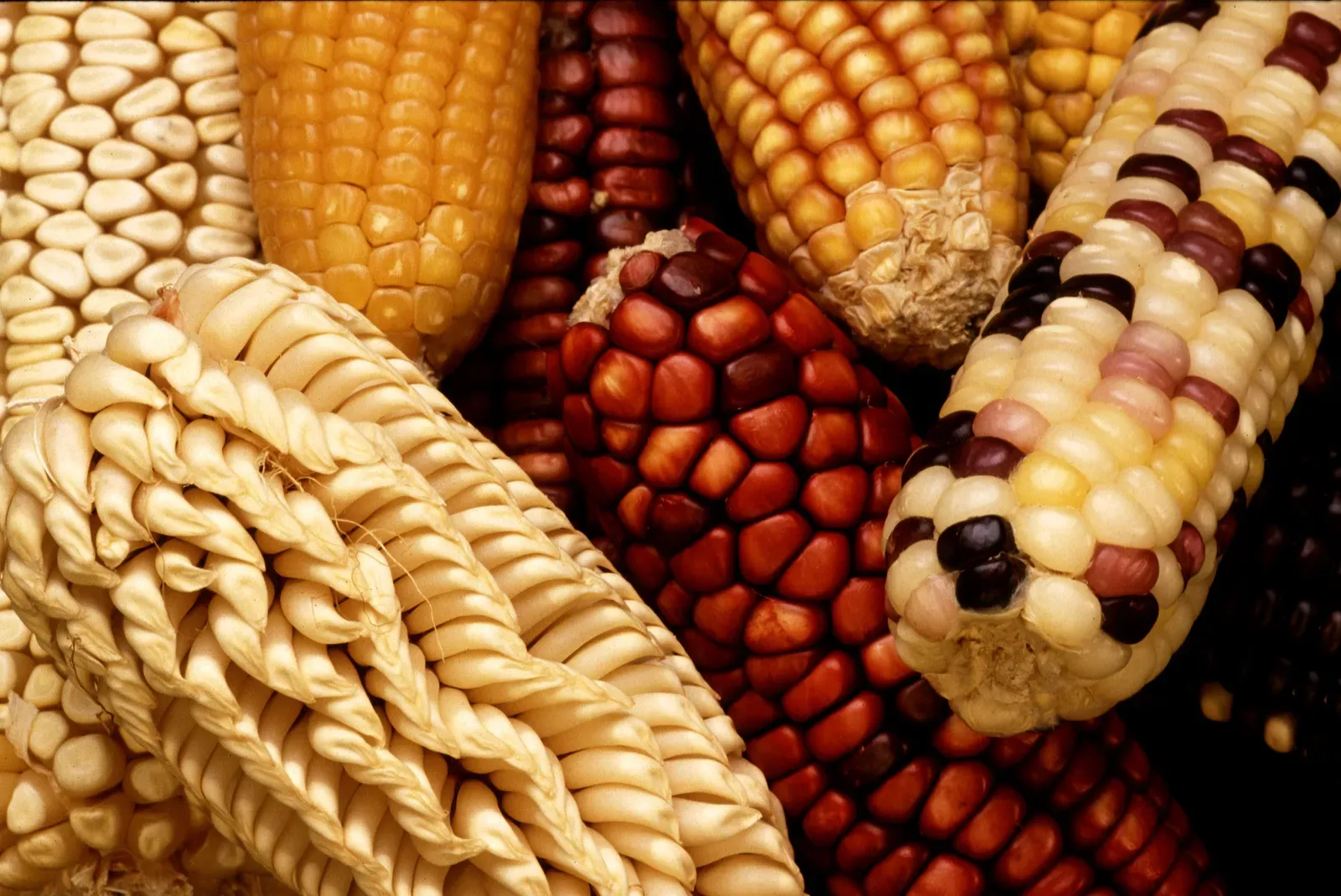
Much grassroots seed-saving activity today in the developed world is the work of home gardeners, as saving seeds protects biodiversity and saves money for consumer gardeners. Seed Savers Exchange cares for a collection of over 20,000 different varieties of vegetables, herbs, and flowers – one of the largest seed collections of its kind, demonstrating the scale of preservation efforts.
In 2024, gardeners participated in the ADAPT community-science program, growing select varieties from the seed bank in their own gardens and then submitting detailed feedback on their performance at the end of the gardening season. This citizen science approach allows everyday gardeners to contribute meaningful data while growing unique varieties. The collaboration between major seed-saving organizations and individual gardeners creates a powerful network for preservation. Unlike hybrid seeds that won’t grow true to type when saved, heirloom vegetables are always open-pollinated varieties, which means that unless they’re crossing a vegetable with another variety, gardeners can save seed from their own plants year after year and count on them to stay true to the variety.
Confronting the Loss of Crop Diversity
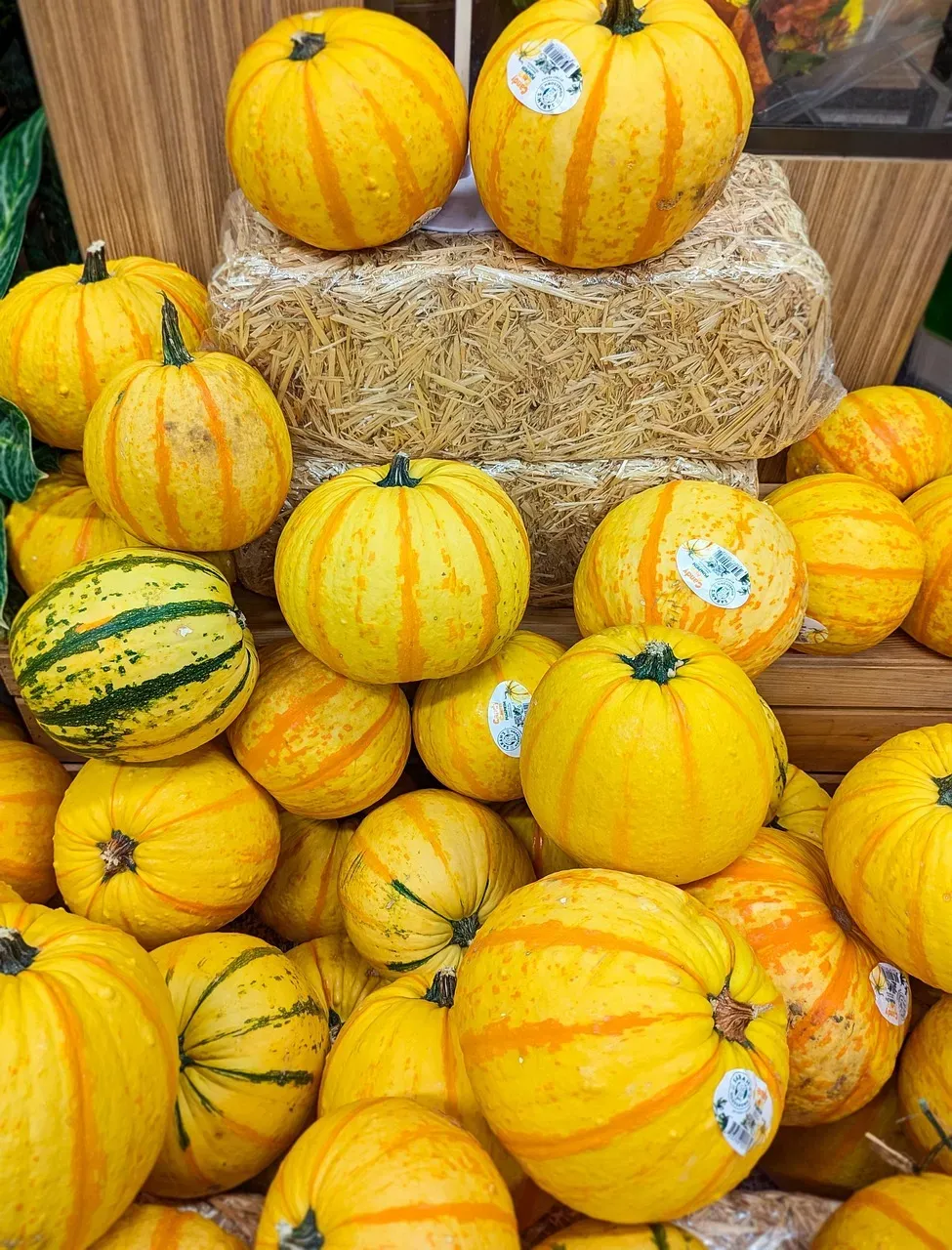
Here’s something that should honestly worry us all. Over 75% of the genetic diversity in plant genetic resources and 90% of the crop varieties were lost and disappeared from farmers’ fields since the mid-twentieth century. That’s a staggering amount of agricultural heritage simply gone.
The consequences go beyond nostalgia. Cultivating heirlooms helps preserve crop diversity, which relates to food security, nutrition, and adapting agriculture to climate change, as without diversity in planting choices, there is less flexibility to adapt to a changing climate, and because some crop varieties will perform better than others under different growing conditions, preserving crop diversity through heirloom seeds could help farmers and home gardeners adapt their crops as local climate conditions change. When commercial agriculture narrows down to just a few varieties optimized for shipping and shelf life, we lose genetic traits that could be crucial for future resilience. Home gardeners growing heirlooms are essentially acting as stewards of genetic material that might one day prove invaluable.
Sustainability and Self-Reliance in the Backyard
According to recent research, a notable 64% of global consumers actively seek sustainably produced products, reflecting a broader shift in values. Growing heirlooms fits perfectly into this mindset. Saving seed from heirloom plants helps small farms save money and allows them to select seed each year and adapt plants to their region, a benefit that applies equally to home gardeners.
There’s something deeply satisfying about growing food that doesn’t depend on corporate seed companies every season. Today, power is consolidated in the hands of the four largest agricultural corporations in the world: Bayer, Corteva Agriscience, Sinochem, and BASF own more than 67% of seeds worldwide. For gardeners concerned about food sovereignty and independence, heirlooms represent an alternative path. The ability to harvest, save, and replant seeds creates a self-sustaining cycle that resonates with people seeking more control over their food sources.
Climate Resilience Through Diversity
Heritage crops play a crucial role in preserving biodiversity and genetic diversity in agriculture, as these crops often exhibit traits such as disease resistance, drought tolerance, and flavor profiles that are well-suited to specific climates and soil conditions. This adaptability becomes increasingly important as weather patterns shift and growing conditions become less predictable.
The genetic material of heirloom varieties offers a valuable genetic resource with a wide range of different characteristics, including genetic material for quality characteristics such as taste and appearance, adaptations to special regional conditions such as drought, salt stress or cold, and a great ability to adapt to changing, non-optimal environmental conditions, making it essential for breeding new crops that require a gene pool that is as diverse as possible. While modern hybrids might perform well under ideal conditions, heirlooms often possess hidden strengths developed over decades or centuries of adaptation. Home gardeners experimenting with various heirloom varieties in their local conditions are essentially conducting small-scale breeding trials that could yield important discoveries.
The Rise of Community Seed Exchanges
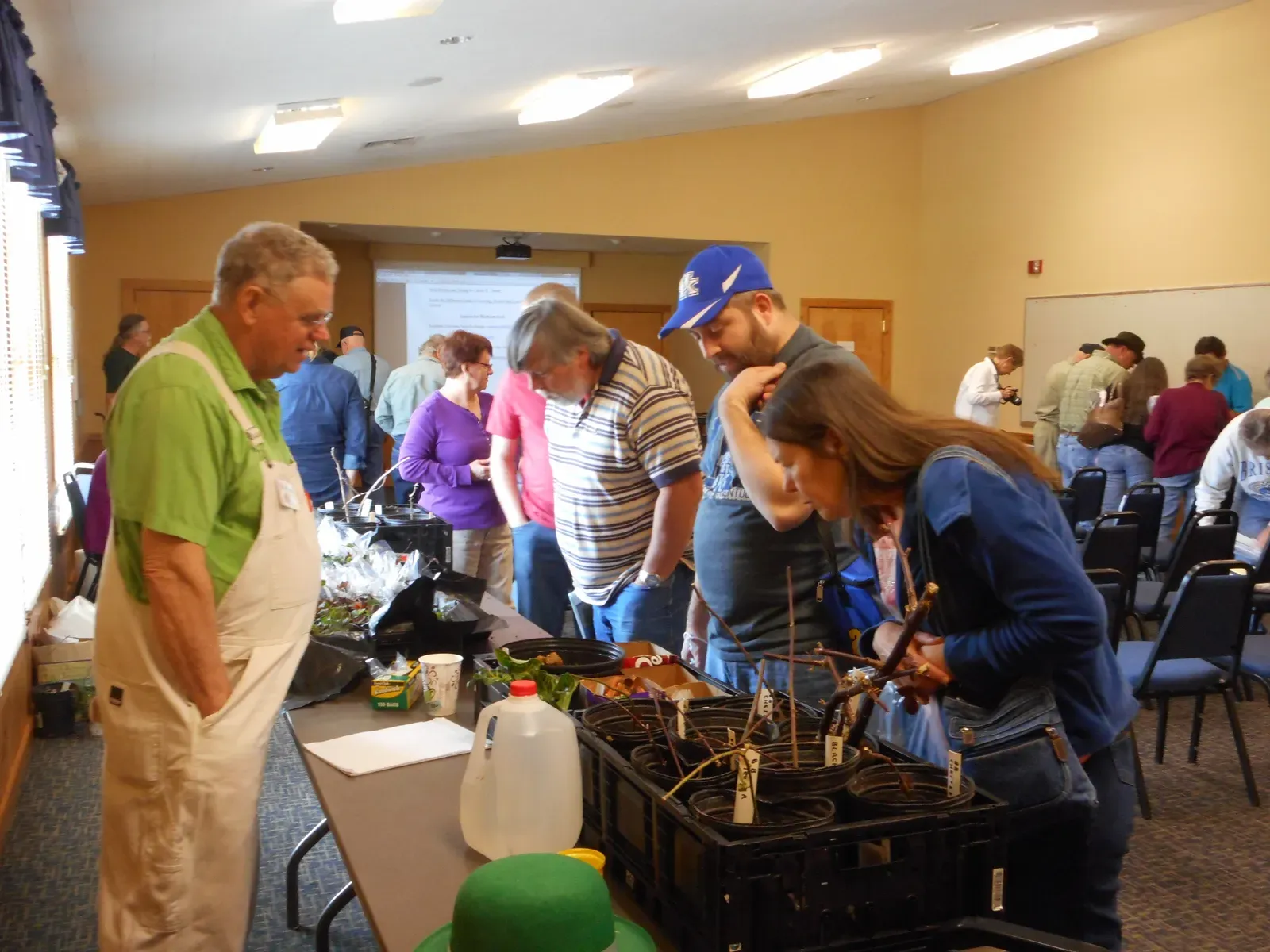
Something beautiful is happening at libraries, community centers, and farmers’ markets across America. Seed swaps and exchanges are proliferating, creating networks of gardeners who share varieties and knowledge. Groups like the Seed Savers Exchange foster connections among individual gardeners that are preserving more than 25,000 heirloom vegetables and other crops in their own gardens.
These gatherings aren’t just about swapping seeds. They’re social events where experienced gardeners mentor newcomers, where stories about particular varieties get passed along with the seeds themselves, and where regional knowledge about what grows well locally is shared freely. The collective wisdom built through these exchanges often proves more valuable than anything you could learn from a catalog. Plus, there’s an undeniable sense of community that comes from being part of a living tradition of seed saving.
Connecting Health Awareness to Garden Choices
A drive for personal health was cited by 62% of people as the catalyst for changes in their consumption habits, and environmental concerns figured strongly, too, with almost 90% telling us that this had altered both their shopping and disposal habits. Growing your own food puts you in direct control of what goes into the soil and onto the plants.
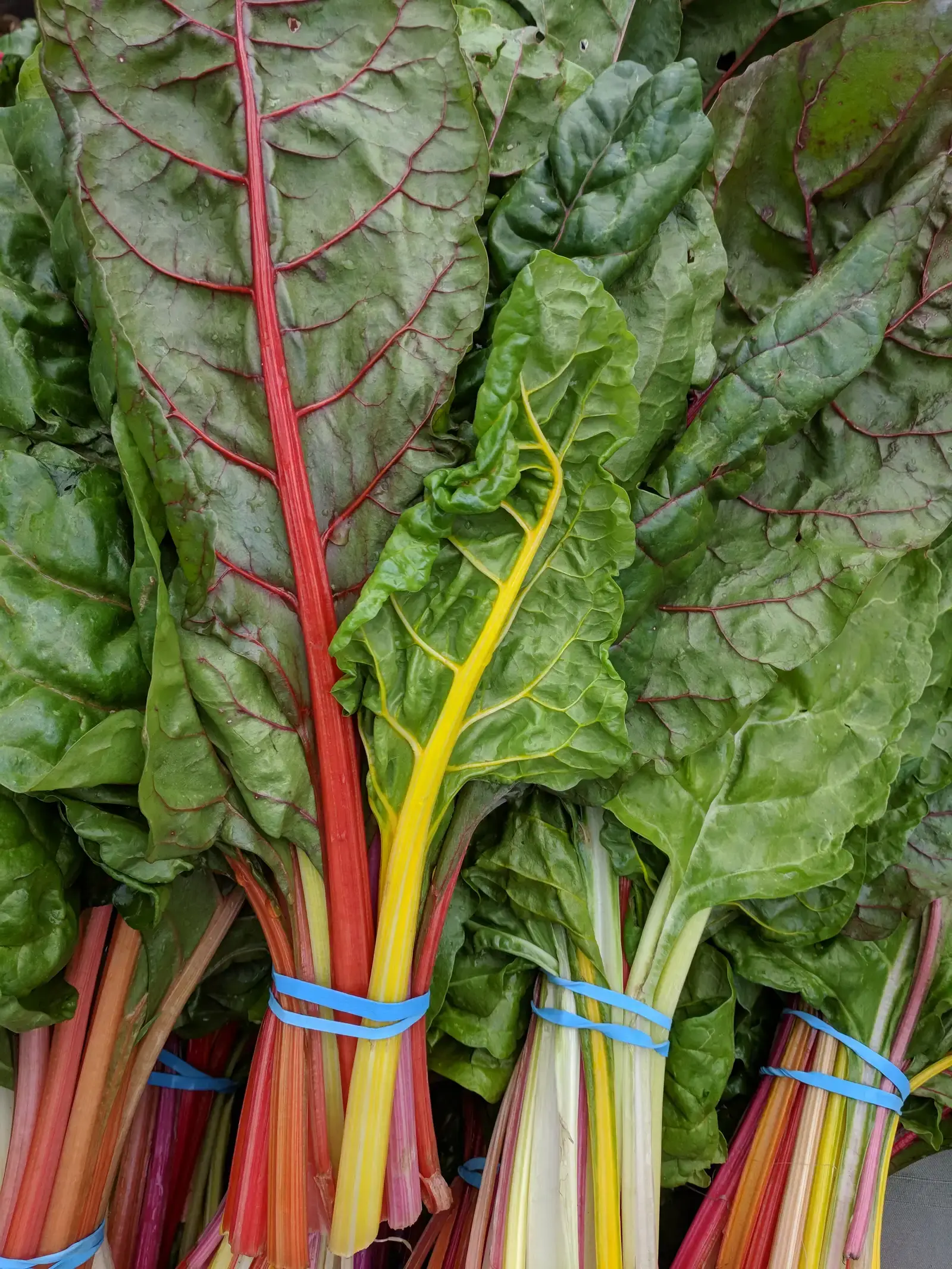
Heirlooms also tend to offer greater nutritional diversity. The rainbow of colors you see in heirloom vegetables often indicates different phytonutrients and antioxidants. A deep purple tomato contains different beneficial compounds than a yellow one, and both differ from standard red varieties. By growing multiple heirloom varieties, gardeners can literally eat the rainbow, maximizing the range of nutrients their garden produces.
The Challenge of Imperfection
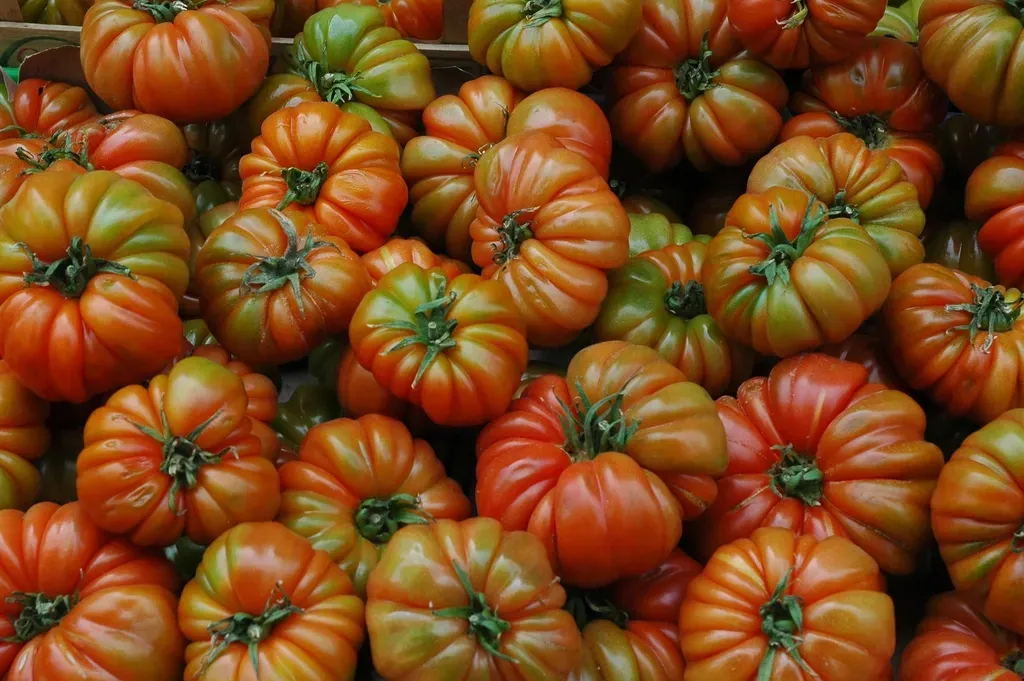
Let’s talk about something that frustrates some gardeners but delights others. Heirloom tomatoes usually have a shorter shelf life and are less disease resistant than hybrids, and some heirloom cultivars can be prone to cracking or lack disease resistance. They won’t all ripen at the same time. Some might split after heavy rain. They often look wonderfully weird.
Heirlooms usually haven’t been hybridized for qualities that include shelf life, color and uniform appearance, as they are often “ugly” with deep cracks and bumps, with colors that are variegated and range from deep browns and purples to light yellows, pinks and everything in between. For many gardeners, this imperfection is part of the appeal. These vegetables look handmade rather than factory-produced. Still, it’s important to acknowledge that heirlooms require more attention, better soil management, and sometimes more tolerance for crop losses than commercial varieties. They’re a labor of love, not a guaranteed high-yield production line.
Vegetables as Culinary Adventures
One of the primary conclusions from taste testings is consumers are looking for the wide variety of options offered by specialty crops such as heirloom tomatoes, and the population in general prefers the taste of these old garden favorites to those they find in the local grocer. Home cooks experimenting with heirlooms discover entirely new flavor profiles for familiar dishes.
That striped heirloom tomato might have a sweet, almost fruity quality perfect for fresh eating, while a dark red variety could offer deep, rich notes ideal for sauce. Different bean varieties taste distinctly unique, some buttery and smooth, others with more robust earthiness. Growing heirlooms transforms the garden into a culinary laboratory where you can experiment with tastes that simply aren’t available in stores. Chefs have caught on to this appeal, which is why farmers’ markets featuring heirlooms have become such popular destinations.
Looking Forward by Growing Backward
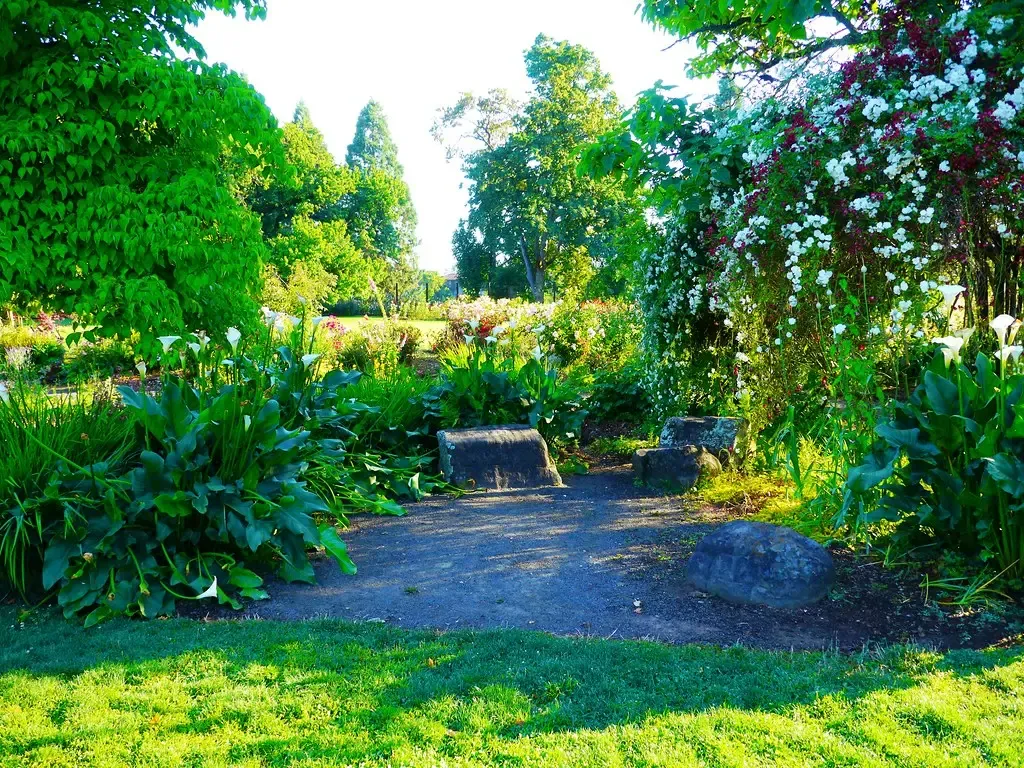
The heirloom vegetable movement among American home gardeners represents more than just a gardening trend. It’s a statement about values, a practical response to concerns about food security and sustainability, and a way of reclaiming connection to agricultural heritage. Organizations around the world, from local nonprofit organizations to international research agencies, are working to preserve crop diversity, and as home gardeners, you can join this movement by cultivating heirloom crops, saving seeds, and passing them along.
Every backyard heirloom garden is a tiny seed bank, a living museum, and a research plot all rolled into one. These gardeners are quietly ensuring that genetic diversity doesn’t disappear entirely into corporate vaults or academic collections. They’re keeping flavors alive, maintaining cultural connections, and building resilience into our food system one small plot at a time. It’s hard to say for sure what the long-term impact will be, but the momentum seems undeniable.
What started as nostalgia for grandma’s tomatoes has evolved into something much more significant. As more Americans discover the satisfaction of saving seeds, the joy of extraordinary flavors, and the importance of biodiversity, the heirloom vegetable renaissance shows no signs of slowing down. Have you considered what varieties might thrive in your own garden?