Something remarkable is quietly happening across the vast fields of the American heartland. In Iowa cornfields, tractors drive themselves through the night with no one behind the wheel. In California strawberry patches, robotic arms gently pluck ripe berries before sunrise. It sounds like something from a science fiction movie, but this is just farming in 2026.
The truth is, U.S. agriculture is going through one of its most dramatic transformations in history, and most people outside the farming world have barely noticed. What’s driving it, what it means for food prices, jobs, and the environment, and where it’s all heading – that’s exactly what we’re about to dig into. Let’s dive in.
A Booming Market Nobody Is Talking About
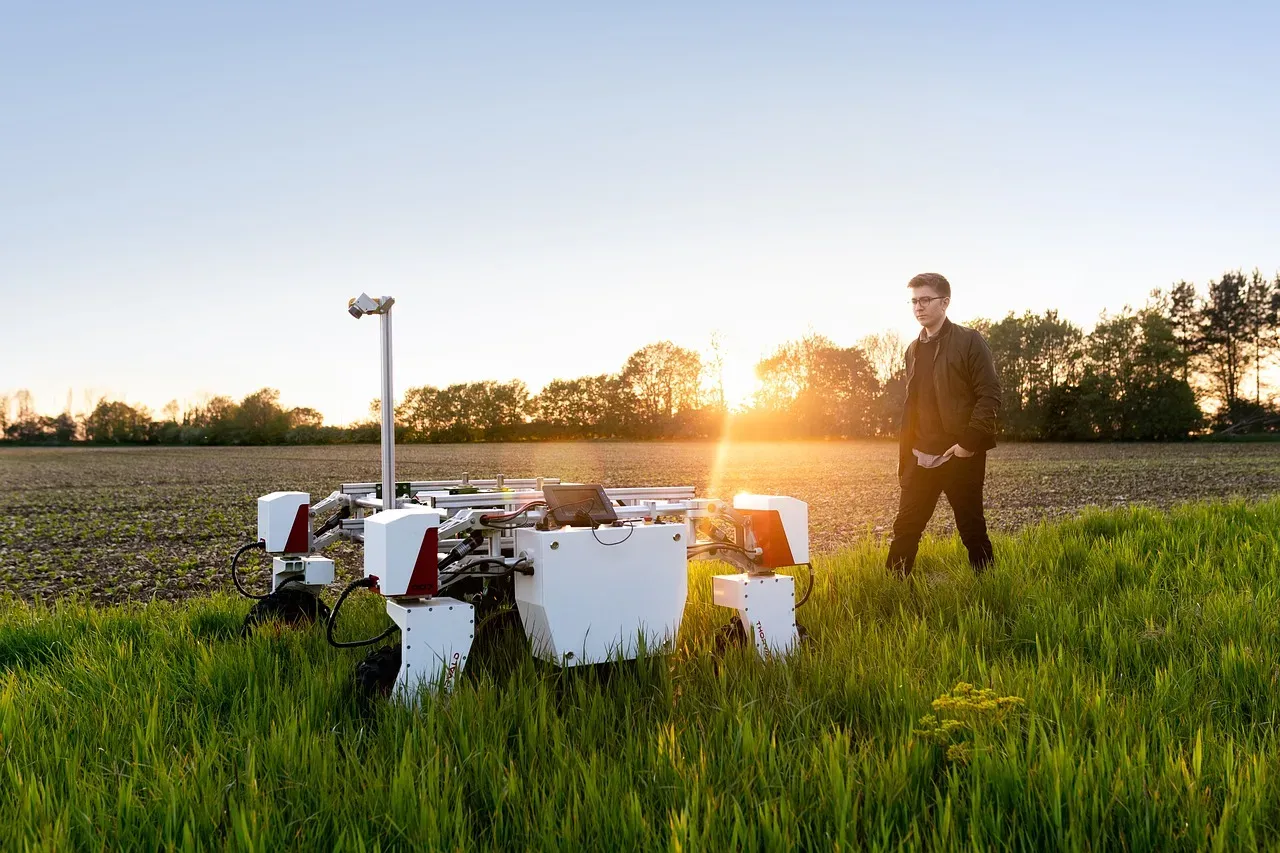
Here’s a number that might surprise you. The agricultural robot market has grown to over $21 billion in 2025, with a compound annual growth rate of roughly 22 percent being driven largely by farm labor shortages, increased mechanization, and the rise of GPS-based field automation. That’s not a niche sector anymore. That’s a full-blown industrial revolution happening in overalls.
Predictions indicate the market will reach nearly $57 billion by 2030, driven by advancements in autonomous farm systems, AI-enabled robots, and the expansion of indoor robotic farming. Think about that trajectory. In less than a decade, the industry is expected to roughly triple in value. Honestly, the speed of this shift is hard to wrap your head around.
The Labor Crisis That Started It All
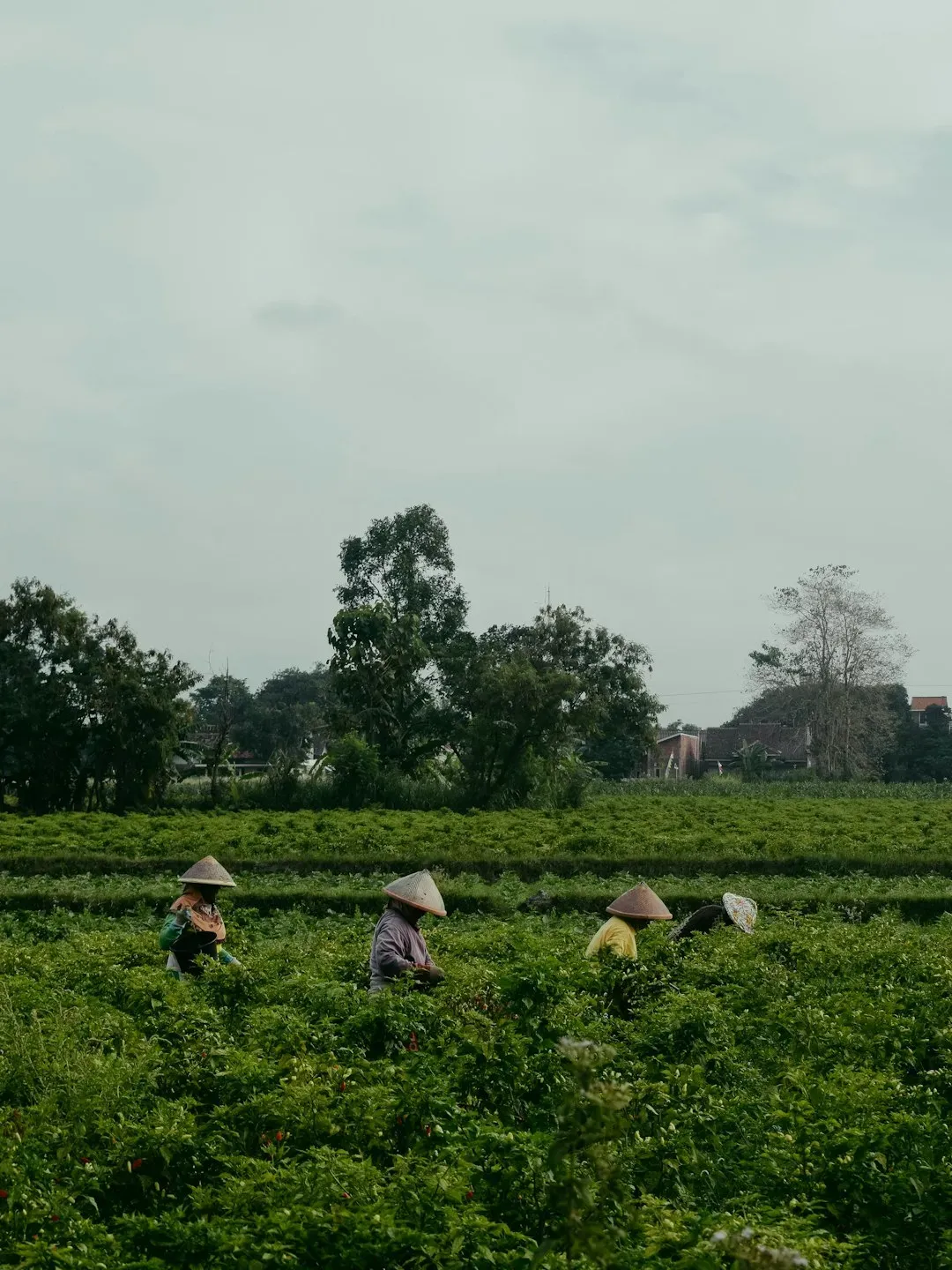
There were an estimated 2.4 million open agricultural jobs in the United States in 2024, with more than half of farmers reporting labor shortages. Decreased supply of labor caused labor costs to surge significantly in 2023, with further increases expected in the years that followed. That is a staggering gap, and it didn’t appear overnight.
Fruit and vegetable producers spend up to 40 percent of their production expenses on labor alone, and H-2A guestworkers have become vital contributors to U.S. specialty crop production as the country continues to face a shortage of Americans willing to work on farms and ranches. When you can’t find workers, and the ones you can find cost more every year, a robot starts to look like a very rational investment.
John Deere and the Rise of the Driverless Tractor
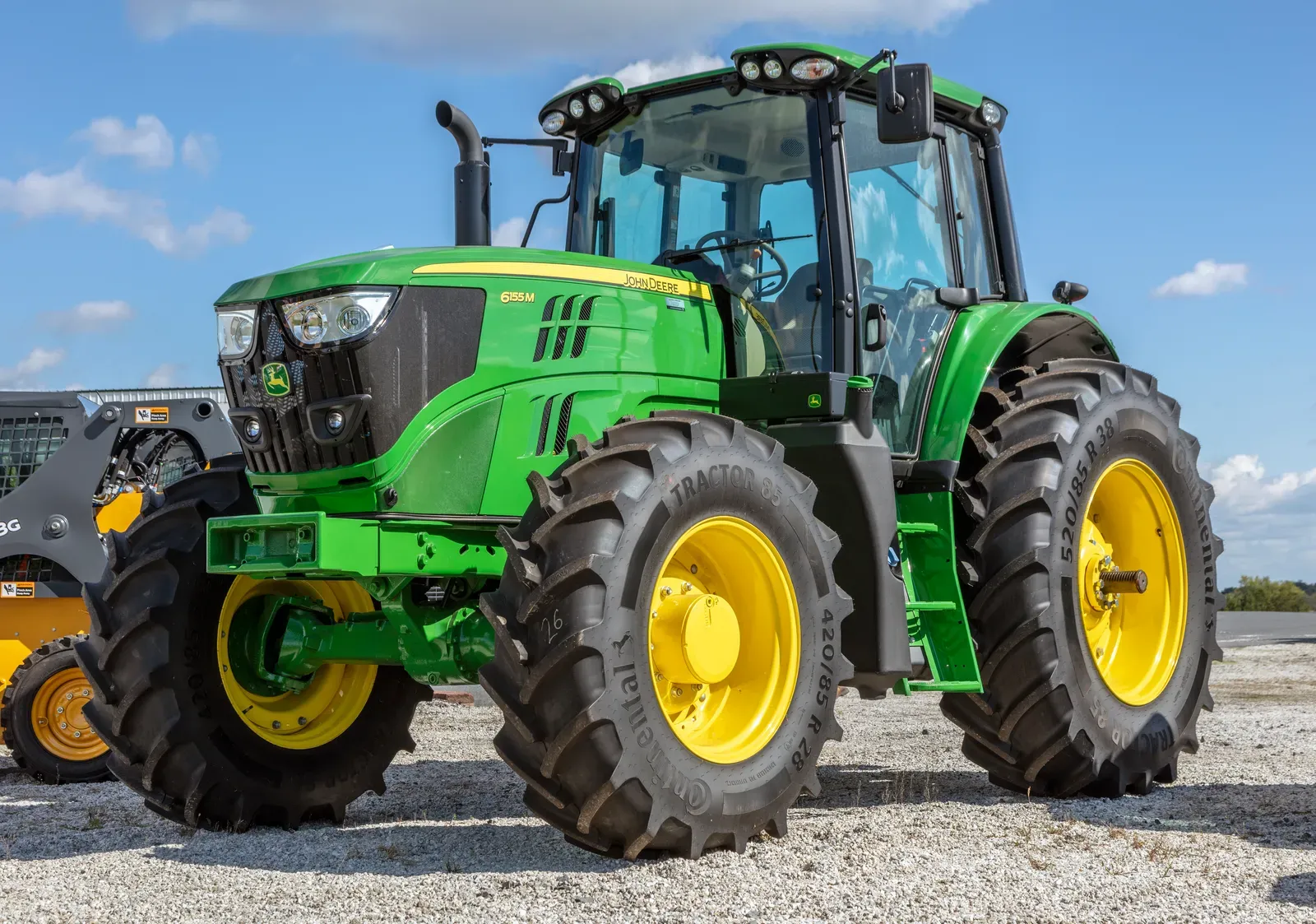
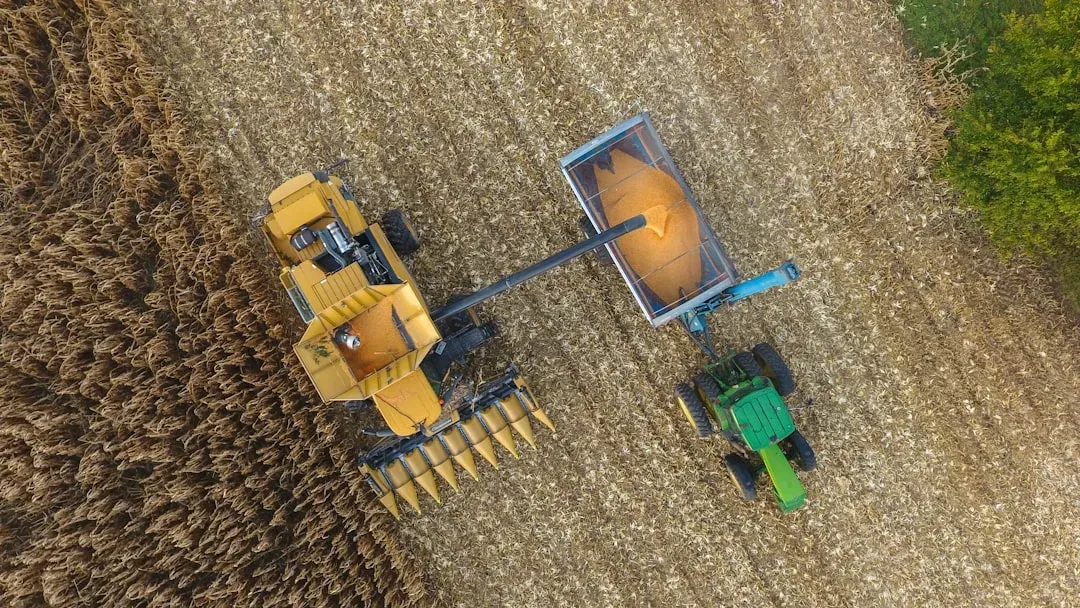
John Deere introduced its fully autonomous 8R tractor for tillage applications in 2022 and began offering it commercially on a limited basis in 2023. That is not a prototype collecting dust in a lab. That is a machine already working on real farms right now, logging real hours in real soil.
Using the John Deere Operations Center, farmers can monitor their autonomous tractor anytime, anywhere, receiving alerts if the tractor senses an obstacle or mechanical issue, with live video access giving real-time views of what the tractor is doing at any time. The company’s long-term goal is to create a fully autonomous farming system by 2030. A farmer managing an entire field from their kitchen table. Welcome to 2026 agriculture.
Precision Spraying: Less Chemical, More Intelligence
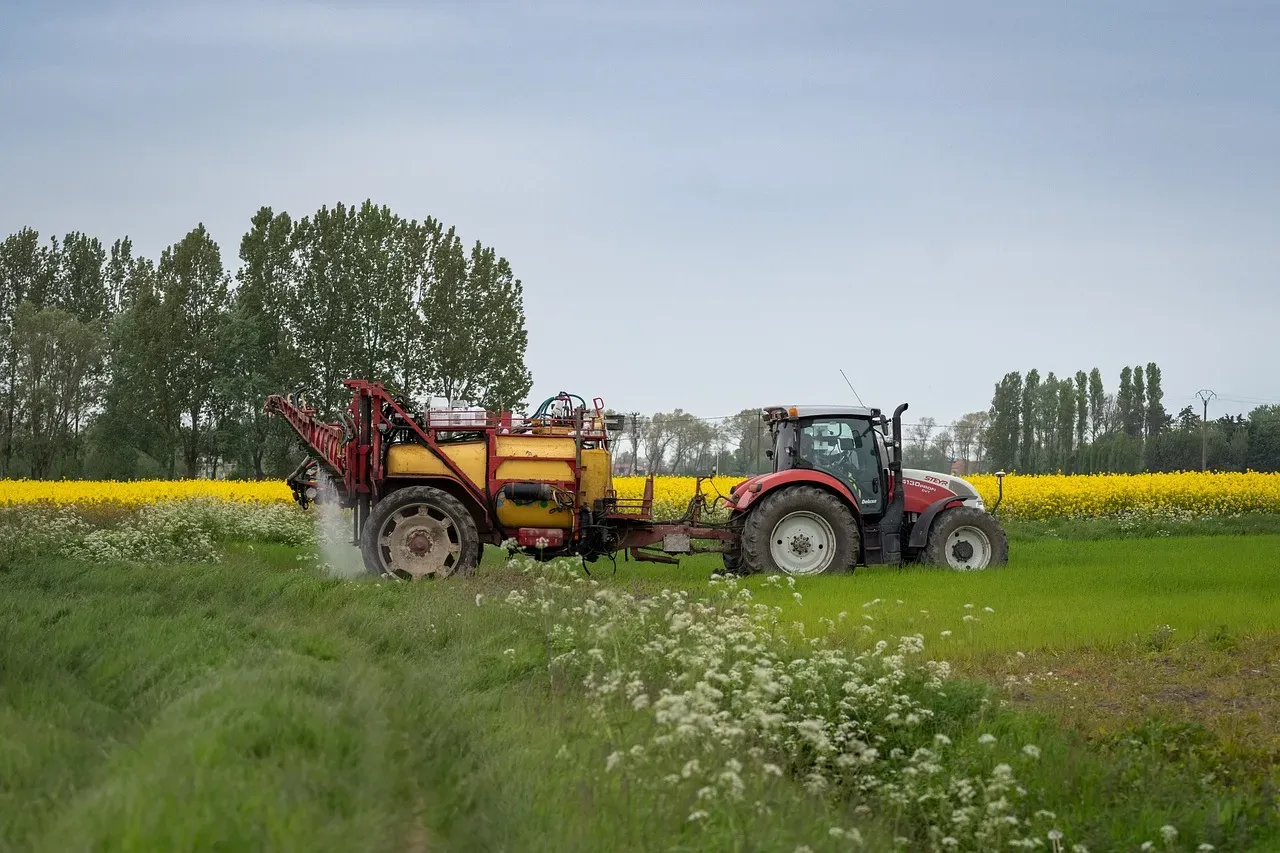
John Deere’s AI systems utilize machine vision to detect and selectively spray weeds, significantly reducing chemical usage and cutting operational costs for farmers. The old approach was a blunt instrument: spray everything, everywhere, all the time. The new approach is more like a surgeon than a fire hose.
In February 2025, Ecorobotix launched the ARA Ultra-High Precision Field Sprayer, featuring AI-based Plant-by-Plant technology for targeted spraying, resulting in up to a 95 percent reduction in chemical use. Equipped with vision systems and crop-specific algorithms, it enhances sustainability, efficiency, and compliance with regulations. A 95 percent reduction. That number alone should stop you in your tracks. It’s better for the environment, and it’s better for the farmer’s bottom line at the same time.
Robotic Harvesters Are Finally Getting Real
Advanced Farm Technologies, a startup based in Davis, California, raised $25 million for the development of fruit harvesting robots. The company already has a strawberry picking robot, and the funding is being used to adapt the technology for apple harvesting. The TX Robotic Strawberry Harvester automatically senses and picks ripe fruit from in-soil strawberry beds with a food-grade, soft robotic gripper. These machines are commercially deployed, not just lab experiments.
DailyRobotics is also preparing for a 2026 debut in California with a robotic harvester it claims can pick strawberries two to three times faster than humans. According to UC Davis Professor Stavros Vougioukas, harvesting robots could replace up to 50 percent of labor, depending on what percentage of fruit the robots can pick. Speed and scale are the remaining frontiers, and both are closing fast.
High-Value Crops Lead the Charge
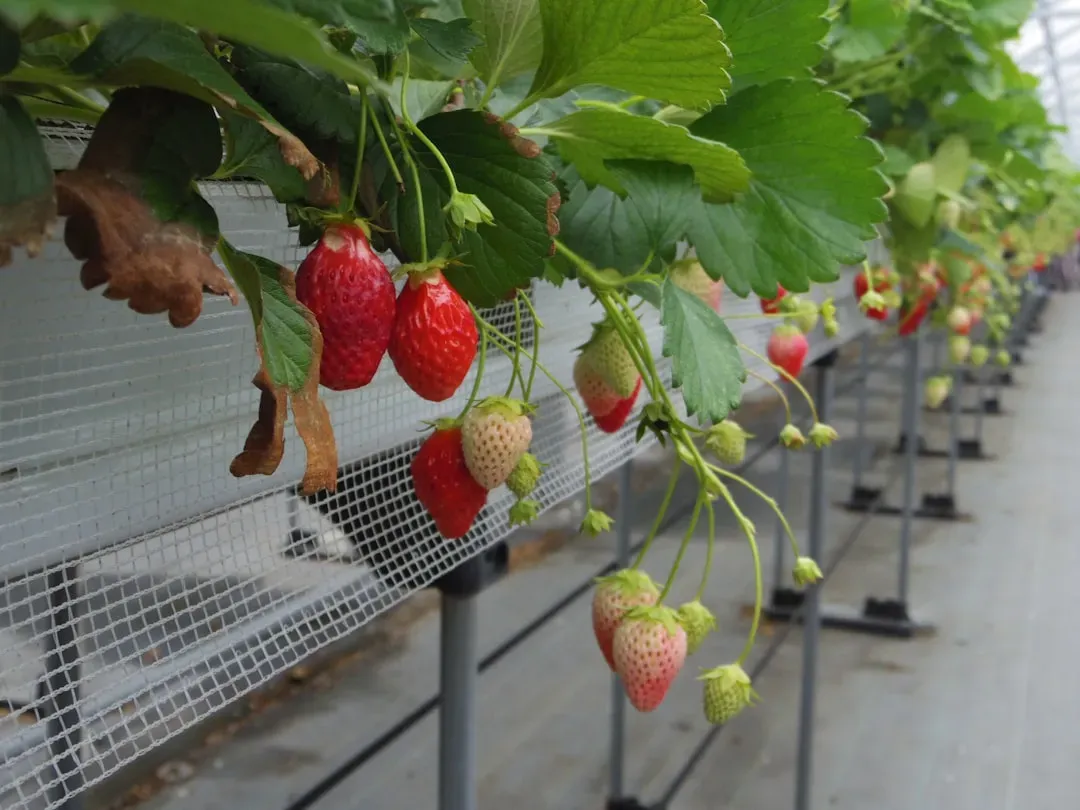
Let’s be real: not every crop is getting a robot makeover at the same pace. Fruit and vegetable producers spend up to 40 percent of their production expenses on labor alone. That brutal cost reality is precisely why specialty crops like strawberries, apples, and lettuce are the epicenter of robotic harvesting investment, while commodity crops like corn and soybeans are being approached from a different angle through autonomous tractors and precision planting systems.
Western Growers has set an ambitious goal of automating at least half the West Coast’s specialty crop harvests by 2030, with a cohort of startups and established businesses receiving technical aid as part of the Global Harvest Automation Initiative. That kind of organized, industry-wide push accelerates adoption in ways that individual companies simply cannot achieve alone. It signals a genuine tipping point.
The Sustainability Angle Nobody Ignores Anymore
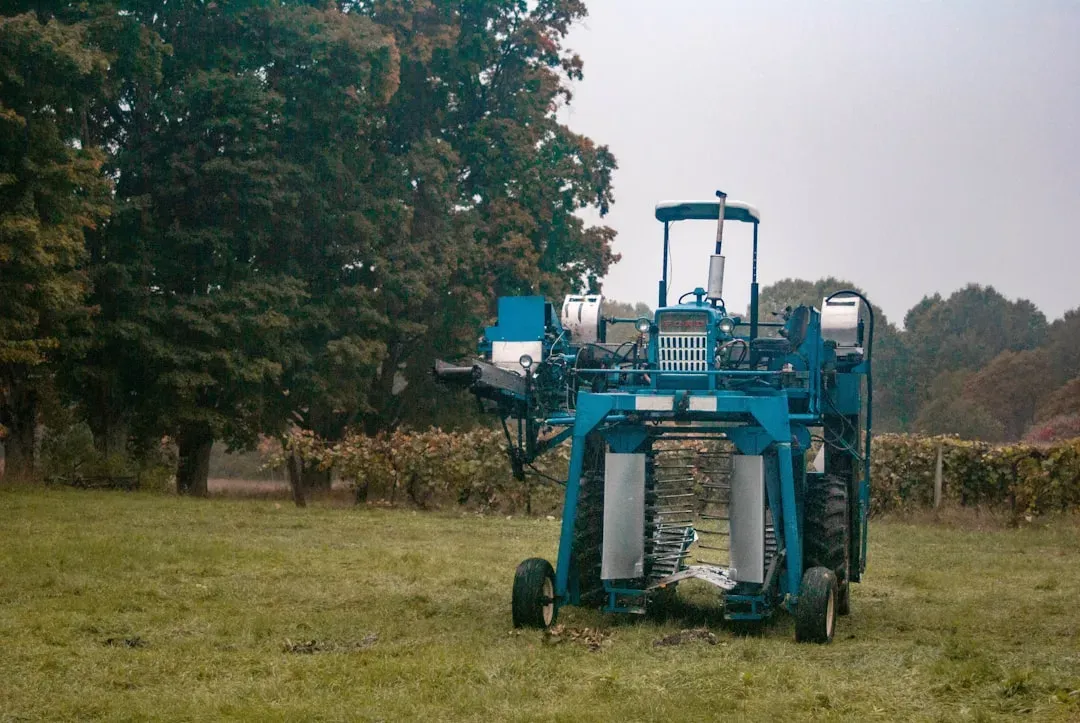
Innovations in AI, machine learning, and IoT-enabled systems facilitate autonomous planting, harvesting, and real-time crop monitoring, while the emphasis on sustainable farming practices and optimal resource utilization is supporting market expansion. Robotics and sustainability have become deeply intertwined in American agriculture, and it’s no accident.
Creation of autonomous vehicles benefits the environment by removing humans from the operation cab, reducing the chance of rework since the tractor knows the exact paths and tasks it needs to follow, which helps to reduce fuel use and emissions. For orchard operations, LiDAR sensors allow sprayers to create detailed 3D maps of crops, ensuring that pesticide and fertilizer applications are made precisely where needed, reducing waste and improving efficiency. It turns out that farming smarter and farming greener point in the same direction.
Government and University Research Fueling the Fire
The Cal Poly Strawberry Center, in collaboration with the California Strawberry Commission and the U.S. Department of Agriculture Agricultural Research Service, received $1.25 million in federal funding in continued support of its research in strawberry production automation. These are not small symbolic gestures. Federal money flowing into agricultural robotics research has a compounding effect.
The introduction of the USDA Specialty Crop Research Initiative program in 2008, along with support from NIFA for research in agricultural robotics through the AFRI and National Robotics Initiative and Cyberphysical Systems programs, has revitalized engineering-related research in the specialty crop area. Land-grant universities across the country are now deeply embedded in developing the next generation of farm robots, often working directly with growers. It’s an ecosystem that builds on itself.
The Workforce Is Changing, Not Disappearing
A farm in Sonoma County had 27 tractor driver positions open and didn’t get a single applicant for weeks. Once the owners onboarded an autonomous tractor system and updated the job listing to call for an agtech operator, listing video game experience in the preferred qualifications, the applications came rolling in. That story says everything. The nature of agricultural work is shifting, not vanishing.
Precision agriculture technology adoption is reshaping agricultural labor demand, shifting from manual work to technical roles, with states showing higher precision agriculture use having more farm service technicians. Technological advancements such as precision farming, drone monitoring, and automated harvesting are fundamentally reshaping the skill sets required, emphasizing digital literacy and technical expertise alongside traditional farming knowledge. The farm of tomorrow needs people who understand both soil and software.
What the Road Ahead Actually Looks Like
Precision farming is set to become a significant catalyst for market growth, with roughly two-thirds of farmers already using GPS yield monitors or maps, as reported by Iowa State University. That adoption baseline matters enormously. It means the infrastructure for the next wave of robotics already exists in a huge portion of American farms.
Robotics-as-a-service, which converts capital cost into subscription payments, is accelerating adoption by small and mid-sized growers. This is the model that could democratize farm robotics beyond large industrial operations. Still, while robots contribute to long-term cost reduction, their initial investment poses a significant short-term expense, potentially hindering demand among smaller farming operations. The gap between early adopters and family-scale farms remains one of the most important unresolved questions in American agriculture today.
Conclusion
American farming is in the middle of a transformation that is both thrilling and genuinely complicated. Robots are not a fantasy solution to every problem the industry faces. High upfront costs, the challenge of delicate crops, and questions about fairness for rural workers are all real friction points that deserve serious attention.
At the same time, the direction of travel is clear. With labor costs forecast at over $53 billion across the agricultural industry in 2025 alone, according to the American Farm Bureau, the financial case for automation is no longer a debate. It is a math problem with an obvious answer. The only real question is how thoughtfully, equitably, and sustainably America makes this transition.
The fields are changing. The machines are getting smarter. And the food on your table is increasingly touched by technology in ways most people never think about. What part of this shift surprises you most? Drop your thoughts in the comments below.