

Digital Planning Tools Are Making Financial Decisions Simpler

Modern retirees increasingly use apps and online platforms to plan retirement goals and manage investments, transforming what was once an opaque, intimidating process into something far more accessible. These tools break down complex financial concepts and give people the ability to see exactly where they stand. I honestly think this level of transparency has been a long time coming.
Rather than relying solely on expensive advisors or dense paperwork, people now get instant snapshots of their savings, projections of how long their money might last, and suggestions for adjusting contributions or timelines. The shift makes it easier for regular folks to understand their options without needing a finance degree. It’s become clear that technology is helping individuals take more control over their futures.
Smartphones Have Become Essential for Everyday Life and Retirement

About 95% of pre-retirees and 92% of retirees use smartphones daily, according to a 2025 survey by the Society of Actuaries. That’s remarkable when you consider how quickly older Americans have embraced mobile tech in recent years. Smartphones aren’t just gadgets anymore – they’re lifelines for communication, health monitoring, banking, and staying connected to family.
What’s more surprising is how essential these devices have become for managing the practical side of retirement. People check bank balances, schedule doctor appointments, video chat with grandchildren, and even monitor their medications, all from one small screen. Let’s be real: the smartphone revolution has fundamentally changed what it means to age independently. This level of integration used to sound futuristic, but now it’s just normal life.
Artificial Intelligence Is Reshaping Financial Advice

Artificial intelligence and financial technology are transforming retirement systems in ways that would have seemed impossible just a decade ago. Robo-advisors have made managing retirement investments easier and more cost-effective, offering tools for income planning, low fees, and automated portfolio management. These algorithm-driven platforms analyze your goals, risk tolerance, and timeline, then build and adjust portfolios automatically.
The big advantage here is access. People who couldn’t afford traditional financial planners – or who felt intimidated by the whole process – now have professional-grade guidance at their fingertips. Still, experts warn that AI isn’t perfect. Some caution that current generative AI tools still struggle with truly personalized advice and shouldn’t replace human judgment entirely. It’s a powerful supplement, not a substitute.
Online Banking Has Become the Go-To for Managing Retirement Finances

More than 60% of retirees and pre-retirees use online banking platforms for retirement planning and cash flow management, making digital finance the dominant way people interact with their money today. Gone are the days of physically visiting a bank branch every time you need to check a balance or transfer funds. Everything happens on a screen now, and most retirees have adapted surprisingly well.
This shift also means faster access to information. You can instantly see spending patterns, set up automatic bill payments, and track investment performance without waiting for monthly statements in the mail. For older adults who might have mobility issues or live in rural areas, online banking removes huge barriers. Honestly, it’s hard to imagine going back to the old way of doing things.
Aging in Place Gets a Tech Boost

According to the US Census, as of 2024 nearly 80% of adults age 65+ currently live in their own home, and technology is making it easier for them to stay there safely. Innovations in telehealth, remote monitoring, smart home devices, and safety systems are helping retirees maintain their independence longer than ever before.
Remote patient monitoring is on a growth trajectory, with as many as 70 million users expected by the end of 2025, and these tools are changing the caregiving landscape. Motion sensors can detect falls, voice-activated assistants help with daily tasks, and wearable devices track vital signs in real time. For a generation that values staying in their own homes, this tech represents freedom. It eases pressure on family caregivers while giving older adults the dignity of living on their own terms.
New Investment Options Are Expanding Retirement Portfolios

Many wealthy Americans and Government workers who participate in public pension plans can invest in alternative assets, yet more than 90 million Americans participate in employer-sponsored defined-contribution plans, and until recently, most didn’t have access to investments like private equity or cryptocurrencies. That’s starting to change. An executive order released on August 7, 2025, seeks to expand access to alternative investments – including private equity, private credit, real estate, and digital assets like cryptocurrency – within retirement plans.
This shift opens doors to potentially higher returns and more diversification, though it also introduces new risks. Cryptocurrencies are notoriously volatile, and private equity can lack transparency. The debate is heated – some see it as democratizing wealth-building opportunities, while others worry about exposing everyday savers to assets they don’t fully understand. Time will tell how this plays out.
Robo-Advisors Are Bridging the Gap to Professional Guidance

Platforms that use algorithms and sometimes human-assisted guidance have expanded access to personalized retirement advice far beyond traditional financial planners. Vanguard Digital Advisor again took the top position among robo-advisors, and as of September 2024, the firm has lowered its minimum to $100, putting robust services within reach of almost anyone.
The beauty of robo-advisors is their simplicity. You answer a few questions about your goals and risk tolerance, and the platform builds a diversified portfolio tailored to your situation. Many also offer automated rebalancing and tax-loss harvesting, features that used to require expensive advisors. For retirees or those nearing retirement who want expert-level management without the hefty fees, these platforms are game-changers.
Financial Education Is Getting Easier Through Digital Tools

Digital tools and apps help demystify retirement planning, making complex concepts like investment allocation and retirement income strategies easier to understand. That’s especially important considering how many Americans lack confidence in their retirement readiness. Apps now walk users through scenarios, showing how changing one variable – like retirement age or monthly contributions – impacts the bigger picture.
What I find really valuable is how these tools break down jargon. Instead of feeling overwhelmed by terms like “asset allocation” or “drawdown strategies,” people can see visual representations and plain-language explanations. This kind of accessibility empowers individuals to make smarter choices without needing to rely solely on experts. The result is a more informed population that understands what they’re planning for.
Technology Brings New Challenges and Risks
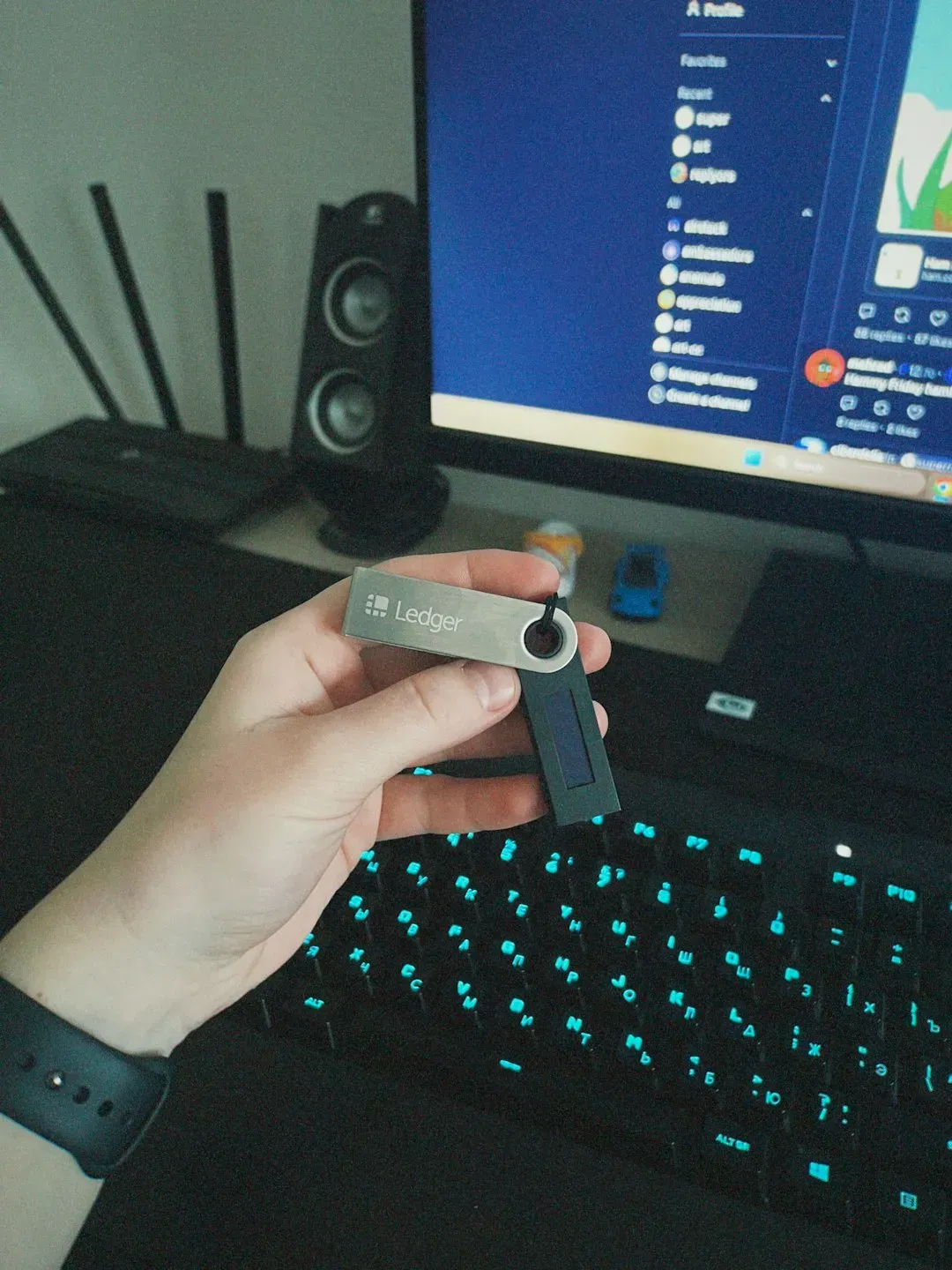
Despite all the benefits, reliance on digital tools and AI introduces real risks. Some experts warn that current generative AI tools still struggle with accurate, personalized financial planning and should not replace professional human advice entirely. There’s also the issue of cybersecurity – data breaches and scams targeting older adults have worsened in recent years.
It’s hard to say for sure, but I think we’re still figuring out the right balance between automation and human oversight. Retirees need to stay cautious, verify information, and understand that technology is a tool, not a cure-all. The convenience is undeniable, yet the stakes are too high to blindly trust algorithms with your life savings.
The Aging Population Makes Technology More Essential Than Ever

America is entering a historic surge, with more than 4.1 million Americans turning 65 each year through 2027, and what used to be 10,000 over the past decade is now over 11,200 every day. This massive wave of new retirees puts unprecedented pressure on healthcare systems, social services, and financial planning infrastructure.
Technology will play a crucial role in scaling retirement planning, healthcare access, and social engagement systems to support this growing population. Without digital tools and innovations, it would be nearly impossible to serve so many people effectively. From telehealth reducing strain on clinics to online banking handling millions of transactions seamlessly, tech is the backbone holding this demographic shift together. The question isn’t whether we need it – it’s whether we can keep up with the pace of change.