

Gardening across the United States is never a one-size-fits-all adventure. From the fog-kissed coasts of Northern California to the humid subtropical heat of coastal Georgia, every region challenges gardeners in entirely different ways. Yet somehow, passionate growers manage to coax life from cold clay soils, bone-dry desert plots, and waterlogged lowlands alike.
The secret is not magic. It is strategy. If you understand your zone, your soil, your water, and your plants, you can garden almost anywhere. So let’s get into it.
Start With the 2023 USDA Hardiness Zone Map – Your First Essential Tool
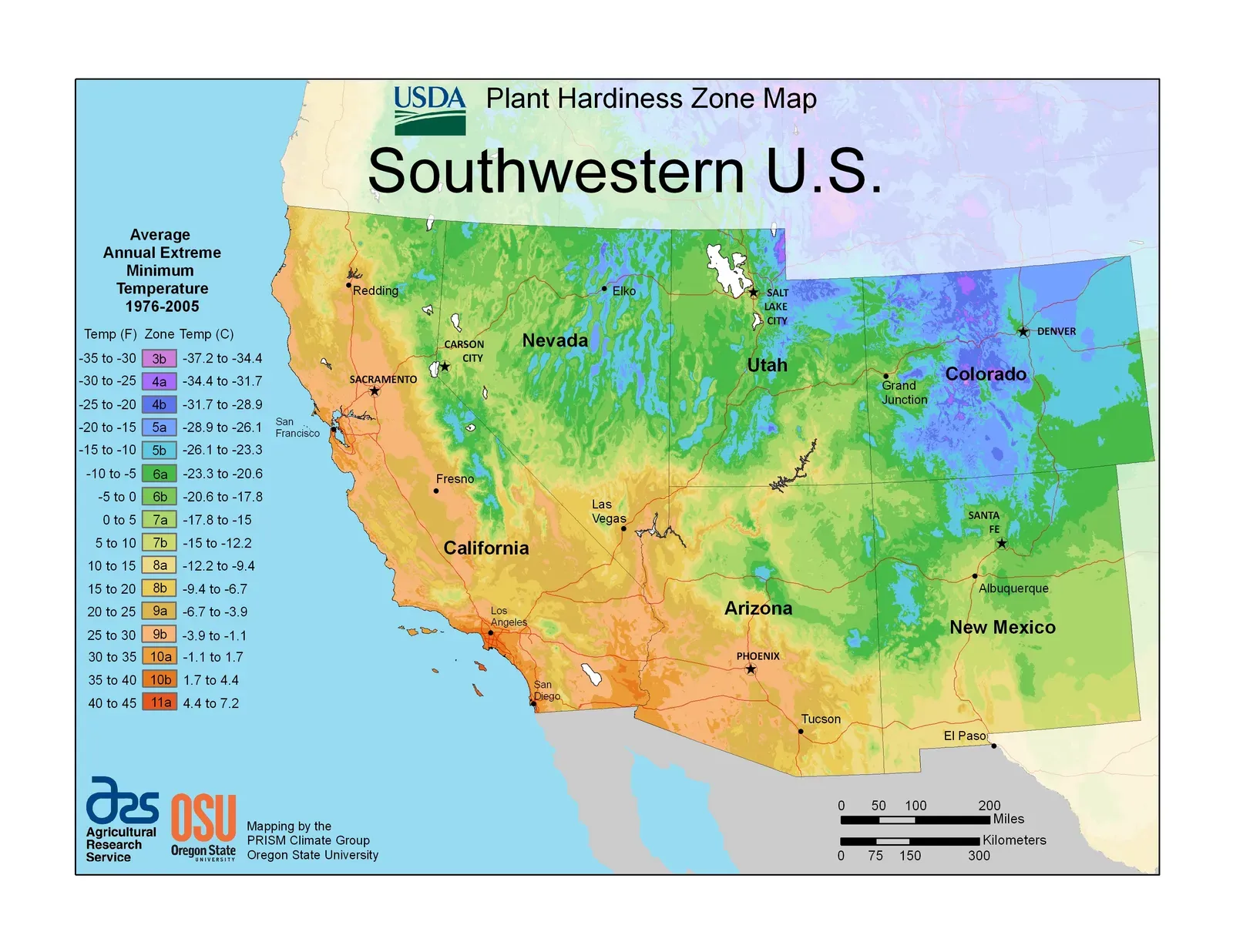
Most experienced gardeners know the USDA Plant Hardiness Zone Map. What many do not realize is that the map was significantly updated in 2023, for the first time since 2012. The 2023 map is, on average, about 2.5 degrees Fahrenheit warmer than the 2012 map. That might not sound like much, but it is genuinely reshaping what grows where across the country.
The new map shows that about half of the country shifted to the next warmer half zone, compared with the 2012 map, and the other half of the country remained in the same half zone. Think of it like moving half a step up the climate ladder. The 2023 map is based on 1991 to 2020 weather data and incorporates information from 13,412 weather stations, compared with the 7,983 used for the 2012 map. More data means more accuracy, which means better decisions for your garden.
Know Your Region’s Specific Soil Before You Plant Anything
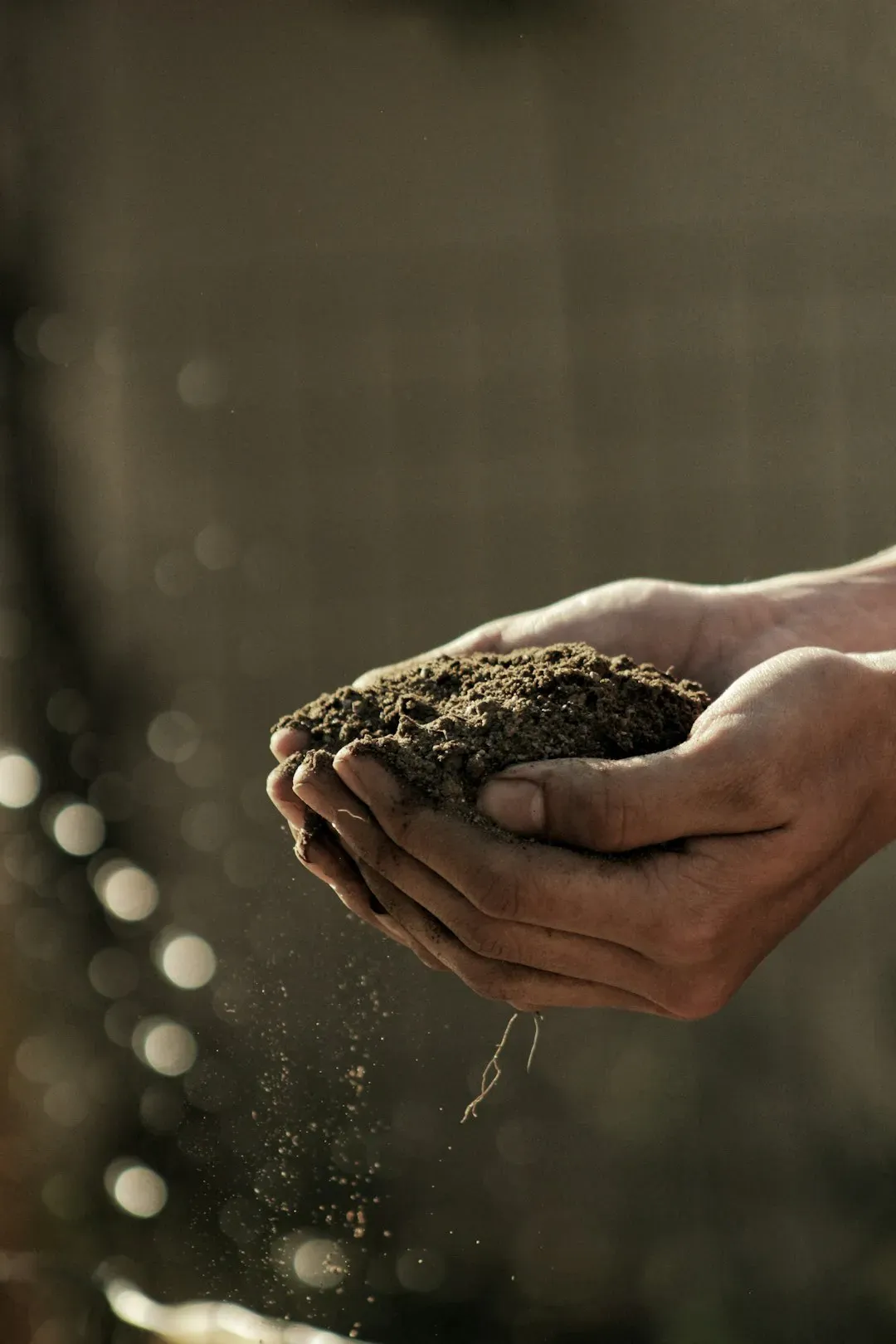
Here is the thing a lot of beginner gardeners skip: soil is everything. You can buy the best seeds on the market, plant them at exactly the right time, and still fail miserably if your soil is compacted, depleted, or just plain wrong for what you are trying to grow. Soil varies dramatically across U.S. regions, and the U.S. Geological Survey highlights how regional differences in soil composition directly influence plant selection and irrigation strategies.
Honestly, the single smartest investment any gardener can make is a basic soil test. Understanding your pH, organic matter levels, and drainage characteristics tells you almost everything you need to know before planting. Gardeners in the Pacific Northwest will deal with heavy clay soils very differently than those working sandy loam in the Southeast. Do not guess. Test.
Compost Is the Great Climate Equalizer
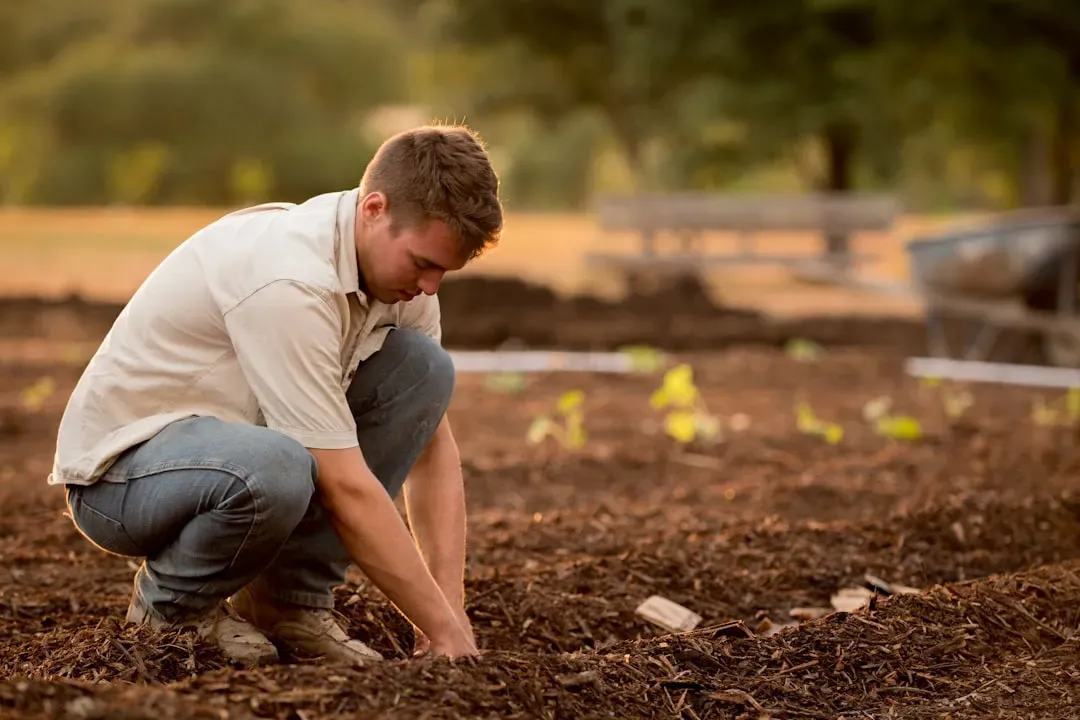
Soil scientists report that for every one percent of organic matter content, the soil can hold 16,500 gallons of plant-available water per acre of soil down to one foot deep. That is a staggering amount of water-holding capacity hiding inside something you can make for free in your backyard. Composting is not just a feel-good sustainability practice. It is a hard science win for gardens in every climate zone.
Compost application has been shown to increase soil water retention, with studies demonstrating that organic amendments can enhance water storage capacity, particularly in sandy soils. Whether you garden in the arid Southwest or the frequently flooded mid-Atlantic, boosting your organic matter content through regular composting creates a more resilient growing environment. Compost increases soil carbon and microbial biomass, changes enzymatic activity, and enriches soil carbon and nitrogen stocks. Healthier soil biology means healthier plants, full stop.
Water Wisely – Because Outdoor Water Use Is a Serious Problem
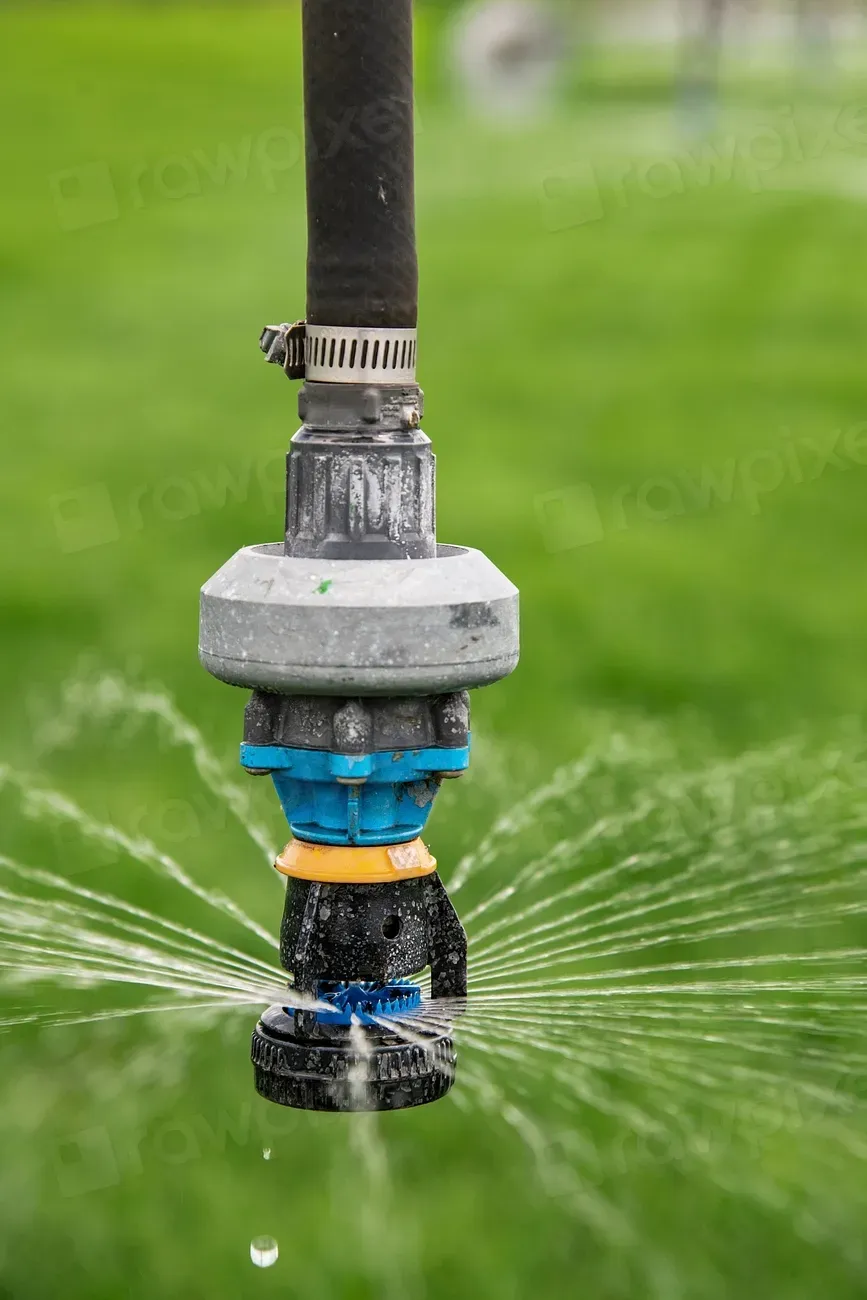
Let’s be real about water. American households are not exactly models of efficiency when it comes to the garden hose. Nationally, outdoor water use accounts for 30 percent of household use, yet can be much higher in drier parts of the country and in more water-intensive landscapes. The arid West has some of the highest per capita residential water use because of landscape irrigation. That is a lot of water, much of it going to plants that might not even need it.
As much as 50 percent of the water we use outdoors is lost due to wind, evaporation, and runoff caused by inefficient irrigation methods and systems. Drip irrigation, soaker hoses, and early-morning watering schedules are not fancy upgrades. They are basic fixes that can dramatically cut waste. Design-centered choices like grouping plants with similar water needs together can reduce outdoor water use by up to 50 percent over traditional landscaping methods.
Plant Natives and Let Nature Do the Heavy Lifting
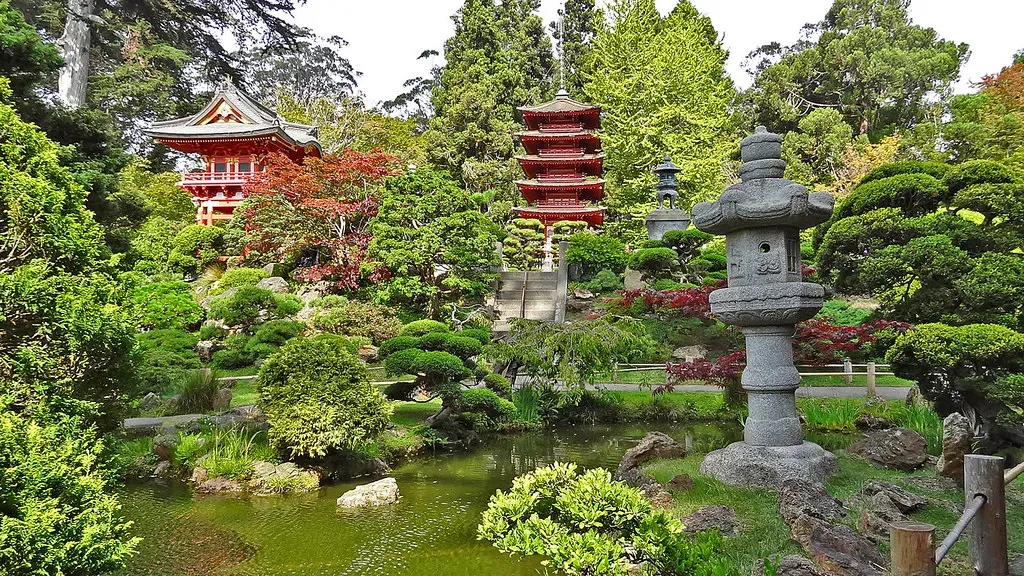
I think one of the most underrated gardening moves any American homeowner can make is simply choosing native plants. The evidence is overwhelming. Native plants do not require fertilizers and require fewer pesticides than lawns. Native plants require less water than lawns and help prevent erosion. The deep root systems of many native Midwestern plants increase the soil’s capacity to store water. Those deep roots are not just holding soil together. They are essentially building natural irrigation infrastructure underground.
Many native plant species thrive in poor-quality soils, and using fertilizers can inadvertently cause adverse effects. An over-supply of nutrients can cause plants to grow weak, produce fewer flowers, and experience chemical burns from applied fertilizers. Less work, less cost, and better results. That is a compelling case for going native in any zone, whether you are in zone 4a in Minnesota or zone 9b in southern Texas.
Adapt Your Planting Calendar to Regional Climate Patterns
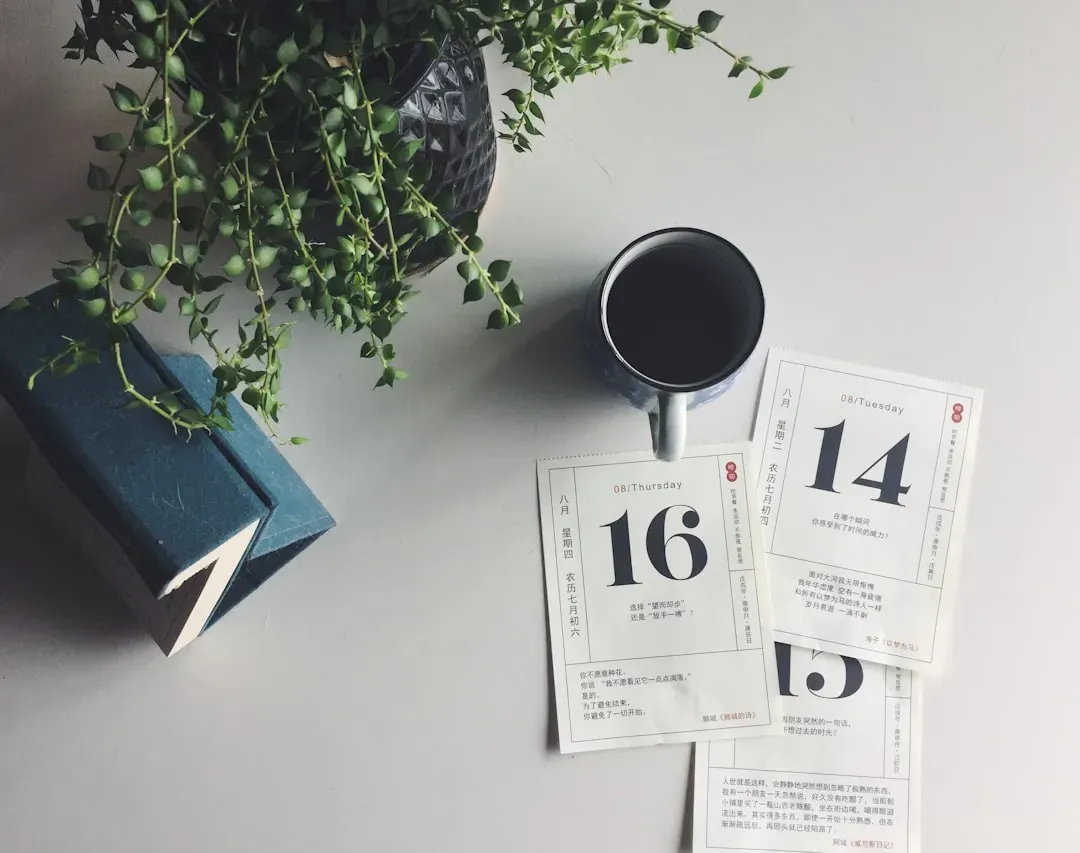
One of the most practical tools available to American gardeners is the region-specific planting calendar. Extension programs from universities such as the University of California Agriculture and Natural Resources provide region-specific planting calendars widely used by home gardeners. Think of these calendars like a GPS for your growing season. Without one, you are just guessing when to plant, and in a country as climatically diverse as the United States, guessing is expensive.
The timing of first and last frosts can vary by weeks or even a full month within a single state. A gardener in coastal San Diego has year-round growing potential, while someone in Minneapolis might have barely five frost-free months. Keep in mind that the new USDA map is backward looking. It represents changes that have already taken place over the past 30 years. So pairing your hardiness zone with a current local planting calendar from your state’s extension service is the smartest move you can make each season.
Mulching Protects Your Garden From Climate Extremes
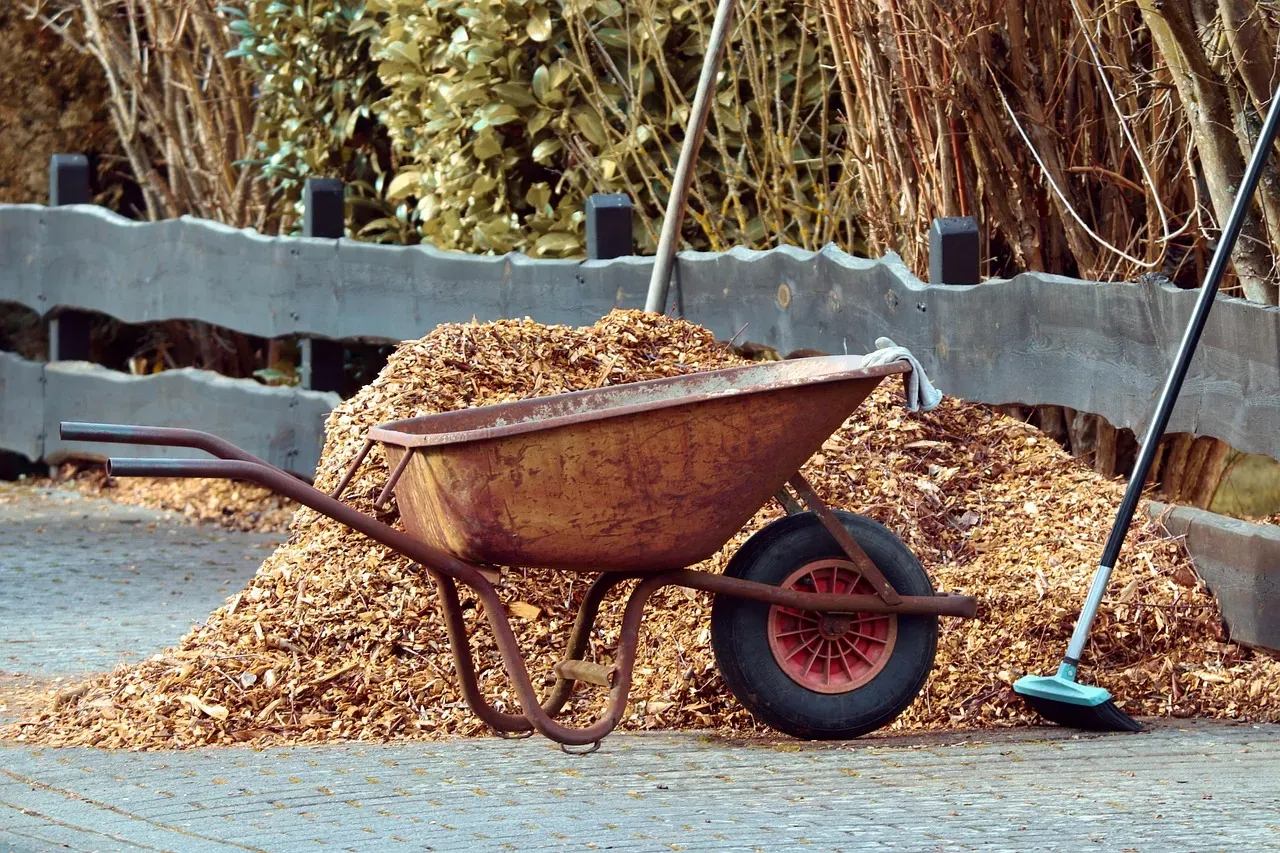
Mulch is one of those unglamorous gardening tools that genuinely punches above its weight. A simple two to three inch layer of organic mulch does an enormous amount of work: it regulates soil temperature, retains moisture, suppresses weeds, and slowly feeds your soil as it breaks down. The Food and Agriculture Organization emphasizes mulching as one of the key climate-smart agriculture practices effective at maintaining productivity under changing weather conditions, alongside crop diversity and composting.
In hot, dry regions like the Southwest and the Great Plains, mulch can be the difference between a garden that survives summer and one that shrivels by July. In wetter climates, it helps prevent erosion and reduces disease pressure caused by soil splash. Choosing natives and plants adapted to grow in your soil and climatic conditions will substantially decrease the amount of fertilizer needed by your yard. Mulching also helps dramatically reduce the amount of fertilizer needed by adding an organic component to an otherwise barren soil.
Embrace Crop Diversity to Build Garden Resilience
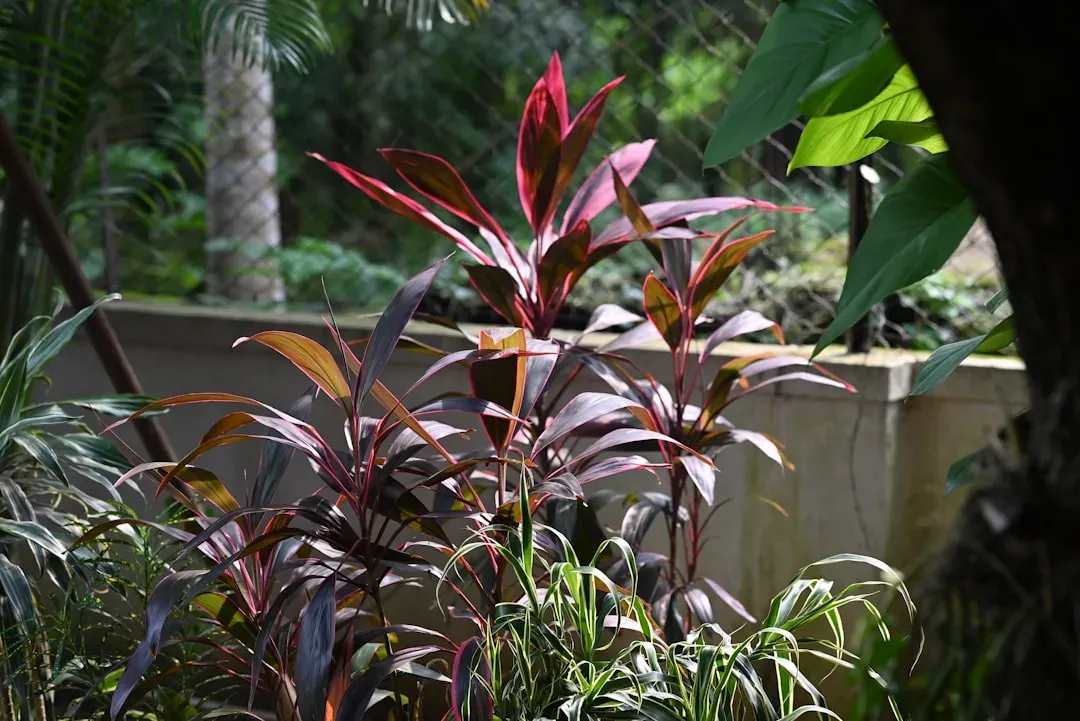
Growing one type of plant is a gamble no matter what zone you live in. A single pest, one bad heat event, or an unexpected late frost can wipe out an entire monoculture plot in days. Diversifying what you grow is not just an aesthetic choice. It is a genuine risk management strategy, and the science supports this strongly. The more variety you introduce, the less likely any single problem will be catastrophic.
High heat can also affect plant growth and survival, and information on heat and high temperatures is also useful for gardeners, especially given that the climate is shifting. Mixing cool-season crops with heat-tolerant varieties, layering tall plants with low groundcovers, and rotating crops annually all work together to create a garden ecosystem that is harder to disrupt. It’s hard to say for sure which single approach works best across all zones, but diversity consistently emerges as a winner in resilience research.
Community Gardening as a Climate Adaptation Strategy
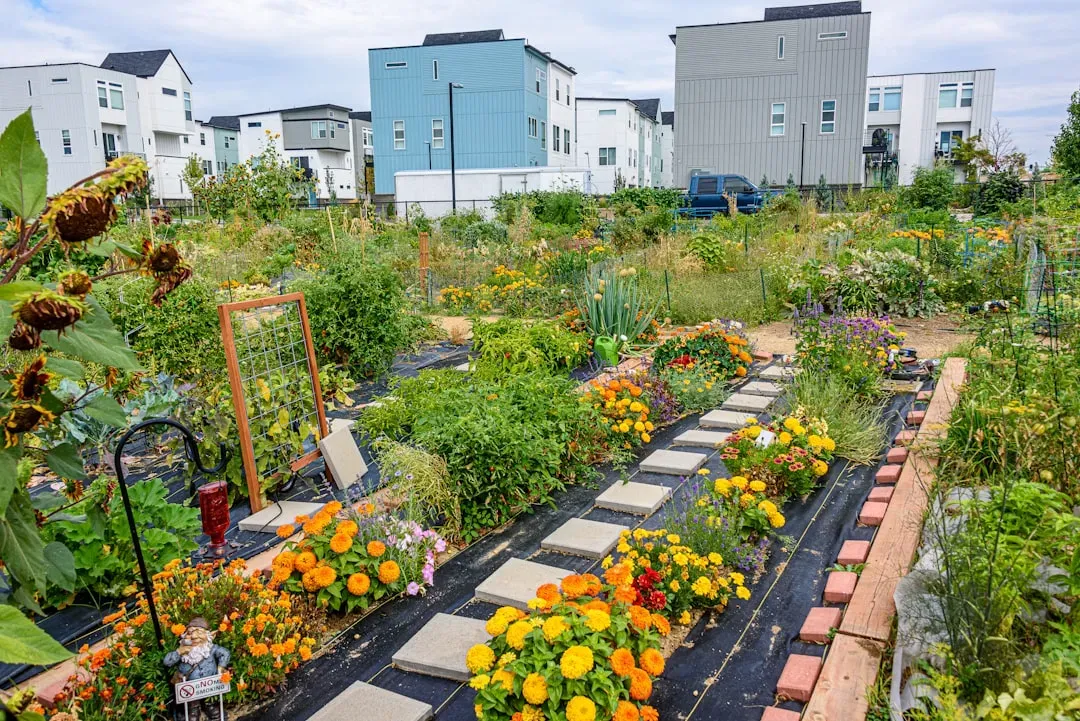
The rise of community gardening across the U.S. is not just a trend. It reflects something genuinely important about how communities are adapting to food system pressures and changing climate conditions. The American Community Gardening Association notes continued growth in community gardening, linked to food security and climate adaptation efforts in many U.S. cities. When neighbors share growing space, they also share knowledge, tools, seeds, and the labor of building healthier soil.
Community gardens are especially powerful in dense urban environments where individual yard space is limited and heat island effects make gardening more challenging. According to the National Gardening Association, participation in home food gardening has increased in recent years, with many households citing cost savings and sustainability as key motivations. Shared growing spaces amplify those benefits across entire neighborhoods. There is something genuinely exciting about a city block deciding to grow its own food together.
Monitor Climate Variability and Adjust Your Garden Strategy Each Year
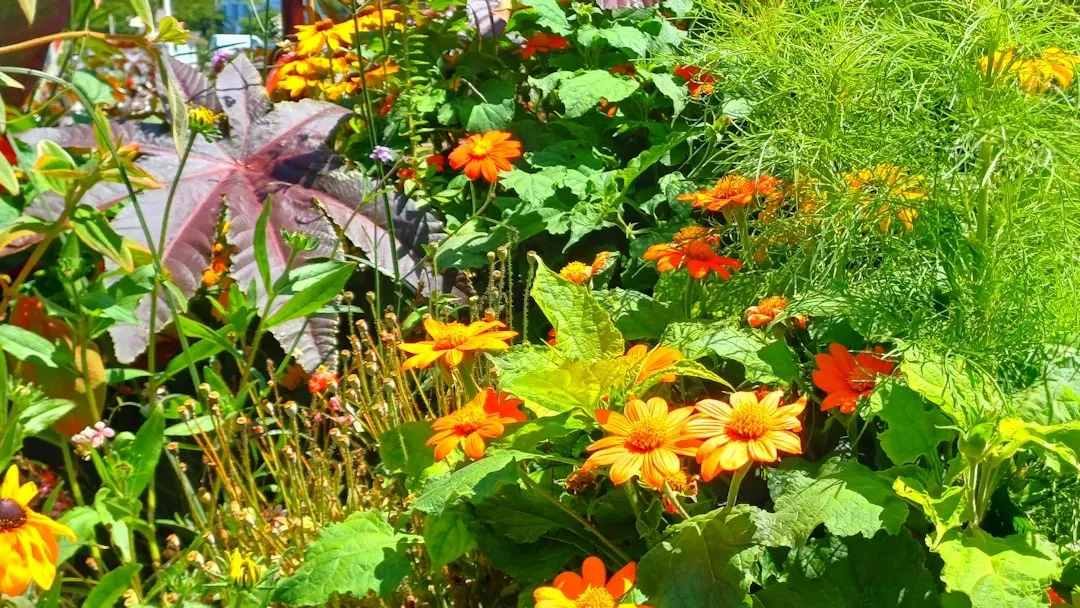
Here is the uncomfortable truth that every serious gardener eventually learns: no two growing seasons are the same. The National Oceanic and Atmospheric Administration reports that climate variability, including heat waves and intense rainfall, has increased in frequency, affecting planting schedules and crop success. What worked perfectly in your zone three years ago may need adjusting today. Flexibility is the skill that separates good gardeners from great ones.
Keep a garden journal. It sounds old-fashioned, but recording what you planted, when you planted it, what the weather did, and what survived gives you a personalized dataset that no app or zone map can replicate. Over the long run, we will expect to see a slow shifting northward of zones as climate change takes hold. Staying observant, staying curious, and being willing to experiment with new varieties or adjusted timing makes your garden more adaptable every single season.
Conclusion: Your Garden Is Possible, No Matter the Zone
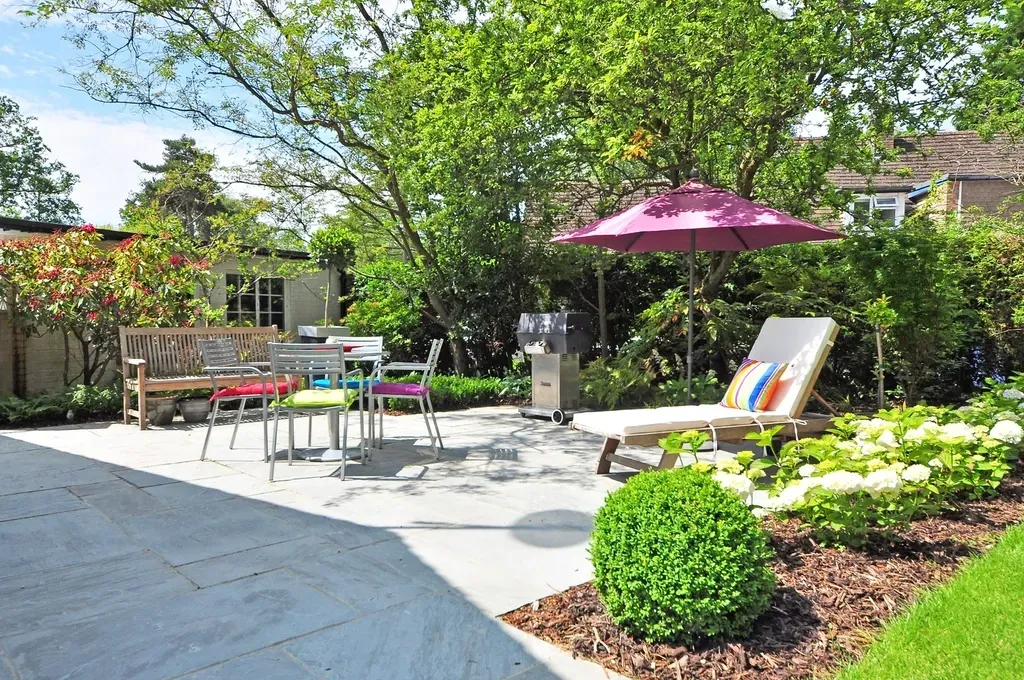
Thriving in any U.S. climate zone is less about luck and more about informed decisions. Know your zone with the updated 2023 USDA map. Test your soil. Compost consistently. Water efficiently. Choose plants that belong where you live. These are not complicated ideas. They are practical, evidence-backed moves that any gardener, beginner or seasoned, can act on starting this weekend.
The climate is shifting, the seasons are becoming less predictable, and garden challenges are evolving. Still, humans have grown food and beauty in difficult conditions throughout history. Your zone does not limit you. It challenges you to garden smarter. What change will you make in your garden this season?