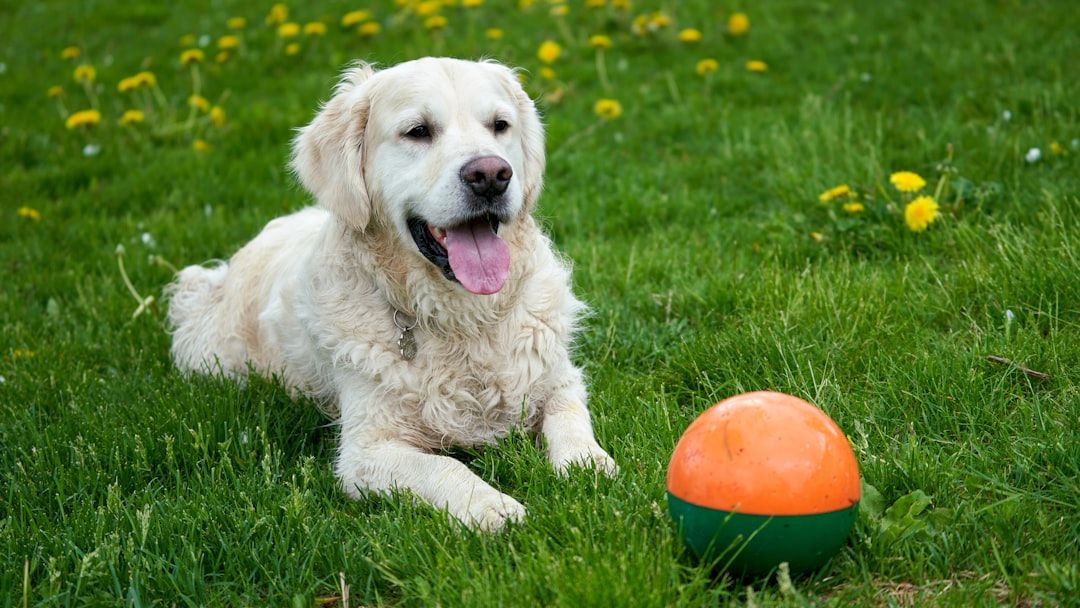

The Hidden Message in a Wagging Tail

Dogs don’t just wag their tails when happy – the direction matters. Research shows that dogs exhibit a right-side wagging bias for stimuli with positive emotional valence like seeing their owner, while left-biased wagging indicates right hemisphere activation for stimuli that trigger withdrawal responses. When dogs looked at tails wagging to the left, their heart rate increased and they showed more signs of stress and anxiety, while they were more relaxed viewing tails wagging to the right. It’s honestly like watching your dog’s brain activity play out in real time through that furry pendulum.
Why Your Cat Purrs When Hurt
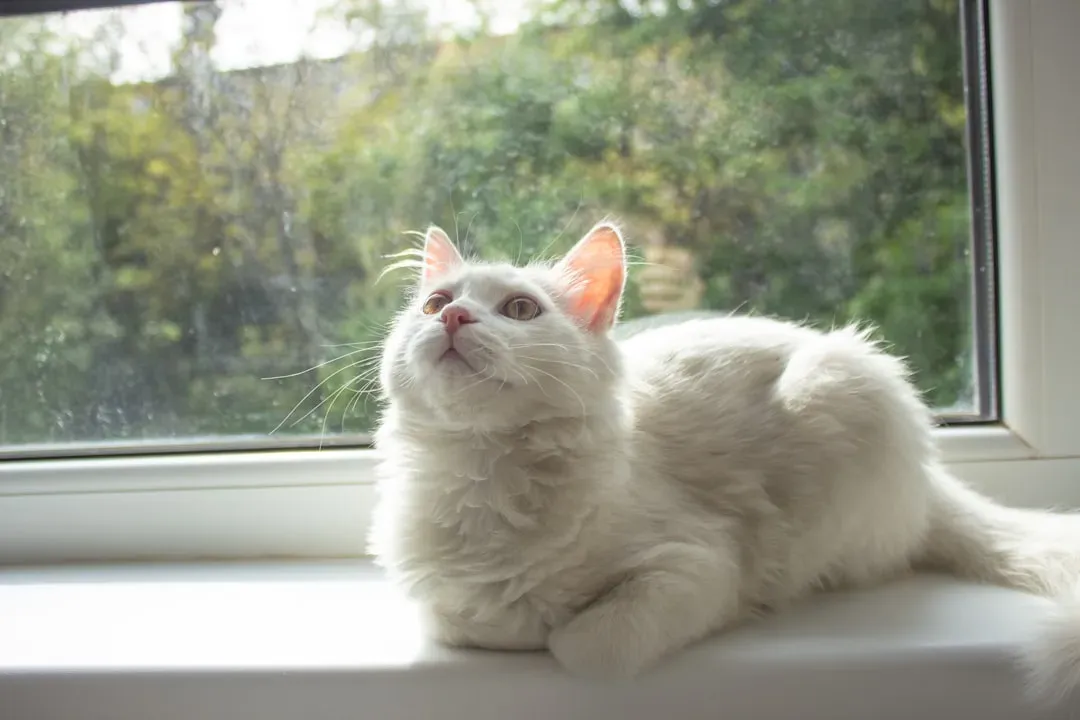
Most people assume purring means a cat is content and cozy. Turns out, it’s way more complicated than that. Research suggests that a cat’s purr may offer health benefits, with the frequency typically between 25-150 hertz having potential therapeutic effects on the body and mind. Cats also purr when anxious, injured, or seeking comfort, not just during happy moments. Think of it as your cat’s version of self-soothing or even asking for help.
Yawning Isn’t About Being Tired

Dogs may exhibit repetitive or exaggerated yawns when feeling stressed or uneasy in a particular situation as their way of attempting to self-soothe and communicate their emotional state to others. Dogs often use yawning as a social signal to diffuse tension with other dogs or humans. So when your pup yawns during a vet visit or when meeting a new dog, they’re essentially saying “I’m not a threat here.” Pretty clever social strategy if you ask me.
The Secret Language of Slow Blinking
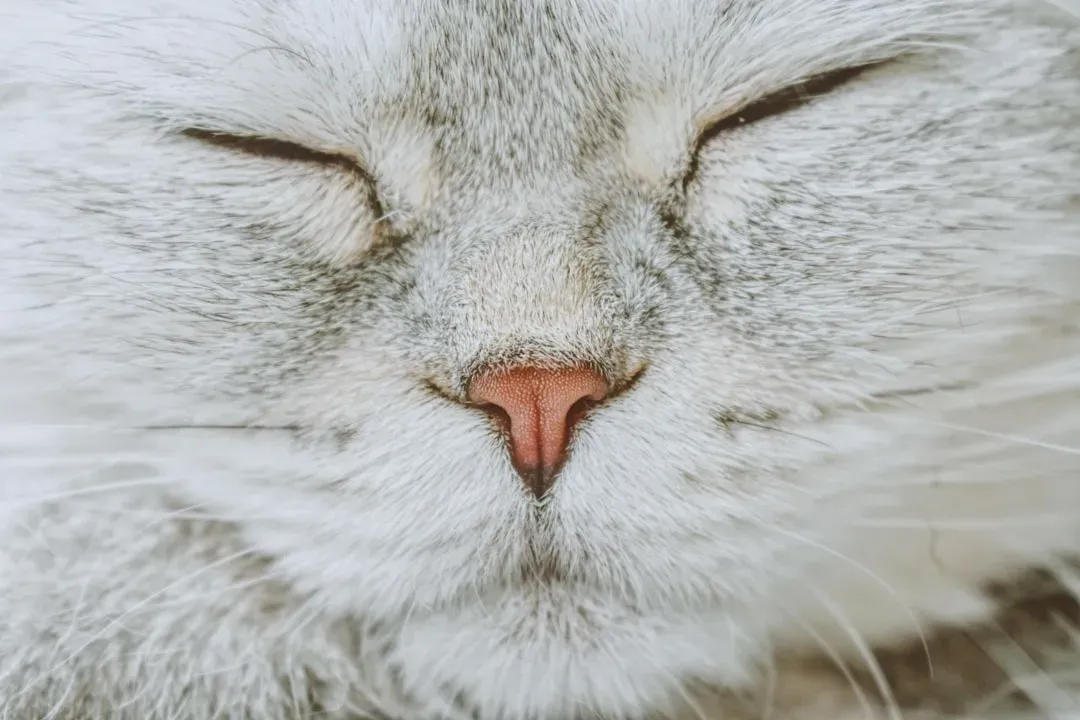
Cats are more likely to slow blink at their owners after their owners have slow blinked at them compared to when they don’t interact at all, and cats were more likely to approach an experimenter’s outstretched hand after they’d slow blinked at the cat compared to when they had adopted a neutral expression. The slow blink is a social signal of safety and trust – the feline equivalent of a smile. Next time your cat gives you that lazy half-closed eye look, they’re basically telling you they feel safe enough to be vulnerable around you.
What Your Pet’s Ears Are Really Saying
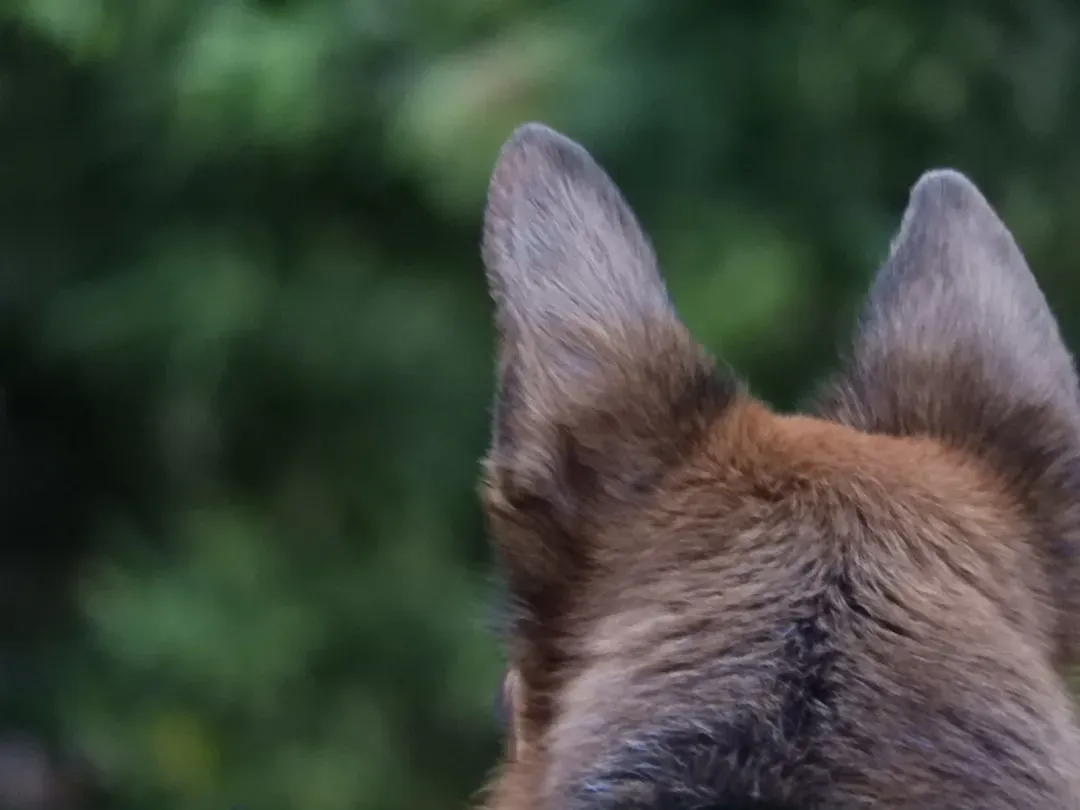
Ears forward indicate interest and attention in both dogs and cats, while ears back and down can signal stress or submission in dogs and possible aggression or fear in cats. When felines are relaxed and happy, their ears are put into what is known as the neutral position, which in most cases will have the kitty’s ears facing forward a bit. Learning to read ear positions is like unlocking a whole new communication channel with your furry companion.
The Pitch of Their Voice Reveals Everything

Your pet’s vocalizations aren’t random noise. Higher-pitched sounds typically correlate with heightened excitement or distress in domestic animals, according to acoustic studies from recent years. Lower, rumbling sounds tend to communicate calmness or warnings. When your dog’s bark suddenly gets shrill or your cat’s meow climbs an octave, they’re broadcasting their emotional intensity loud and clear.
Kneading Means More Than Comfort
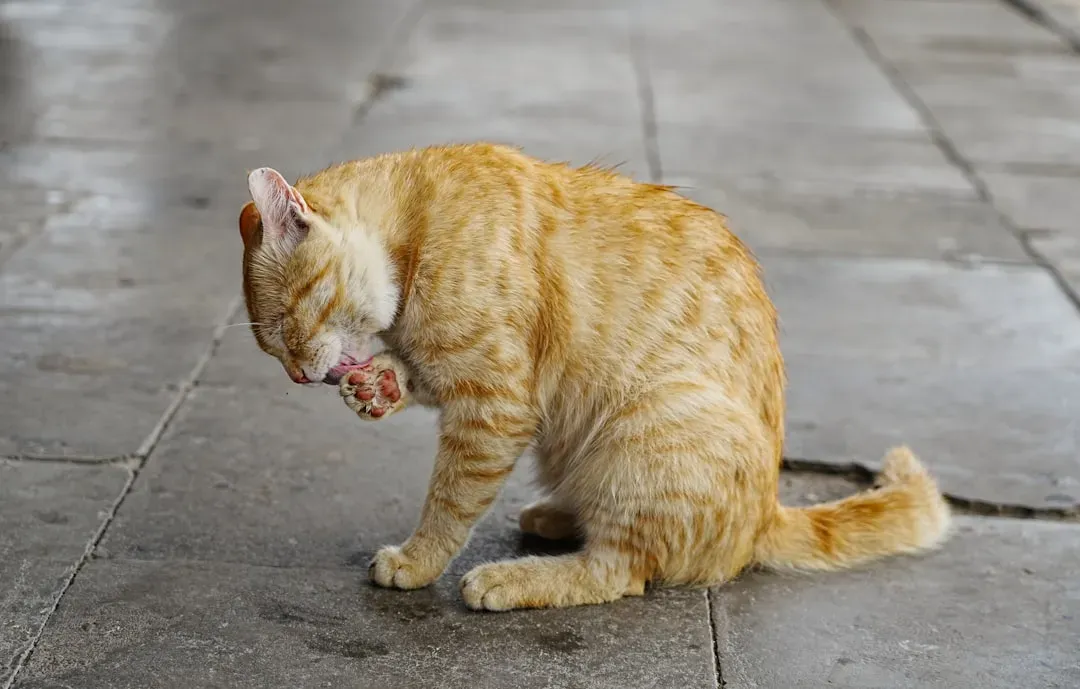
That rhythmic push-pull motion cats do with their paws brings them right back to kittenhood. The behavior originates from nursing, when kittens kneaded their mother’s belly to stimulate milk flow. Adult cats continue this as a sign of relaxation and attachment to you. When your cat kneads on your lap, they’re essentially treating you like their mom and expressing deep contentment. Some even drool a bit during the process.
Eye Contact Creates a Chemical Bond

Dogs increase eye contact with humans they trust, and something pretty remarkable happens during those moments. Research shows that mutual gazing between dogs and humans releases oxytocin in both species – the same bonding hormone that strengthens parent-child relationships. So when your dog stares lovingly into your eyes, you’re both getting a neurochemical hug that deepens your connection.
Sudden Changes Signal Health Problems

Here’s where things get serious. Abrupt shifts in your pet’s usual habits can be early warning signs of illness or pain. If your normally social cat suddenly starts hiding, or your friendly dog becomes unexpectedly aggressive, don’t brush it off as just a mood. Changes in vocalization patterns, activity levels, or typical behaviors deserve veterinary attention because animals often mask discomfort until it becomes unbearable.
They Combine Signals for Clarity
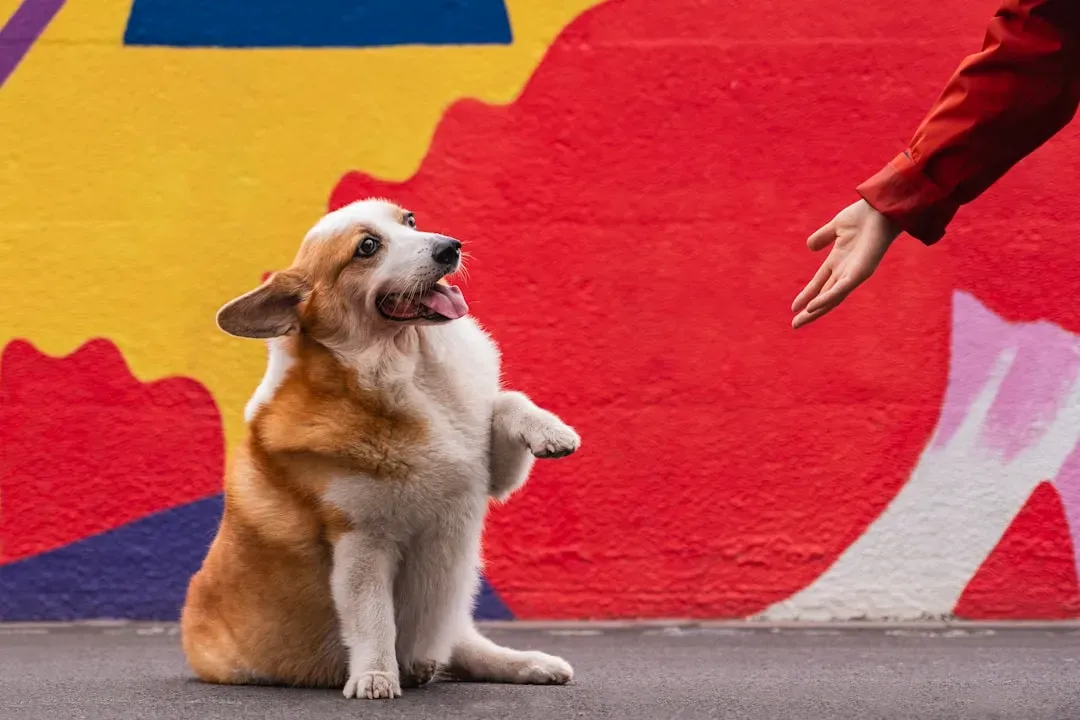
Animal behaviorists emphasize that pets rarely rely on a single cue to communicate their intentions. Instead, they layer posture, sound, and movement together to convey their complete message. A wagging tail combined with tense muscles and pinned ears tells a very different story than a wagging tail with a loose body and forward ears. Reading your pet accurately means looking at the whole picture, not just isolated pieces. It’s honestly the difference between fluency and just knowing a few words in their language.
Your pet’s been talking to you all along. Now you just know how to listen better. What have you noticed about your own pet’s quirky communication style? Drop your observations below.