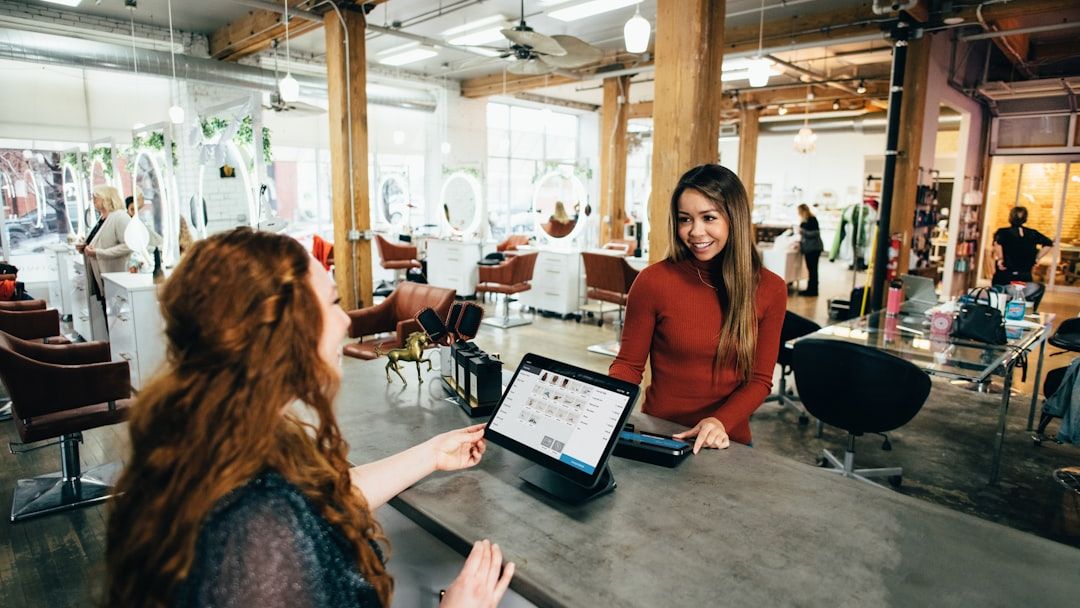

There’s something quietly powerful about handing your money to a real person, someone who knows your name, your neighborhood, and probably your usual order. Local businesses are not just quaint alternatives to big-box convenience. They are the economic engine running right underneath your feet, funding schools, employing neighbors, and shaping the personality of the streets you walk every day.
Yet most Americans never stop to think about how to actually spot them, choose them deliberately, or support them in ways that genuinely move the needle. That’s what this guide is for. Be surprised by what even small habits can change in your community.
Why Local Businesses Matter More Than You Think
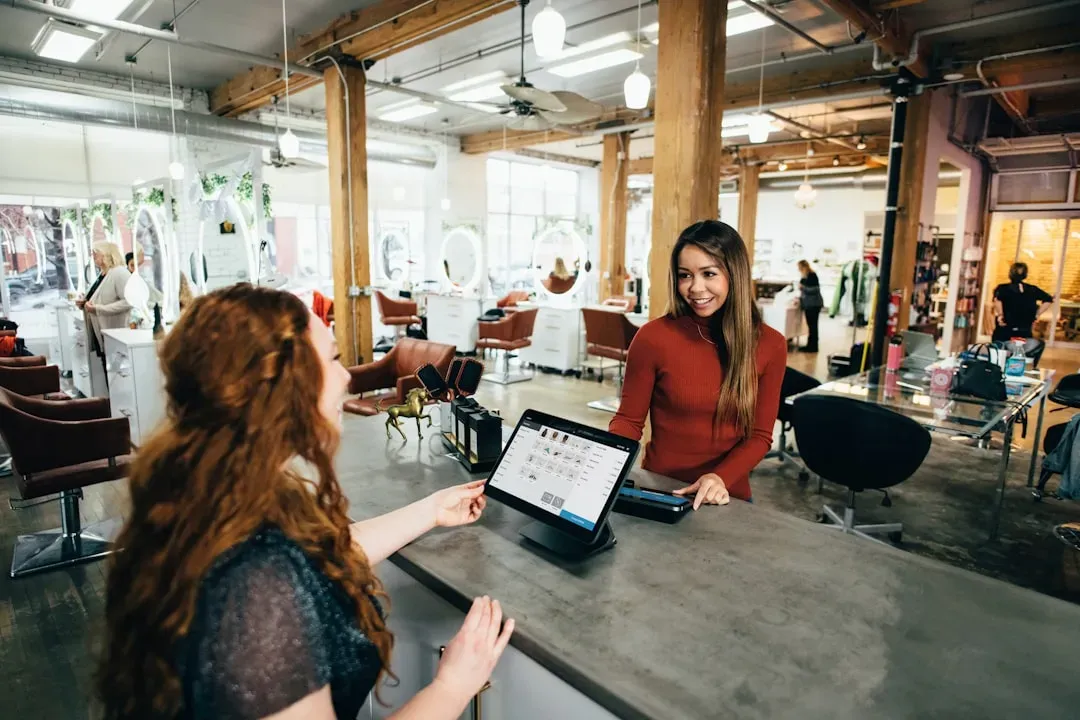
Let’s be real – when most people think “small business,” they picture a cute coffee shop or a family-owned hardware store. That image, while accurate, barely scratches the surface of the scale involved. As of June 2025, the US had 36.2 million small businesses, and those firms employed 62.3 million people, roughly 45.9% of all private-sector employees.
The job creation story is even more striking. The most recent year-over-year data reveals that 1.2 million net new jobs, which amounts to 88.9% of all net new jobs nationwide, were created by small businesses. That is not a rounding error. That is the foundation of how most Americans find work.
Honestly, the numbers make it hard to look at a chain store the same way ever again. Nearly nine in ten Americans state that small businesses have a positive impact, whereas only 29% of Americans view large corporations positively. The public sentiment is clear. The question is whether that sentiment translates into action.
How to Spot a Locally Owned Business
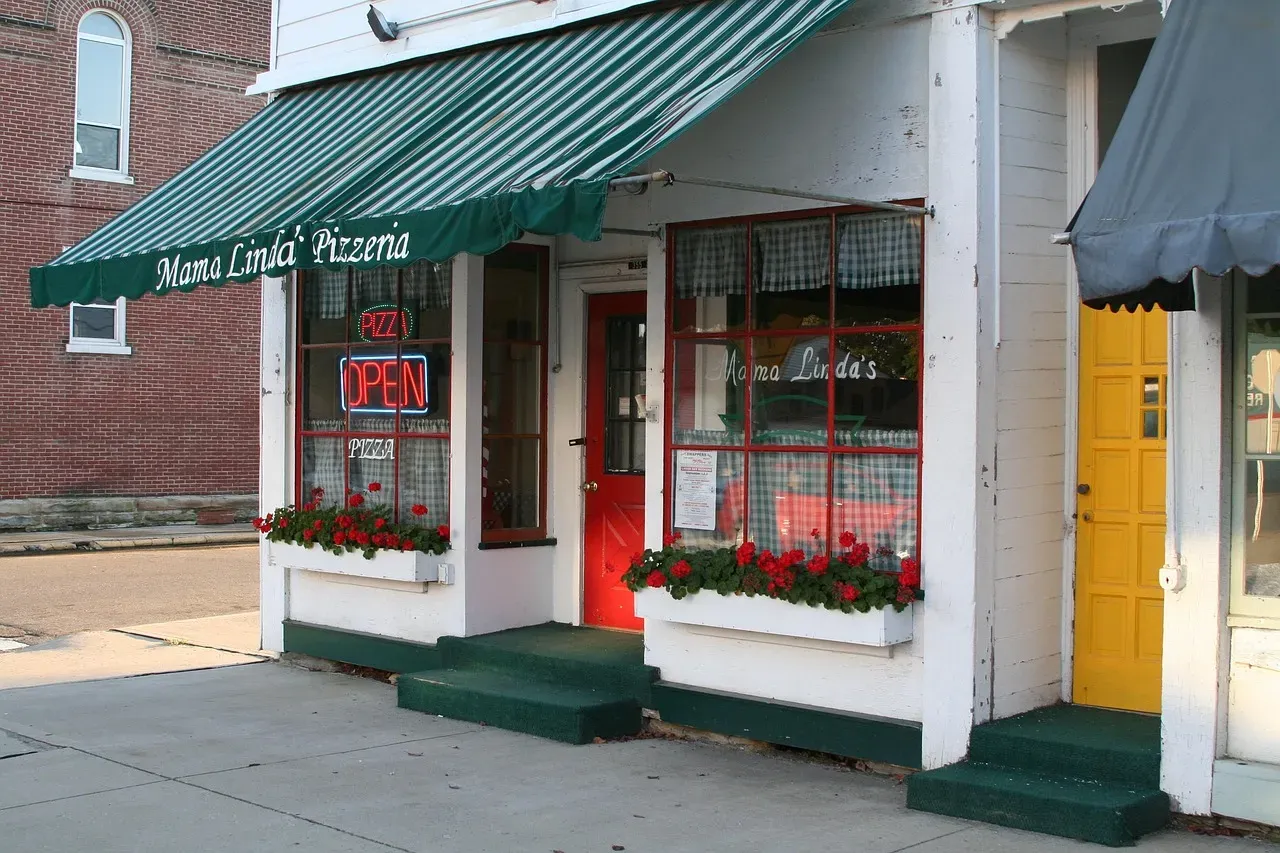
Here’s the thing – identifying a true independent local business isn’t always obvious. A storefront can look polished and professional while still being entirely community-owned, and a franchise in a strip mall can look “local” while sending the majority of its profits to a corporate headquarters hundreds of miles away.
The simplest test? Ask who owns it. Locally owned means decisions are made in your community, by someone who lives there, pays taxes there, and invests there. Look for businesses that source their supplies locally, too. On average, small businesses source nearly half of their suppliers from their local community, which creates a ripple effect that keeps dollars circulating close to home.
You can also check platforms like the American Independent Business Alliance directory, local chamber of commerce member lists, or your city’s “Buy Local” initiative registries. Two thirds of small business owners say most of their customers live within their city or state, which tells you these businesses are deeply embedded in the local fabric, not just passing through.
Understanding the Local Multiplier Effect

This is where the economics get genuinely exciting. When you spend a dollar at a locally owned shop versus a national chain, that dollar travels a very different path. According to research by the American Independent Business Alliance, about 48 cents of every dollar spent at a local independent business stays in the local economy, compared with roughly 14 cents from chain retailers. Think of it like a ball bouncing inside a room versus one that flies straight out the window.
When you support a locally owned business, approximately 68% of your money stays within the community, far more than when you shop at large chains or online retailers. That recirculated money helps fund local wages, local suppliers, and community programs that larger businesses often never touch.
The Local Initiatives Support Corporation notes that locally owned businesses help strengthen neighborhood economies by circulating revenue locally and supporting community programs, which is why many cities now run formal “buy local” campaigns. It’s not just a feel-good slogan. It’s a measurable economic strategy.
Shop Local First: Making It a Daily Habit
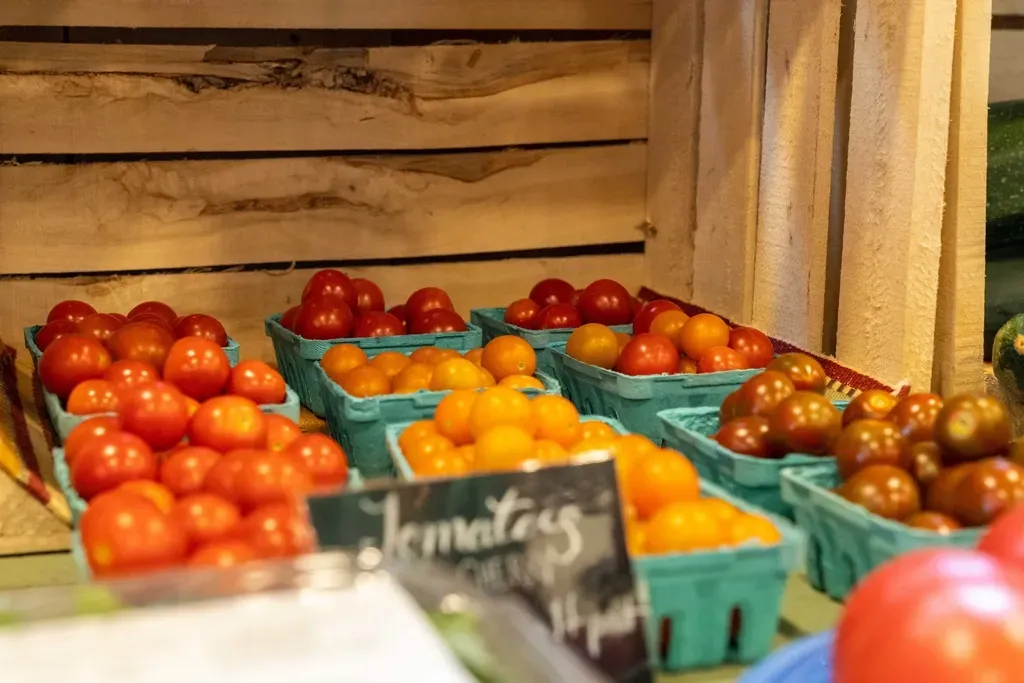
Supporting local doesn’t require a dramatic lifestyle overhaul. It starts with a small mental shift: before defaulting to Amazon or a chain restaurant, just ask yourself if there’s a local option first. That one pause can redirect an enormous amount of economic energy over a year’s worth of purchases.
Staying connected to local businesses is more important than ever, especially in a world increasingly driven by big corporations. Whether you’re looking for ways to shop, eat, or live locally, there are plenty of simple, meaningful ways to make a difference. Start with one category. Maybe it’s your morning coffee, your grocery runs, or your holiday gifts.
A consumer survey found that 79% of Americans say supporting small businesses is important to them, according to Intuit. Yet a gap clearly exists between stated values and actual spending behavior. Closing that gap, even partially, starts with making local your default rather than your exception.
Leave Reviews: One of the Most Powerful Free Actions You Can Take

This one sounds almost too simple, but don’t underestimate it. According to Pew Research Center, about 70% of Americans rely on online reviews when choosing where to shop or eat. That means a single honest, enthusiastic five-star review you leave today could send dozens of new customers through a local business’s door next month.
Positive reviews can make a huge difference for small businesses. Taking a few moments to share your experience on Google, Yelp, or Facebook helps others find great local spots. It costs nothing. It takes maybe three minutes. The impact, however, can be enormous for a business operating on tight margins.
Think about it this way: if every customer who had a great experience at a local spot left even one review per year, the visibility those businesses gain would be transformative. It’s one of the highest-leverage, zero-cost things any community member can do right now.
Participate in Small Business Saturday and Local Shopping Events
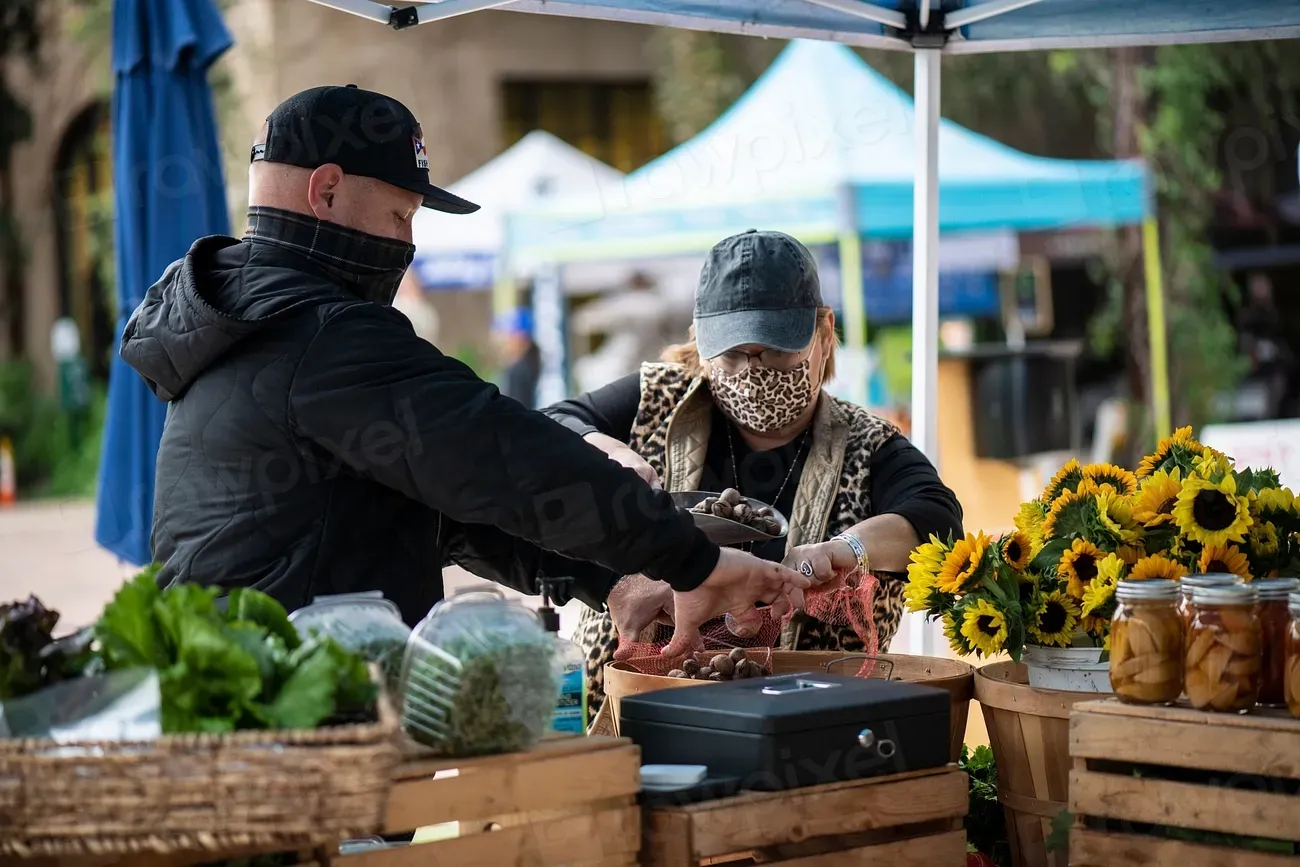
American Express launched Small Business Saturday back in 2010, and it has grown into something genuinely significant. In 2023, consumers spent about $17 billion during the annual event. Since it began, total spending is estimated at $201 billion, revealing just how much of a difference-maker this single day can have on local business revenue.
Even more impressively, there was an estimated 29.4% increase in Small Business Saturday consumer spending, rising from $17 billion in 2023 to $22 billion in 2024. That kind of momentum shows that when communities rally around a shared shopping moment, the impact is real and measurable.
Don’t limit this energy to one day a year, though. Many cities and towns run monthly markets, local business fairs, and neighborhood commerce events year-round. Participating in community events strengthens local ties and supports initiatives that benefit everyone. Make these a part of your regular calendar, not just a holiday-season impulse.
Follow and Engage With Local Businesses Online

We live in an era where a single share or repost can reach hundreds of people. According to the U.S. Chamber of Commerce, over 90% of small businesses use at least one digital platform such as social media or an online marketplace to reach customers. That means there’s almost certainly a local business in your area posting content and hoping someone, anyone, will engage with it.
Small business owners aren’t pouring into their communities alone – they’re empowering their employees to do the same. More than 7 in 10 small business owners say they offer volunteer or community service opportunities to employees. These are people actively investing in their neighborhoods. Following them online and amplifying their content is a way to invest back.
Liking a post takes two seconds. Sharing one takes five. Leaving a comment takes maybe thirty. These micro-actions cost nothing and contribute to the algorithm visibility that determines whether a local business finds new customers or gets buried in a feed dominated by corporate advertising budgets.
Buy Gift Cards and Prepay for Services

Gift cards are genuinely underrated as a support tool. When you buy a gift card from a local business, you’re essentially giving them an interest-free loan with guaranteed future revenue. For a small shop navigating seasonal dips or unexpected costs, that kind of cash flow boost can be a lifeline.
According to the 2025 Small Business Credit Survey, 75% of small firms cite rising costs of goods, services, or wages as a top financial challenge. About 56% say paying operating expenses is difficult, and 51% struggle with uneven cash flow. Prepaying for a haircut, a massage, a class, or a future dinner reservation directly addresses that cash flow problem in a very concrete way.
Give local gift cards as gifts too. It introduces new people to businesses they might never have discovered, turning one purchase into a potential long-term customer relationship. I know it sounds almost too practical, but this is genuinely one of the most underused tools in the “support local” toolkit.
Recognize Local Businesses That Give Back to the Community

One beautiful and often overlooked fact about local businesses is how deeply they tend to reinvest in the communities they serve. Eight in ten small businesses say that their business has a clearly defined mission that includes giving back to their local community. The survey finds that small businesses not only say that businesses should give back, but most have taken action to do so. Overall, 91% of small businesses believe that businesses should give back to their local communities.
Sixty-four percent of small businesses report donating to local charities in the past year. Also, two in three plan to donate to charitable organizations during the holiday season, up significantly from this time last year. These are not passive actors in community life. They are active partners.
When you identify these businesses, celebrate them publicly. Mention them by name in neighborhood Facebook groups, nextdoor posts, or community newsletters. There is near universal agreement among survey respondents that small businesses go above and beyond for their customers and community, giving back, sponsoring community events, and even remembering regular customers’ orders. Recognition encourages more of the same behavior, from them and from others watching.
Advocate for Local Businesses in Your City and Online

Supporting local isn’t only about where you spend money. It’s also about the policies, zoning decisions, and community conversations that determine whether small businesses can survive and thrive. Attend a city council meeting. Sign a petition opposing predatory commercial rent hikes. Speak up when a beloved local spot is being pushed out by development.
A thriving economy starts in cities, regions, and states, where private enterprise and public policy work hand in hand. Greater growth is driven by businesses in local communities when supported by smart public policy. Your voice as a resident, customer, and voter shapes that policy environment, perhaps more than you realize.
Studies have shown that communities with higher percentages of locally owned businesses enjoy better outcomes across nearly every social, environmental, and economic indicator. These businesses are more likely to provide jobs with fair wages, make environmentally conscious decisions, and invest in local causes. Supporting local businesses means fostering a healthy, thriving community that is self-reliant and sustainable. That’s an argument worth making loudly, in your neighborhood and beyond.