
Travel plans can shift overnight with a single update from the U.S. Department of State. In 2025 alone, advisories saw tweaks across multiple regions amid rising tensions and conflicts, like elevations in the Middle East. Figuring out what it all means keeps you safe without scrapping your dreams.
Here’s the thing: these changes aren’t random. They pull from real-time intel, and knowing how to read them makes all the difference. Let’s break it down step by step so you can travel smarter.
1. Master the Four-Level System
The U.S. Department of State uses a straightforward four-level setup for travel advisories. Level 1 means exercise normal precautions, like your everyday trip to a familiar spot. Level 2 calls for increased caution due to things like petty crime or unrest. Levels 3 and 4 urge reconsidering or avoiding travel altogether over serious risks such as terrorism or civil war.
This system, straight from travel.state.gov, helps prioritize threats clearly. Reviews happen every 12 months for levels 1 and 2, but levels 3 and 4 get checked at least every six months or sooner if conditions shift. I find it reassuring how it cuts through the noise for quick decisions.
2. Track Regular Update Schedules
Advisories refresh constantly based on embassy reports, intelligence, and agency input from places like Homeland Security. The State Department bumped reviews in 2025 for hotspots, responding to political instability and armed conflicts in various regions. Natural disasters or health scares trigger instant changes too.
Picture this: a quiet area turns risky overnight from protests. That’s why they update in real time, as noted on their official site. Staying on top prevents nasty surprises mid-trip.
3. Sign Up for STEP Right Away

The Smart Traveler Enrollment Program, or STEP, lets you register trips for free and get tailored alerts from U.S. embassies. It beams security updates, emergency messages, and even helps locate you in crises. Millions use it post-pandemic for peace of mind.
According to the State Department, enrolling takes minutes at step.state.gov. It’s a game-changer during fast-evolving situations, like the 2025 worldwide cautions. Honestly, skipping it feels like traveling blind.
4. Cross-Check CDC Health Notices
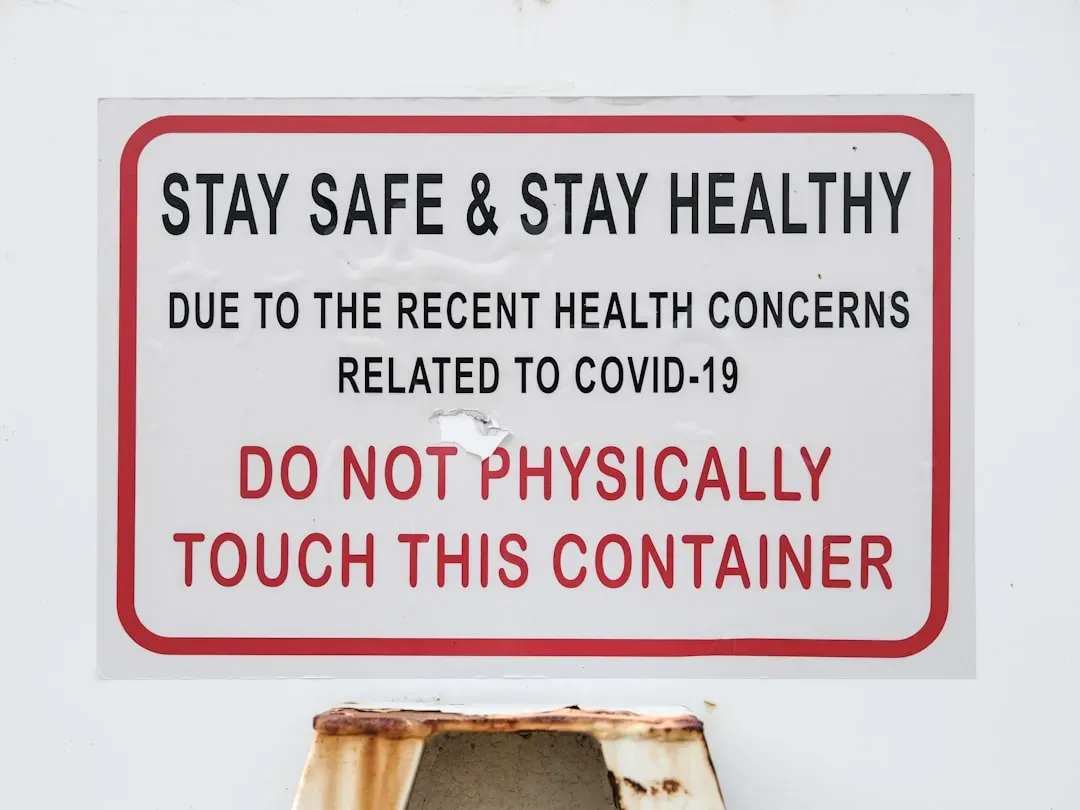
Beyond safety, the Centers for Disease Control and Prevention issues health alerts that exploded in use after COVID-19. These cover outbreaks, vaccines, and disease risks complementing State advisories. In 2023-2025, they guided travelers through mpox and other scares.
Pair them for the full picture, as both agencies coordinate closely. Health notices often lag safety ones but fill crucial gaps. It’s smart insurance against invisible threats.
5. Focus on Region-Specific Warnings
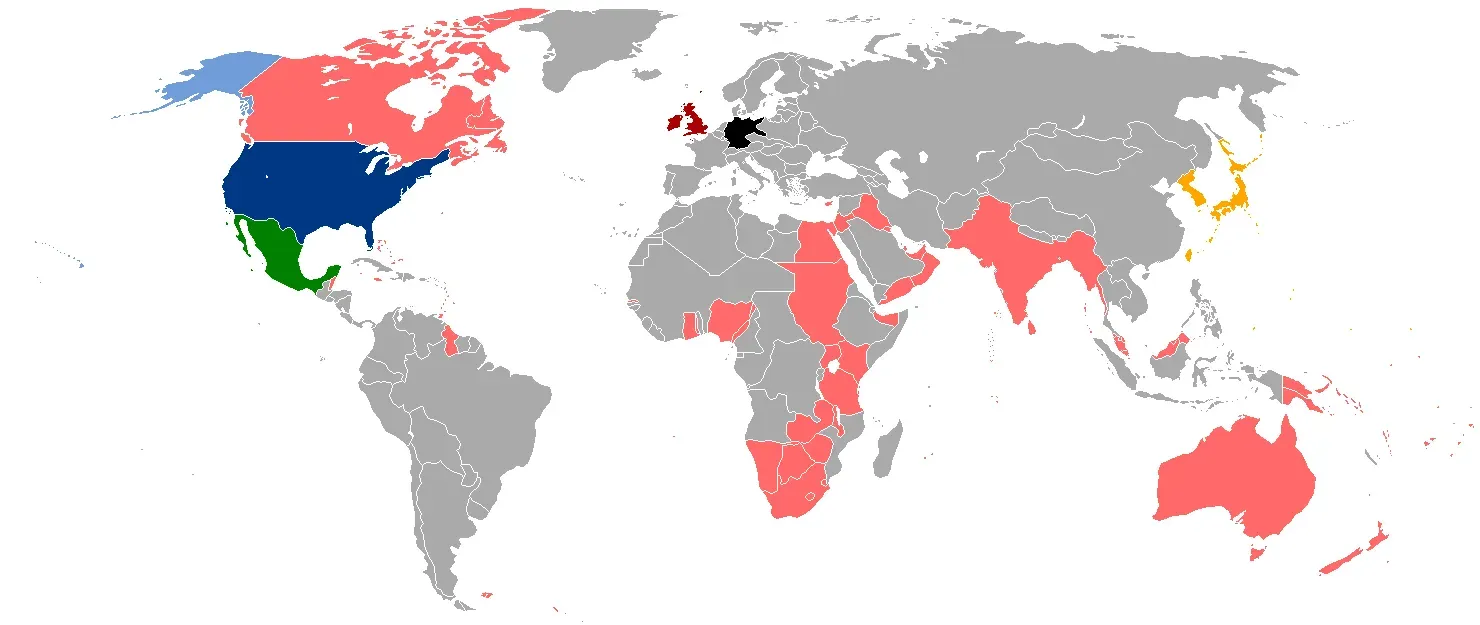
Many countries now get granular breakdowns, not blanket ratings. Some spots stay safe while others spike, like certain cities versus rural areas. The State Department rolled out a new color-coded map in 2025 to visualize this better, updating daily.
This shift, highlighted in recent reports, lets you pinpoint risks accurately. For instance, popular tourist zones might dodge higher levels. It opens doors that nationwide warnings slam shut.
6. Watch for Worldwide Caution Alerts
Global notices popped up frequently in 2024 and 2025, urging extra vigilance everywhere due to terrorism or cyber threats. Examples include June 2025 and recent March updates affecting broad areas. They layer on top of country specifics for urgent heads-ups.
The State Department pushes these via email and STEP for max reach. They’re broad but signal when to double-check plans. In a connected world, one event ripples fast.
7. Time Your Advisory Checks Perfectly

Travel pros stress peeking before booking, then again close to departure since things evolve quick. The World Tourism Organization noted international trips hit 88 percent of pre-pandemic levels by 2023, ramping up the need for vigilance. Changes hit real-time, so apps and sites keep it fresh.
Re-check 72 hours out, as experts advise. This caught shifts for many in unstable zones last year. It’s that simple habit saving headaches.
8. Dig Into the Data Sources
Advisories draw from embassies, intel assessments, and Homeland Security coordination, per the State Department. This multi-agency approach ensures robust, unbiased info. No guesswork, just verified ground truth.
In 2025, it shone through rapid responses to conflicts. Understanding this builds trust in the levels. Feels solid, like having insiders on speed dial.
9. Mind U.S. Customs Rules for Return Trips
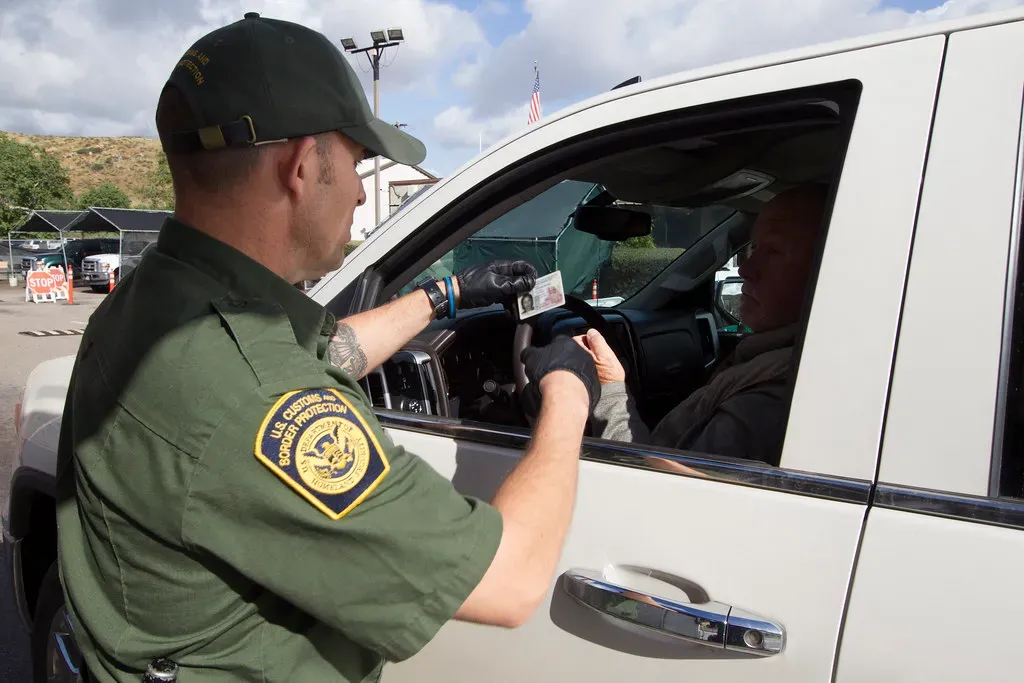
U.S. Customs and Border Protection chimes in on entry docs, processing, and rules impacting your way home. Tighter visa checks and proclamations in late 2025 affected some nationalities, though focused inbound. Still, outbound trips need harmony with return logistics.
CBP guidance pairs with State advisories for seamless journeys. Overlaps grew post-2023 rebound. One oversight strands you stateside.
10. Adapt to Rising Global Instability

2024-2025 saw multiple revisions from crime, conflicts, and unrest in key areas. State Department elevated places like parts of the Middle East to level 3 recently. Tourism’s strong comeback amplifies the stakes for informed choices.
Flexibility rules: have backups ready. Official sites track it all live. Travel safe out there.