

Every single day, a grandmother somewhere answers the phone to hear her “grandchild” crying for help. An elderly veteran sends money to a person he has fallen in love with online, someone who never existed. A retired teacher hands over her life savings because a caller claiming to be from the IRS threatened arrest. These are not rare stories. They are happening right now, in every state, in every community. And the numbers behind them are staggering.
Scams targeting individuals aged 60 and older caused over $3.4 billion in losses in 2023, an increase of approximately 11% from the year prior. By 2024, things got dramatically worse. According to FBI Internet Crime Complaint Center data, in 2024 there was a total of nearly $4.9 billion in losses from 147,127 complaints – a 46% increase in complaints from 2023, and a 43% increase in losses. This is not a slow-moving problem. It is accelerating. Let’s dive in.
1. The Urgency Trap: When Panic Is the Weapon

Here’s the thing about elder scams – they almost always start the same way. Someone creates a crisis. Urgency is the scammer’s most powerful tool, and it is deliberately designed to override calm, rational thinking. If someone contacts you or a loved one and the very first message is “act now or face consequences,” that is a massive red flag.
Imposter scams, where criminals pretend to be government officials, law enforcement, or even relatives, are among the most common schemes targeting older adults, according to FTC fraud data reports. One particularly popular version is the “impending lawsuit” scam, where someone receives an urgent, frightening call from a person pretending to be from a government or law enforcement agency like the IRS or the police. The goal is simple: frighten first, think later.
The scams are designed to play on emotions like greed, fear, or loneliness and are crafted to provoke an immediate response. No real government agency, bank, or legitimate business will ever demand instant payment or personal details under threat. Ever. The moment pressure arrives, step back. Urgency from a stranger is a warning sign, not a reason to comply.
2. The Grandparent Scam: A Fake Voice in Distress

Imagine picking up the phone and hearing your grandchild sobbing, saying they are in jail, injured, or stranded abroad. Your heart drops. Your instinct is to help immediately. That emotional hijacking is precisely what these criminals count on.
Grandparent scams are on the rise. This type of scam involves con artists who look for personal information on the internet and use it to call or email an older person and pretend to be a relative in distress, such as a grandchild being injured, in jail, or lost in a foreign country, needing money. Now, with AI voice cloning technology, these scams have become even more convincing. Artificial intelligence scams use AI technology to create convincing fake audio, video, or text messages that appear to come from trusted sources, and can now clone voices, allowing scammers to impersonate family members or authority figures in phone calls.
These scams rely on emotion, urgency, and confusion, especially for seniors with memory issues. The caller often asks for wire transfers, gift cards, or cryptocurrency to “stay safe.” The warning sign here is this combination: a surprising emotional call, a request for secrecy, and a demand for money through untraceable methods. Always hang up and call the family member directly on their known number before doing anything else.
3. Tech Support Scams: The Pop-Up That Steals Everything

A frightening pop-up message suddenly fills the computer screen. It says the device has been infected with a virus. It shows a phone number to call “immediately.” This is one of the most widespread and successful traps used against seniors today, and honestly, it would fool many younger adults too.
Tech support scams were the most widely reported kind of elder fraud in 2023. Nearly 18,000 victims aged 60 and over reported such scams to the FBI’s IC3. The numbers only grew from there. The amount lost to tech support fraud reached $1.4 billion in 2024, according to FBI reports. That is a staggering figure for what is essentially a fake computer warning.
Complainants over the age of 60 experienced 58% of call center losses, and lost more to these scams than all other age groups combined, reportedly remortgaging or foreclosing homes, emptying retirement accounts, and borrowing from family and friends to cover losses. The warning sign is simple: no legitimate tech company will ever send an unsolicited pop-up with a phone number asking you to call them. Microsoft, Apple, and similar companies do not work that way. Hang up or close the window.
4. Romance Scams: When Love Becomes a Financial Trap

Nobody wants to talk about this one. There’s still a lot of shame attached to romance scams, which is exactly why they are so effective and so underreported. Loneliness is real, and scammers know it. They weaponize it with patience and precision.
Scammers take advantage of loneliness and trust by creating fake online dating profiles to lure seniors into fraudulent romantic relationships. They gain the victim’s trust over time and then ask for financial help due to a supposed emergency, medical bills, or travel expenses. Victims may send money repeatedly, believing they are helping someone they love, only to realize the person never existed.
Romance scams are particularly harmful for older victims, causing over $1.1 billion in losses in 2023, according to FTC fraud statistics. Seniors, especially widows, widowers, and recent divorcees, may be particularly vulnerable to these scams, which can start through social media platforms, online dating sites, or even in person. The scammer will devote an extensive amount of time to wooing an individual before asking for money to solve a problem, such as posing as a military member deployed overseas who needs financial help to return home. If an online relationship escalates quickly and money enters the picture, that is the defining warning sign.
5. Investment Scams: Guaranteed Returns, Guaranteed Losses
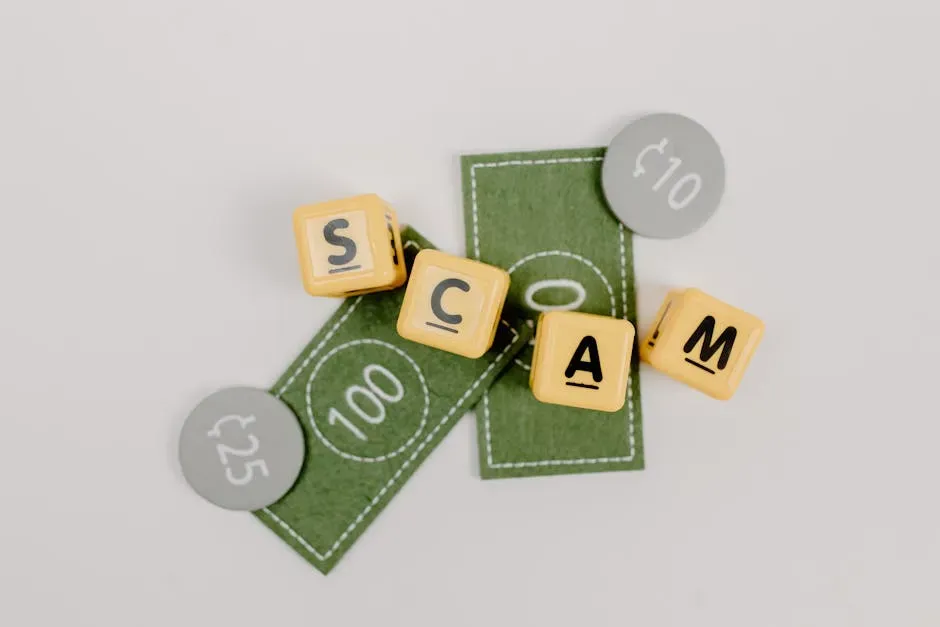
The promise of financial security in retirement is deeply appealing. Scammers know this intimately. They dress up their schemes in the language of wealth, opportunity, and safety. The word “guaranteed” in any investment pitch should send immediate alarm bells ringing.
Investment scams were the costliest kind of elder fraud in 2023, costing victims more than $1.2 billion in losses. That number exploded even further in 2024. The amount lost to investment fraud reached $6.5 billion in 2024, according to FBI reports, making it the costliest scam category overall. Cryptocurrency investment fraud has become a growing subset of this problem. Monetary losses due to crypto investment fraud by victims over the age of 60 accounted for $1.6 billion in losses in 2024.
The warning signs here are textbook: promises of high guaranteed returns, pressure to act quickly, requests to move funds into unfamiliar accounts, and vague or confusing paperwork. By guaranteeing returns or offering a “risk-free” investment option, scammers aim to take advantage of people trying to make the most of their savings, whether via phone calls, emails, texts, or social media messages. Think of it like a rule of thumb in investing: if it sounds too good to be true, it always is.
6. Government Impersonation: The Badge They Never Had

A caller announces they are from the Social Security Administration. Your benefits are suspended. Your number has been linked to criminal activity. Pay now or face arrest. It sounds official, terrifying, and absolutely real. It is none of those things.
Social Security scams have been a longstanding issue and are now more popular than ever. Scammers tamper with caller ID so it appears the call is genuinely coming from the Social Security Administration, then try to trick victims into giving their Social Security number or a form of payment. They may even threaten that a Social Security number will be suspended or that there’s a problem with benefits.
Fraudsters often pose as government agencies, banks, or tech support representatives attempting to trick seniors into giving out personal information. The key warning sign is any caller who demands immediate payment in unusual forms such as gift cards, wire transfers, or gold bars. No legitimate organization will ever ask you to buy gold or move your money for “safety.” If anyone suggests this, it’s a major red flag. Real government agencies communicate through official mail, not panicked phone calls.
7. Medicare and Health Insurance Fraud: Your Benefits as Bait

Healthcare is a deeply personal subject for seniors, and scammers exploit that vulnerability without hesitation. A free test, a discounted device, a “special Medicare benefit” that expires soon. The hook is always generous. The reality is always the opposite.
Fraudsters impersonate healthcare representatives and request personal information under the guise of verifying benefits or offering free services. Seniors may unknowingly give out their Medicare numbers, which are then used to commit fraud. DNA testing scams have also become a serious variation of this. Promises of “free DNA tests covered by Medicare” may seem like a smart health move, but the billing turns out to be criminal. The testing kits may be real, but seniors are left vulnerable to identity theft and insurance fraud.
The warning sign to watch for is any unsolicited contact offering free medical services in exchange for a Medicare number or insurance details. Before taking any test, confirm with your doctor that it is necessary and covered. Never give your Medicare number to unsolicited callers or vendors. Treat your Medicare number exactly as you would your Social Security number: strictly private.
8. Identity Theft: The Silent Drain
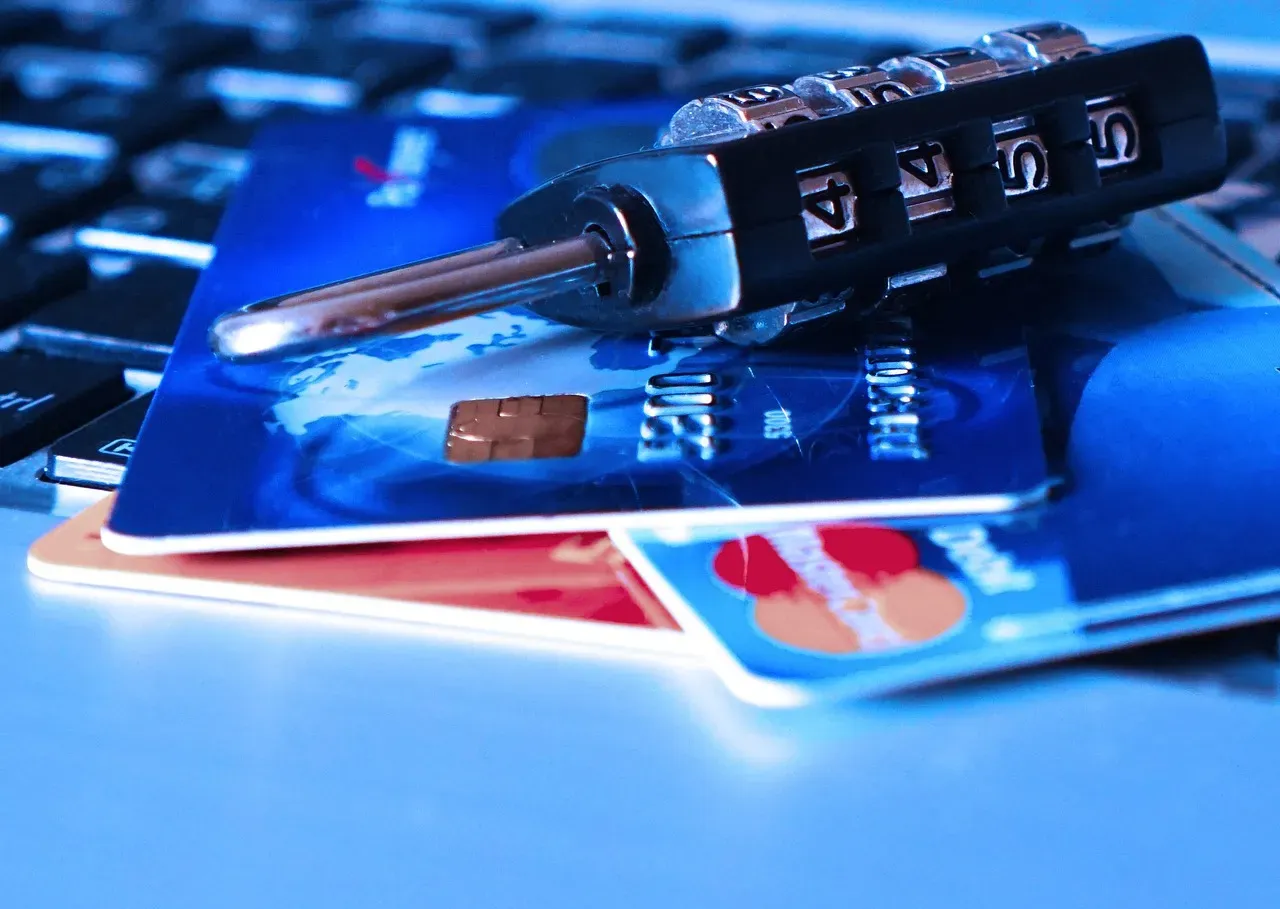
Identity theft does not always announce itself. There is no dramatic phone call, no panicked message. It happens quietly, sometimes over months, until one day a credit card statement arrives for an account nobody opened, or a loan is discovered in a senior’s name that they know nothing about.
One of the most dangerous and often overlooked forms of elderly scams is identity theft. This form of fraud does not always involve direct contact – it can happen quietly, and by the time it is discovered, the damage is done. Seniors are particularly at risk. Seniors are especially vulnerable to identity theft because they often share personal details more openly, over the phone, through physical mail, or even with unverified helpers.
Medical identity theft is another serious variant, where thieves access prescriptions, undergo treatment, or file insurance claims under someone else’s name, causing dangerous medical record confusion. The warning signs include unfamiliar charges on statements, calls from creditors about unknown debts, and unexpected credit score drops. Closely monitoring credit card and bank account activity, reviewing statements as soon as they arrive, and looking for unauthorized or suspicious transactions are essential first steps. If any are found, reporting them to the bank immediately is critical.
9. Caregiver and Trusted Person Scams: When Danger Is Already Inside

This might be the hardest warning sign to talk about, because it involves people who are supposed to be helpers. Not every threat comes from a stranger. Sometimes the danger is sitting right inside the home, wearing a friendly face.
Elder financial abuse happens when someone the victim knows and trusts, like a family member, close friend, or caregiver, tries to gain access to the senior’s savings, credit, or assets. They could trick their victim into signing over access or power of attorney, open a credit card in their name, or even threaten to withhold care if they do not receive access.
Some aides use their access to steal, whether it is cash, medications, or sensitive personal documents. They often start by building trust, being warm, attentive, and available. But slowly, things start disappearing. Warning signs include unexplained withdrawals, missing valuables, new names appearing on accounts, and a senior becoming fearful or secretive around a specific caregiver. Running thorough background checks, even when an aide comes through an agency, and monitoring bank statements for strange activity are important protective steps.
10. The Underreporting Crisis: Why Most Scams Never Get Counted

One of the most troubling realities about elder fraud is not the scams themselves. It is how many never get reported at all. Shame, fear of judgment, and worry about losing independence keep countless victims silent. And that silence is exactly what criminals are counting on.
Seniors are frequently targeted by criminal actors, as they are often perceived to be more polite and trusting. These actors may also assume that seniors are more financially stable, own real estate, spend a great deal of time alone, and are less likely to report fraud if they feel ashamed or are unfamiliar with reporting channels. The true scale of the problem is almost certainly far larger than what official numbers show. Since maybe only roughly five to ten percent of fraud losses are ever reported, total fraud losses in the US could be estimated at well over $150 billion per year.
It is important to educate and reassure loved ones that anyone can be vulnerable to a well-crafted scam. They should not panic or be embarrassed but should feel comfortable calling a trusted individual to validate a request or transaction. Reporting is the single most powerful act a victim or family member can take. Between June 2023 and July 2024, the U.S. Department of Justice took action against over 700 people accused of stealing nearly $700 million from more than 225,000 older victims, while also hosting events and training for local law enforcement to combat elder financial scams. Every report helps build a case. Every case helps stop the next scammer.
Conclusion: Stay Alert, Stay Protected

Elder scams are not a niche problem. They are one of the fastest-growing crime categories in the country, backed by sophisticated criminal networks that study human psychology with frightening precision. Fraudsters and con artists tend to go after older adults because they believe this population has plenty of money in the bank. However, it is not just wealthy older Americans who are targeted. Older adults with low income are also at risk for fraud.
The good news is that awareness is genuinely protective. Knowing the warning signs, urgency from strangers, requests for unusual payment methods, unsolicited offers involving Medicare numbers or investments, and pressure to keep something secret, can interrupt a scam before any real damage is done. Think of it as a mental checklist that takes ten seconds to run through and could save a lifetime of savings.
Talk to the seniors in your life. Have the awkward conversation. Share these warning signs. Many people are embarrassed to report financial scams, and they can be tough to prosecute. Criminals therefore consider them “low-risk.” However, these scams can be especially devastating for older adults whose ability to recover their losses is limited. The most powerful protection any senior has is a family member who knows what to look for and is not afraid to ask questions. Have you had this conversation with someone you love yet?