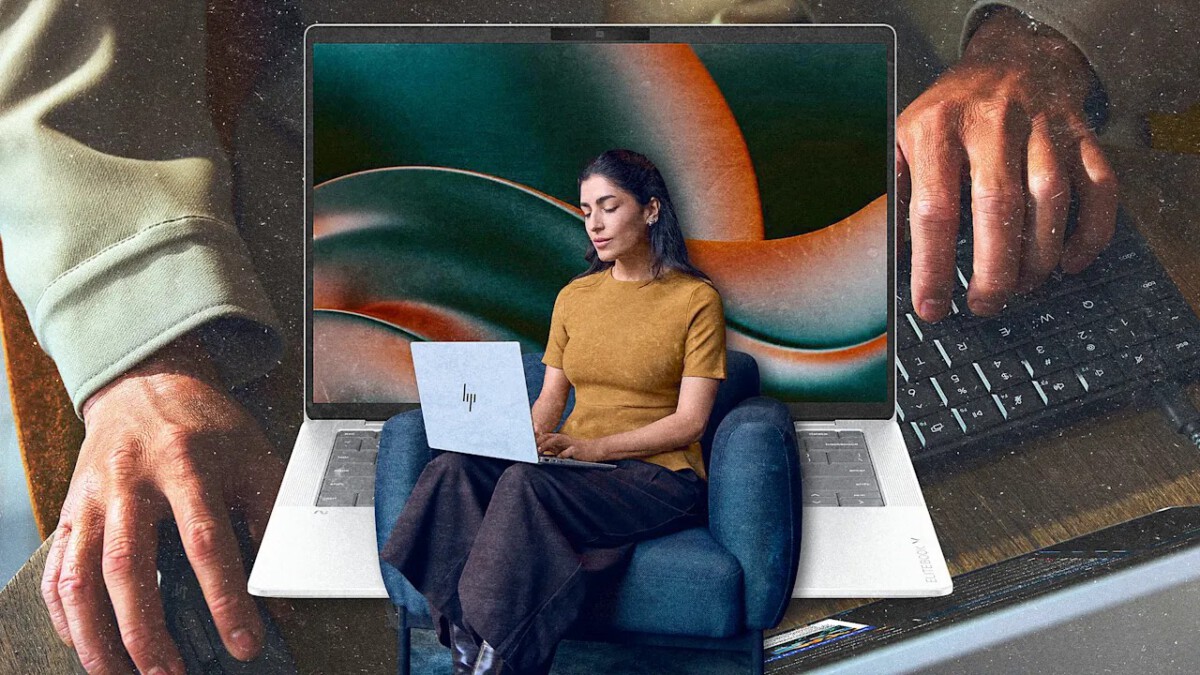
Biological Innovation Transforms Scrap into Premium Metal (Image Credits: Images.fastcompany.com)
HP marked a milestone in sustainable manufacturing by extracting copper from its own discarded electronics to equip the heat sinks in its newest laptops.
Biological Innovation Transforms Scrap into Premium Metal
Mint Innovation, a New Zealand-based startup, collaborated with HP to process circuit boards from thousands of the company’s old computers and servers. The resulting refined copper matched the purity of virgin material, enabling its direct use in production.
The recycling method relied on a blend of chemicals and biology rather than energy-heavy smelting. Shredded boards passed through tanks where biological agents selectively extracted metals. This biosorption technique mimicked a magnet, using electron exchanges to isolate elements like gold and copper. Gold recovery proved essential for profitability, paving the way for copper and other metals such as silver, tin, and palladium.
Mint president Matt Bedingfield described the approach vividly. “What HP is effectively doing is mining e-waste of their own appliances,” he stated. “They’re taking responsibility for their full supply chain to turn it into the next generation of devices.”
Copper Demand Surges Amid Global Shortages
The timing could not have been more critical. Bedingfield highlighted a U.S. shortfall of about a million tons of copper. Demand stems from the energy transition, including electric vehicles, renewable infrastructure, and expanding data centers.
Electronics giants like HP seek not just copper, but sustainable sources. HP integrated the recycled metal into its EliteBook X G2 Series laptops and EliteBoard G1a Next Gen AI PC. This effort aligns with broader initiatives, such as HP’s push for circular supply chains in electronics.
Traceability and Challenges in Scaling Up
Mint’s batch processing allowed precise tracking, linking recycled copper directly to HP’s products – a feat impossible with traditional furnaces. The company already secured orders for more batches.
- Shredding old circuit boards into manageable pieces.
- Immersing fragments in chemical-biological tanks for metal separation.
- Purifying extracted copper to industrial standards.
- Integrating it into new device components like heat sinks.
- Verifying traceability from source e-waste to final product.
HP ships around 57 million laptops annually, second only to Lenovo according to Gartner data. Predictable e-waste volumes remain a hurdle, but expansion plans are underway. Mint operates a prototype facility in Australia and is developing a site in Texas, with a full plant targeted for next year.
Compact Facilities Enable Localized Recycling
The facilities boast a minimal footprint, allowing deployment near scrap sources. Bedingfield noted their mobility. “They’re designed in a way where we can go to the scrap,” he said. “We’re able to go into cities and drop plants, so you’re not moving the material all around the world as is done today.”
Future phases may incorporate gold and other metals. Visit Mint Innovation for details on their technology.
Key Takeaways
- HP achieved the first closed-loop recycling of its own copper for laptops.
- Biological methods cut energy use and pollution compared to smelting.
- Addressing copper shortages supports the global shift to sustainable tech.
This breakthrough signals a shift toward responsible electronics lifecycles, reducing reliance on mined resources. As supply chains evolve, such innovations could redefine industry norms. What steps should other tech firms take next? Share your thoughts in the comments.