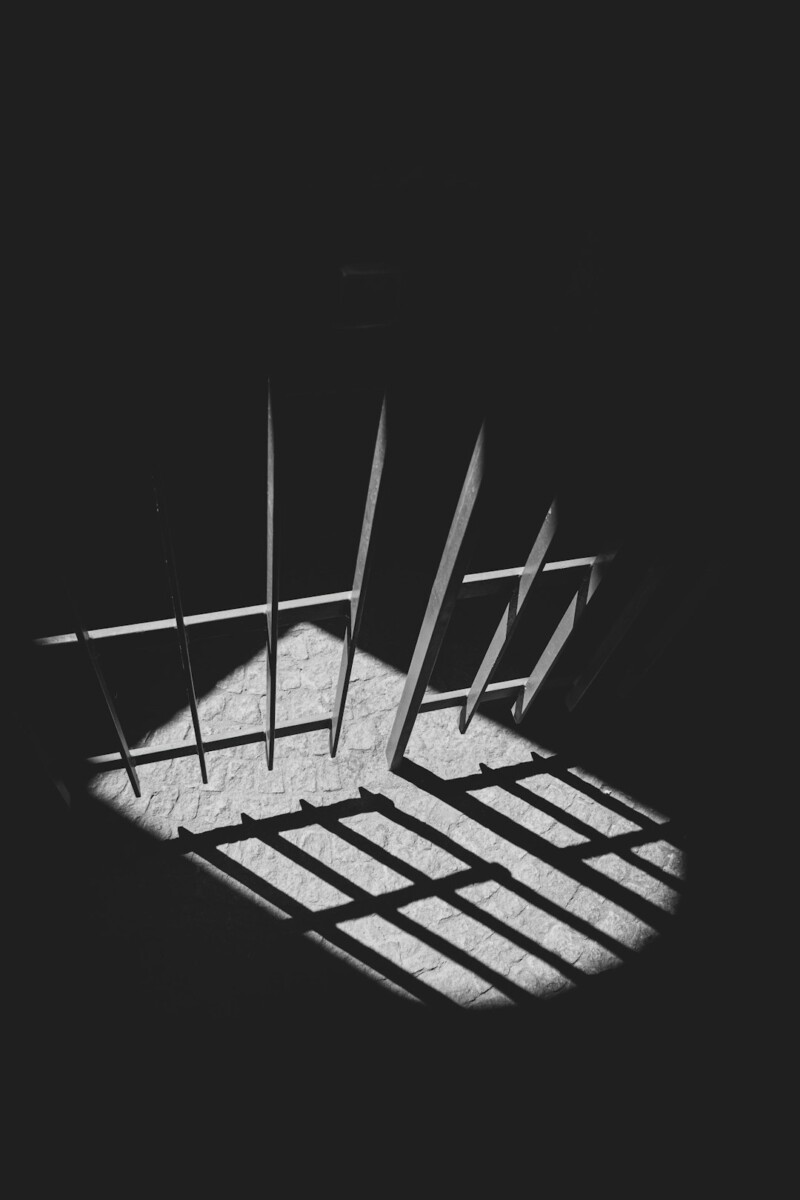


Amplified Health Risks During Storms (Image Credits: Unsplash)
As natural disasters strike with increasing frequency, incarcerated women navigating menopause face compounded hardships that often go unnoticed by the public.
Amplified Health Risks During Storms
Recent hurricanes have laid bare the vulnerabilities within correctional facilities, where basic needs during menopause become even harder to meet. Women experiencing hot flashes and night sweats already struggle with erratic temperatures in prisons, but power outages from storms eliminate fans or air conditioning, turning cells into sweltering traps. Flooding compounds the issue, as seen in reports from Gulf Coast prisons where inmates endured flooded living quarters without adequate ventilation for weeks.
Medical access deteriorates rapidly in these scenarios. Hormonal treatments or even simple pain relief for menstrual irregularities – common in perimenopause – get delayed or denied amid evacuation chaos. One facility in Louisiana left detainees in darkened, humid conditions post-hurricane, exacerbating symptoms like insomnia and mood swings that menopause intensifies. Officials have acknowledged these lapses, yet systemic changes remain slow, leaving women to cope without essential support.
Daily Challenges of Menopause in Confinement
Even without disasters, menopause in prison presents unique barriers rooted in limited resources and oversight. Erratic periods and heavy bleeding demand hygiene products that facilities often ration, forcing women to improvise with inadequate supplies. Temperature swings trigger frequent hot flashes, yet personal fans or extra bedding are frequently prohibited or unavailable, leading to discomfort that disrupts sleep and daily routines.
Mental health tolls add another layer. Feelings of isolation, shame, and depression, already prevalent among 65% of incarcerated women in some studies, worsen during this life stage. Without counseling tailored to menopause, many report heightened anxiety. Researchers note that societal taboos around the topic persist inside walls, where privacy is nonexistent, making open discussions rare and support scarce.
Architectural flaws in older prisons fail to account for these needs. Cells designed without climate control become intolerable, and post-storm repairs prioritize structure over inmate well-being, delaying any improvements.
Voices from the Inside and Calls for Reform
Accounts from affected women highlight the urgency for better policies. In the wake of hurricanes like Helene and Milton, families shared stories of loved ones confined without running water, resorting to plastic bags for waste amid unrelenting heat that aggravated menopausal symptoms. One report described inmates in North Carolina prisons fearing for their lives as floodwaters rose, their pleas for transfer ignored.
Advocacy groups are pushing for menopause-specific guidelines in correctional health care. Organizations like Impact Justice emphasize education and access to hormone therapy, arguing that denying these equates to cruel treatment. Recent initiatives seek input from incarcerated individuals to develop guides on managing perimenopause, aiming to distribute resources directly to those in need.
- Improved access to hormone replacement therapy during vulnerable periods.
- Mandatory climate-controlled housing for older inmates.
- Training for staff on menopause symptoms and emergency protocols.
- Stockpiling hygiene and medical supplies ahead of disaster seasons.
- Regular mental health screenings tailored to midlife transitions.
Pathways to Better Protection
Addressing these issues requires coordinated efforts from policymakers and prison administrators. Public health experts recommend disaster plans that include provisions for chronic conditions like menopause, such as priority evacuations for at-risk groups. Architecture professors studying natural disasters stress retrofitting facilities in hurricane-prone areas to include backup power for cooling systems.
Still, progress hinges on broader recognition of incarcerated women’s humanity. As climate events intensify, ignoring these intersections risks further harm. Lawmakers have introduced bills for enhanced medical equity, but implementation varies by state.
Key Takeaways
- Hurricanes disrupt essential menopause management, from temperature control to medical supplies.
- Incarcerated women face heightened mental and physical strain without targeted support.
- Reforms like specialized guides and facility upgrades could mitigate these risks.
These overlooked struggles underscore the need for compassionate reforms in the justice system. What steps do you believe should be taken to support incarcerated women during menopause and disasters? Share your thoughts in the comments.