Last weekend, I scored an invite to what promised to be the ultimate escape in tech’s backyard. Picture this: a sleek loft in Sunnyvale, packed with venture capitalists, startup founders, and a few engineers who looked like they’d just stepped out of a sci-fi novel. No one mentioned phones upfront, but the vibe screamed disconnection from the very devices they build.
Honestly, I went expecting awkward small talk and overpriced craft beer. Instead, conversations veered into territory that left me unsettled. These folks aren’t just unplugging for fun; they’re plotting a world where tech swallows us whole, but smarter. Let’s dive into what I overheard.
The Strict No-Phone Rule That Set the Tone
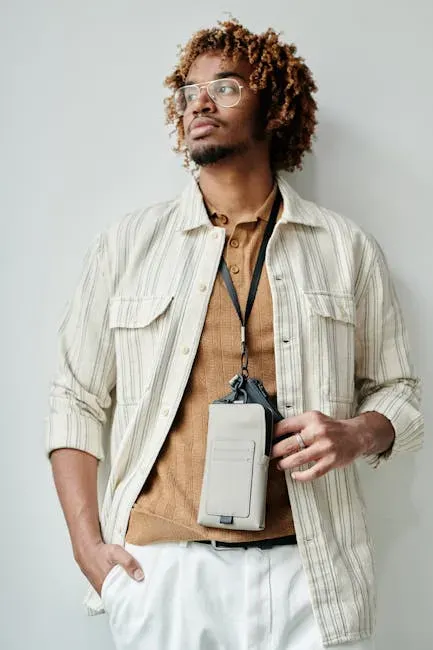
Right at the entrance, a discreet attendant collected everyone’s devices into locked pouches, Yondr-style, just like those used at digital detox events popping up around Silicon Valley. Eventbrite trend reports from 2023 to 2024 highlight how Gen Z and millennials crave these offline experiences to combat screen fatigue. It felt liberating at first, but the paranoia was palpable; leaks could tank deals or expose wild ideas.
Private tech gatherings often enforce such rules to dodge surveillance and data breaches, as covered in tech media from 2023 to 2025. One guest muttered about past incidents where photos sparked viral backlash. Here’s the thing: in a room full of people who profit from your data, this lockdown screamed deeper secrets.
Dopamine Detox: Silicon Valley’s Favorite Reset
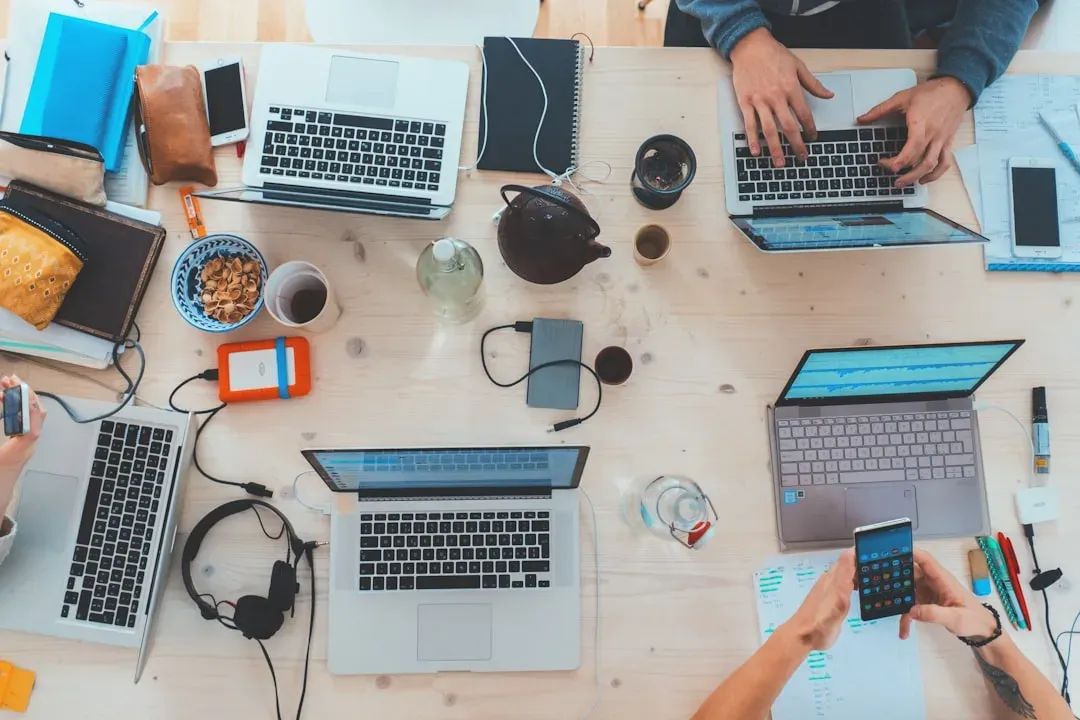
The term “dopamine detox” floated everywhere, a trend born in these circles thanks to Dr. Cameron Sepah’s behavioral strategies discussed at Stanford-related events in 2023 and 2024. Guests shared stories of 72-hour breaks from screens to sharpen focus, echoing Silicon Valley’s ascetic wellness push. It sounded healthy, until you realized it’s prep for constant tech immersion.
Major players like Apple and Google rolled out screen-time trackers years ago, admitting overuse’s toll. Yet at the party, folks bragged about hacking their own dopamine baselines. I think it’s clever, but scary how they’re engineering our brains alongside their gadgets.
Stats That Made Everyone Squirm
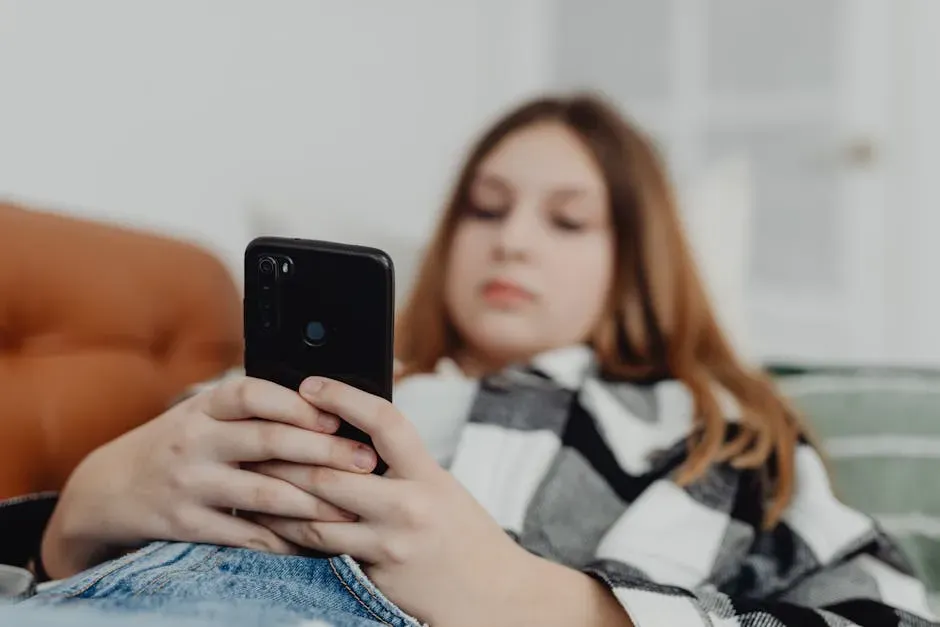
A Pew Research Center survey from early 2024 revealed nearly four in ten teens admit spending too much time on smartphones, fueling the detox hype. The U.S. Surgeon General’s 2023 advisory linked social media to rising anxiety and depression in youth, pushing boundaries like these events. Attendees nodded knowingly; their own kids were guinea pigs for this shift.
World Health Organization updates in 2023 tied excessive screens to sleep issues and less activity in young people. One founder confessed his family does weekly phone-free dinners. Let’s be real, these numbers aren’t abstract; they’re why the room buzzed with urgency.
Privacy Fears Fueling the Lockdown
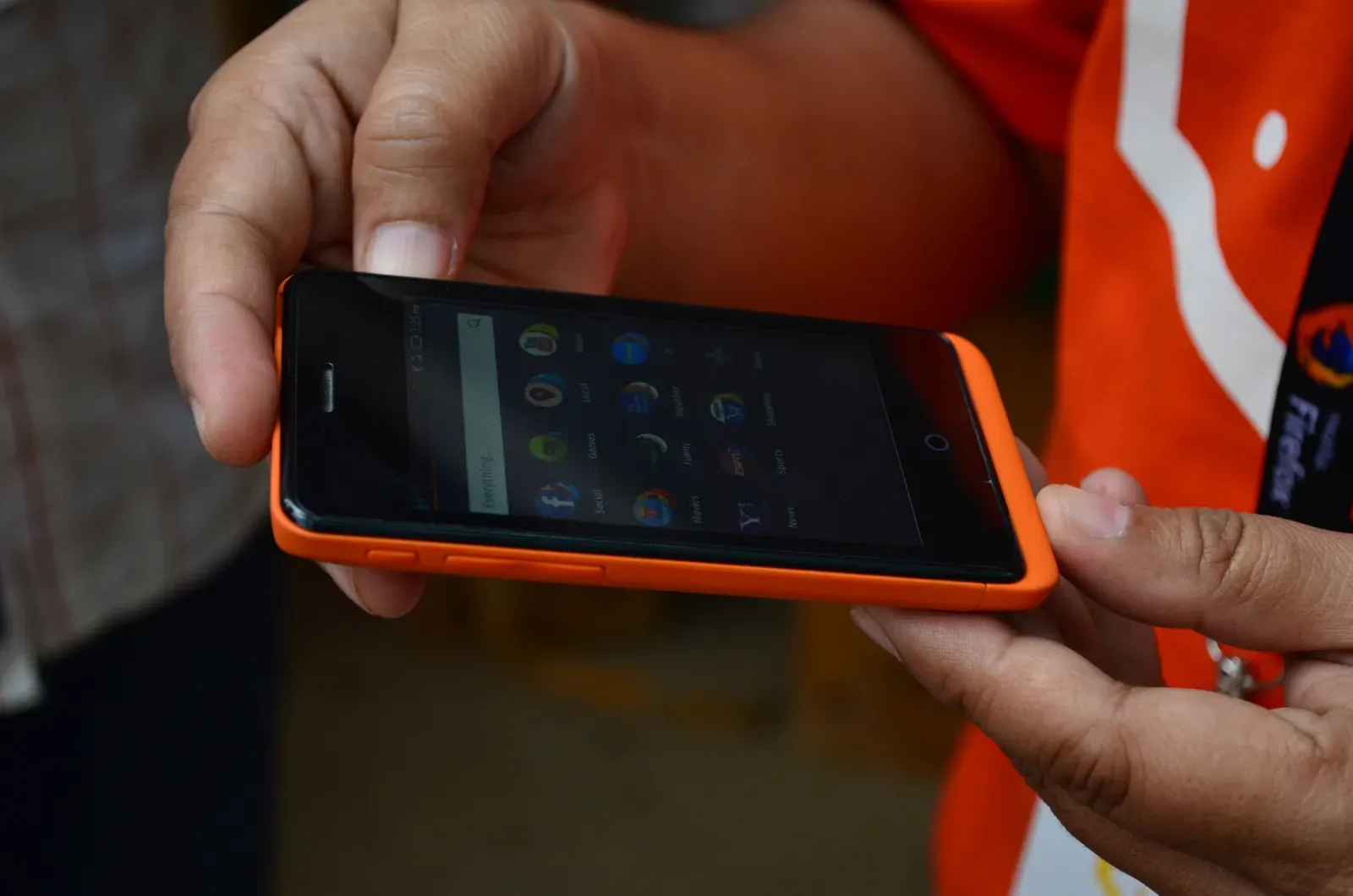
Over 60% of consumers worry about data privacy and surveillance, per Deloitte’s 2024 Digital Consumer Trends Report. Silicon Valley elites enforce camera bans at private meets to prevent leaks, a staple in tech coverage since 2023. Whispers of AI firms scraping calls without consent, like that Neon app fiasco in 2025, had people glancing over shoulders.
Even billionaires like Peter Thiel shield their kids from social media, as Fortune reported in early 2026. The party’s no-phone policy wasn’t whimsy; it guarded talks on tracking tech’s next wave. It hit me: they fear their own inventions most.
AR and VR: The Invisible Chains Ahead
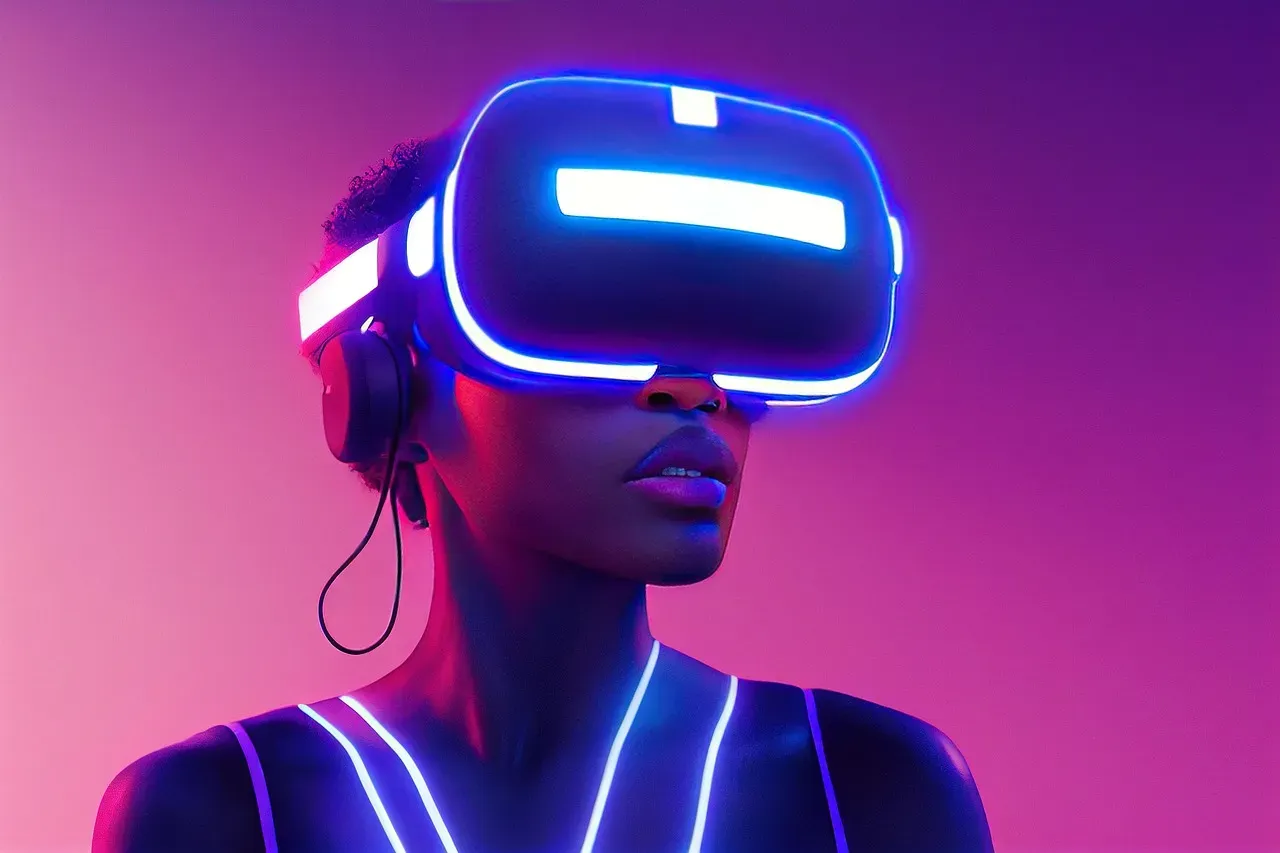
Meta’s push into wearables hints at tech fading from view but embedding deeper, reshaping daily life. Discussions echoed a 2024 McKinsey report on AI and immersive tools boosting productivity while sparking ethics debates. Guests demoed neural interfaces in hushed tones, promising augmented realities that blur real and virtual.
Silicon Valley summits like Plug and Play in 2025 spotlighted AR/VR’s future in work and play. One VC sketched a world of always-on overlays, no clunky phones needed. Sounds futuristic, right? Terrifying when you ponder the constant data stream into your senses.
AI’s Shadow Over Social Life
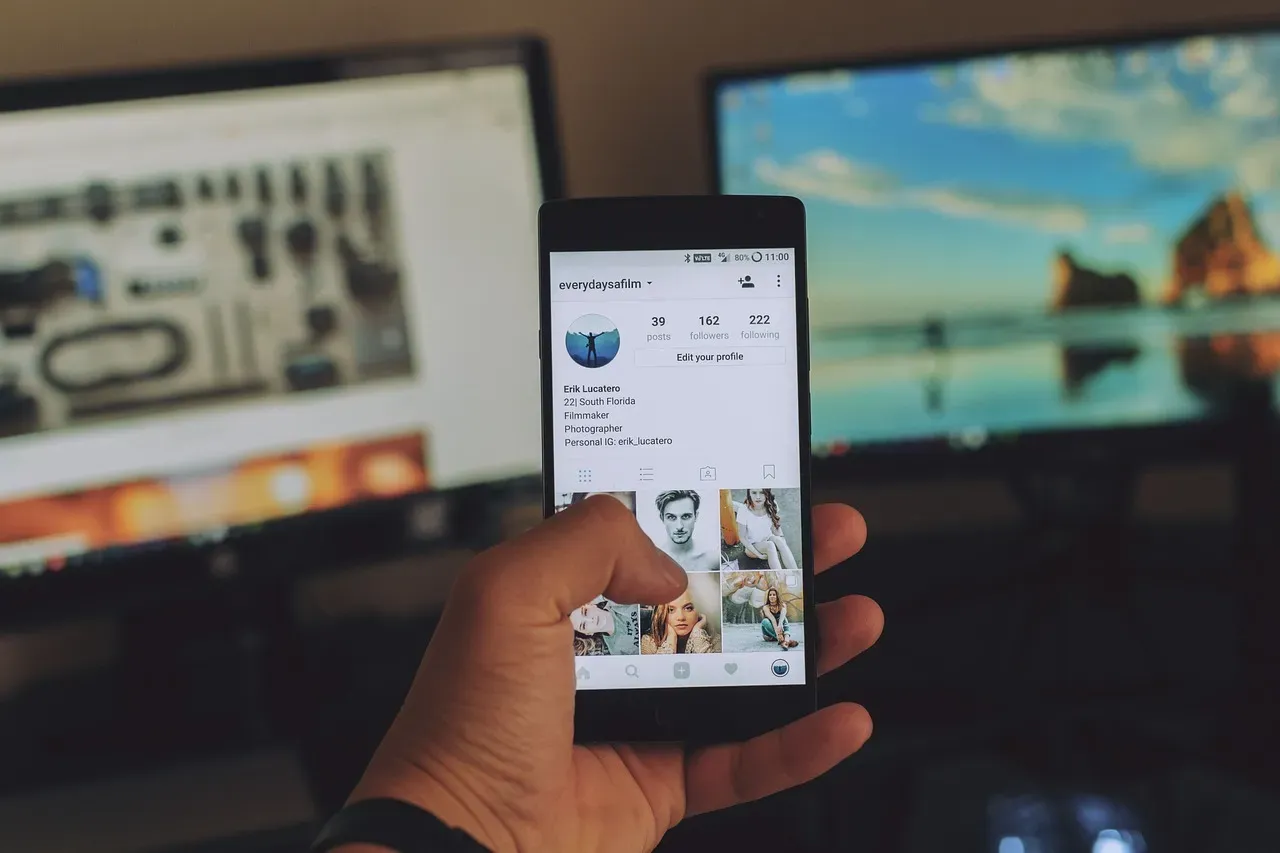
Trump’s 2025 AI Action Plan drew from Valley ideas, prioritizing unchecked innovation amid midterm power plays. McKinsey’s 2024 insights warned of AI remaking interactions, with productivity gains hiding control risks. Partygoers debated edge AI in wearables, solar-powered bots automating everything from farms to thoughts.
Deloitte’s 2026 TMT Predictions see AI gaps narrowing, flooding investments into data centers. They envisioned social feeds curated by brain scans, efficiency at freedom’s expense. I overheard ethical qualms, but excitement won out. Chilling.
The Human Cost They’re Ignoring
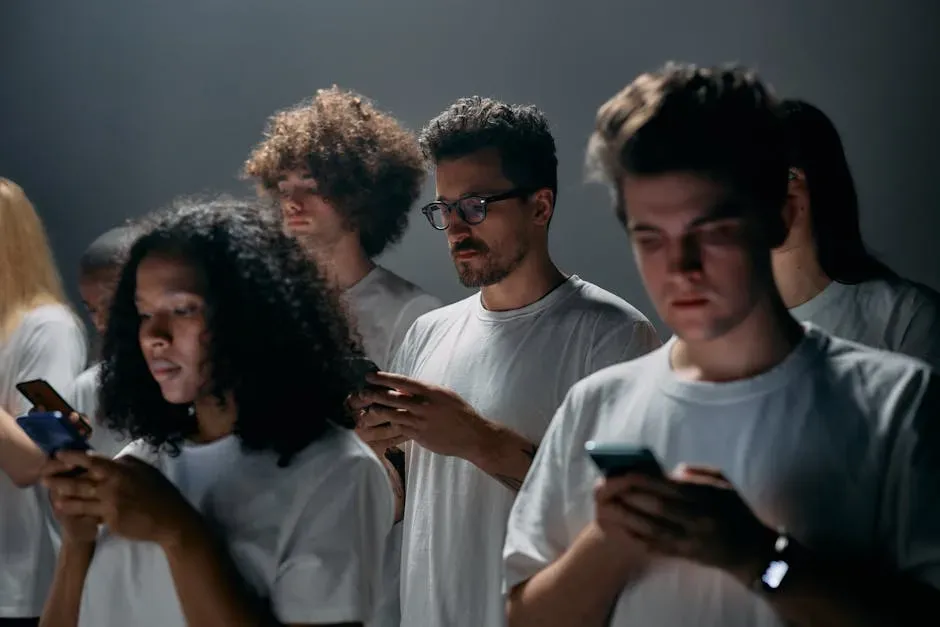
Phone-free schools are surging in California, with Newsom’s 2026 act mandating policies, mirroring the party’s ethos. After Babel essays from 2025 detail real gains in focus post-bans. Yet elites plan tech so pervasive, detoxes become mandatory rituals.
Andrew Yang’s NYC offline parties in 2025 inspired similar SV vibes, per New Yorker coverage. Sunnyvale’s Digital Detox Day events prove the trend’s local roots. Still, the future they toasted? One where escape is luxury, integration inevitable.
Why This Party Changed My View
Walking out, pouch returned, I felt the pull of notifications like never before. These no-phone nights buy time, but the real plan is tech evolving beyond opt-out. Valley folks live the paradox: build addictive tools, then detox to cope.
What would you do in a world of seamless surveillance? The party’s unspoken truth lingers. Unplug while you can.