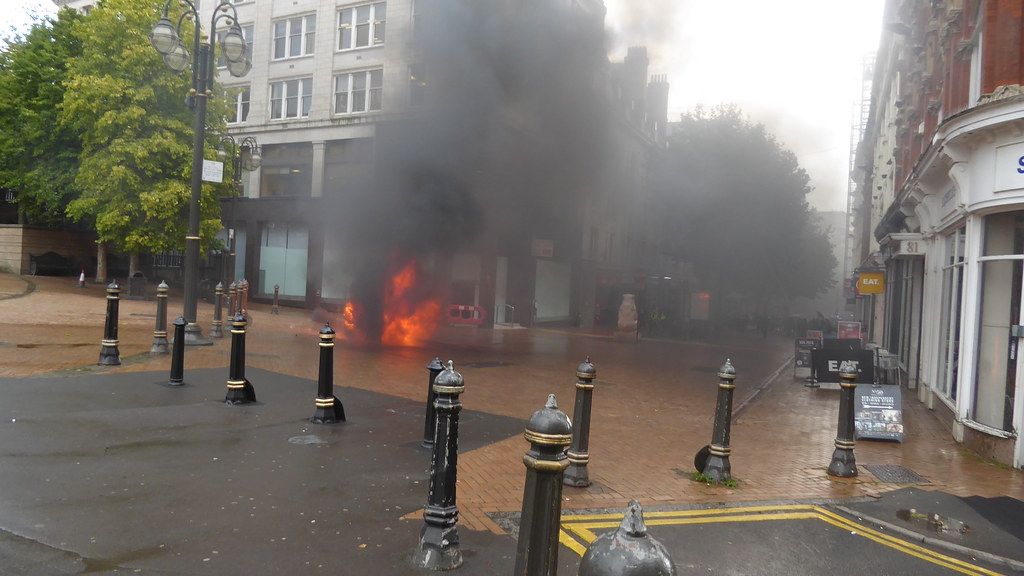

Picture this: you’re standing in a dusty county courthouse, heart pounding as the gavel falls on a $35,000 three-bedroom fixer-upper in rural Michigan. It felt like stealing candy from a baby, especially with foreclosure listings popping up everywhere in the Midwest these days.[1][2] Everyone dreams of that steal, right? Yet something nagged at me even then.
Fast forward a year into 2026, and the thrill has curdled into exhaustion. Turns out, these “bargains” hide traps that swallow your savings whole. Let’s unpack the gritty truth, step by brutal step.
The Auction Euphoria That Blinded Me

I drove hours to that Michigan auction, cash in hand, eyes on a modest brick house listed way under market. Bidding wars? None. I walked away owner for $35k, grinning like I’d won the lottery. Sites like Zillow show plenty under $50k in the Midwest still.[1]
Honestly, it felt too easy. No realtor fees, no haggling. Foreclosure activity surged 14% nationwide in 2025, flooding markets like Illinois and Michigan with deals.[3] I ignored the “as-is” warnings, dreaming of equity overnight. Big mistake.
First Walkthrough: Pure Horror
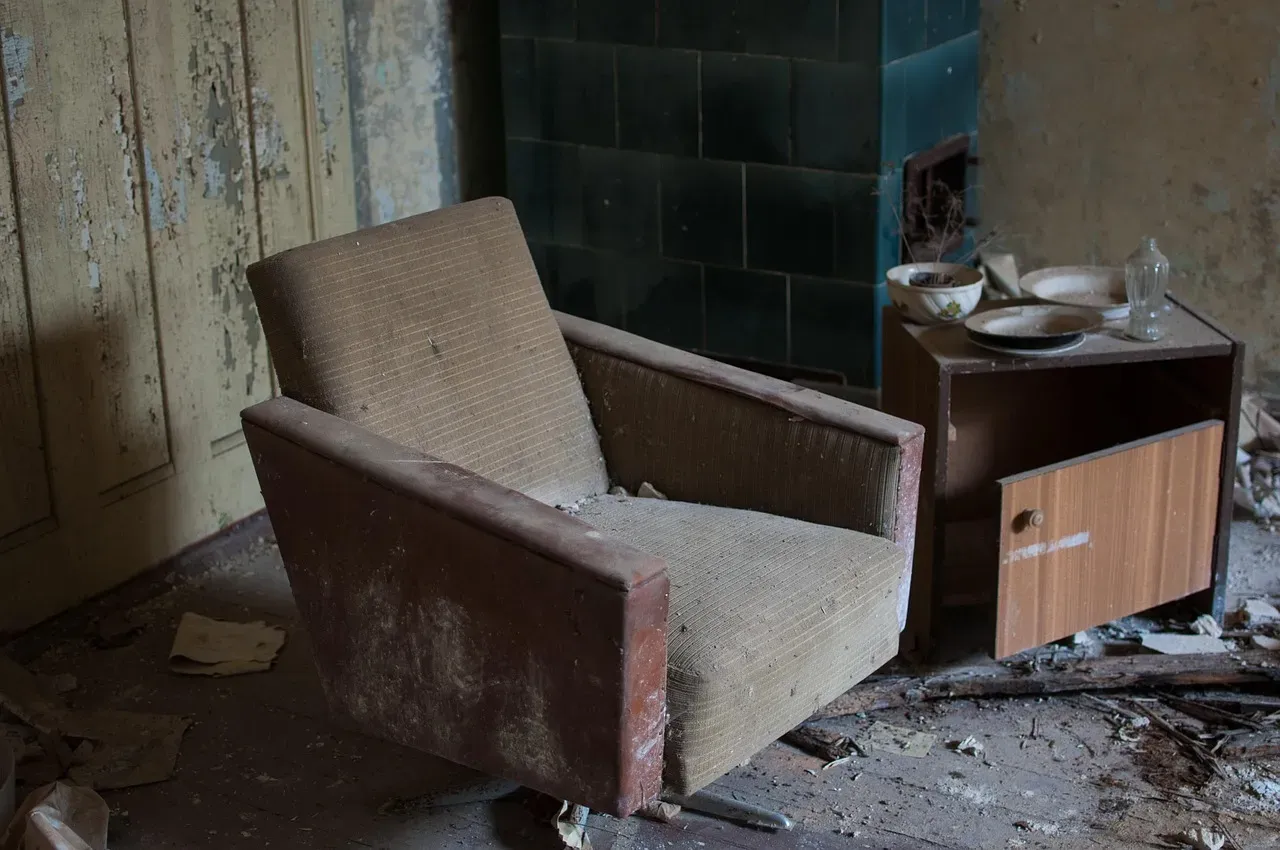
Stepping inside, the stench hit like a wall. Carpet squished underfoot from hidden leaks, walls bore mysterious stains. Foreclosed homes often sit vacant months, breeding chaos. Common sense said hire an inspector, but cash was tight.
Windows cracked, doors hanging loose. I spotted obvious rot but figured cheap fixes. Reality? Vacant properties trap moisture, priming disasters. Here’s the thing: I should’ve walked then.[4]
Mold: The Silent Invader Everywhere
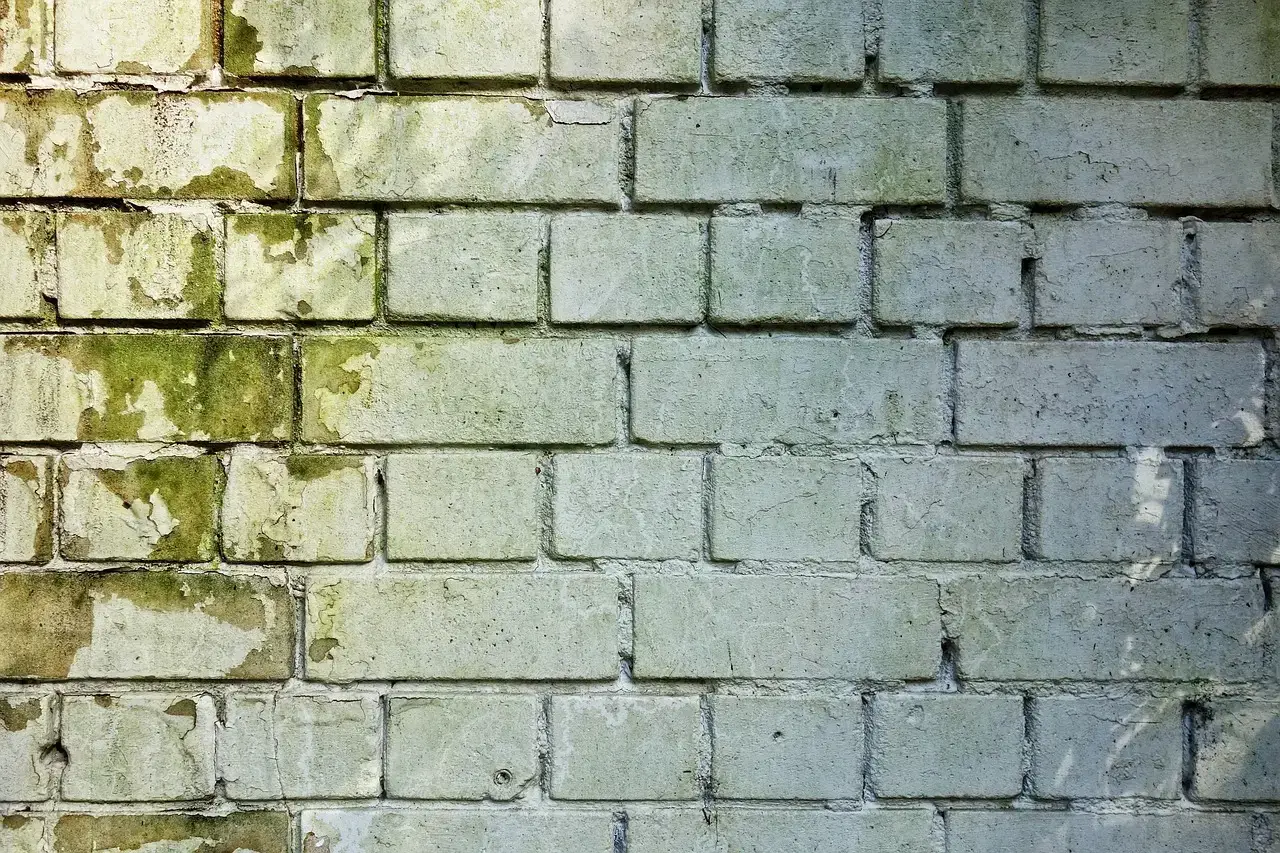
Black spots bloomed on every wall, ceiling, even attic insulation. Turns out over half of foreclosed homes battle mold from shut-off utilities and leaks. In the humid Midwest summers, it spreads fast. Remediation? Thousands I didn’t budget for.
I scrubbed what I could, mask on, but pros said tear it all out. Health scares followed: constant coughs, watery eyes. Experts warn mold thrives in these abandoned spots.[5] Let’s be real, this wasn’t a flip; it was a health hazard.
Still coughing up spores months later.
Roof Leaks That Never Stopped
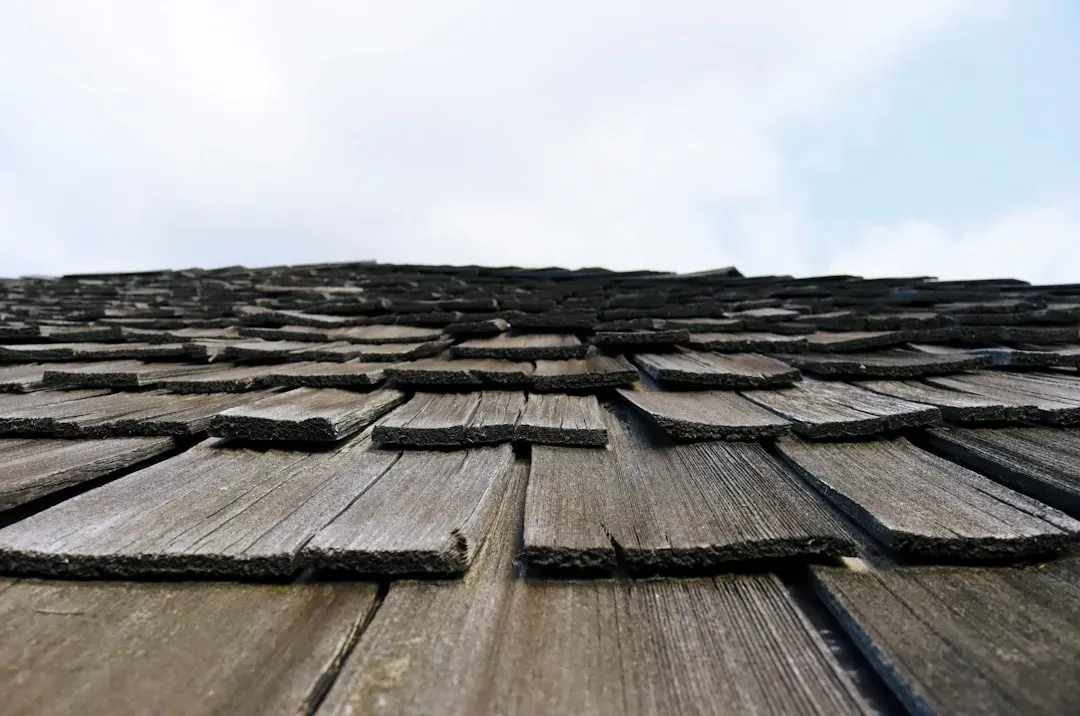
Rain poured through the ceiling first storm. Shingles curled, underlayment gone, classic neglect. Average roof repair runs about $1,500 now, but full replacement? Way more in 2025 prices.[6] Buckets everywhere became my new decor.
Tarp jobs failed miserably. Water damaged joists, inviting more mold. Foreclosures often hide roof woes from burst pipes above. I patched desperately, but winter snow made it worse.
Plumbing: Floods and Frozen Pipes
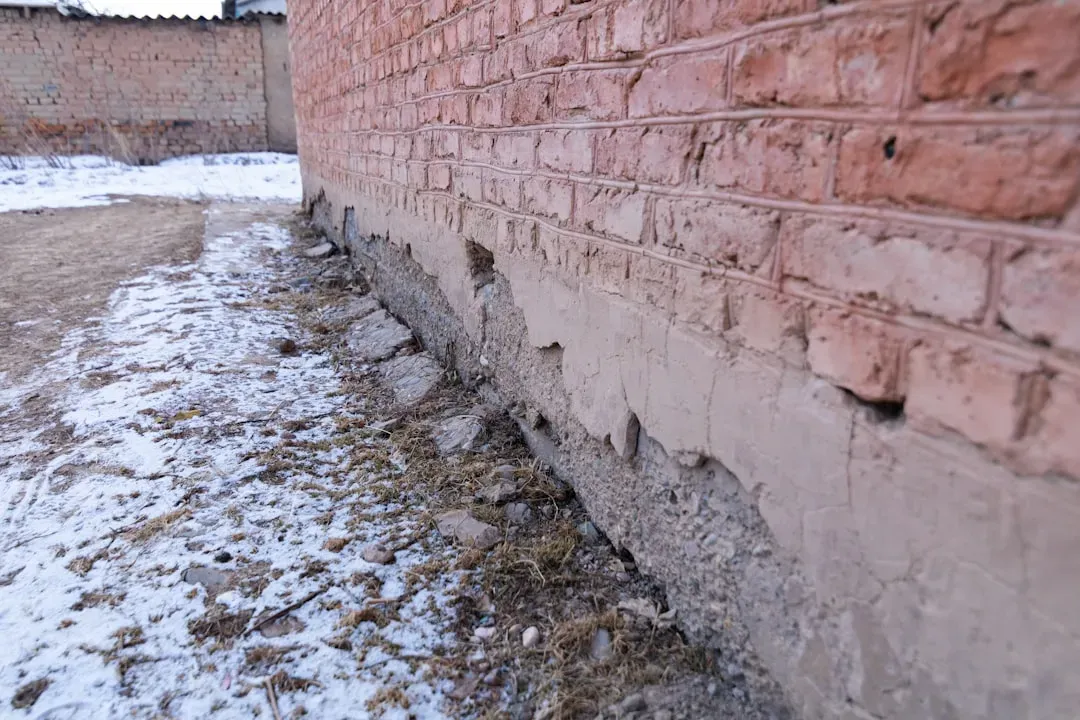
Burst pipes flooded the basement day one. No heat meant frozen lines, common in Midwest winters. Repairs piled on: new mains, fixtures, all told over $5,000 easy. Unexpected fixes hit 83% of owners last year.[7]
Sewage backed up next, stench unbearable. Old galvanized pipes crumbled. Vacant homes suffer this endlessly. I learned plumbers charge double for emergencies.
Electrical Fires Waiting to Happen
Outlets sparked, breakers tripped constantly. Knob-and-tube wiring from the ’50s, outdated and dangerous. Rewiring a whole house? Eye-watering costs, pushing past my $35k savings. Inspectors flag this in foreclosures routinely.
One near-miss fire from overloaded circuits scared me straight. I called in pros, draining the bank. Midwest humidity worsens insulation breakdown. Safety first, but ouch.
Now it’s code-compliant, barely.
Foundation Cracks Spreading Fast
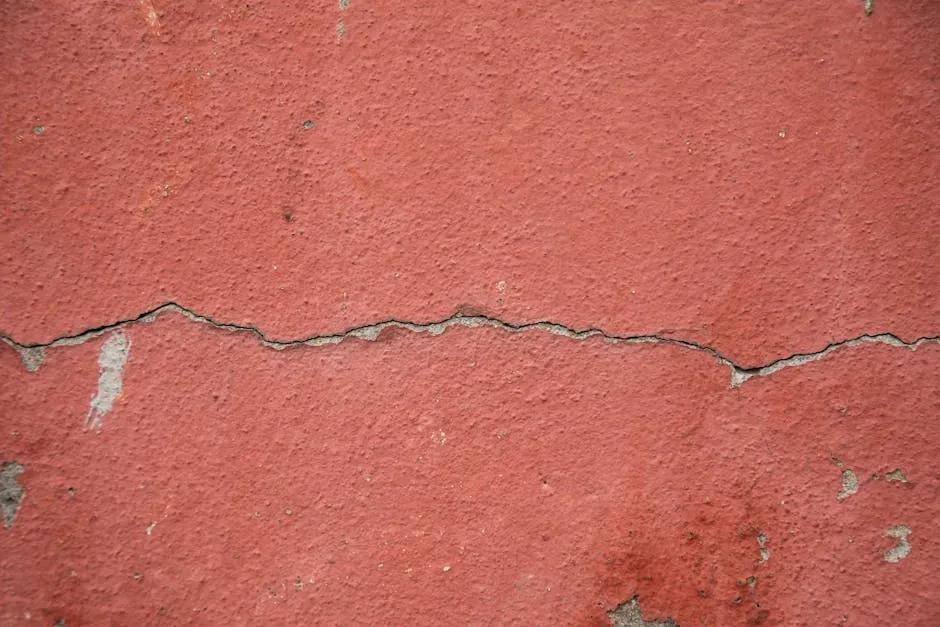
Basement walls bowed inward, hairline cracks everywhere. Water erosion from poor drainage, typical in clay-heavy Midwest soil. Fixes like piers or walls run tens of thousands. Hidden structural woes turn bargains sour quick.[8]
Engineers shook heads, quoting $20k minimum. House settling unevenly now. I shored it temporarily. Long-term? Terrifying.
Neighborhood Realities Hit Hard
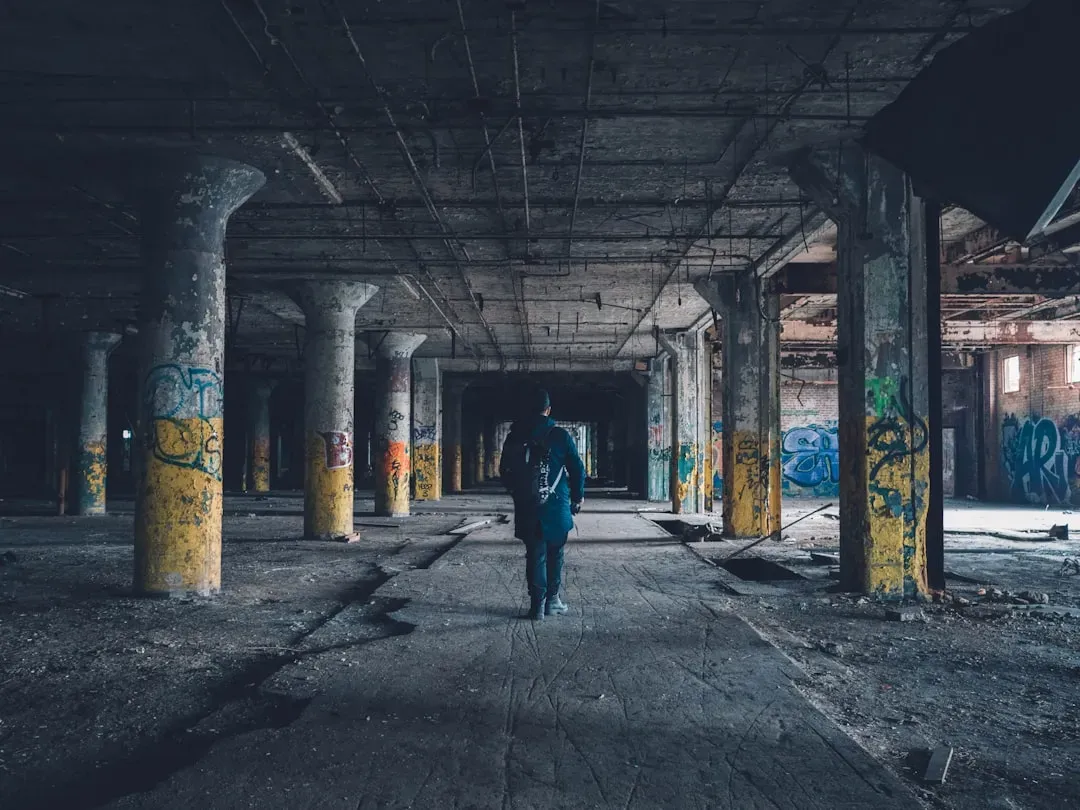
Cheap area meant overgrown lots, vacant neighbors. Crime ticked up nearby, per local chatter. Midwest investor vacancies highest in states like mine.[9] Sirens nightly, not the peace I craved.
Schools rough, stores far. Commute doubled for work. Low cost of living helps, but isolation bites. I underestimated the vibe shift.
Taxes, Utilities, Insurance Shock

Property taxes low at first, around Midwest averages, but repairs jacked assessments. Utilities soared with inefficient old systems. Home insurance? Sky-high for “high-risk” foreclosures. Annual maintenance averages $10k now.[10]
Heating bills tripled in brutal winters. No central air meant sweltering summers. Total ongoing? Nearly matching rent elsewhere. Cheap house, expensive life.
Total Spend: Far Beyond $35k
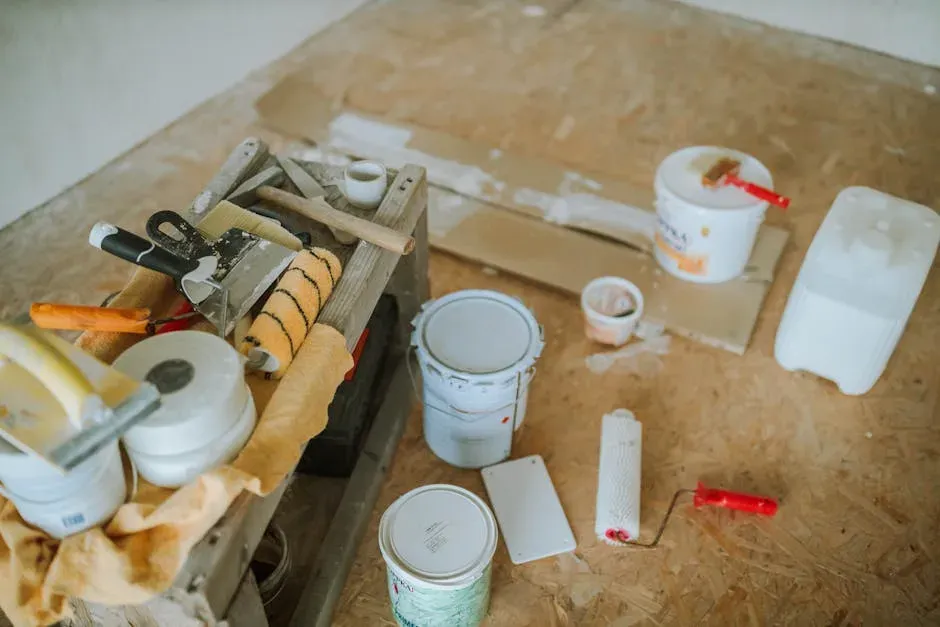
Repairs tallied over $60k already, dwarfing purchase. One Reddit tale pegged fixes at $110k on a $40k buy. Foreclosures demand double or triple investment often.[11] My “equity” vanished in contractor checks.
Still grinding weekends on DIY. Worth it? Debatable. But resale? Tough in softening markets.
Lessons from the Trenches
Looking back, cheap Midwest foreclosures tempt for a reason. Foreclosure filings climbed into 2026, yet pitfalls remain universal.[12] Inspect ruthlessly, budget triple the price. I survived, barely.
Homeownership tests souls. This “deal” taught resilience. Would I do it again? Probably not. What’s your take on these steals? Share below.