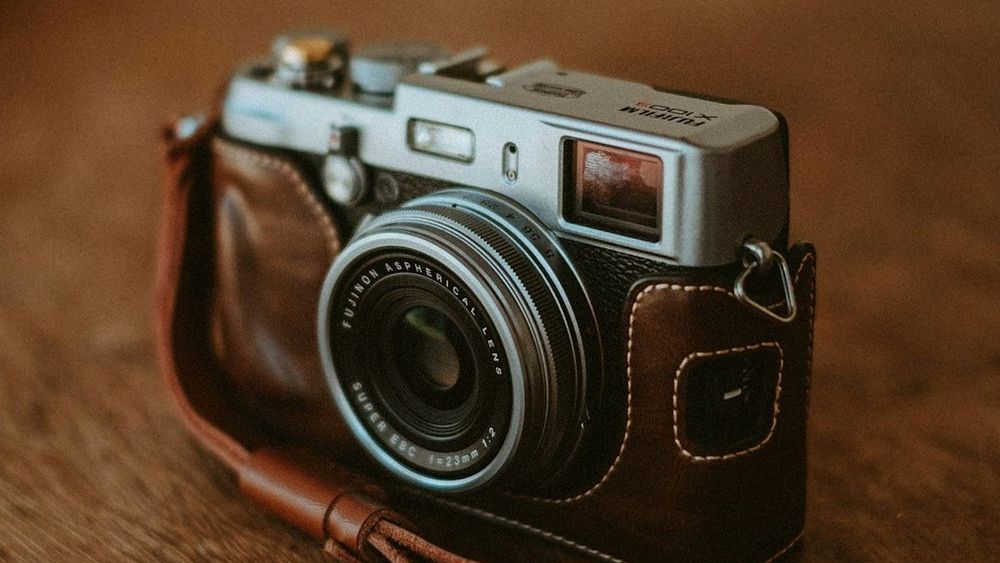

It sounds a little ridiculous, right? In a world where iPhones shoot jaw-dropping cinematic footage and your camera app can make a midnight gas station look like a Vanity Fair editorial, I went ahead and bought a point-and-shoot digital camera. A chunky, plasticky, slightly scratched little thing with a fixed lens and about eight megapixels to its name.
Honestly, it was one of the best decisions I’ve made in a while. There’s something deeply satisfying about holding a camera whose only job is to take photos. No calls, no notifications, no doomscrolling spiral waiting one swipe away. Just you, the world in front of you, and the soft little click of a shutter. If you’ve been feeling oddly disconnected from your own memories lately, keep reading. The reason might surprise you.
The Great Digital Camera Crash – And Why It Matters Now
Let’s start with the numbers, because they’re genuinely staggering. According to historical data from CIPA, the peak of camera shipments occurred during the 2000 to 2010 digital boom, when over 120 million units were sold, followed by a roughly 94% decline between 2010 and 2023, largely due to the emergence of smartphones. That kind of collapse doesn’t happen to many industries.
In 2023, the number of cameras shipped had decreased to about 7.72 million units compared to over 115 million in 2011. To put that into perspective, the entire global camera market is now smaller than the population of New York City combined with London. It’s a niche, plain and simple.
Yet here’s the twist: that niche is suddenly buzzing. For the first time since 2017, the dedicated camera market experienced growth, rising from 7.8 million units in 2023 to 8.3 million in 2024, a 6% increase. Small? Yes. Significant? Absolutely. Something is clearly pulling people back.
Gen Z Is Buying Cameras That Literally Can’t Be Found on Shelves
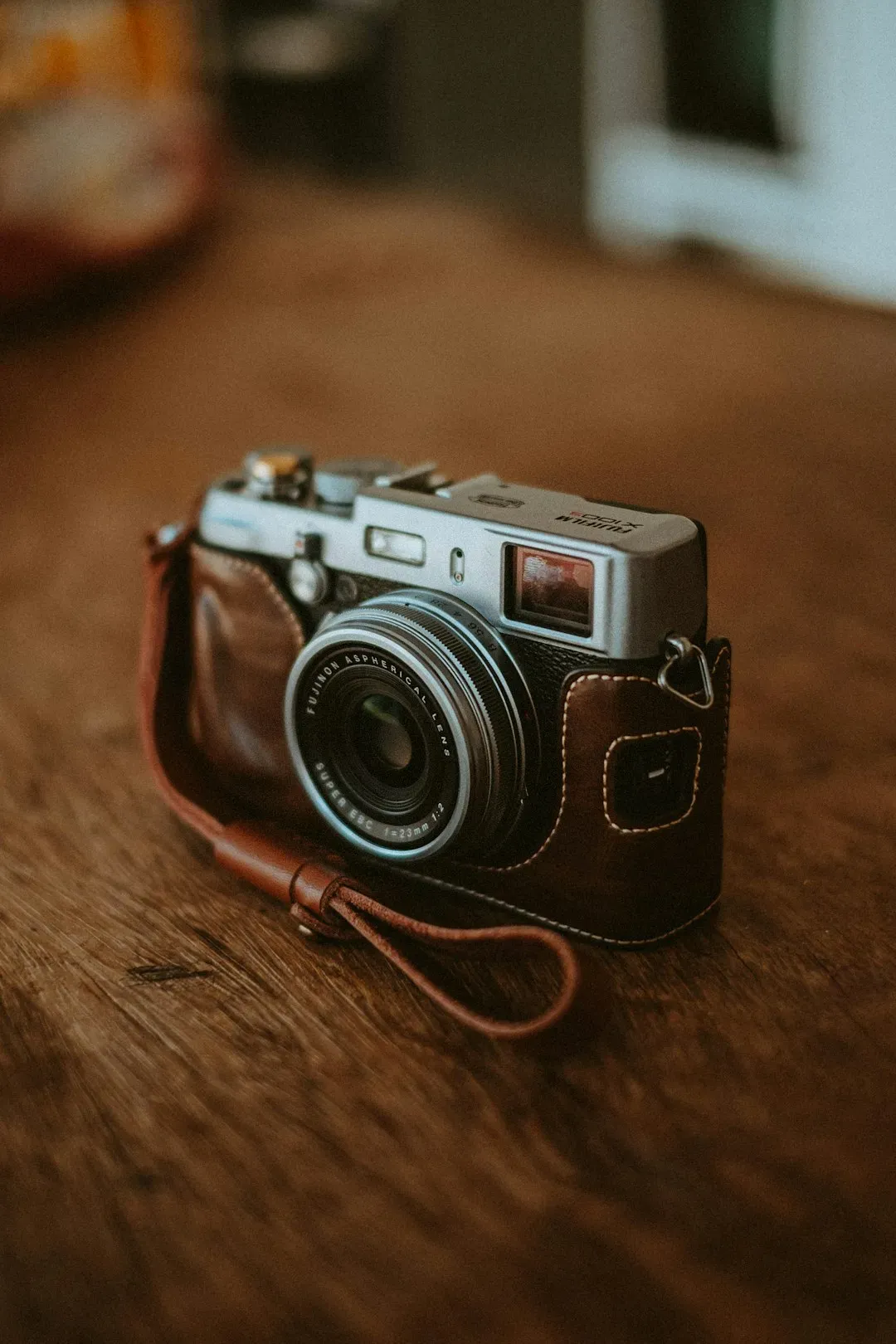
Gen Z is fascinated with digital cameras right now, putting a new appreciation for yesterday’s technology in focus. This isn’t just a casual online whisper. Camera stores are reporting real, tangible demand that is outpacing supply in ways nobody predicted three years ago.
Industry data shows a recent upswing in camera sales – 2024 saw the highest camera shipments in nine years – driven largely by Gen Z consumers returning to dedicated cameras for social media content. The clamor for compacts has led to shortages and stock outages for new units. Many 2019-era models are sold out everywhere, and used inventory moves fast. Retailers from big-box stores to specialty camera shops report very limited availability of popular point-and-shoots.
On fashion marketplace Depop, searches for cameras shot up 51% in early 2024 as style-savvy buyers hunted for retro shooters. That’s not a photography trend. That’s a cultural moment wearing a photography trend as a costume.
TikTok Made the Digicam Cool Again (And the Numbers Prove It)
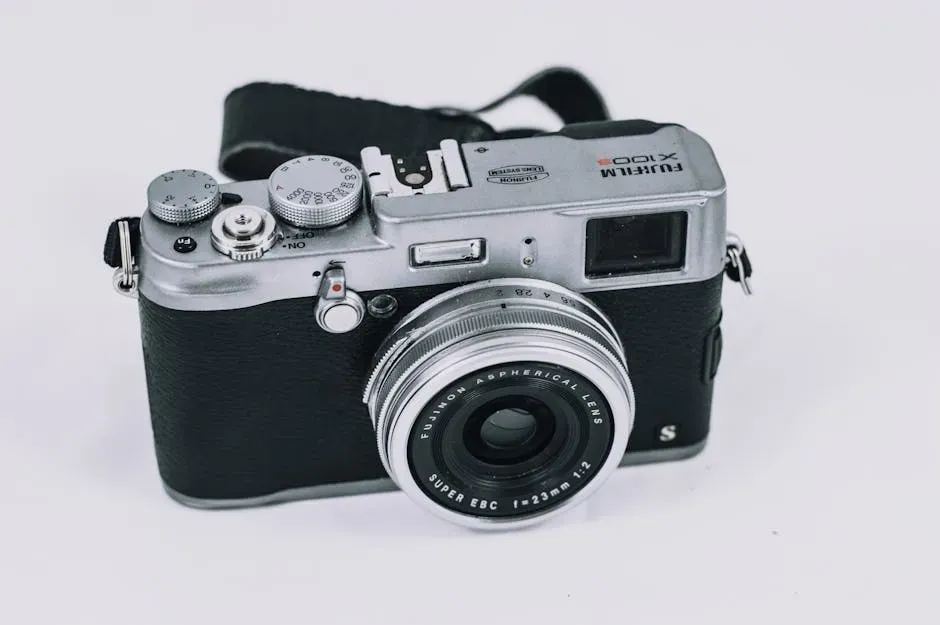
You cannot explain the compact camera revival without talking about TikTok. The platform’s hashtag for #digitalcamera has accumulated tens of billions of views. The broader #y2k hashtag, which encompasses fashion, music, and technology from the late 1990s and early 2000s, runs even higher, pushing a staggering 100 billion.
This is a generational aesthetic movement with photography at its center. The trend has identifiable origin points. In 2023, a format emerged on TikTok comparing portraits taken on phones to the same shots captured with dedicated cameras like the Canon PowerShot G7 X. Those side-by-side comparisons spread like wildfire, and people consistently preferred the look of the dedicated camera. Not for resolution. Not for technical quality. For feeling.
On TikTok and Instagram, the hashtag #digicam trend has amassed millions of views as young creators rediscover early-2000s digital cameras. Think about that: young people who were barely born when these cameras were popular are now hunting them down at thrift stores and online marketplaces.
The iPhone Does Something Remarkable – And That’s Actually the Problem
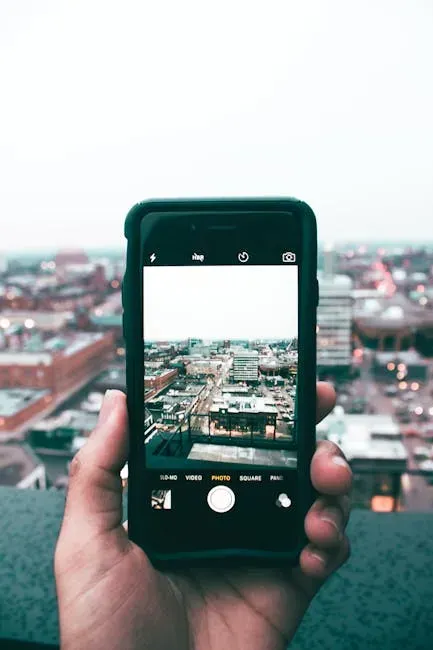
Here’s the thing most people don’t realize about their iPhone photos. Unlike traditional photography, which relies primarily on optical and mechanical processes, computational photography leverages the power of digital computation to process images in ways that were previously impossible. This approach allows for features like HDR, portrait mode, and night mode, which enhance image quality and expand creative possibilities.
That philosophy directly challenges the direction Apple’s camera team has taken since the iPhone 11, when Deep Fusion and Night Mode began aggressively transforming every photo before users ever saw it. In other words, by the time you see your photo, dozens of algorithms have already gone to work on it. You didn’t take a photo. You commissioned one.
One limitation of AI in iPhone photography is the risk of over-processing images. While post-processing algorithms can be highly effective in enhancing images, they can also be prone to over-processing, resulting in images that appear artificial and overly processed. It’s a bit like your food being seasoned by a robot that only knows what “good food” is supposed to taste like. Technically correct. Somehow hollow.
The Authentic Imperfection: Why Grain Feels More Like a Memory
There’s something magical about that vintage, grainy film look that smartphones can’t replicate. Gen Z and millennials are diving headfirst into the late 90s and early 2000s’ aesthetics, embracing analog photography’s quirks. Think soft focus, light leaks, and charming date stamps. It’s more than just a look; it’s a cultural moment that brings back the feeling of unfiltered, genuine memories.
Because of how point-and-shoot cameras function, there are some obvious issues with image quality. For example, most have a very large depth of field, which means subjects closer to the camera can often appear out of focus. A byproduct of this is the softening of facial features and blemishes, which some actually prefer. There’s something unexpectedly kind about that soft blur. It makes people look like people, not magazine covers.
The irony is almost poetic: the “worse” camera often produces the image that feels more emotionally true. It’s like how a handwritten letter hits harder than a perfectly formatted email. The effort and the imperfection together carry weight.
The Lo-Fi Aesthetic Is Not Going Away

The resurgence of lo-fi aesthetics – think grainy film, muted colors, and a touch of vintage warmth – is being amplified even by AI. AI can now accurately replicate the imperfections and atmospheric qualities of classic film stocks, adding a nostalgic layer to modern photos. When even AI is trying to imitate the look of a cheap point-and-shoot, you know something genuinely cultural is happening.
Starting from 2024 and into 2025, retro trends have been sweeping through fashion, home decor, and pop culture. Y2K and classic pop-culture aesthetics keep getting brought up and revisited, and social platforms are full of nostalgic retro-style vlogs that rack up tons of views. The lo-fi photo isn’t just a filter preference. It’s part of a much larger cultural hunger for something that doesn’t feel algorithmically generated.
Lo-fi aesthetics – low-fidelity, grainy, vintage-inspired filters – remain a top choice among creators. It’s hard to say for sure whether this is a passing micro-trend or a permanent aesthetic shift, but the consistency across multiple years strongly suggests it isn’t disappearing anytime soon.
The Market Is Responding – Slowly, But Noticeably
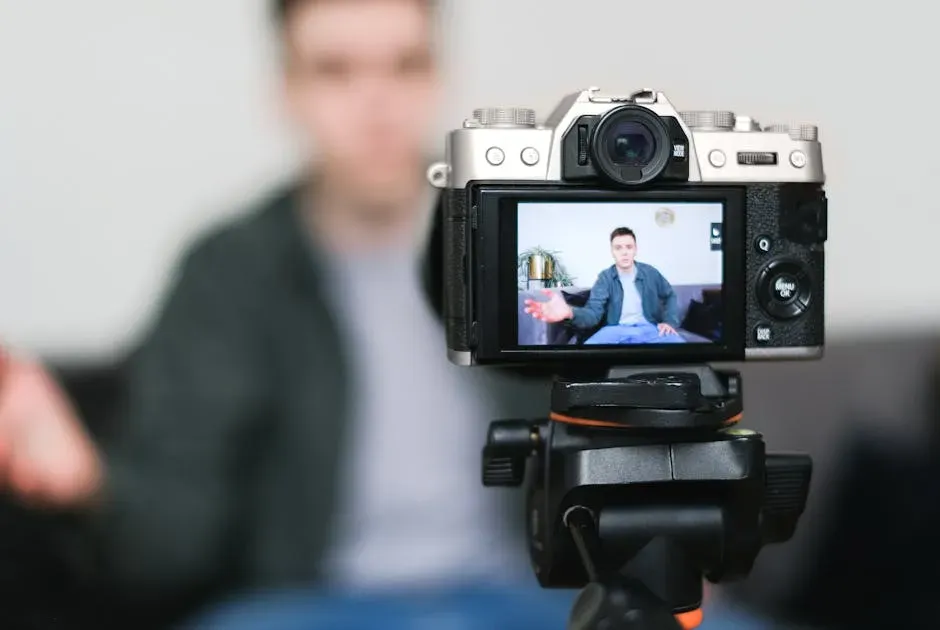
GrandView Research proves this upward trend in the digital camera industry, with a 4.8% compound annual growth rate prediction from 2024 to 2030, growing the market from its current valuation at 7.72 billion to nearly 10 and a half billion. Compound annual growth rate measures the average yearly growth of an investment over a designated time period.
Global shipments of digital cameras are expected to recover to their highest level in nine years in 2024. The driving force behind this return is thought to be Gen Z, specifically from Chinese social media users who have turned to cameras rather than smartphones. Young people are turning to higher-performance devices to get their best side for social media, and in turn making these cameras trend again.
CIPA’s mid-2025 shipment data shows fixed-lens cameras up notably year over year, with a little over a million units moved in the first half of the year, the strongest performance since 2021. More telling than the unit numbers is what happened to value: shipment revenue has been climbing steadily since 2020 even while volumes stayed depressed, a clear signal that buyers are paying premium prices for the compacts they do purchase. The market isn’t just recovering. It’s repositioning.
The Deeper Psychology: Presence Over Pixels
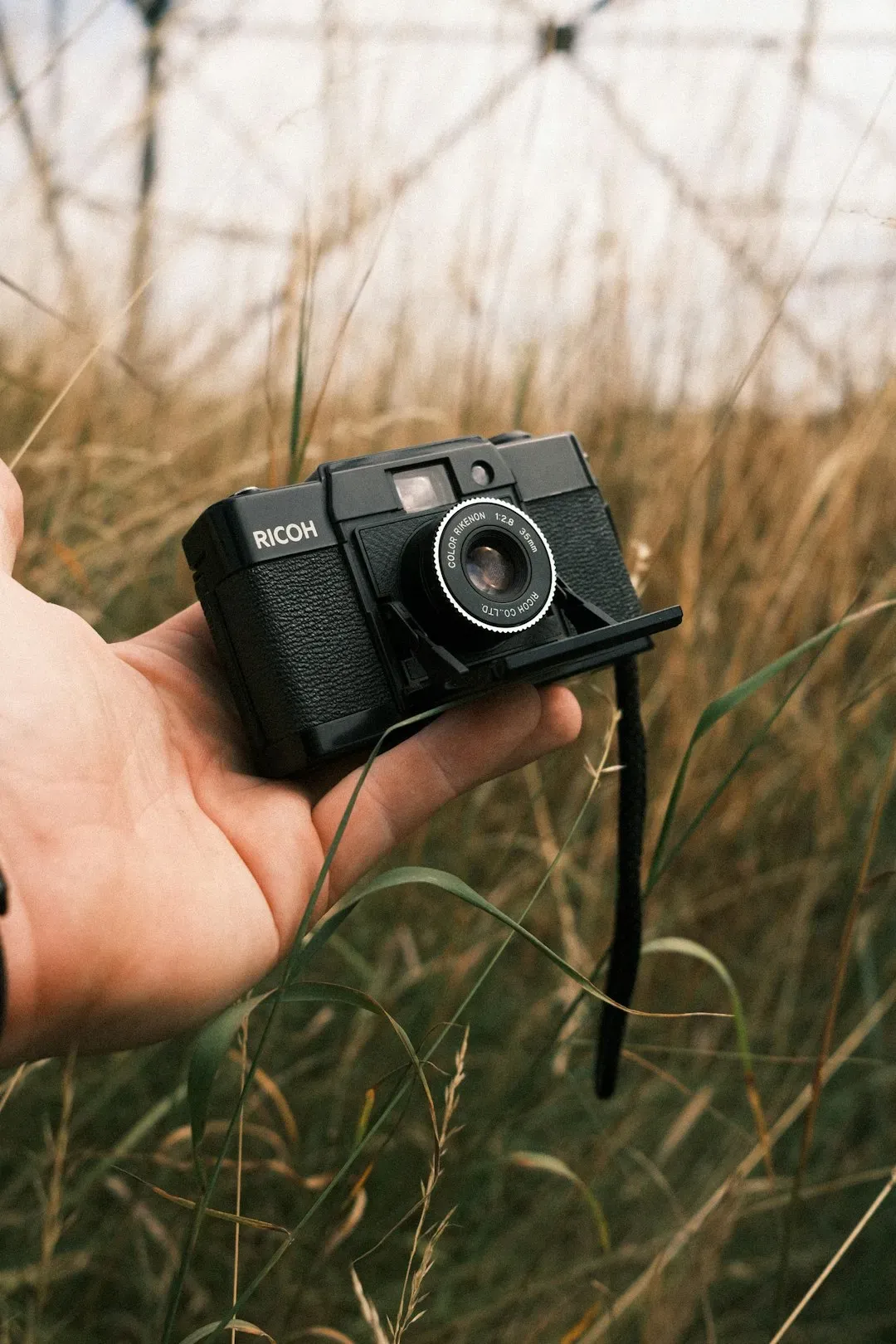
One point-and-shoot user captured the feeling well: using it feels like it helps being more in the moment instead of it being like a phone, which in 2024 has become so much more than just a device for calls. That simple observation says more than any megapixel count ever could.
Digital cameras also don’t have the same storage options as phones, and knowing each shot takes up immense storage space makes you feel more grounded – knowing each shot has to count. There’s a mindfulness baked into the limitation. Every frame matters. That changes how you look at the world through a viewfinder, and honestly, it changes how you look at the world in general.
The best camera phones are generally better than point-and-shoot cameras in pure technical terms, but that doesn’t seem to have deterred younger audiences from embracing them. Camera appeal is often about “feeling” rather than outright quality, and there’s a demand for dedicated cameras that offer a pure and unencumbered shooting experience because they’re disconnected.
Apple Is Starting to Hear the Criticism – And Even Scrambling to Respond
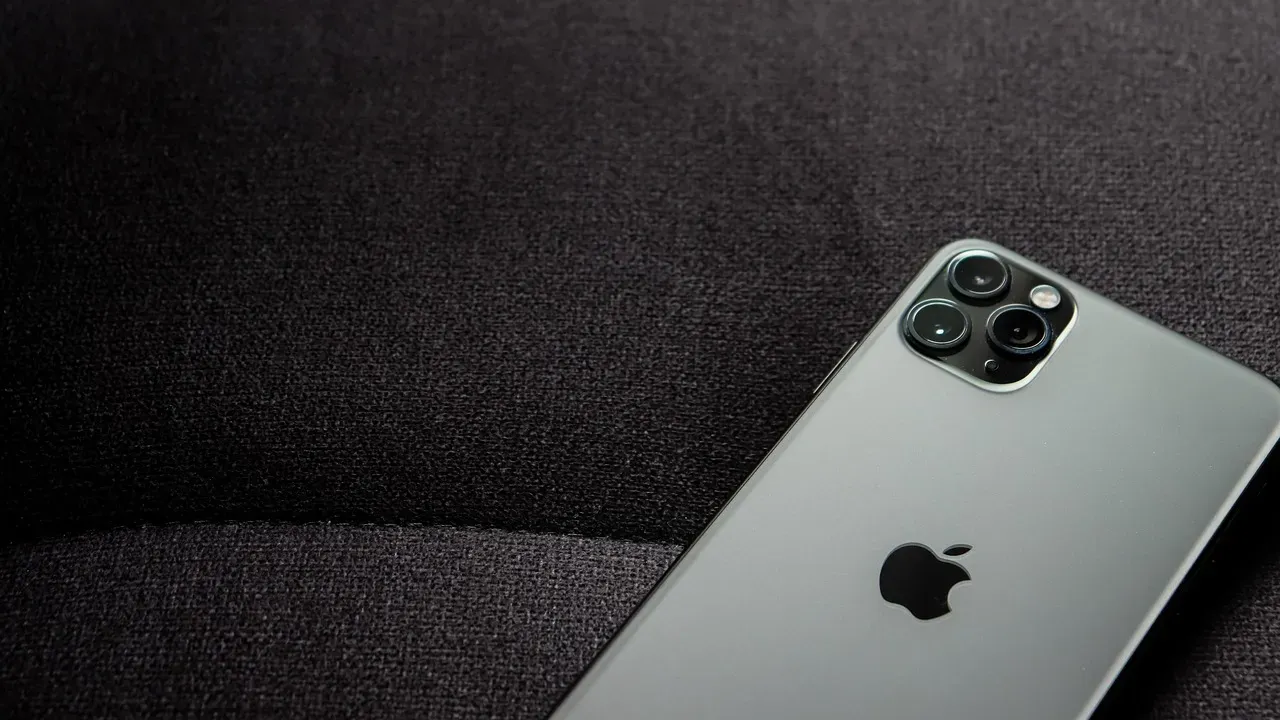
Apple attempted to acquire Halide, the acclaimed third-party iPhone camera app, to bolster iPhone 18 Pro’s camera software. The indie developers declined, exposing Apple’s internal struggle to match its computational photography approach with the photographic authenticity professionals demand.
The fact that Apple wanted to acquire Halide suggests internal recognition that its own Camera app, while excellent for casual users, has a credibility problem with the audience that shapes camera perception. Professional photographers, camera reviewers, and imaging enthusiasts disproportionately influence how the public thinks about camera quality. That’s a pretty remarkable admission, even if it happened quietly behind closed doors.
The photography community’s growing sentiment is clear: no overblown AI gimmicks and “enhancements.” If anything, Apple should lean harder into authenticity, defaulting to natural shots that preserve mood and atmosphere and that value the beauty of reality. The irony is that a cheap point-and-shoot already does exactly that, without trying at all.
Conclusion: The Blurry Photo Is the Honest One
We live in an era where nearly every image around us has been processed, optimized, enhanced, and algorithmically approved before it reaches our eyes. That’s not inherently bad. But it does create a quiet hunger for something that bypasses all of that. Something that just records what was actually there, imperfect light and all.
The point-and-shoot camera doesn’t flatter you. It doesn’t even try. What it does is document. And in 2026, that act of honest documentation feels quietly radical. Point-and-shoots have become cool again – they signal creativity, individuality, and a willingness to break from the smartphone status quo.
I keep my little camera in my jacket pocket now. Sometimes the photo comes out blurry. Sometimes the colors are wrong. Sometimes a stranger’s arm wanders in from the edge of the frame. Every single one of those “failures” feels more like a real memory than anything my iPhone ever handed me on a polished silver platter. What do you think – is perfect photography slowly killing our connection to real moments? Drop your thoughts in the comments.