
I had my map marked up, cooler packed, and playlist ready for a dream drive through Arizona, Nevada, and Utah. Dust kicked up under my tires as I headed toward the Grand Canyon, but something felt off. Parched landscapes stretched endlessly, and whispers of water woes turned into shouts the further I went.
Honestly, it hit me hard when I saw the real toll up close. Let’s dive into what forced me to turn back early.[1][2]
Shocking Sights at Lake Mead
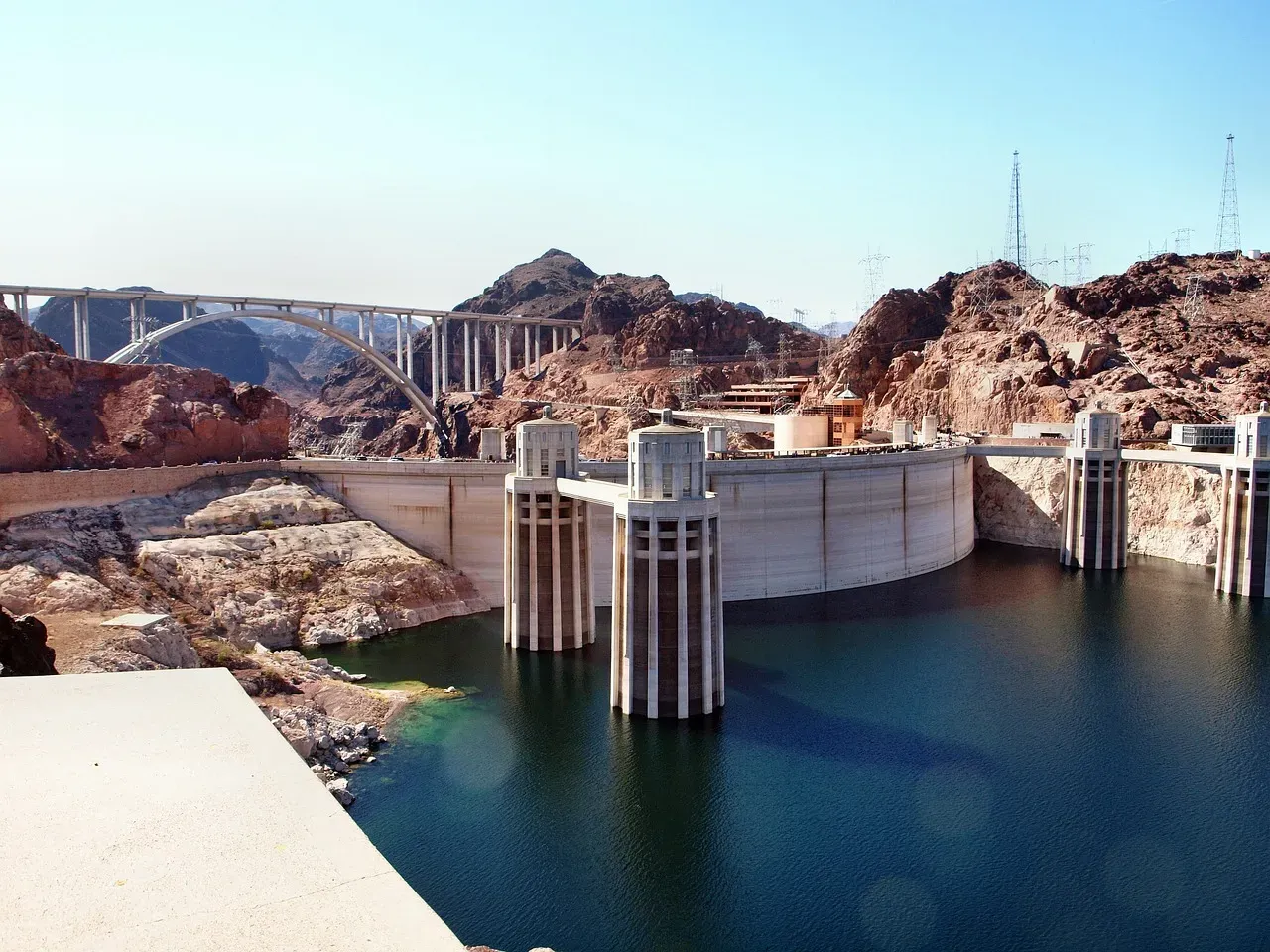
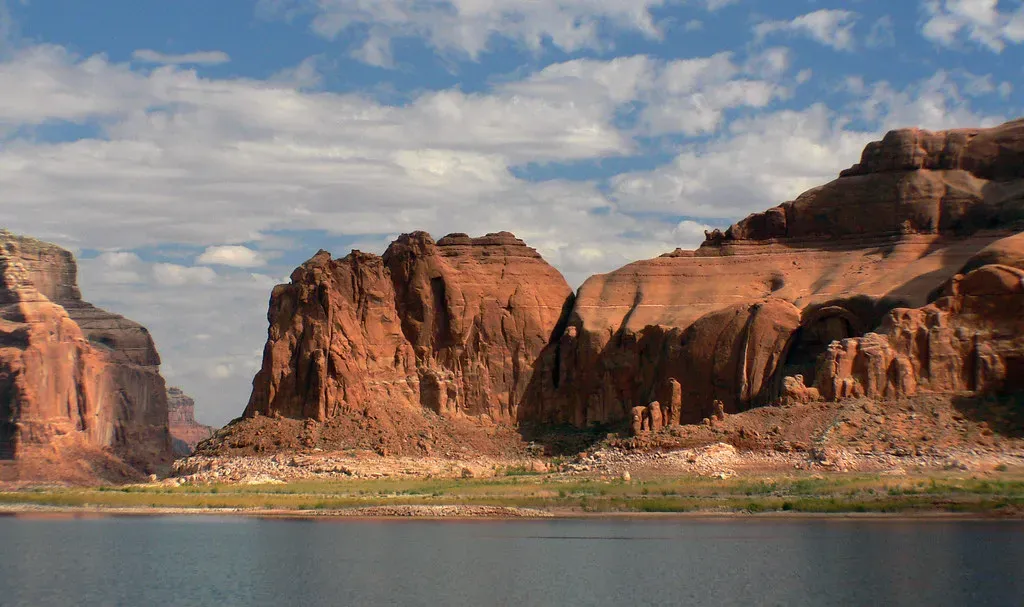
The bathtub ring around Lake Mead loomed like a scar on the red rock cliffs, a stark white band showing how much water has vanished. I pulled over near Hoover Dam, staring at levels hovering around 1,054 feet above sea level, way below full capacity.[3][4] Forecasts warn it could drop to unprecedented lows within two years, threatening supplies for millions. Here’s the thing, that reservoir powers homes and farms across seven states.
Boats bobbed in a shrinking pool, marinas half-empty. I couldn’t shake the eerie quiet where crowds used to throng.[4]
Arizona’s Mounting Water Cuts
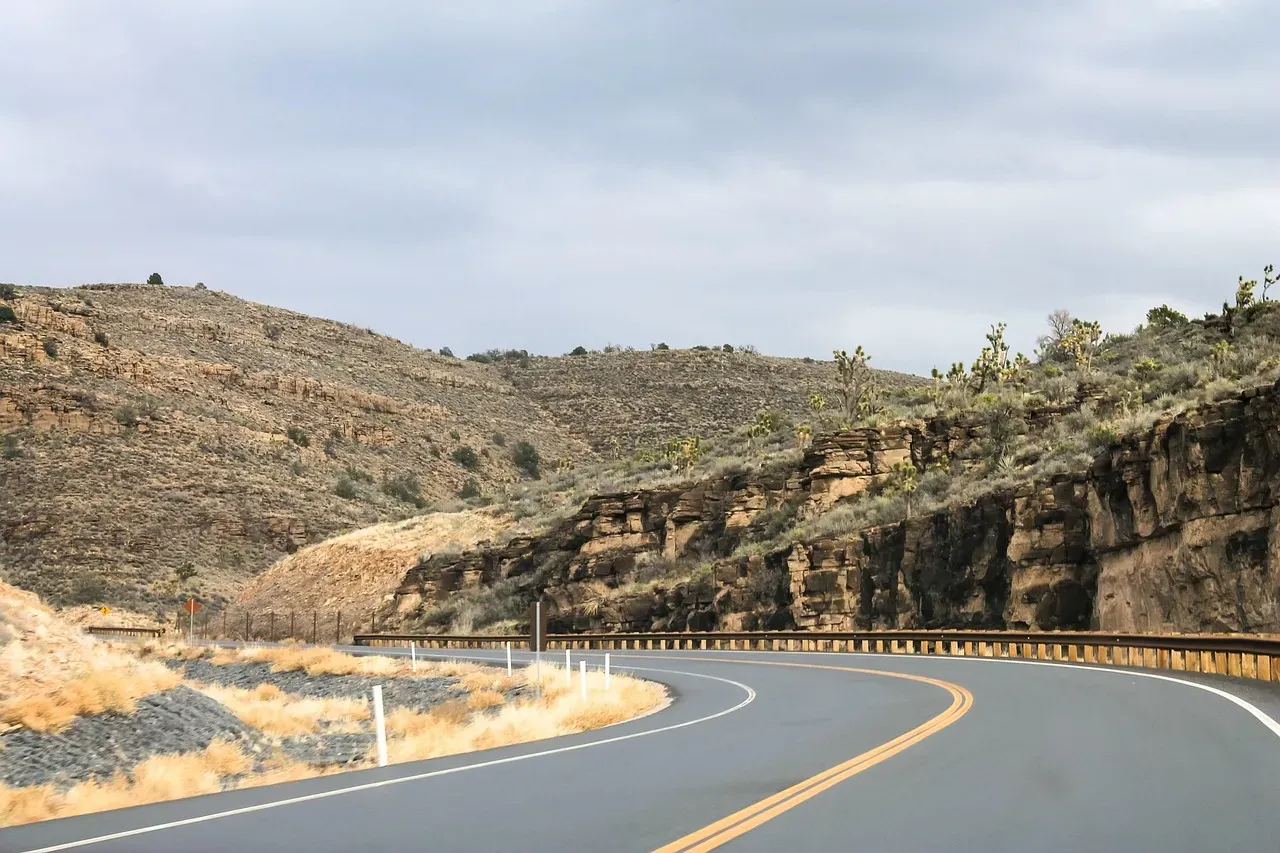
Phoenix shimmered in the heat as I drove through, but locals talked nonstop about the 18% cut to Arizona’s Colorado River share for 2026. Deeper reductions loom if states don’t agree soon. Farmers in the valleys eyed dusty fields, wondering how long alfalfa and cotton can survive these slashes.[5][6]
The city pushes conservation hard, yet sprawl keeps guzzling groundwater. I felt the tension in every dry canal I passed.
Lake Powell’s Alarming Drop
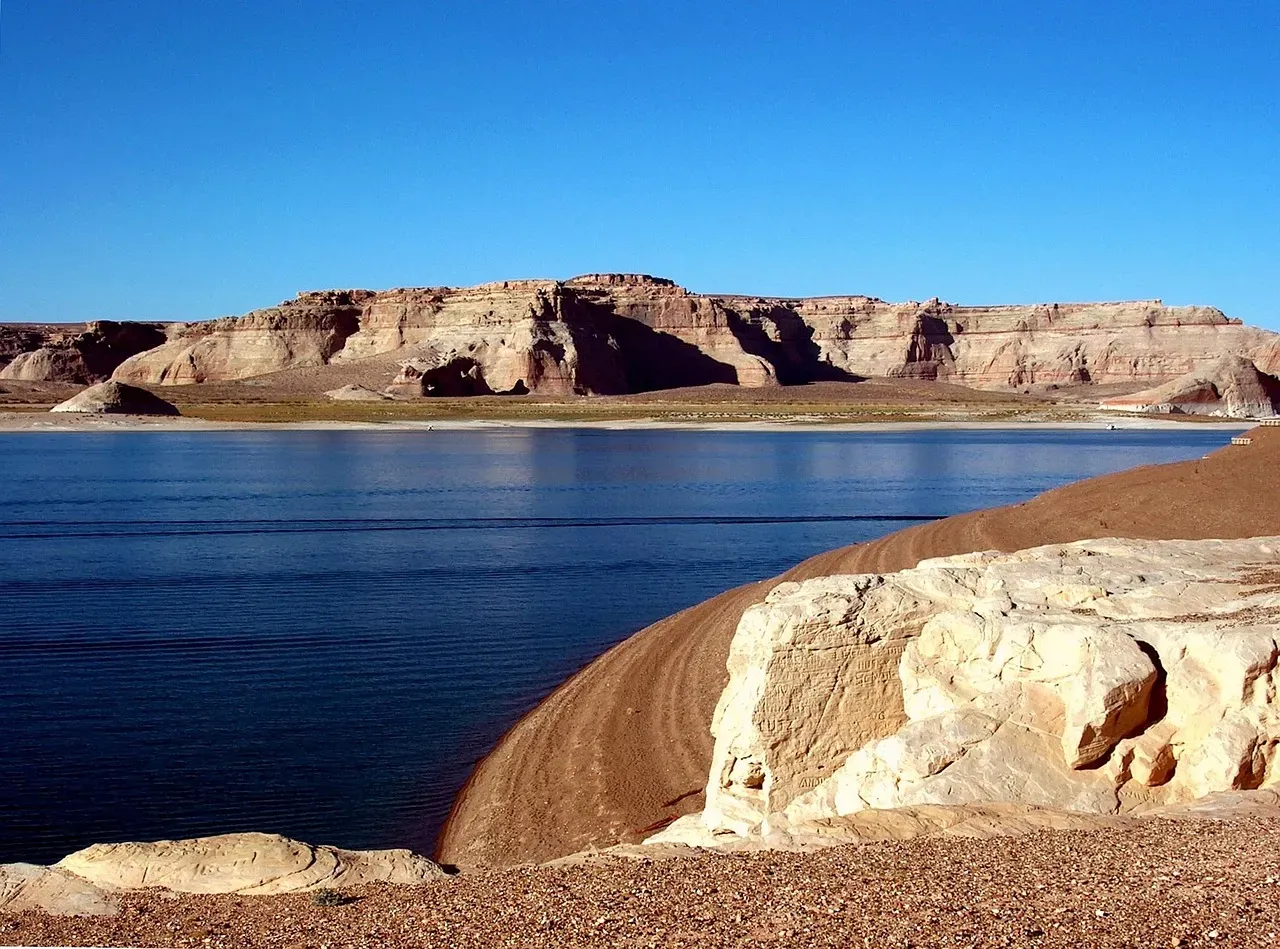
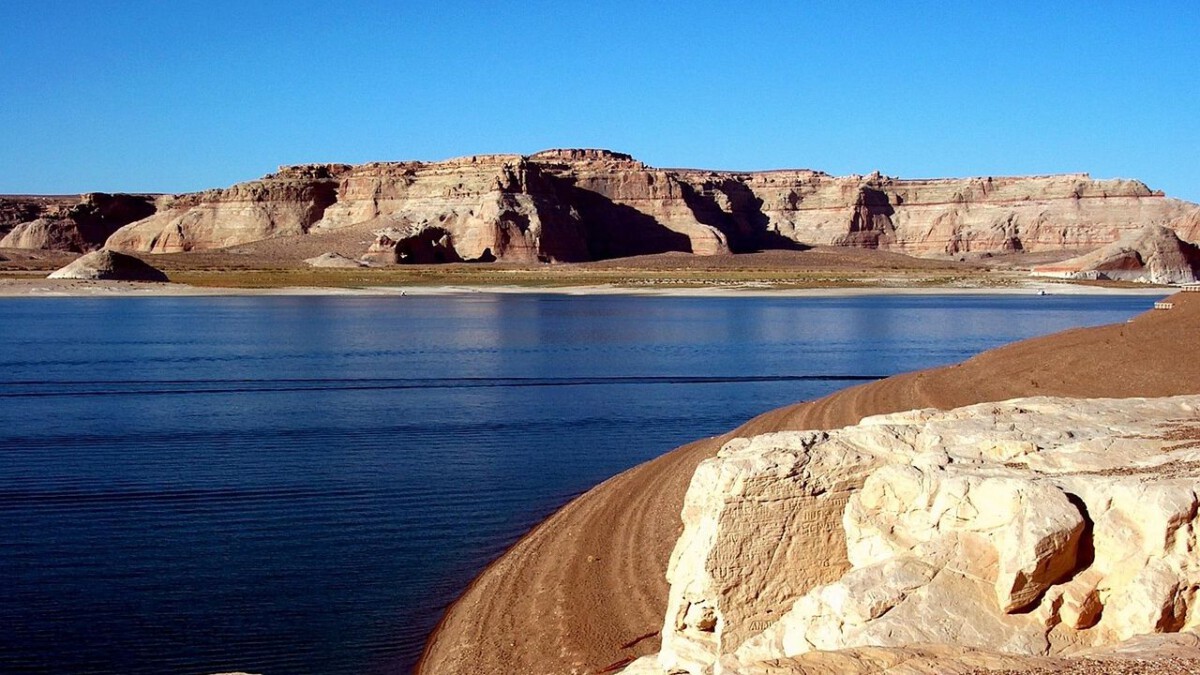
Up at Lake Powell, the water looked like a thin blue thread snaking through vast canyons. Levels sit critically low, with inflows projected at just 52% of average for 2026, the lowest in 25 years.[7][8] Bullfrog Marina felt abandoned, ramps extended far into mud. Hydropower generation worries everyone here.
Ramparts of exposed rock told stories of better days. My planned houseboat rental? Canceled due to access issues.
Failed Talks Among River States
Seven states bickered over post-2026 rules, missing the February deadline set by the Bureau of Reclamation. Arizona offered 27% cuts, California 10%, Nevada 17%, but upper basin holdouts stalled everything.[9][10] Without a deal, shortages deepen automatically. I overheard frustrated anglers at a gas station, blaming politics over nature.
The feds project reservoirs hitting record lows by 2027. Tension crackled like dry brush.
Aridification Hits Home
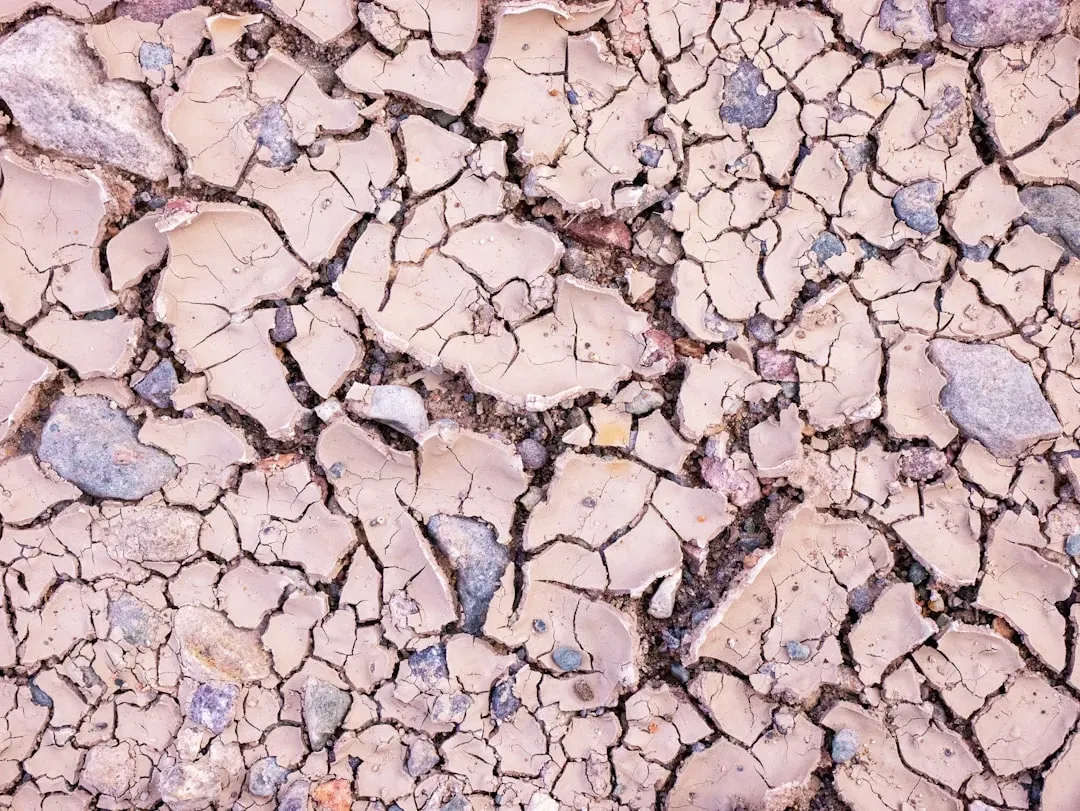
It’s not just drought anymore; scientists call it aridification, a permanent drier Southwest after 32 years of below-average rain. Flows in the Colorado River dropped 20% since 2000 from heat and less snowpack.[1][11] Landscapes I remembered lush now cracked under relentless sun. Even wet winters can’t refill the deficit.
I know it sounds crazy, but farms still green up valleys while cities ration. Reality feels heavier than any headline.
Groundwater Gulped Away
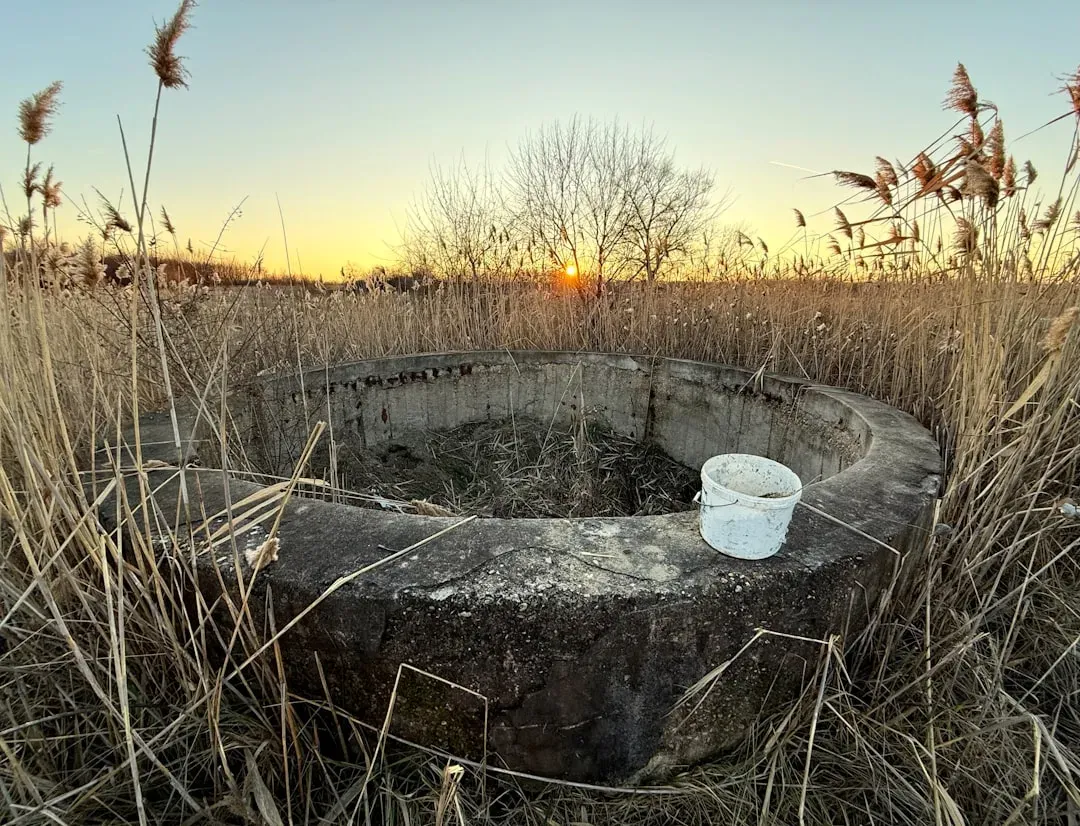
The Colorado Basin lost nearly 28 million acre-feet of groundwater from 2002 to 2024, matching Lake Mead’s storage.[12] Overpumping in Arizona and New Mexico accelerates the drain. Wells run dry, forcing tough choices for ranchers.
Desert floors sink as aquifers empty. My route skirted sinkholes, a grim reminder.
Satellite data shows the Southwest losing freshwater faster than almost anywhere. No quick fix in sight.
Nevada’s Steady Shortages
Las Vegas glittered ahead, but Nevada faces another 7% cut from the river in 2026. The Strip’s fountains mock the reality outside town, where Lake Mead supplies most taps.[13] Southern Nevada Water Authority scrambles for alternatives. I skipped the shows, too unsettled.
Intake pipes near dead pool levels spell trouble. Glitz hides a thirsty underbelly.
California Dodges Cuts, For Now
California senior water rights spared cuts this year, but the river’s woes ripple south. Imperial Valley farms guzzle vast shares, sparking equity debates. Urban users in LA push recycling amid statewide drought watch.[14]
Yet, 65% of the West baked in drought through 2025. No one’s immune long-term.[12]
New Mexico’s Hidden Strains
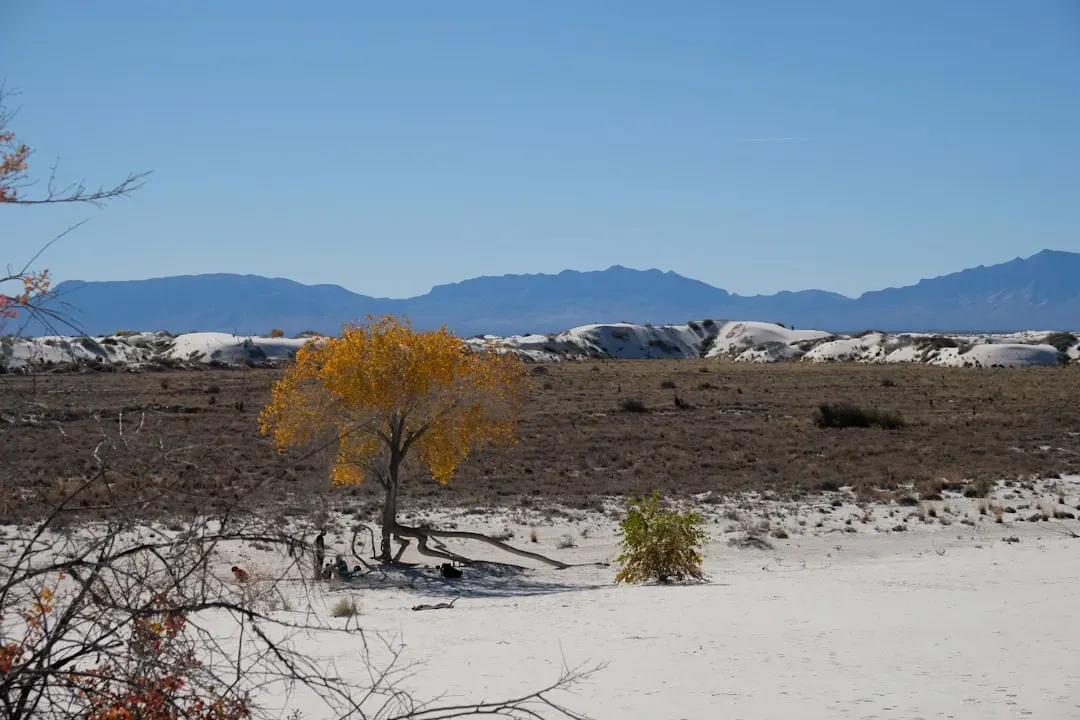
Albuquerque’s Rio Grande ran skeletal, groundwater overpumping hitting hard. Elephant Butte Reservoir languishes low, squeezing farmers and tribes.[15] State leaders eye reforms amid basin-wide crunch. I detoured past barren orchards.
Drought maps glowed red across the region. Personal stories echoed my growing dread.
The Breaking Point for My Trip
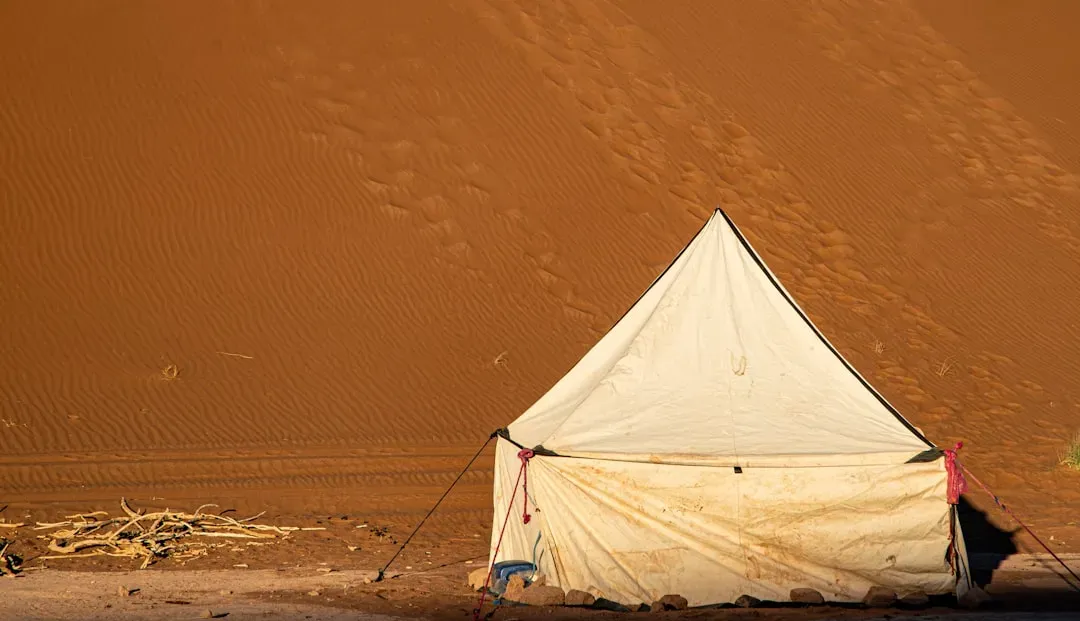
Empty campgrounds, closed ramps, and water warnings everywhere wore me down. With reservoirs projected to plummet and no relief in 2026 forecasts, adventure turned to anxiety.[16] I turned the RV north, heart heavy. The Southwest’s thirst quenched my wanderlust.
What I saw demands attention before the next summer scorches more dreams. Head back while you can.[17]