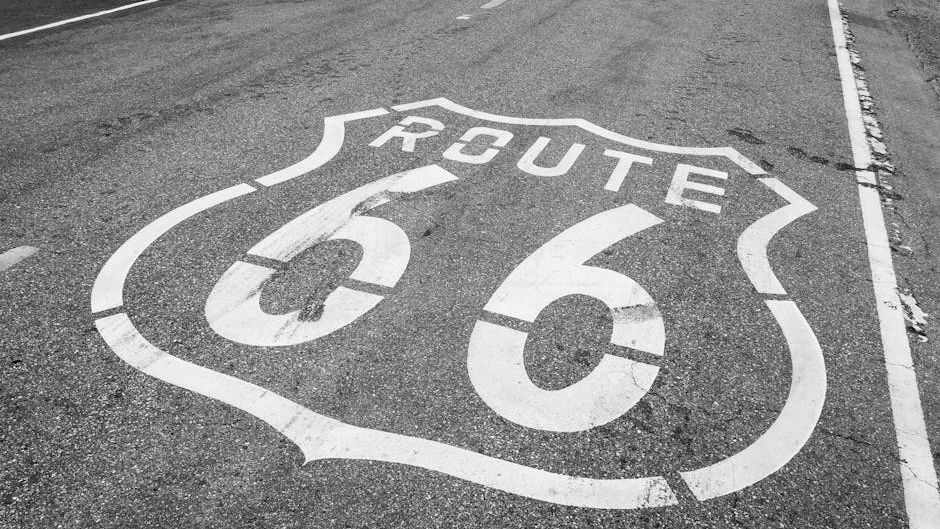

I gripped the wheel tight as I rolled out of Chicago, chasing the ghost of America’s ultimate road trip. Route 66 promised adventure, diners, and endless horizons, but what I found hit harder than expected. Cracked asphalt, boarded-up motels, and whispers of better days left me wondering if the Mother Road’s best chapter is closing.
Let’s be real, this drive stirred something deep. Nostalgia mixed with a quiet sadness. Stick around as I unpack what I saw across those 2,448 miles.
The Day Route 66 Lost Its Highway Status
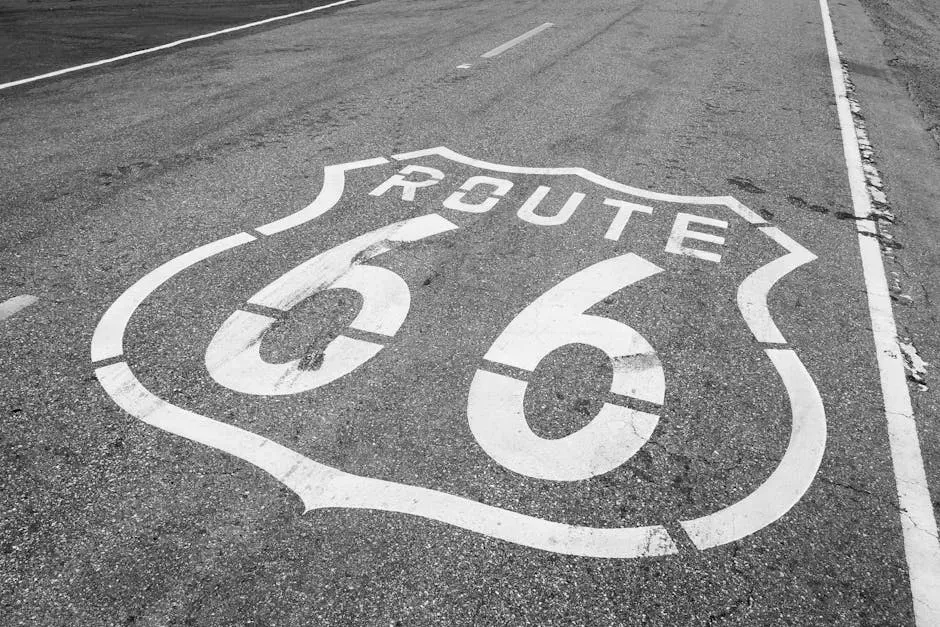
Picture this: back in 1985, the U.S. government officially decommissioned Route 66 from the highway system. Interstates like I-40 and I-55 took over, speeding traffic past sleepy towns that once thrived on the Mother Road’s bustle. Businesses shuttered overnight, and the economic heartbeat slowed to a crawl.
I felt that shift pulling into old stops. According to historical records from the Federal Highway Administration, this bypass marked the beginning of a long fade. Towns that bet everything on through-traffic suddenly faced empty streets.
About 85 Percent Still Drivable, But It’s Rough
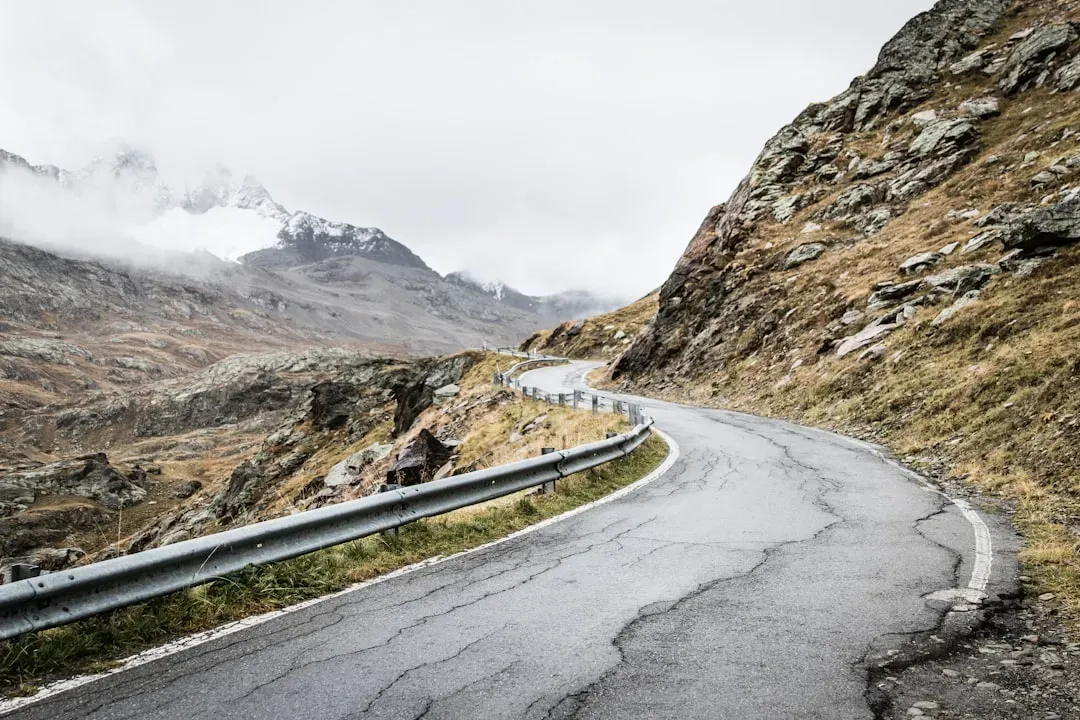
National Park Service maps confirm roughly 85 percent of the original alignment remains paved and open to cars like mine. Yet fragments pop up everywhere, forcing detours onto modern interstates. Poor maintenance in rural stretches means potholes and washes that jolt you back to reality.
Driving through Arizona, I dodged sections turned to gravel. Preservation sites like TheRoute-66.com note these gaps stem from decades of neglect. It’s drivable, sure, but far from the smooth cruise of legend.
Towns Bypassed Into Oblivion
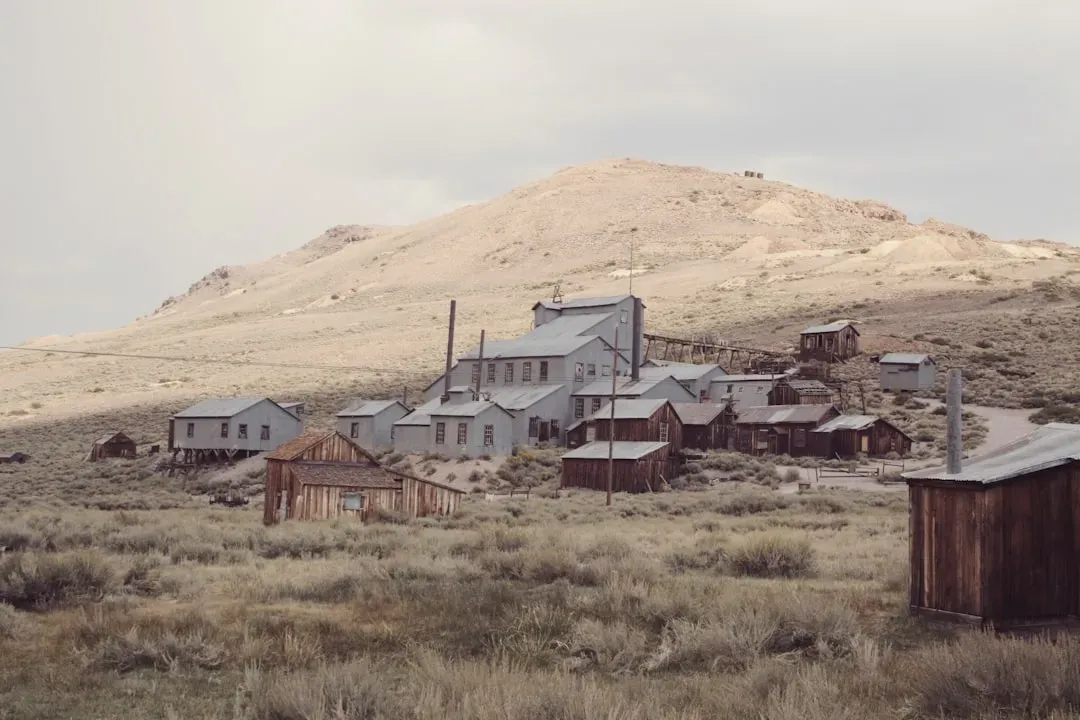
Places like Glenrio on the Texas-New Mexico line went from booming truck stops to ghost towns after I-40 zipped by in the 1970s. Population plunged, motels crumbled, and locals packed up for bigger opportunities. The National Trust for Historic Preservation lists several such spots, hollow shells of Route 66’s golden era.
Two Guns, Arizona, hit me hardest, with its fire-gutted ruins staring blankly. Economic reports from bypassed communities show business closures outpacing revivals. These empty Main Streets tell a story of highways reshaping America.
Deteriorating Landmarks Under Siege
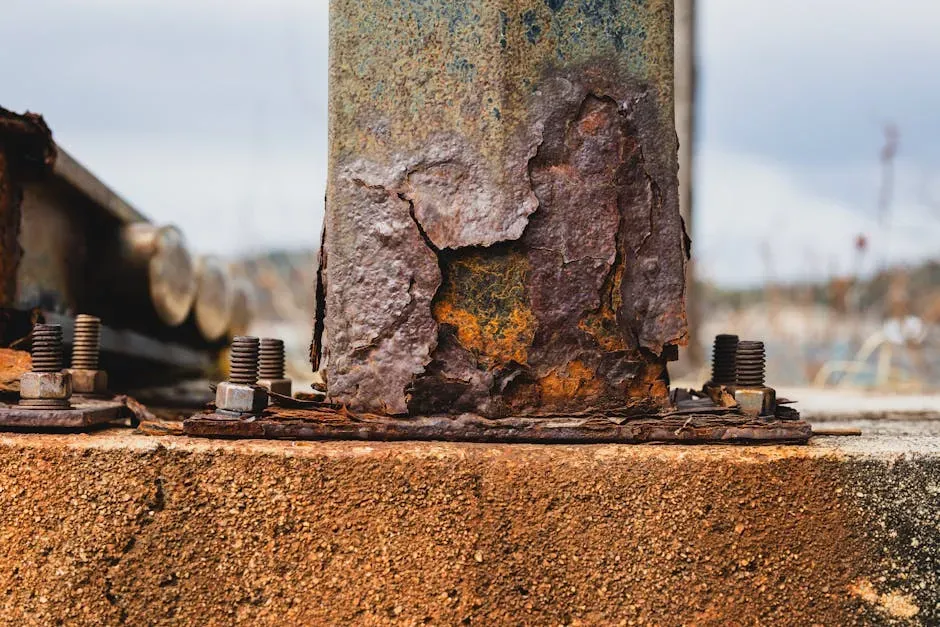
A 2023 National Park Service report paints a grim picture: aging neon signs, diners, and bridges crumbling from weather and time. Lack of steady funding leaves many structures at risk of vanishing forever. I snapped photos of peeling paint on iconic spots, proof the clock is ticking.
Environmental wear adds insult, with floods and winds eroding foundations. Preservation groups warn that without intervention, half these treasures could be gone in a decade. It’s heartbreaking to see history literally falling apart.
Tourism: The Fading Lifeline

Hundreds of thousands flock yearly, drawn from Europe and Asia, propping up diners and gift shops. A recent Arizona study tallied over 1.15 million visitors from March 2024 to April 2025 alone. Yet numbers dip in off-seasons, leaving gaps that hurt small operators.
On my trip, crowds thinned west of Oklahoma. AAA surveys predict a 2026 boom, with 41 percent of Americans eyeing a visit. Still, it’s a fragile thread holding back total eclipse.
Preservation Dollars Flow, But Is It Enough?
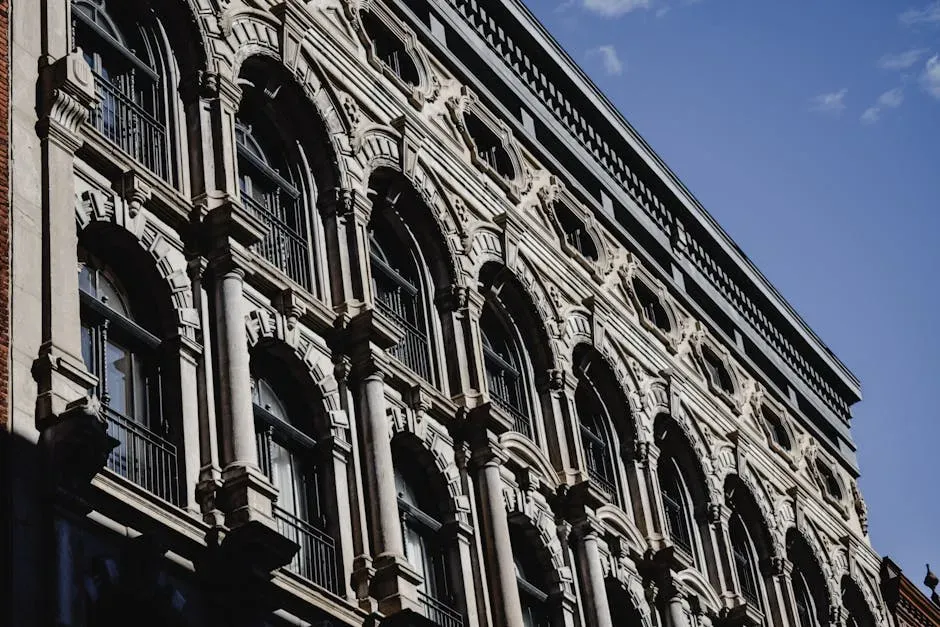
Since 1999, the NPS Route 66 Corridor Preservation Program has pumped millions into fixes for buildings and signs. In 2026, the National Trust awarded $410,000 in grants for sites like Lou Mitchell’s in Chicago. States pitch in too, with Oklahoma and New Mexico offering revitalization funds.
Illinois alone invested $19 million since 2021, per their tourism office. I saw fresh paint on some restored gems. Honestly, these efforts spark hope amid the decay.
Climate’s Hidden Hammer on the Road
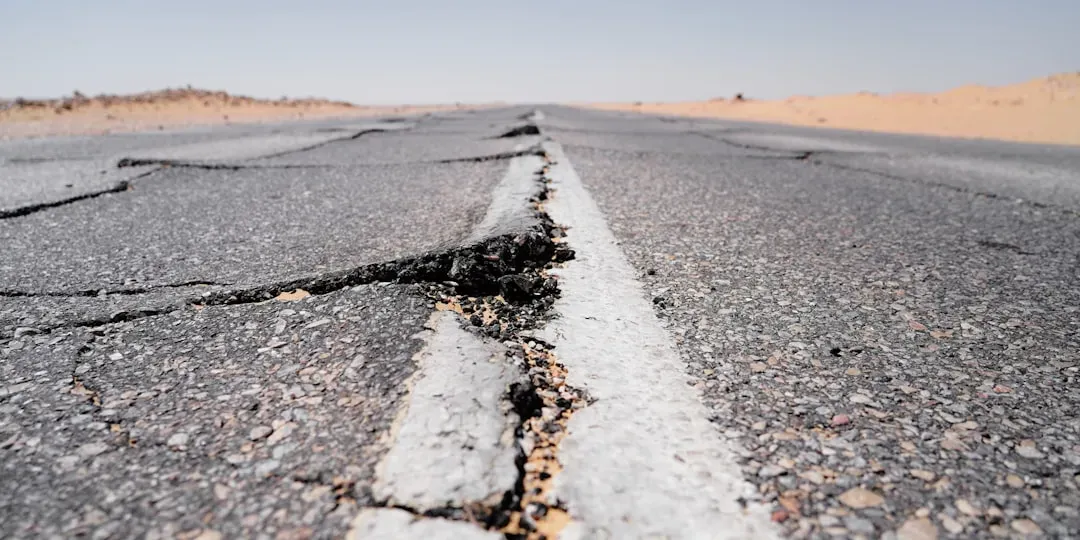
Preservation advocates highlight extreme heat, floods, and desert erosion chewing up pavement faster now. A National Park Service assessment ties rising weather extremes to quicker breakdowns in vulnerable spots. My tires kicked up dust where flash floods carved new scars.
Though specific Route 66 studies are sparse, general infrastructure reports from groups like the National Trust echo the threat. Hotter summers buckle asphalt; it’s nature reclaiming what’s hers. This silent force accelerates the fade no budget fully counters.
Centennial Buzz and Historic Trail Push
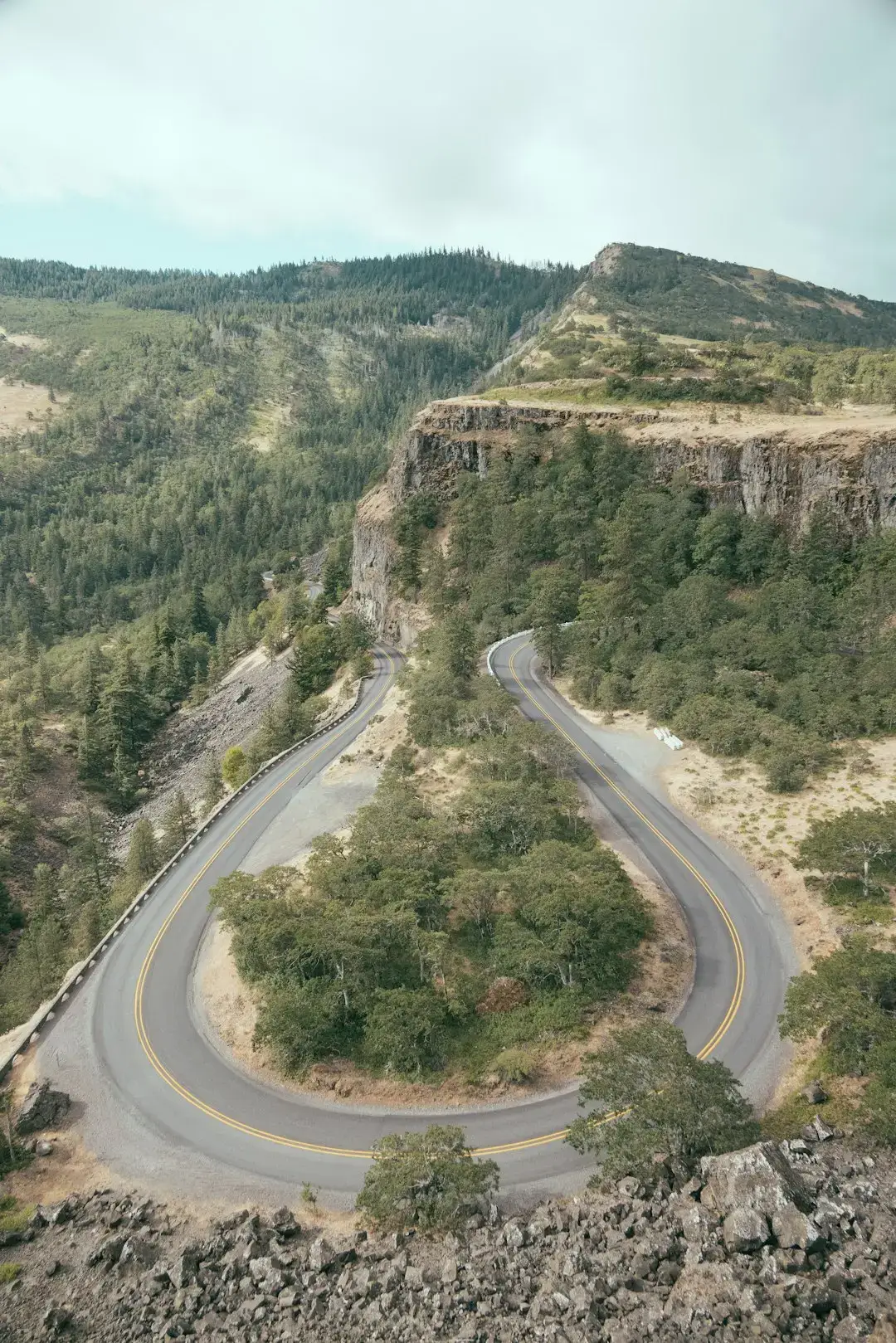
2026 marks 100 years since the first pavement, igniting state investments like Illinois’ $1 million commission grant. Bicameral bills H.R. 5470 and S. 2887 aim to name it a National Historic Trail for steady funding. Events and restorations ramp up across eight states.
I ended in Santa Monica, buzzing with prep fever. Road Ahead Partnership grants hit 19 projects in 2025. Could this revival stick, or is it just one last hurrah?