
Picture this: rummaging through a box in the attic, fingers brushing against faded plastic. There it was, my trusty Sony Discman, the one that survived countless jogs and bumpy bus rides. Those skips weren’t just glitches; they were the heartbeat of real adventure in music.
Fast forward to 2026, and nostalgia’s pulling folks back to these relics amid a cassette revival. Let’s unpack why that frustrating skip protection fight made everything feel alive.[1][2]
The Thrill of Unearthing a Time Capsule
I flipped the lid open, and memories flooded back like a mixtape on fast-forward. That chunky Discman, model from the mid-90s, still had a CD inside – some grunge album scratched from years of loyalty. Holding it felt like reconnecting with teenage rebellion.
Honestly, in our streaming world, this thing screams imperfection. Yet that’s its charm, a portal to when music demanded patience.[3]
Walkman’s Explosive Start in 1979
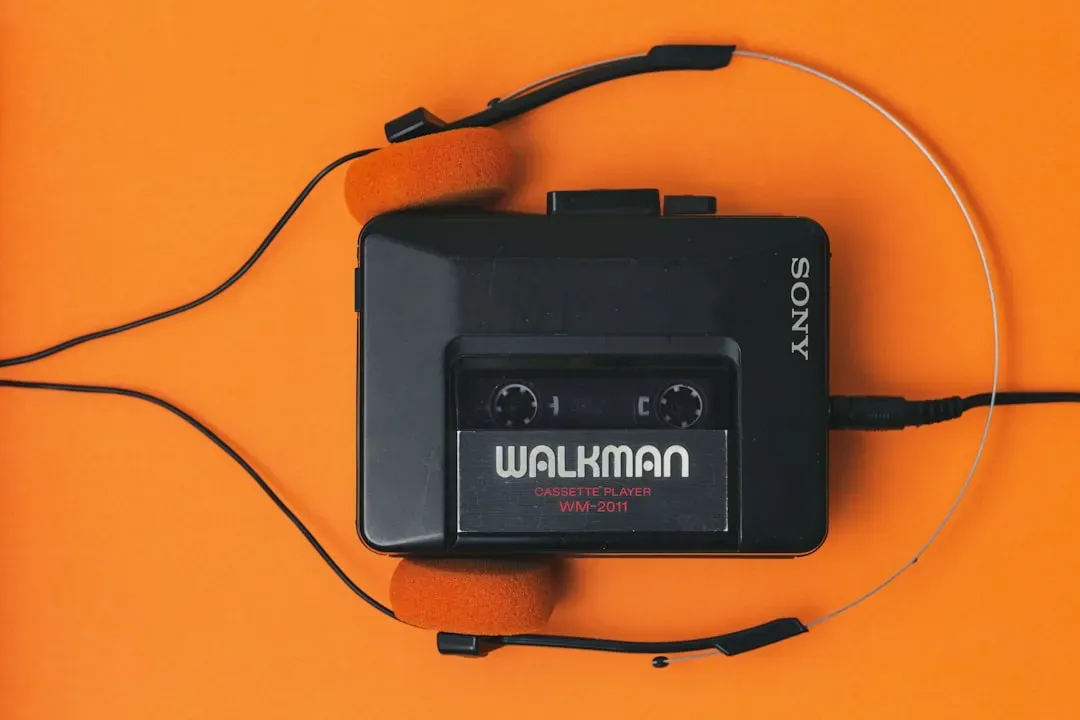
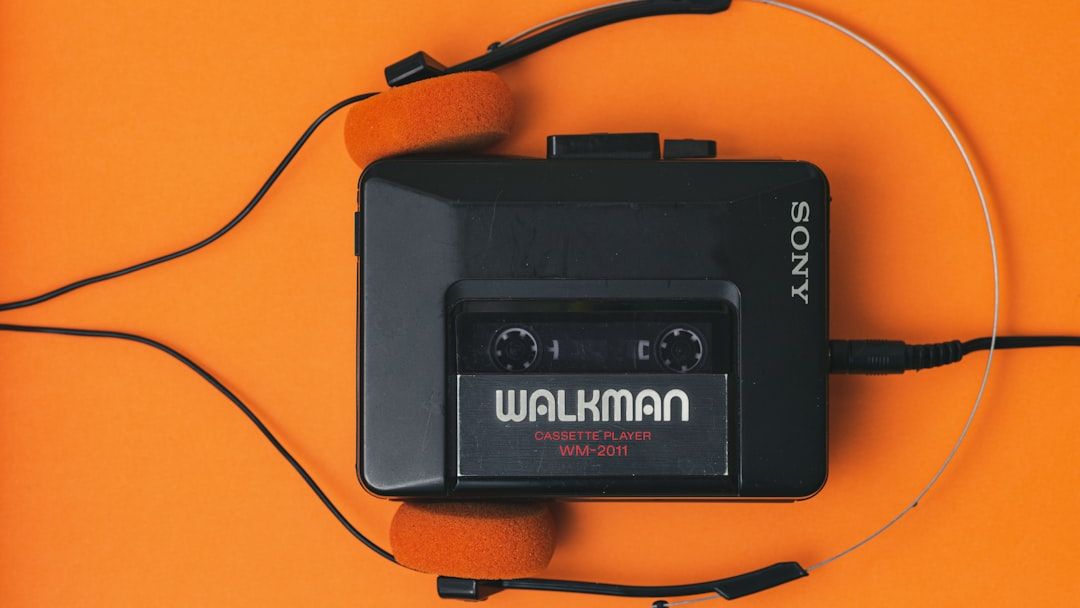
Sony launched the TPS-L2 cassette Walkman, selling over 50 million by 1989 alone. It turned streets into personal concert halls, headphones sealing out the world. No one expected portables to dominate like that.
By the 90s, cassette Walkmans hit 186 million units. The hype was real, fueling a cultural shift.[4][5]
Here’s the thing: it set the stage for CDs, but with way less drama.
Discman’s Rocky 1984 Debut

The D-50 Discman hit shelves, promising CD quality on the go. Problem was, any bump sent the laser flying – skips galore. Folks treated them like fragile eggs, not portables.
Marketed for walks, but reality? Sneeze and stutter. That raw frustration built character, or so we told ourselves.[6][7]
Skip Protection Enters the Scene
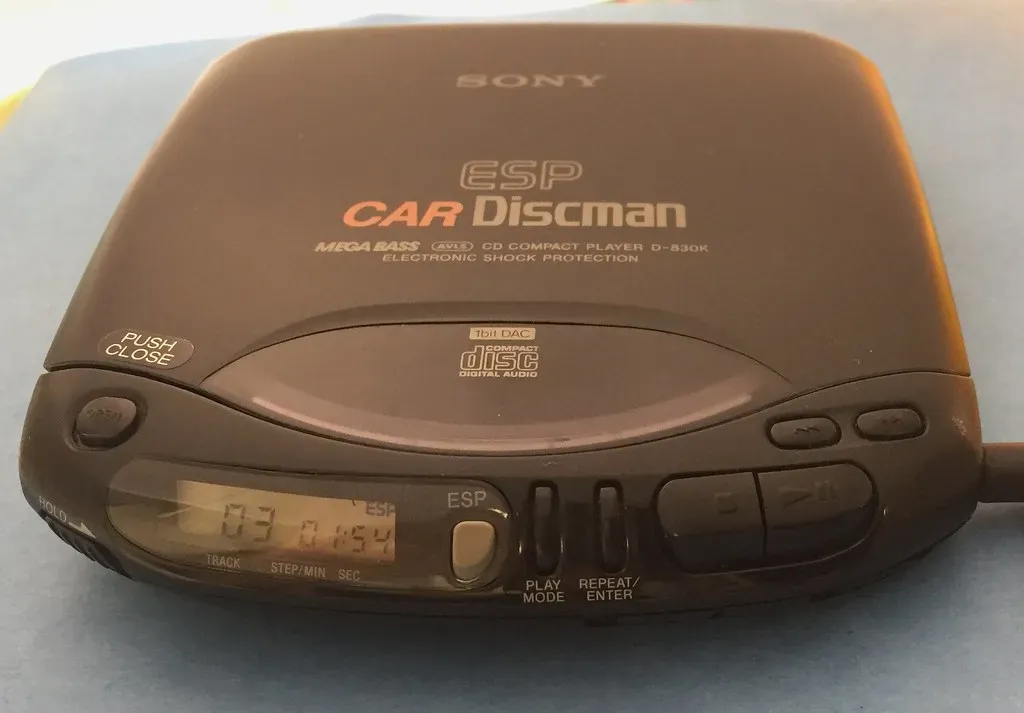
Sony fired back in 1992 with Electronic Skip Protection (ESP) on the D-515 Discman. It buffered about 3 seconds of audio in RAM, buying time for the laser to recover. Simple genius, right?
Not flawless, but it transformed jogs from gamble to groove. Suddenly, movement didn’t mean musical chaos.[8][9]
G-Protection Takes It Further
By 1999, G-Protection amped buffers to 40 seconds or more in models like the D-E01. It used smarter shock detection, holding music steady through rough rides. Battery life took a hit, though – worth it?
I remember holding my breath during intense buffering. That wait added suspense, like live radio.[10][11]
The Buffer’s Clever Trick
Skip tech pre-read tracks into memory, replaying from buffer if jolts hit. For CDs, uncompressed data meant tiny buffers – 3 to 45 seconds max. MP3 players later stretched it way longer thanks to compression.
Effectiveness varied; Sony’s ESP shone, but Panasonic edged in tests. Still, it wasn’t foolproof, sparking those tense moments.[9][12]
Tradeoffs That Added Flavor
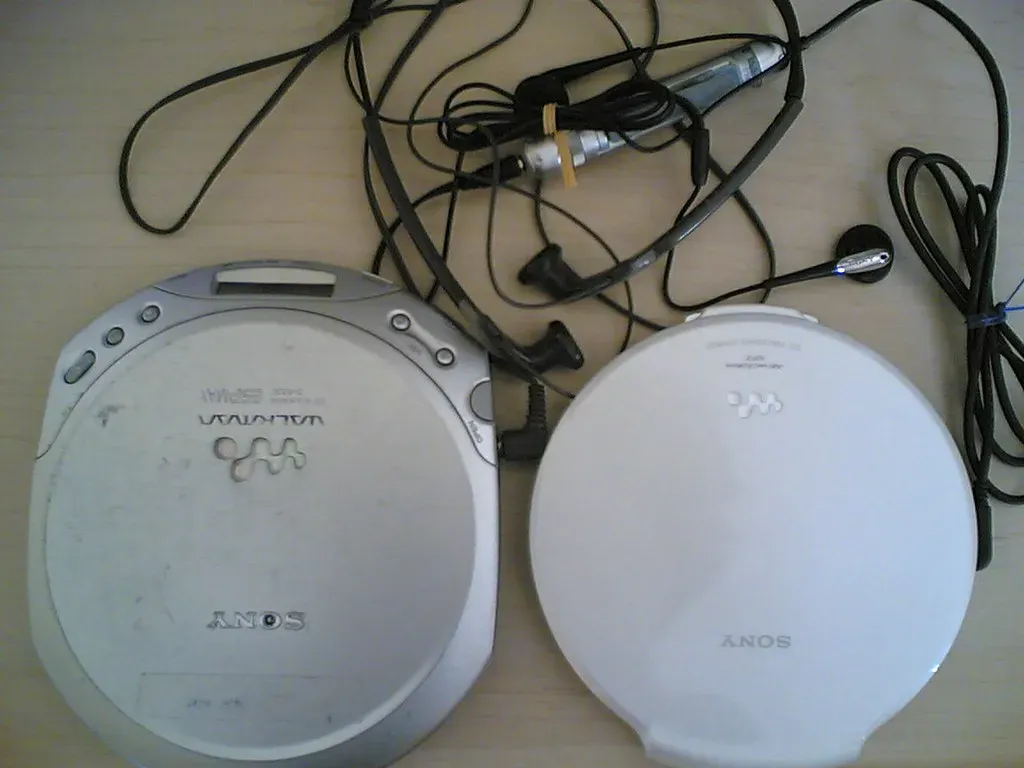
Buffers drained batteries faster, and some whispered about sound tweaks from compression hacks. Truth? Mostly clean, but that subtle grit felt authentic. Perfection bores; glitches engaged.
In 2025 chatter, fans debate if it dulled highs – nah, the vibe outweighed it. My Discman proved it, skips and all.[13][14]
Nostalgia Boom in 2024-2026
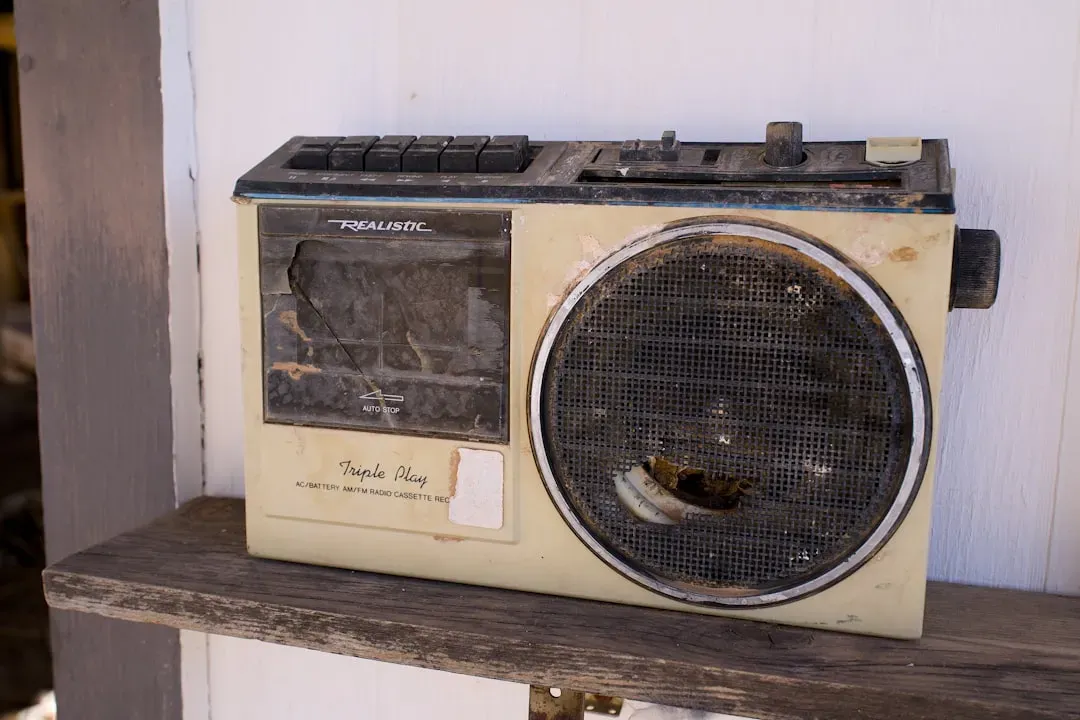
Cassette sales soared again, Walkmans fetching premiums online. Museums now showcase anti-skip Discmans, Gen Z hunting vintage skips. Sony’s NW-306 even gets 2026 love for build.
It’s like vinyl’s revenge – imperfect rules. My old player fits right in this retro wave.[15][16]
Why Struggles Built Bonds
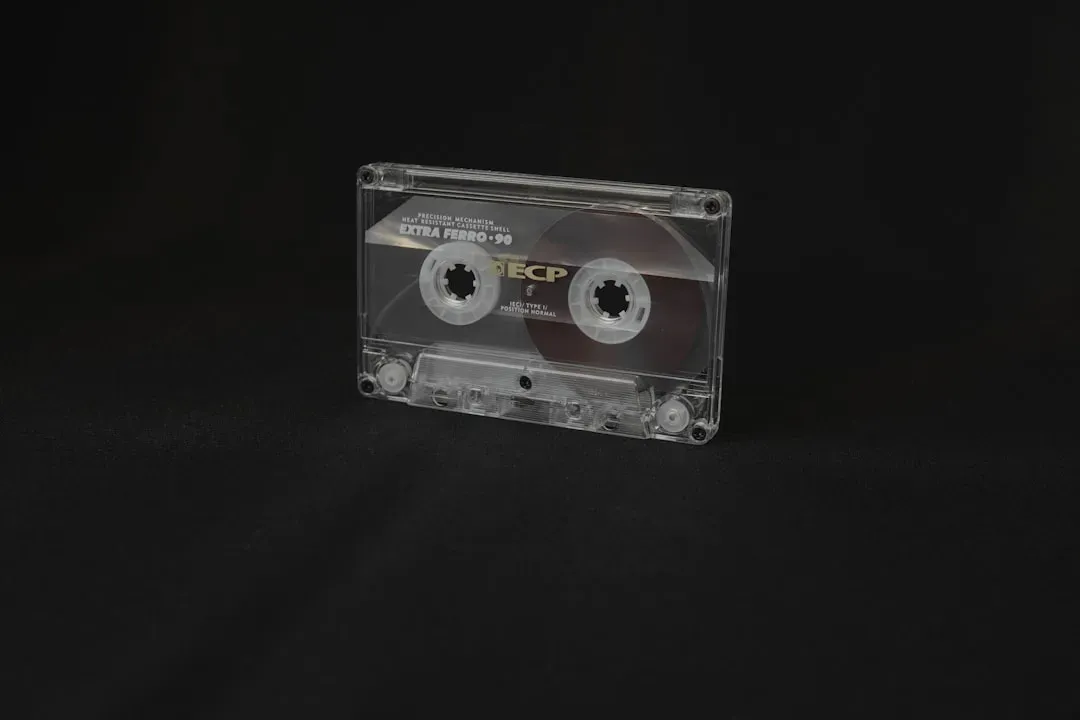
Endless skips forced mixtape mastery, track selection precision. No shuffle bliss – just you curating the flow. That effort deepened every listen.
Streaming skips none, but misses soul. The fight made victories sweeter, like nailing a jog without stutter.
Plugging It In Today
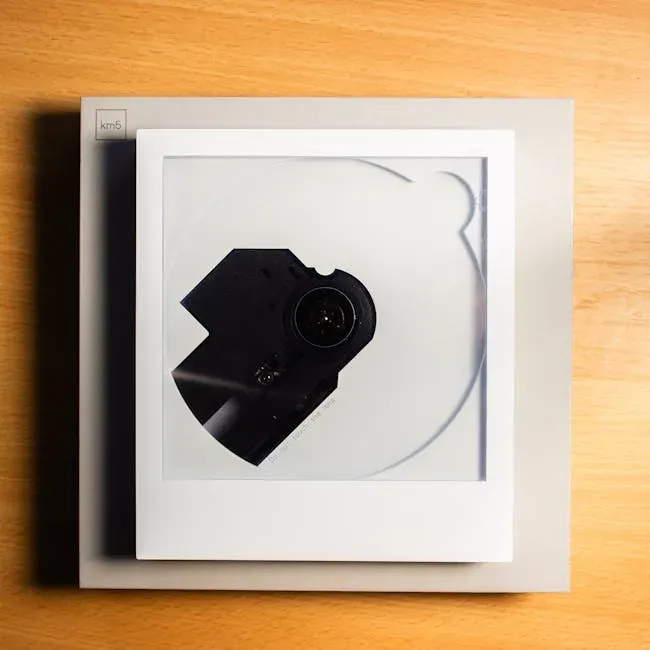
Batteries charged, CD spun – first track crackled alive. A minor skip hit, and I grinned; it’s still got that magic. In 2026, it beats flawless apps for pure joy.
Let’s be real: perfection’s overrated. Those protection woes? They were the spark.[17]