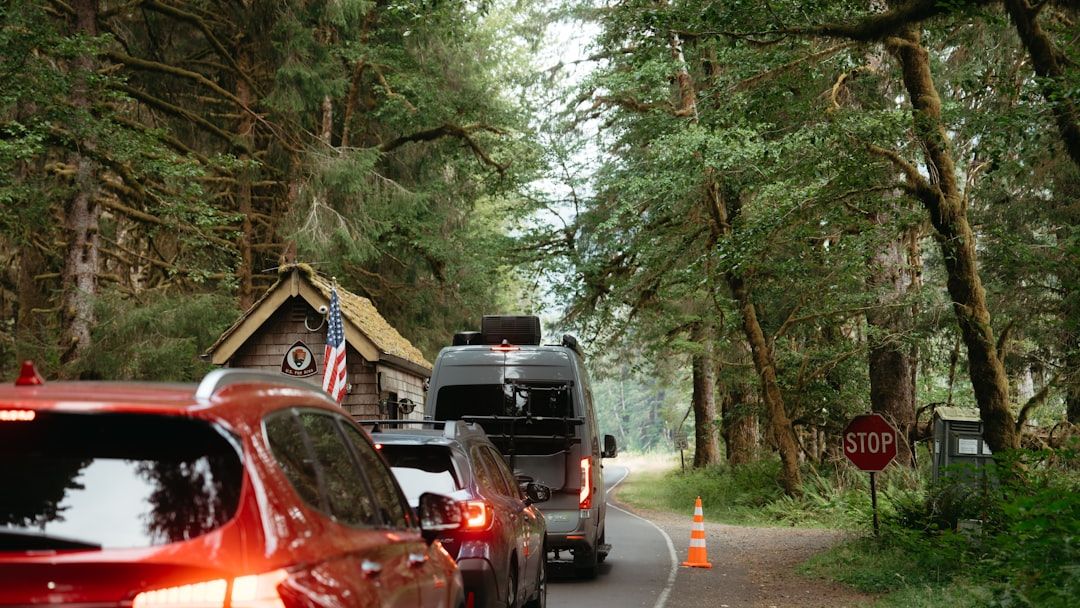

Picture this. You’ve planned a national park trip for months. You wake up at 5 AM, pack the car, drive two hours, and then sit in a bumper-to-bumper line for four more hours before you even smell a single pine tree. Sounds brutal, right? Honestly, it’s more common than you’d think, and it happens to hundreds of thousands of visitors every single year. What most people don’t realize is that there’s a smarter way in – and no, it doesn’t require a secret handshake.
The national parks are more crowded than ever, and the numbers are staggering. Most visitors pile in through the same main gate like traffic merging onto a single-lane highway. Learning to navigate alternate entrances, timing strategies, and reservation systems can completely transform your trip. Let’s dive in.
The Crowd Problem Is Bigger Than You Think

Since the pandemic, America’s great outdoors received an unprecedented amount of attention from domestic and foreign travelers alike, with a record 331.9 million recorded visits to national parks in 2024. That is a jaw-dropping number. To put it in perspective, that’s roughly the entire population of the United States visiting a park at least once over the course of a year.
Some of the most visited U.S. National Parks have received an even bigger increase in visitation after COVID, leading to overcrowding and creating long waits to enter the park, congestion on the hiking trails, and parking lots overflowing with cars and RVs. The system was simply not built for this kind of pressure. And the situation is getting harder, not easier, to manage.
The National Park Service recently released their annual visitation data, reporting the most guests in the system’s history, with almost 332 million people exploring parks, preserves, recreation areas, and historic sites in 2024. Unfortunately, this surge in popularity is coinciding with a staffing crisis within the park service, as the Trump Administration has dictated the organization cut 1,000 employees. Fewer rangers, more visitors. That math is not going to end well at the main gate.
Why the Main Gate Is Your Worst Enemy
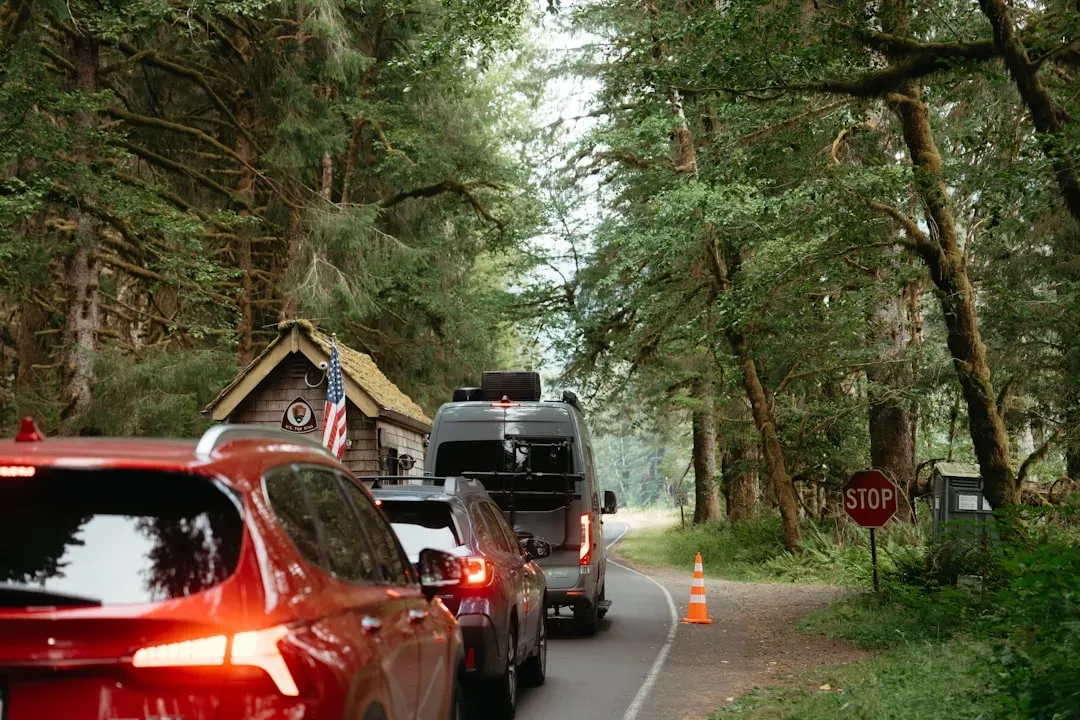
Here’s the thing most travelers never stop to consider: nearly every major national park has more than one way in. The main gate gets all the traffic because it’s the one listed on every tour guide, travel blog, and GPS app. It’s the default. Like always going to the same coffee shop even though there’s a better one two streets over.
The majority of visitors to parks like Yosemite are funneled into Yosemite Valley via a few two-lane roads. The South Entrance to the park on Highway 41 is particularly slow, and park management tells visitors to expect up to a two-hour delay on weekends during the summer. Two hours just to get through the gate. That’s an entire movie you’re watching from your car, without the popcorn.
At many parks, the visitation level is very seasonal, with peaking at predictable times of year. High levels of visitation often lead to lengthy queues of vehicles awaiting entry and long waiting times. The main entrance problem isn’t random. It’s completely predictable, which means it’s also completely avoidable if you know what you’re doing.
The Alternate Entrance That Changed Everything for Me
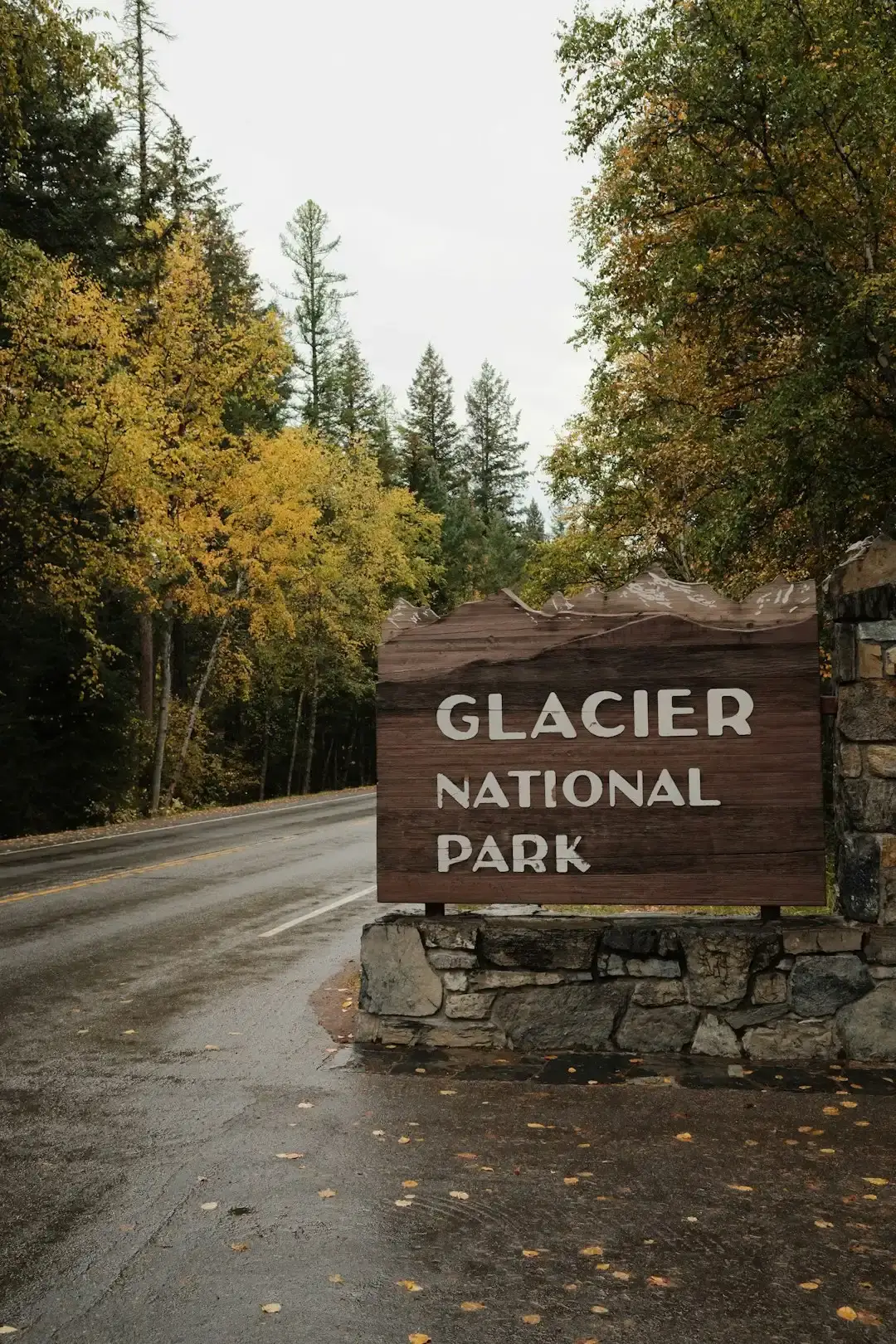
The discovery felt almost accidental. I had been staring at Google Maps before a trip to Yosemite, and I spotted a road snaking in from the north that didn’t look like the typical route. Turns out, it led straight to the Hetch Hetchy Entrance, and it was virtually empty on a Saturday morning when the main gate was backed up for miles.
Using alternate entrances, like the Hetch Hetchy Entrance, can provide access to equally beautiful vistas while avoiding the main crowds at the Arch Rock or Big Oak Flat Entrances. This entrance is less frequented, providing an opportunity for a more tranquil experience. I remember stepping out of my car and hearing actual birds instead of idling engines. The difference was surreal.
Many parks have entrances that are less busy than others. In Yosemite, for instance, far fewer people approach from the east than from the west. It sounds almost too simple, but this single insight is worth more than any fancy travel hack you’ll find on social media. The eastern approach is open only in summer, but during that window, it’s a completely different experience.
Rocky Mountain National Park: The West Side Secret
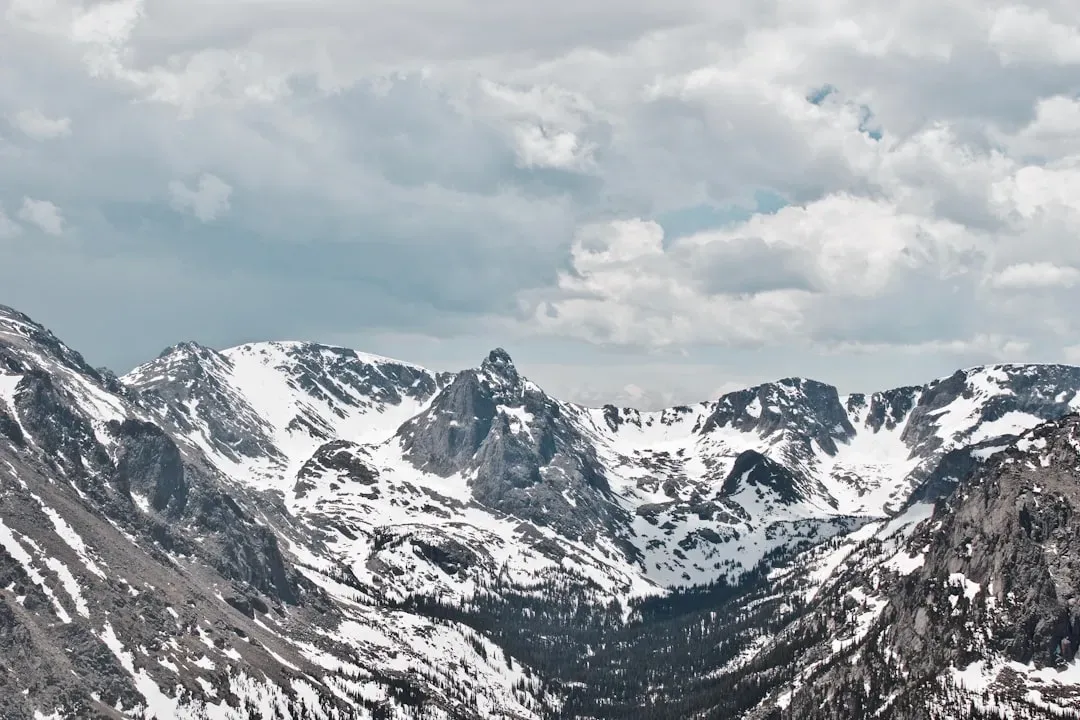
Rocky Mountain National Park is another textbook example of lopsided crowd distribution. Everyone rushes through the Beaver Meadows Entrance on the east side near Estes Park, treating it like the only door into the park. Very few people know about the quieter alternatives sitting right there on the map.
For those visiting Rocky Mountain National Park, consider the Grand Lake entrance. It leads directly to Harbison Meadows and Kawuneeche Valley, helping you avoid the usual congestion at Estes Park. Kawuneeche Valley is genuinely stunning, and you’re often sharing it with a handful of visitors rather than thousands. It’s wild how much difference a different road can make.
The Fall River Entrance is the one many locals tend to use in the summer as it is much less crowded than the Beaver Meadows entrance. Local knowledge is always the best kind of intelligence when it comes to parks. If the people who live five miles from the gate are avoiding the main entrance, that tells you everything you need to know.
The Grand Canyon’s North Rim: A Whole Different World
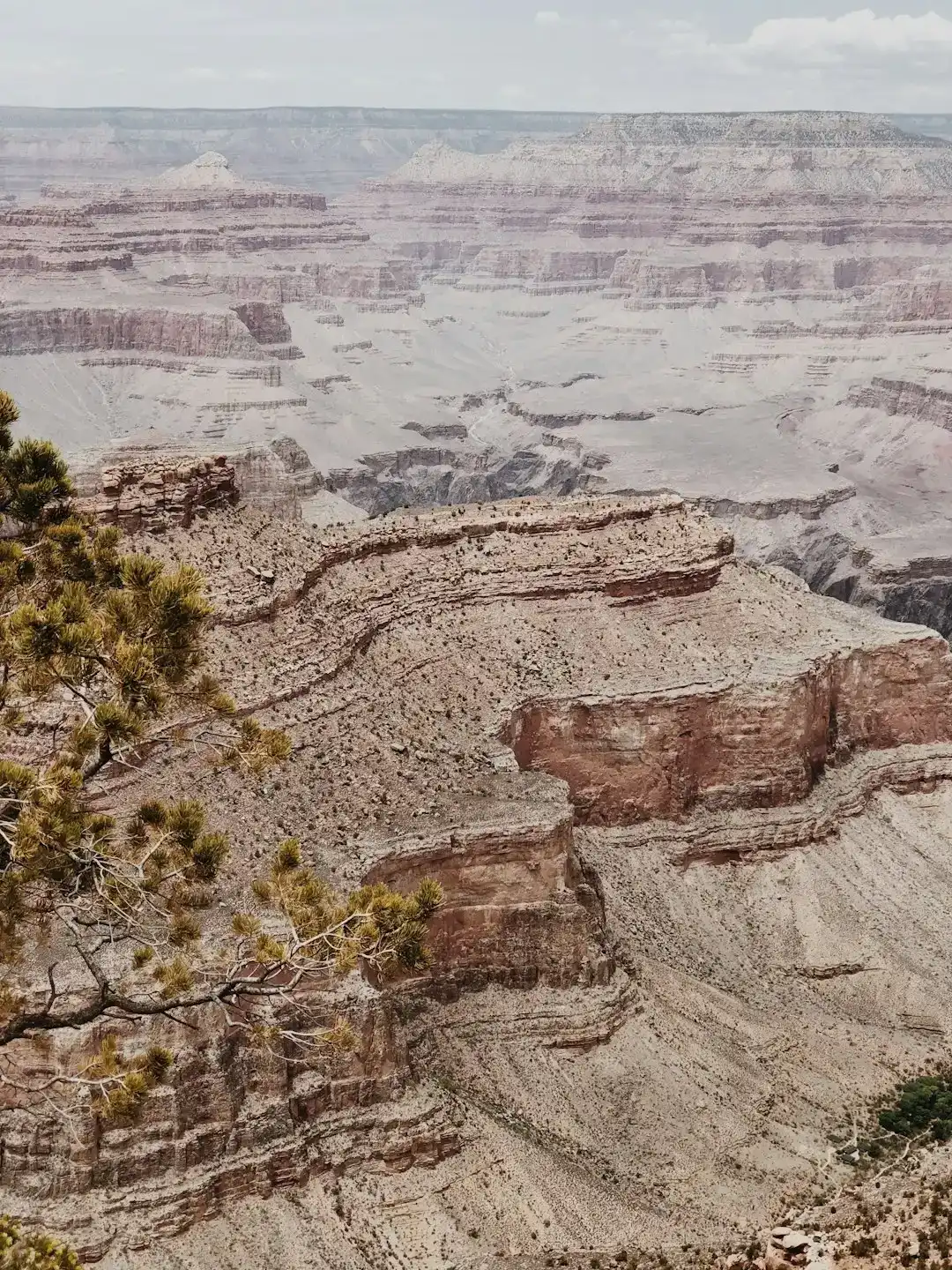
Let’s be real. When most people think about the Grand Canyon, they picture the South Rim. The viewpoints, the tour buses, the gift shops. It’s the default experience, and it’s genuinely impressive. Still, the crowds can make it feel less like communion with nature and more like a stadium event.
The North Rim of the Grand Canyon offers a less crowded travel experience. A huge tourism draw in Arizona, Grand Canyon National Park certainly isn’t off the beaten path. But a less touristy experience is available on the North Rim. The views from up there are actually different, not just less crowded. You’re seeing the canyon from a higher elevation with a completely different perspective.
Grand Canyon National Park had nearly 5 million visitors in 2024. The overwhelming majority of them went to the South Rim. The North Rim, by contrast, receives a small fraction of that traffic. Plan your visit between May and late September because the North Rim closes when the snow begins. That seasonal window is actually part of what keeps it beautifully uncrowded.
Timing Is Just as Powerful as Location
Picking the right entrance is only half the equation. The other half is timing, and I’d argue this is the secret weapon that most visitors completely ignore. Think of it this way: even the quietest alternate entrance can get congested if you roll up at 11 AM on a Saturday in July.
Park officials have encouraged visitors to beat the crowds by visiting on weekdays, arriving before 7 AM or after 4 PM, or checking the park’s website for updates. The before-7-AM window is honestly magical. The light is incredible, the wildlife is active, and you often feel like you have the whole place to yourself.
Rangers generally aren’t manning the booths that early, so it’s on the honor system, and you can just cruise by without waiting for a long line of people to pay in front of you. Pair an early arrival with a lesser-used entrance and you’ve essentially invented a time machine that transports you to a quieter, calmer version of the park. It’s hard to say for sure how much time you’ll save on any given day, but four hours is not an exaggeration on peak summer weekends.
Reservation Systems: The Double-Edged Sword
Timed-entry reservations were meant to solve the crowd problem, and honestly, they helped. But they also created a new layer of complexity that catches many visitors completely off guard. Visits typically crest in the summer months, which has led the busiest parks to implement a reservation system during peak season. In addition to paying your entrance fee, you’ll need to nab a timed-entry permit just to get into the park.
In 2026, several parks discontinued timed entry reservations, including Arches, Glacier, Mount Rainier, and Yosemite. That means the reservation safety net is gone in some places, and the crowds will flow more freely again. Without timed entry slots, visiting these parks during peak season might be easier and more difficult at the same time. It will require less planning and forethought, but it could mean dealing with larger crowds and greater traffic.
U.S. national parks saw 325.5 million visitors in 2023, with a majority of those traveling in the warmer months. The National Park Service wants everyone to have the best possible visit and recognizes that excessive crowding can negatively affect the experience. With reservations now reduced at many parks, alternate entrances and early timing become even more critical tools for the smart traveler.
The Bigger Picture: What This Means for Every Future Visit
There’s a certain satisfaction in outsmarting the crowd. Not in a smug way, but in a “I did my homework and it paid off” kind of way. In Yosemite National Park, just 10 percent of the trails account for about 80 percent of all trail use. The same principle applies to entrances. The masses concentrate at the obvious point of entry, while entire sections of these parks sit quietly underutilized.
A shortage of National Park staff in 2025 has led to reduced visitor hours and a reduction in trail maintenance, and has even impacted shuttle access. This makes it even more important to have a flexible plan with multiple entrances scouted in advance. Relying on one main gate when staffing is stretched thin is a recipe for frustration.
The parks belong to everyone, and the goal isn’t to hoard secret entrances. It’s to have a real experience rather than a traffic jam experience. Search interest and bookings for stays near national parks jumped sharply in early 2026, with searches for stays near a national park up about 35 percent in the U.S. This rise reflects growing interest in outdoor destinations amid warmer weather and expanded leisure travel opportunities post-pandemic. Demand is not going down. So the alternate entrance strategy isn’t just a clever tip – it’s becoming essential.
The national parks are extraordinary places, and they deserve better than being experienced from a car queue stretching back to the highway. A little research, an earlier alarm, and one different road can be the difference between a frustrating visit and a genuinely transformative one. So before your next trip, open that map and look just a little bit beyond the obvious entrance. You might save yourself four hours and discover something far more beautiful in the process. What’s stopping you from planning that smarter visit right now?