
Picture this: rummaging through a dusty attic box, my fingers brush against a thick, faded tome. It’s my old 1990s Sears Wishbook, cover cracked but pages bursting with color. That rush hits me like a time machine blast, pulling me back to endless holiday dreaming.
Back then, this catalog wasn’t just paper. It sparked pure magic for kids like me. Yet today’s little ones scroll endlessly on screens, missing that irreplaceable tactile thrill. Let’s flip through the memories and see why.
The Rediscovery That Stopped Me Cold

I stumbled on my 1990 Sears Wishbook last week, tucked away since the 90s. Holding it felt like reuniting with a childhood friend, heavy at 728 pages of glossy promise.[1] The cover alone screamed holiday excitement, toys galore waiting inside.
Flipping it open unleashed a flood of scents, that fresh ink mixed with aged paper. Honestly, it hit harder than any app notification ever could. Kids now grab tablets, but this? Pure, unfiltered wonder.
A Giant Among Catalogs Back Then

In 1990, the Wishbook ballooned to 728 pages, dwarfing modern flyers. It packed everything from bikes to electronics, a one-stop dream shop.[1] Sears poured heart into it, knowing families pored over every section.
Compare that to today’s slim emails. This beast demanded space on the coffee table, commanding attention. No wonder it felt epic.
Toys That Lit Up Our Worlds
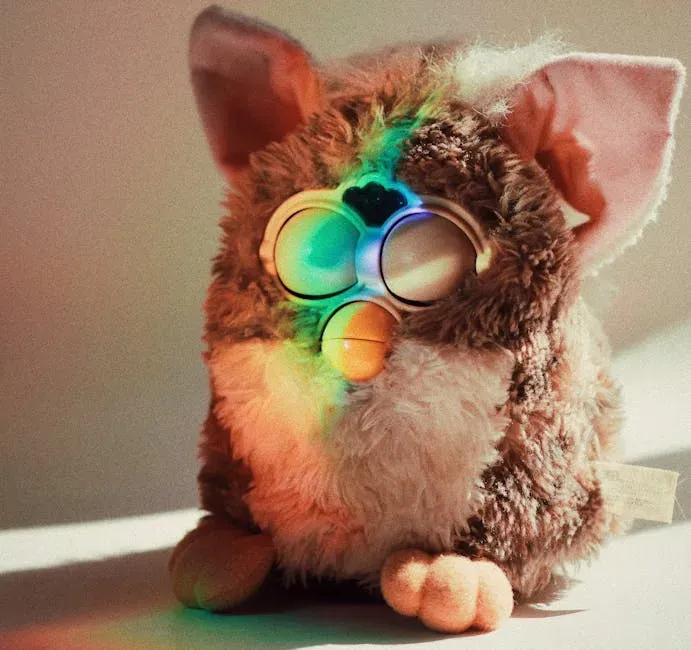
Nintendo games, Cabbage Patch dolls, those pages overflowed with 90s must-haves. Kids raced to the toy section, skipping appliances for the good stuff.[2] It was like a portal to Santa’s workshop.
I remember circling a Turbo Grafx-16, heart pounding. Such specifics made fantasies real. Today’s viral TikToks can’t touch that personal hunt.
The Family Huddle Over Pages

Thanksgiving hit, and out came the Wishbook for family debates. Parents scanned deals while we kids guarded our picks. It bonded us in ways group chats never will.
That shared flipping created stories we’d retell years later. Laughter echoed as siblings fought over the same bike. Simple, yet profound.
Pencil Marks and Dog-Eared Dreams

We’d grab pencils, marking dozens of items with stars and numbers. Pages got folded corners, a roadmap for Mom and Dad. It taught patience, unlike one-click buys.[3]
Sometimes half the book ended up circled. Parents chuckled at the greed. That ritual built anticipation no algorithm matches.
Sears Pulled the Plug in 1993

Sears axed its massive Big Book catalog in 1993, shrinking the Wishbook soon after.[4] Walmart’s rise and shifting habits sealed the deal. Print peaked, then faded fast.
By then, the magic dimmed. Families felt the loss, like a holiday tradition vanishing. Sears never fully recovered that spark.
Online Shopping Swept It Away

Amazon launched in 1994, flipping retail upside down. Sears, with catalog roots, lagged on e-commerce adaptation.[5] Convenience won, print lost ground.
Sales plunged as clicks replaced catalogs. By 2018, even revival attempts flopped.[6] The shift was brutal and total.
Numbers Tell the Print Decline Story

Retail media now claims over 15 percent of global digital ad spend in 2025, eyeing explosive growth.[7] Print catalogs? A shrinking slice amid e-commerce dominance.
Sears stores dwindled, from hundreds to handfuls by 2021.[8] Digital natives barely notice the gap.
Kids Today: Screens Over Pages

Gen Alpha knows Amazon wishlists, not thick books. They swipe for toys, instant gratification rules. Nostalgia posts flood social media, but they scroll past.[9]
That hands-on circling? Forgotten. Yet surveys hint print still boosts engagement for some. Too late for this thrill.
Nostalgia Peaks in 2026

Here in 2026, 90s kids hoard old Wishbooks like treasures. Social shares explode around holidays.[10] It stings knowing new gens miss it.
Print’s tactile pull lingers, even as digital rules. Sears echoes a bygone era. What toy from back then still makes you smile?