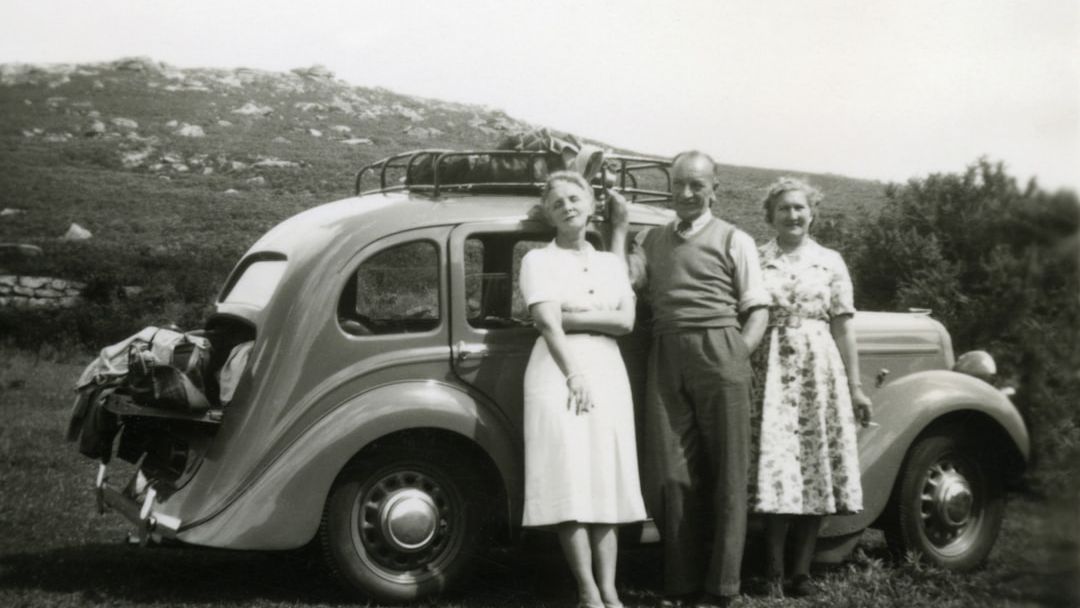

Flipping through the faded pages of my grandmother’s 1950s travel diary felt like stepping into a time machine. Her neat handwriting captured road trips across the country, filled with roadside diners, cheap gas stops, and endless family chatter. What struck me most was how effortless it all seemed – no apps, no bookings, just pack the car and go.
Today’s vacations often mean spreadsheets and stress. Hers? Pure adventure on a whim. Let’s uncover why through her eyes and the era’s real story.[1]
The Post-War Boom That Ignited Wanderlust
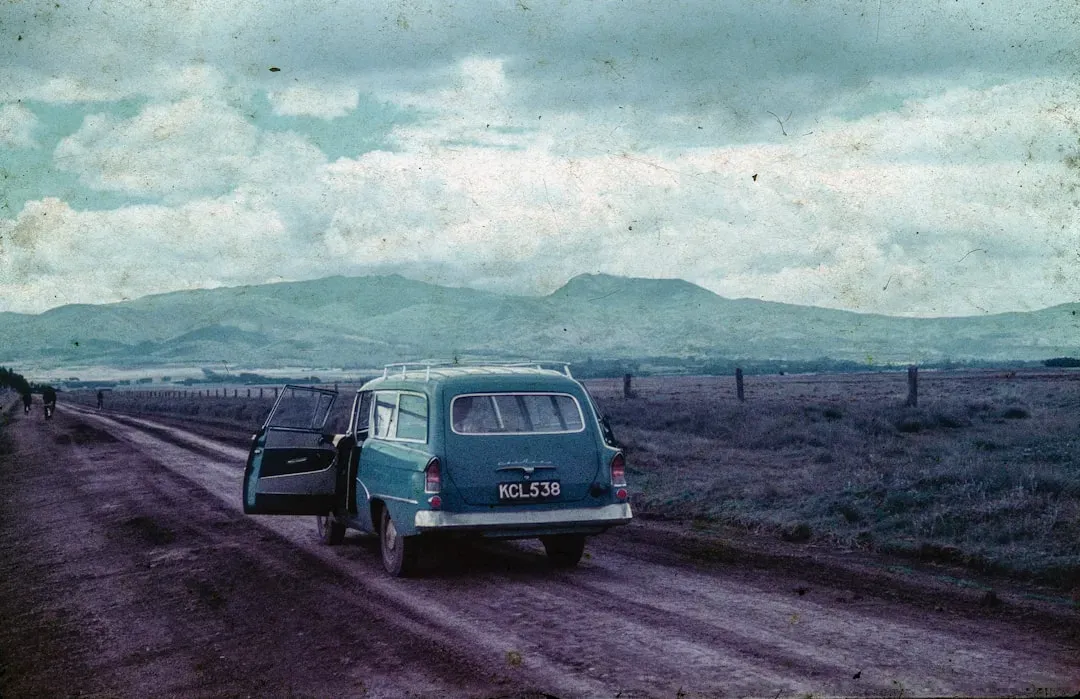
After World War II, America hit a prosperity sweet spot. Families suddenly had paid vacation time, with more than half the population eligible for at least two weeks off by the 1950s.[2] Grandma’s diary starts with that excitement, noting how Dad finally got his two weeks to hit the road.
Road trips became the ultimate family ritual. No frills, just freedom. Here’s the thing: that era’s economic lift made dreaming big feel possible for everyday folks.[1]
Cars Became Family Necessities
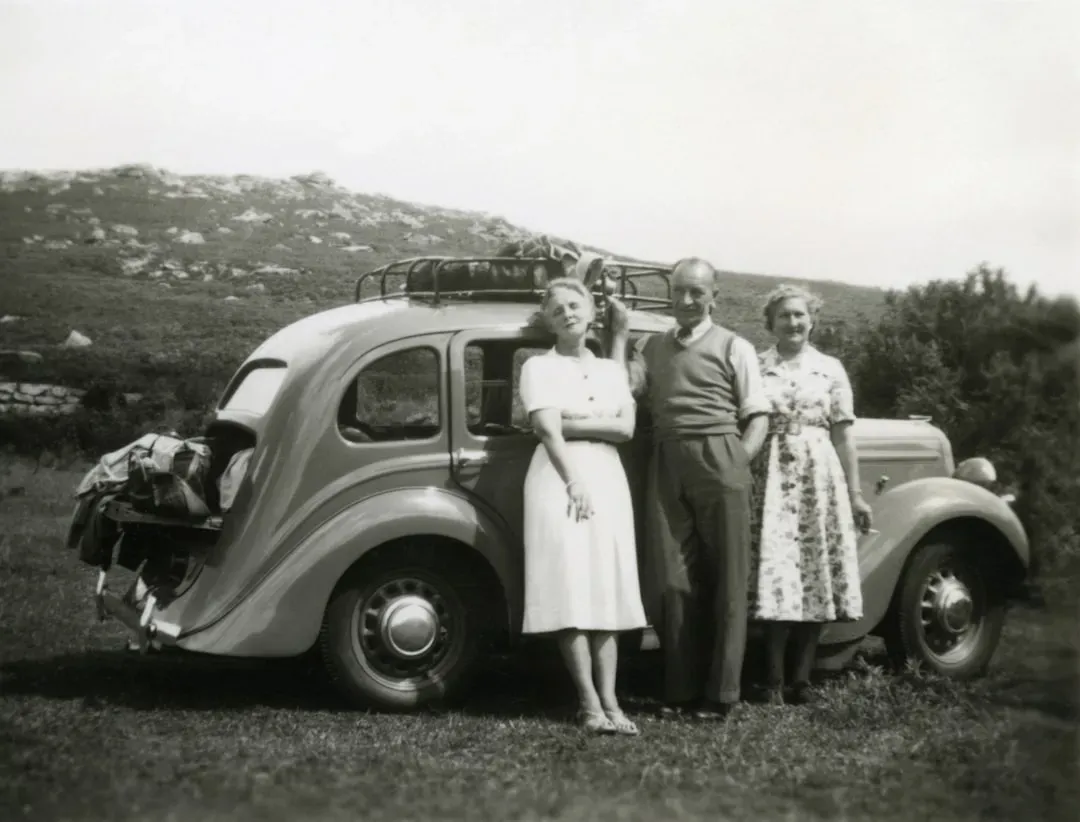
Car ownership exploded in the 1950s. The ratio of vehicles to people jumped 40 percent that decade alone.[3] Grandma scribbled about their shiny new Plymouth, perfect for piling in kids and gear.
By 1960, most households had at least one car, fueling those cross-country jaunts.[4] Suddenly, the world opened up without train schedules or plane tickets. I think that’s when vacations truly democratized.
Gas Prices That Felt Like Pocket Change
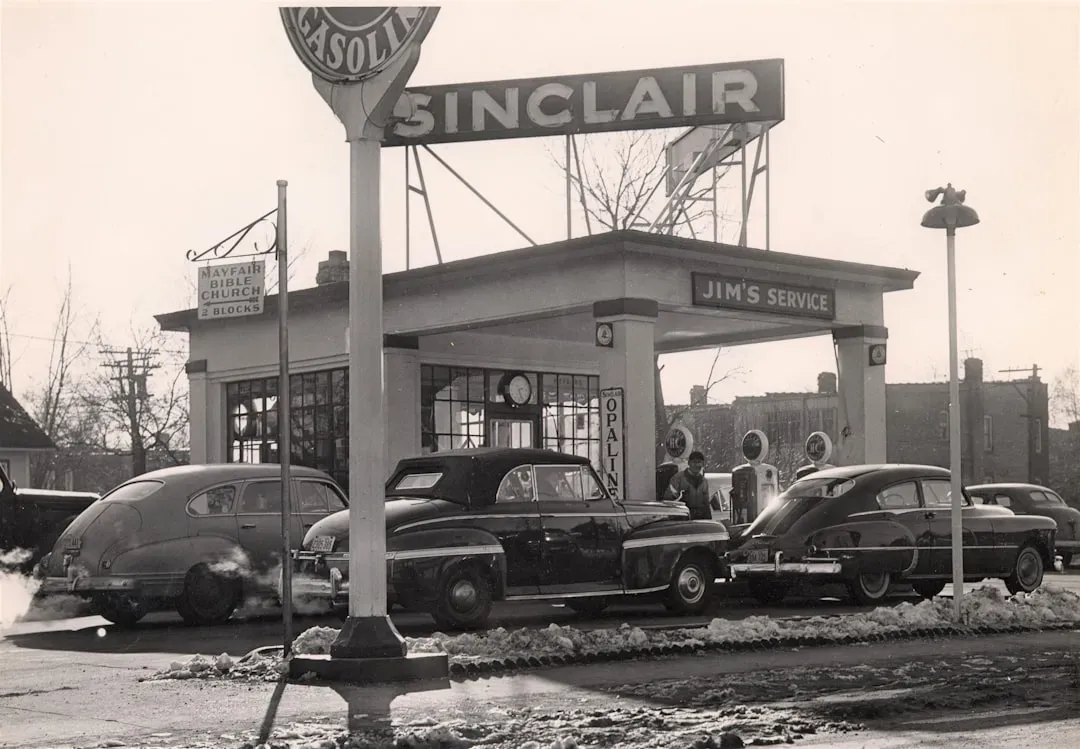
Filling up cost a song back then. In the early 1950s, national average hovered around 27 cents a gallon.[5] Grandma jotted down stops where a few bucks bought enough for hundreds of miles.
Some stations even dipped to 15 cents in the late 1940s into early 50s.[6] Compare that to today, and you see why road trips weren’t a budget buster. Let’s be real, it made spontaneity the norm.
Vehicle miles traveled doubled from 1940 to 1955.[7]
Interstates Promised Endless Horizons
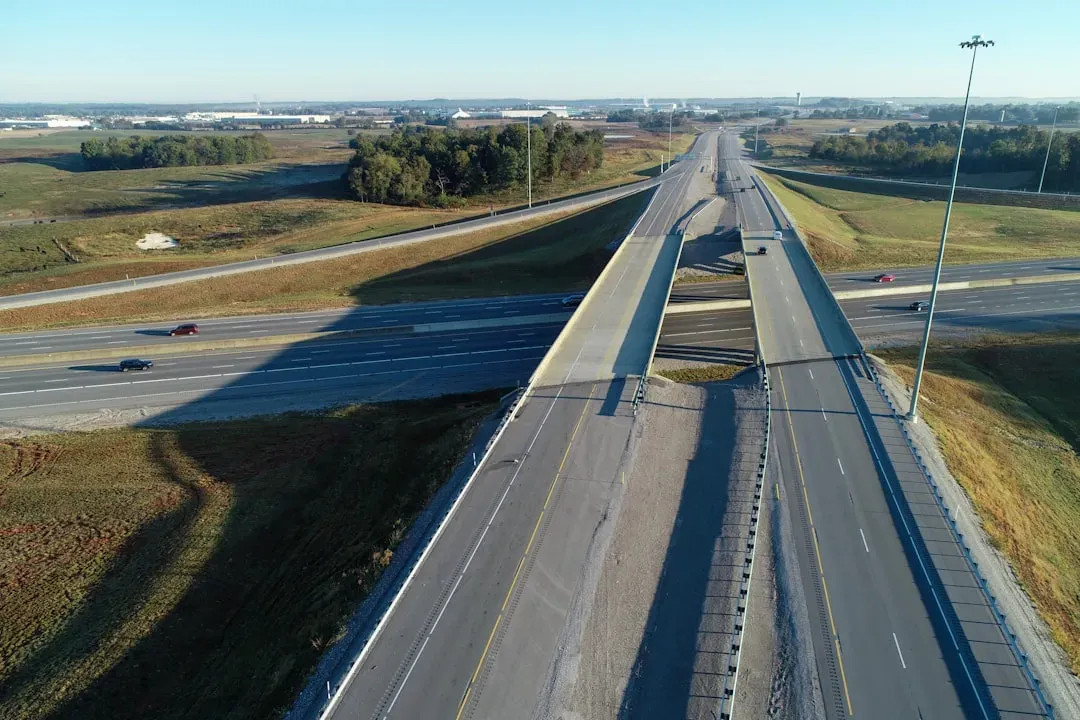
The Interstate Highway System kicked off in 1956. It slashed travel times and sparked even more wanderlust.[8] Grandma’s later entries rave about smoother drives to distant parks.
These roads bypassed towns, speeding families to adventures faster.[9] No more bumpy backroads for hours. Honestly, it turned America into one giant playground.
Diners: The Heartbeat of the Road
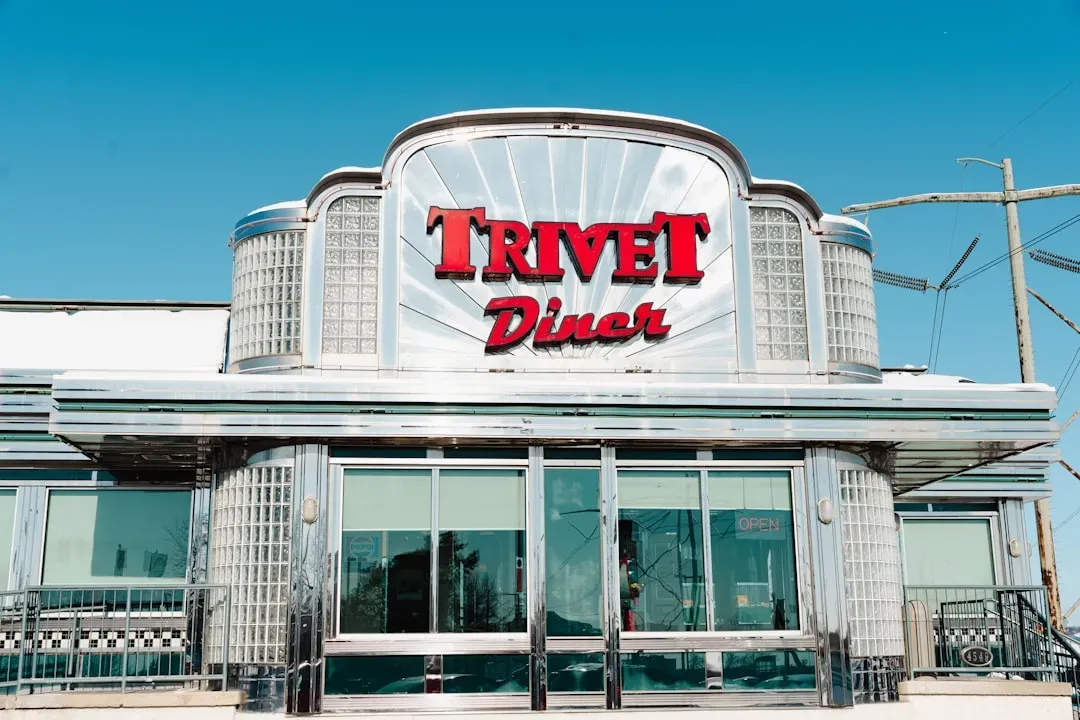
Every few miles, neon signs beckoned to diners. They served up burgers and pie, fueling tired travelers.[10] Grandma described greasy spoons as highlights, where locals swapped stories.
These spots popped up everywhere along routes like Route 66.[11] No reservations needed, just pull in and eat. That casual vibe? Pure magic compared to today’s apps.
Families bonded over milkshakes at the counter. Simple joys.
Motels: Crash Pads for Dreamers
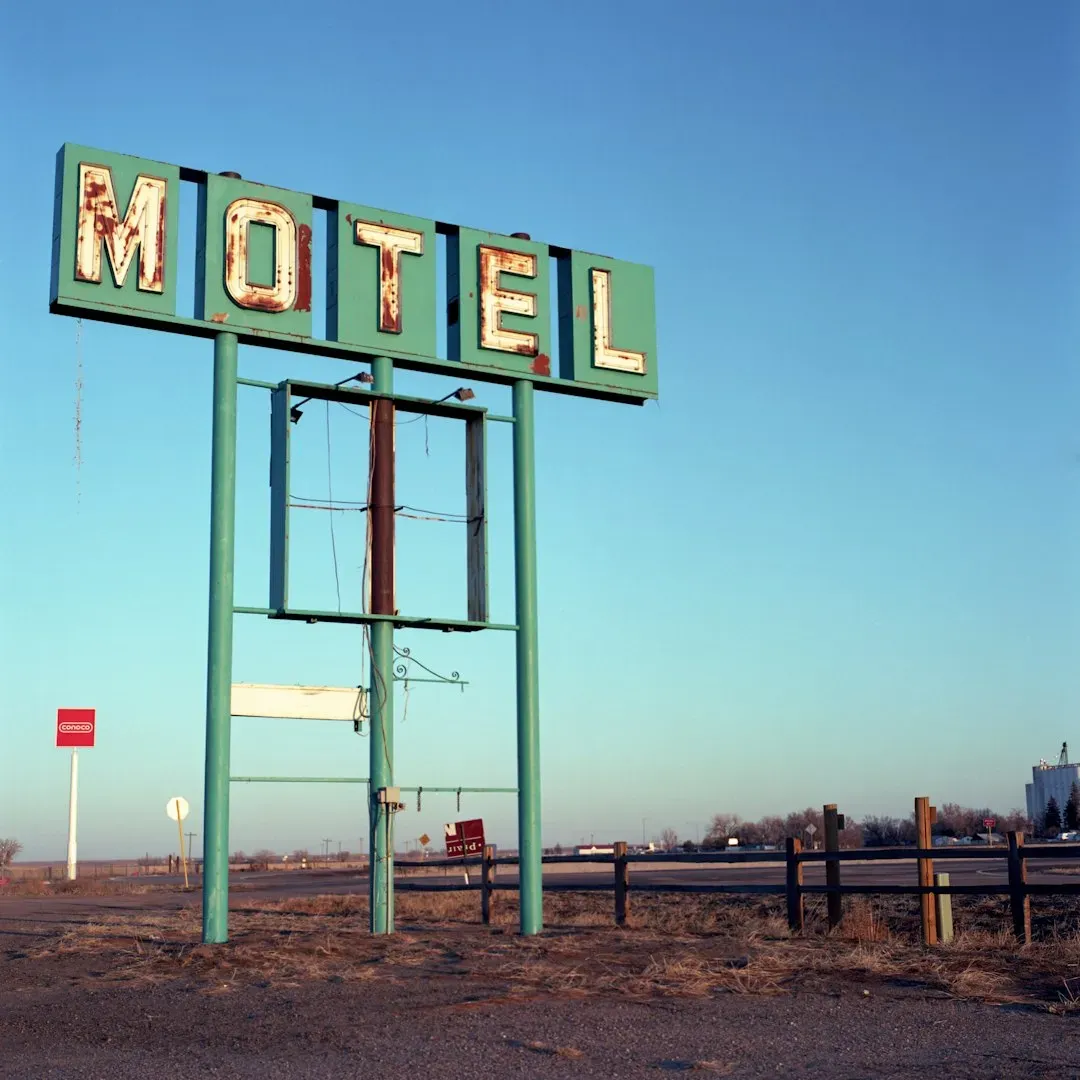
Motels boomed with the road trip craze. By the 1950s, they dotted highways with vacancy signs glowing.[12] Grandma noted cheap rooms, often under $10 a night for the family.
Portmanteaus of “motor” and “hotel,” they catered to drivers on a dime.[13] No online hassles, just park and check in. I know it sounds crazy, but trust built those stays.
National Parks Drew Record Crowds
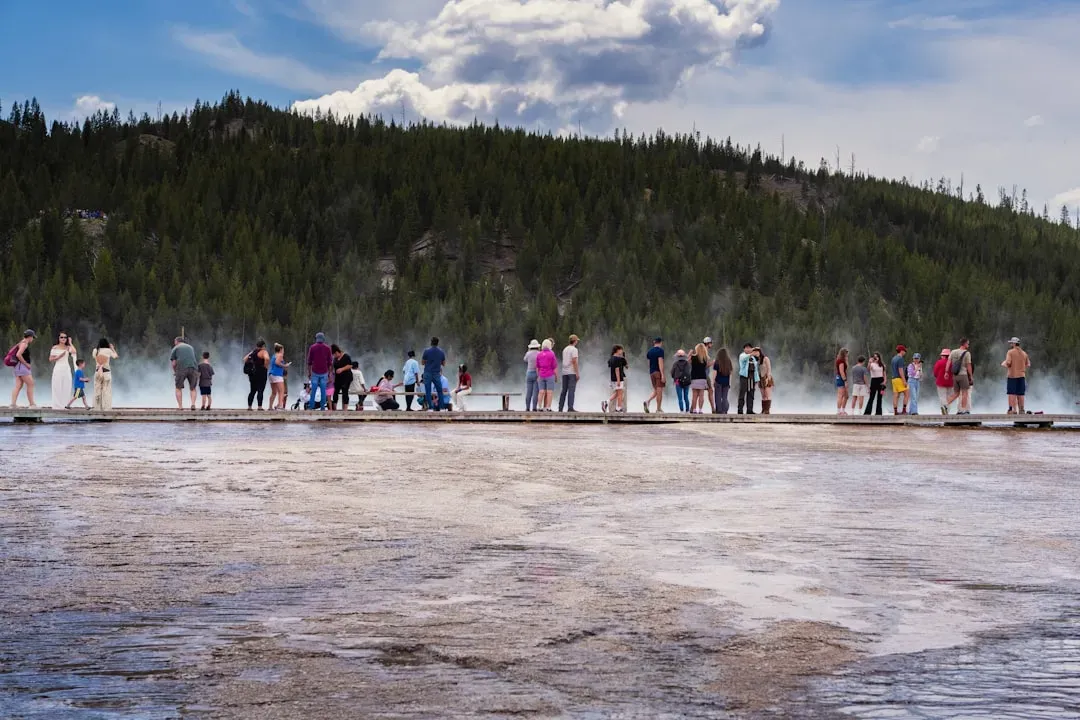
Park visits nearly quadrupled since 1947 by the late 1950s.[14] Grandma’s pages light up with Yosemite hikes and Yellowstone geysers.
Mission 66 expanded facilities to handle the rush.[15] Families pitched tents or stayed in lodges affordably. Nature felt accessible, not elite.
That boom showed how vacations connected people to wild beauty.
Two Weeks That Meant the World
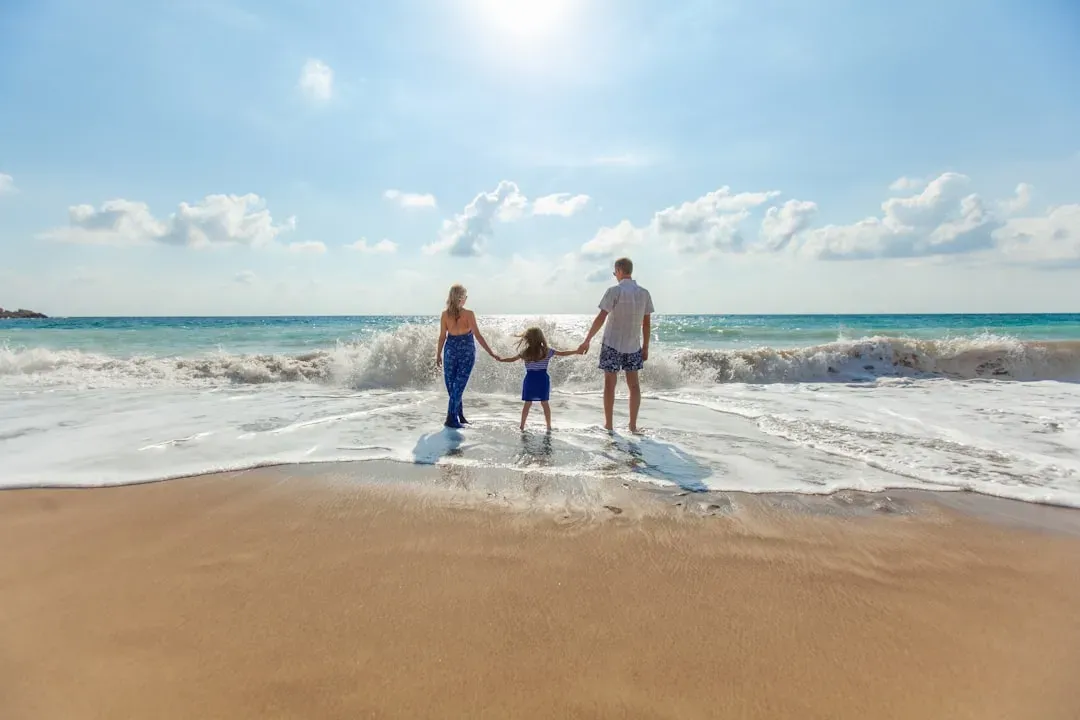
Employers routinely offered two-week paid vacations. It was standard for many by mid-century.[16] Grandma planned their yearly escape around Dad’s time off.
Americans took more days then than the 16 average by 2013.[17] Work-life balance tilted toward living. Yet today, we hoard PTO like misers.
No Gadgets, Just Real Connections
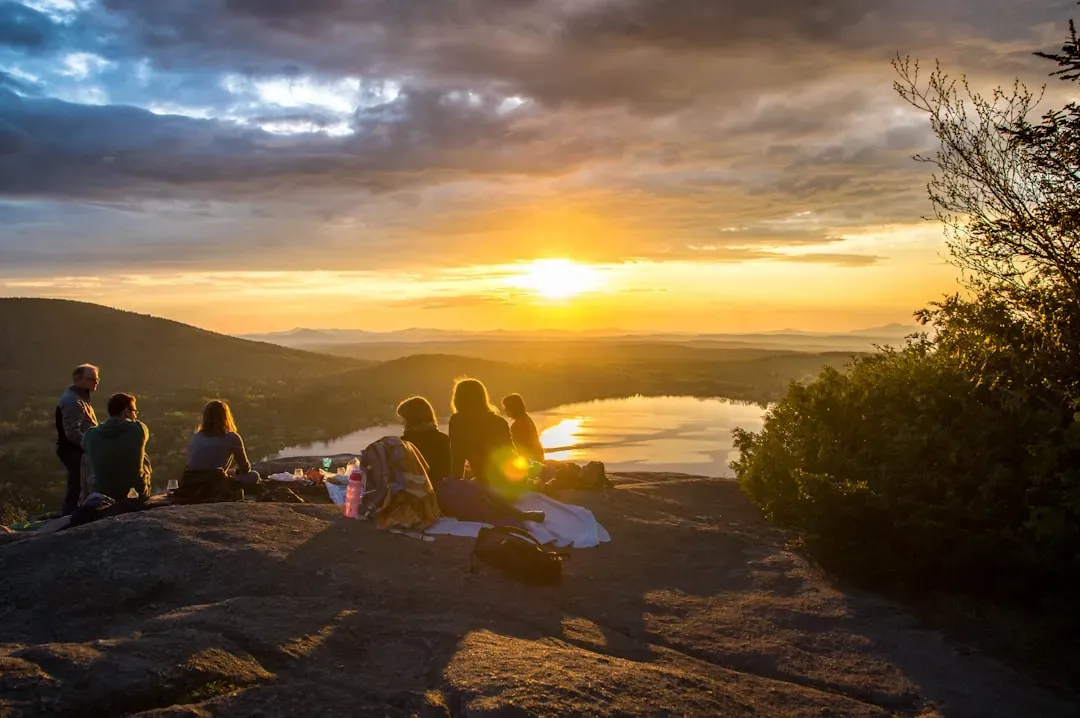
Grandma mapped routes with paper and gas station freebies.[18] Kids played games in the back, no screens dividing them.
Stories flowed freely, building bonds that apps can’t touch. Road trips taught patience and wonder organically. It’s hard to say for sure, but that unplugged simplicity bred deeper memories.
Why Simpler Meant Sweeter
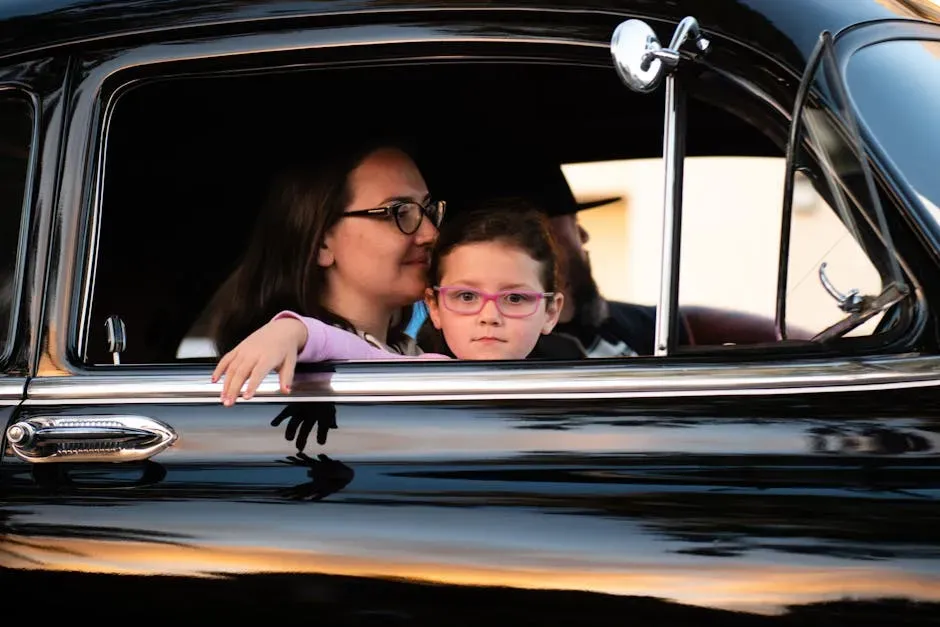
Less choice meant less overwhelm. Vacations focused on family, not Instagram likes.[19] Grandma’s diary overflows with gratitude for basic thrills.
Affordable fuel, ubiquitous stops, and cultural love for the drive made it all click. Though challenges existed, the core was unpretentious joy. What a contrast to our overplanned escapes.
Her words remind us: sometimes less gear means more heart. Ever tried ditching the phone for a drive?