
It was tucked inside an old wallet, buried at the back of a drawer I hadn’t opened in years. A faded blue-and-yellow card, cracked at one corner, with my name printed across it in that unmistakable font. A Blockbuster membership card. Holding it felt a little like finding a photograph of someone you loved and lost – except this was a video rental store, and yet somehow, the grief felt strangely real.
There’s a whole generation of people who understand exactly what I mean. The Friday night pilgrimage. The smell of popcorn. The impossible choice between the new releases wall and the hidden gems in the Action section. The gentle dread of a late fee. If you know, you know. So let’s dive in.
A Giant Like No Other: The Scale of Blockbuster’s Empire
Let’s start with something that genuinely blows my mind every time I think about it. At its peak in 2004, Blockbuster employed 84,300 people worldwide and operated 9,094 stores. That’s not a company. That’s a movement. For context, that’s more locations than most major fast-food chains had at the time, all dedicated to one single beautiful idea: renting movies.
At its peak, Blockbuster had 65 million registered customers and was valued at $3 billion. Think about that number. Sixty-five million people with a card just like the one I found in my drawer. It wasn’t just a business. It was a cultural institution woven into the fabric of American weekends.
The Friday Night Ritual Nobody Talks About Enough
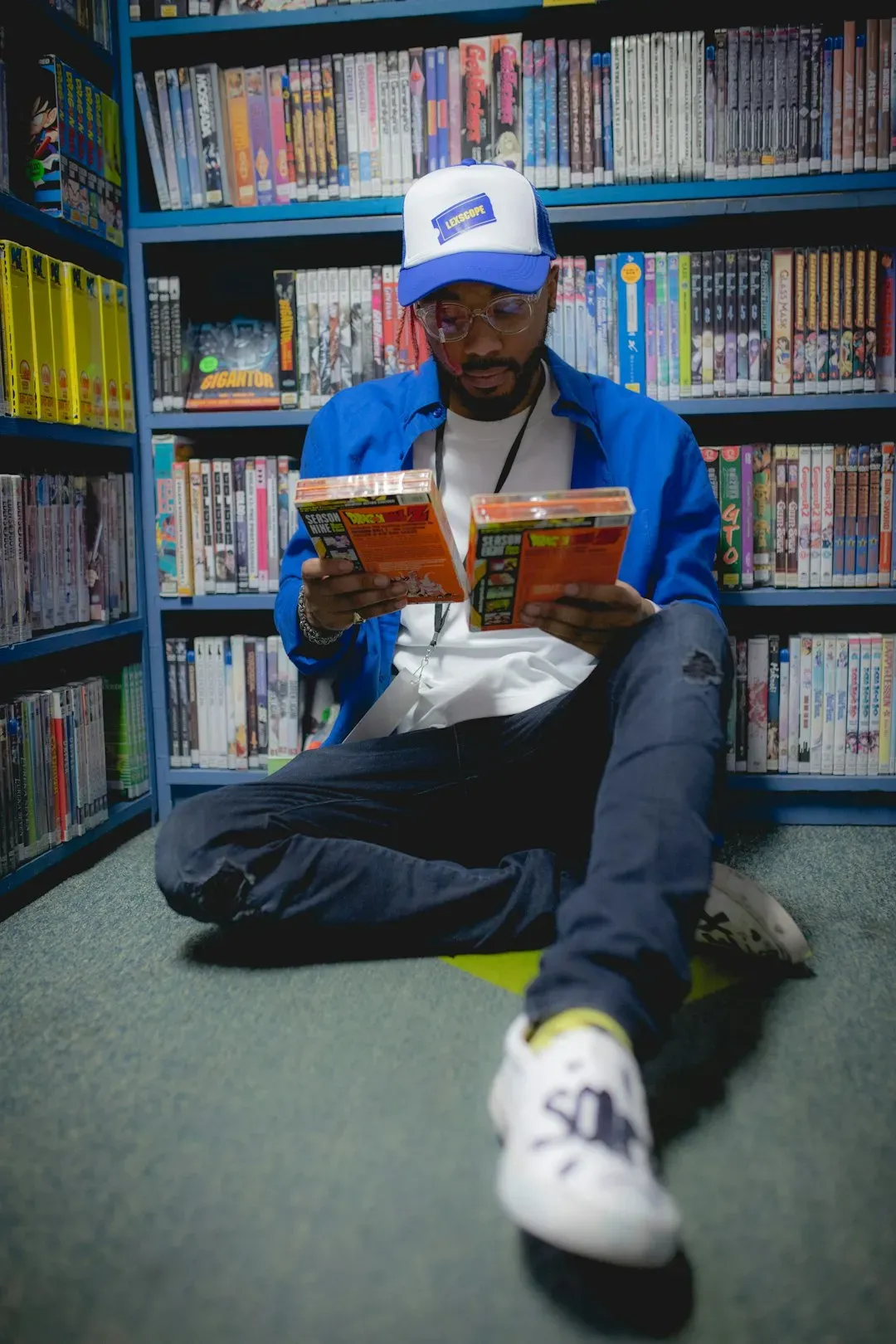
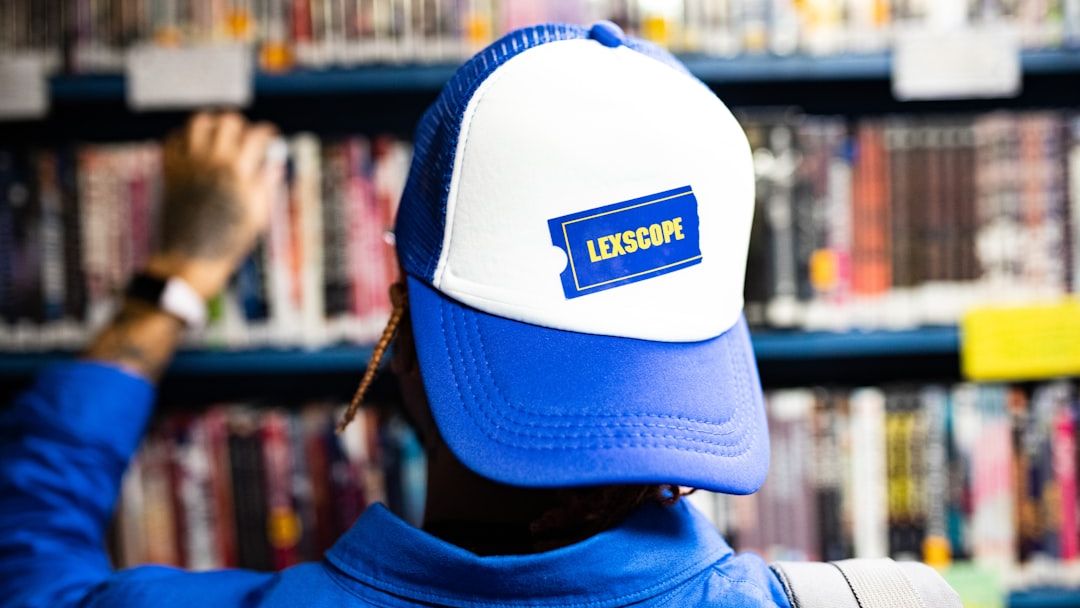
Here’s the thing – going to Blockbuster wasn’t just an errand. It was an event. You’d walk through those doors and instantly feel this low-level excitement, like every movie ever made was somehow within your reach. For those too young to really remember Blockbuster, once upon a time families made a trip to rent a movie. It was a lot like going to the library. You’d browse the store, pick up a new release for a couple bucks, and have a couple of days to watch your movie.
The browsing was the whole point. Nobody scrolled. Nobody had an algorithm telling them what they’d “probably enjoy.” You just wandered the aisles, picked up a box, read the back, and made a decision based purely on instinct and cover art. Honestly, I think we made better choices that way. There’s something to be said for the serendipity of a physical shelf.
Netflix Was Born From a Blockbuster Late Fee
I know it sounds crazy, but the story of Netflix’s origin is one of the best “revenge” stories in business history. In 1997, Reed Hastings and Marc Randolph founded Netflix in Scotts Valley, California, after Hastings – frustrated by a late fee on a Blockbuster rental – wondered why movies couldn’t be rented via mail with no due dates. One annoying charge. One frustrated customer. The seed of a company now worth hundreds of billions of dollars.
Founded in 1997 by Reed Hastings and Marc Randolph, the remarkable story of Netflix began as a DVD rental service by mail. It’s a detail most people forget. Netflix wasn’t born as a streaming service. It started as a direct answer to everything people found infuriating about Blockbuster – the late fees, the inconvenience, the long drive to return a disc you’d already watched twice.
The $50 Million Mistake That Changed Everything

This is the part of the story that still makes me want to put my head in my hands. In September 2000, Hastings and Randolph offered to sell Netflix to Blockbuster for $50 million. John Antioco, CEO of Blockbuster, thought the offer was a joke and declined. A joke. He thought it was a joke. Meanwhile, Netflix was quietly building something nobody at Blockbuster fully understood yet.
Blockbuster was a colossus with over 9,000 stores, 60,000 employees, and $6 billion in annual revenue. Netflix was a niche operation with fewer than 300,000 subscribers, burning cash and struggling to compete. Two decades later, Netflix is worth over $200 billion. It’s the kind of business blunder that gets taught in MBA classrooms as a masterclass in what not to do. The worst part? It was all so avoidable.
The Fall: Bankruptcy and the Beginning of the End
Once the cracks started showing, the collapse was swift and almost surreal to watch. Poor leadership and the growing competition from Netflix’s mail-order service, video on demand, and Redbox automated kiosks all contributed. Significant loss of revenue occurred during the late 2000s, and the company filed for bankruptcy protection in 2010. A company that employed over 84,000 people and served tens of millions of customers had simply run out of time and options.
The next year, its remaining 1,700 stores were bought by satellite television provider Dish Network; by 2014, the last 300 company-owned stores were closed. Store by store, city by city, those blue-and-yellow signs came down. For a lot of people, including me, each closure felt like a small neighbourhood funeral. Something familiar and warm, just… gone.
One Store Left Standing: The Last Blockbuster in Bend, Oregon
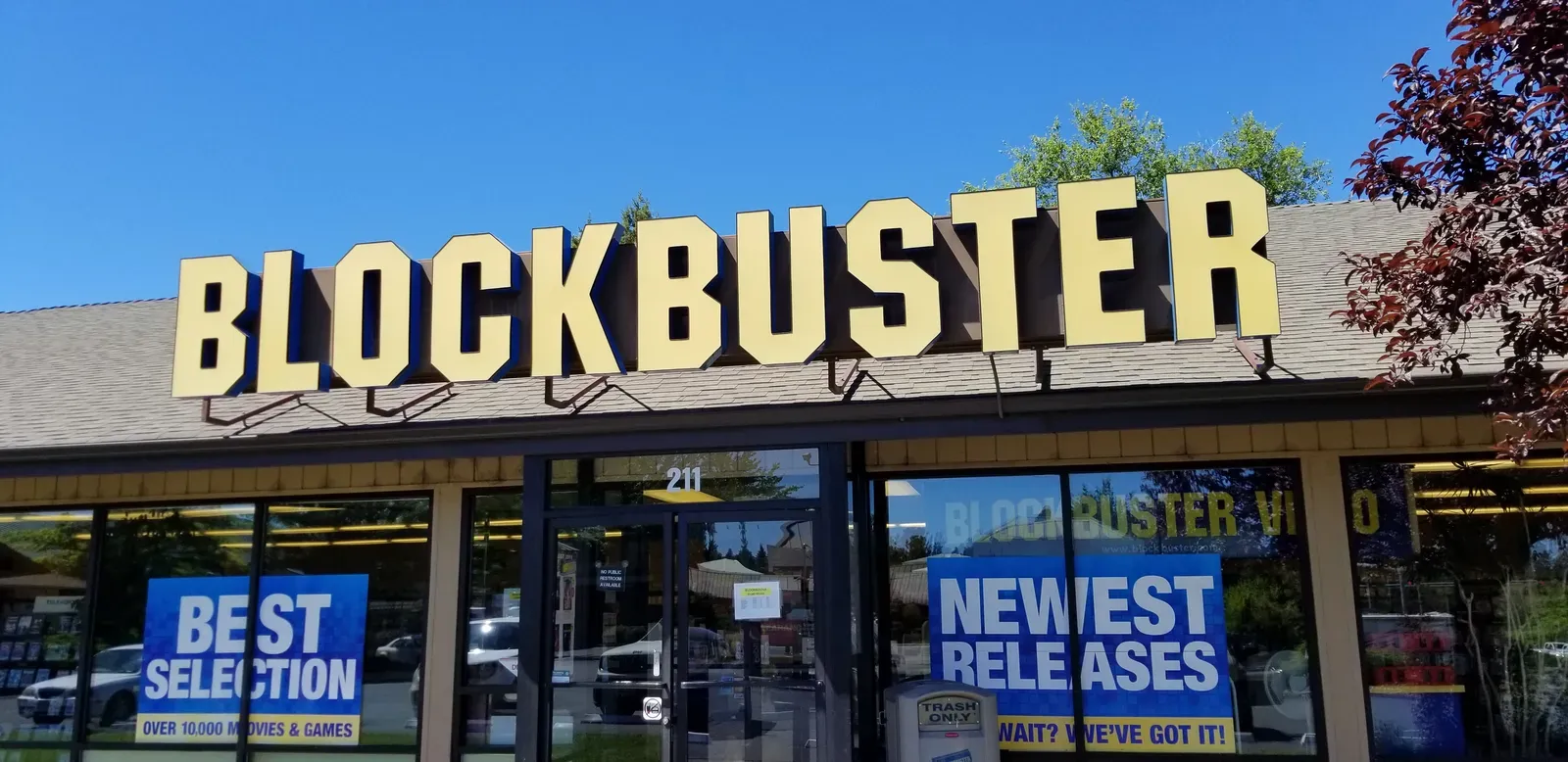
Here’s the part of the story that genuinely gives me chills. The store in Bend, Oregon, is colloquially known as the Last Blockbuster. In 2018, it became the last Blockbuster store in the United States. In 2019, it became the last remaining retail store in the world using the Blockbuster brand. One store. One strip mall in central Oregon. Against all odds, still open.
The store stocks around 1,200 titles and has an estimated 4,000 members who regularly rent movies. What’s fascinating is that in 2024, it was estimated that about 80% of the store’s income comes from selling merchandise. It’s part video rental store, part museum, part pilgrimage site. Every year, thousands of visitors from around the world descend on the store to browse its aisles and pick up a piece of merchandise. Honestly, I kind of want to go.
The Streaming Era We Chose – And Its Surprising Discontents

We all made our choice. We traded the Friday night ritual for on-demand convenience. Streaming saturation is now at an all-time high, with roughly all U.S. households regularly tuning in to at least one subscription-based or ad-supported streaming service. We won, in theory. Yet something peculiar is happening across the culture. People are scrolling endlessly and finding less joy, not more.
A survey found that the average person spends 110 hours per year scrolling through streaming services, struggling to find something worth watching. Think about that. We spend roughly the equivalent of nearly three full workweeks per year just trying to decide what to watch. I’d bet that on our most nostalgic Friday nights, we made a better choice in ten minutes of wandering a Blockbuster aisle than we do in an hour of doomscrolling through menus. The irony is almost funny.
Physical Media Isn’t Quite Dead Yet
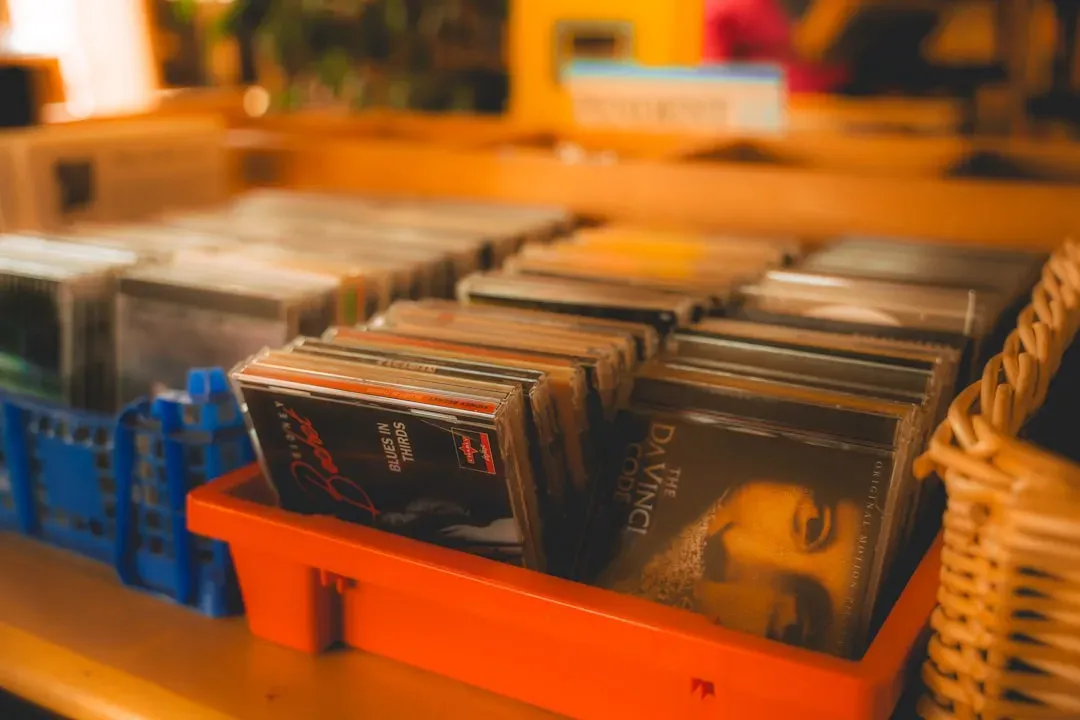
Here’s a fact that surprises most people when they hear it. Despite the dominance of streaming, physical media hasn’t completely disappeared. DVD and Blu-ray sales still generate over a billion dollars in U.S. revenue annually, according to the Digital Entertainment Group’s industry reports. It’s a fraction of what it once was, sure, but it’s a reminder that not everyone has let go entirely of the idea of owning something they can hold.
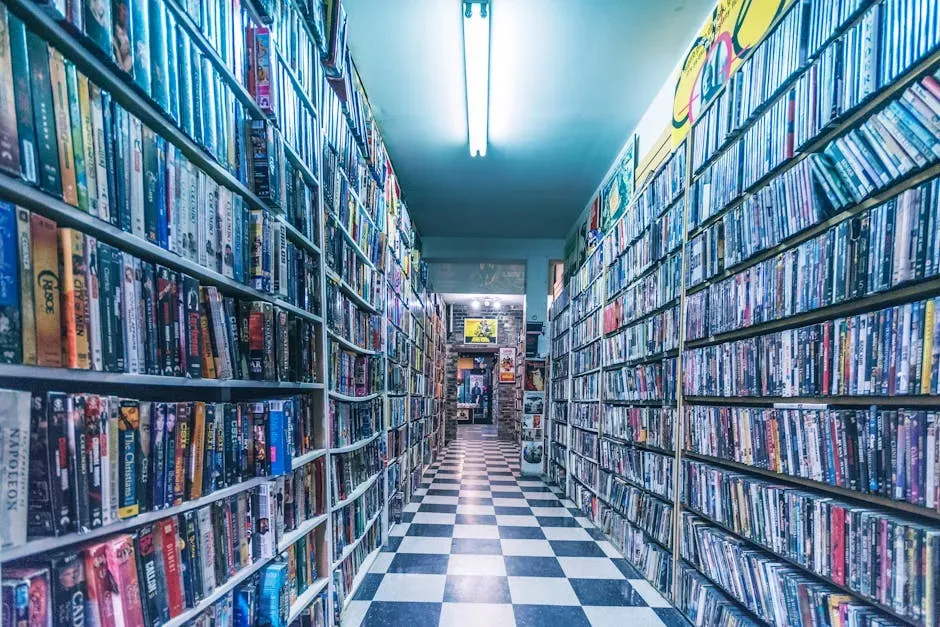
There’s a small but passionate resurgence happening around physical media, vinyl records, and tactile entertainment experiences that speaks to something real in human nature. We want to possess things. We want to browse shelves. We want the feeling of choosing something deliberately, not having it recommended to us by a machine trained on our viewing history. Walking through aisles of a video store feels like a trip back in time – when dozens of copies of the latest hit movie filled entire walls and classics covered metal aisles across the expansive stores. Some experiences, it turns out, can’t be digitised.
Conclusion: What That Little Card Actually Means

So there I was, holding that cracked membership card, feeling something I couldn’t quite name. It wasn’t just nostalgia for Blockbuster specifically. It was nostalgia for a slower pace, for tangible choices, for the kind of anticipation that only builds when you have to physically go somewhere to get something you want. Today, the last remaining Blockbuster store in Bend, Oregon, operates as a nostalgic tribute to the bygone era of video rentals, attracting visitors from around the world who remember the thrill of browsing shelves of movies and games.
The rise and fall of Blockbuster isn’t just a business story. It’s a cultural one. It tells us something about how quickly the things we love can vanish, and how we often don’t appreciate them until they’re gone. Blockbuster did not lose because Netflix existed. Blockbuster lost because it made itself hard to love and refused to evolve. That’s a lesson worth carrying far beyond the video rental industry.
That old membership card is back in my drawer now. I can’t bring myself to throw it away. Maybe you still have yours somewhere too. If you do, go find it. Hold it for a moment. And ask yourself: when was the last time choosing a movie felt like an adventure? What would you give for one more Friday night rental?