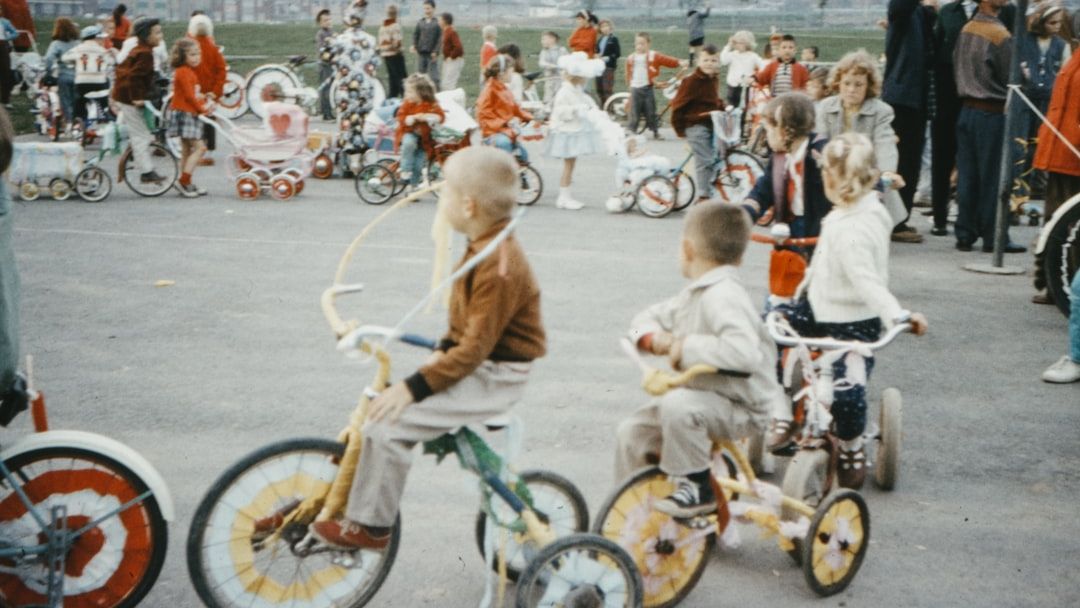

Picture this: a kid like me, eight years old, grabbing my Schwinn banana seat bike and vanishing into the neighborhood for hours. No tracking apps, no frantic texts from Mom wondering where I was. We lived on the edge of real adventure back then, and somehow, we all made it through just fine.
These days, with everyone glued to screens and parents hovering like drones, it’s wild to think about. Let’s dive into those wild, free days of the 1970s and see what we can learn.[1][2]
1. The Magic of “Come Home When the Streetlights Flick On”
Every afternoon, we’d scatter like wildfire after school, no questions asked. Parents trusted we’d figure it out, and the only check-in was Mom yelling from the porch as dusk hit. That simple rule kept us exploring creeks and empty lots without a worry.[3]
Research shows kids’ unsupervised range shrank by nearly 90 percent since the 1970s, yet we built real grit from those solo quests. Honestly, it beats today’s scheduled playdates any day. We learned time management the hard way, racing the fading light home.[4]
2. Biking Everywhere, No Helmets in Sight
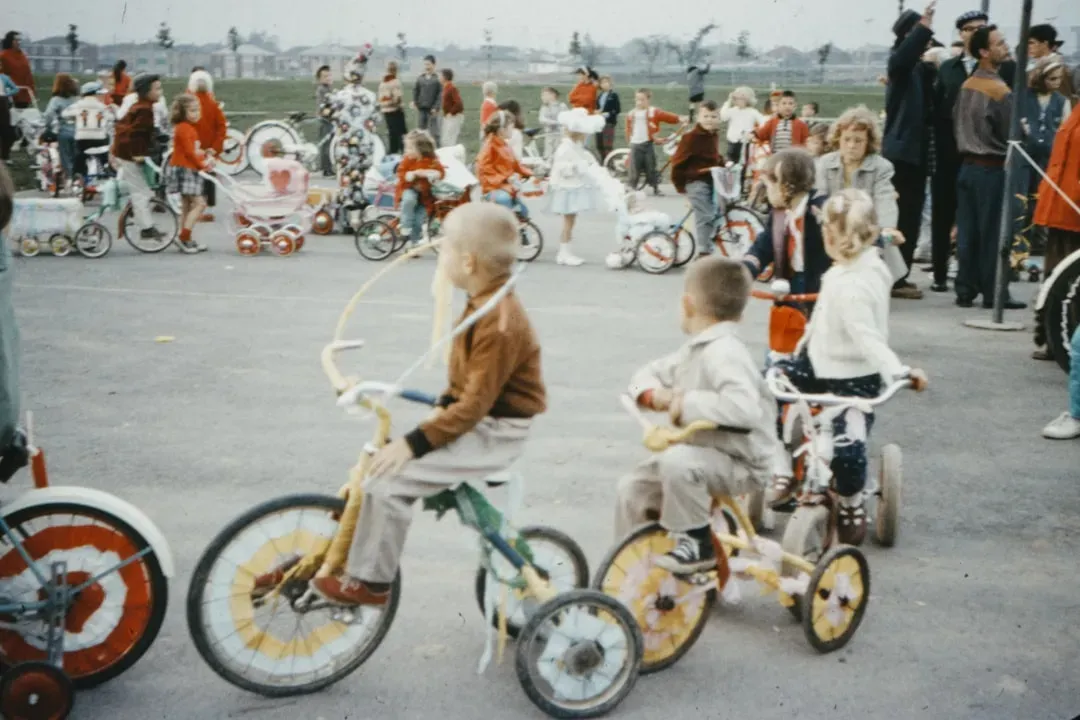
Bikes were our cars, our planes, our everything – no helmets, just wind in our hair as we bombed down hills. We’d ride miles to the arcade or a friend’s house, dodging traffic on our own. Stats from back then show kid bike deaths have since dropped over 90 percent, thanks to safer roads now, but we rarely crashed bad enough to quit.[5][6]
That freedom taught balance and bravery you can’t get from training wheels. I wiped out plenty, bandaged up, and hopped back on. Looking back, it’s shocking how resilient we got from those scrapes.
3. Forts and Hideouts in the Woods
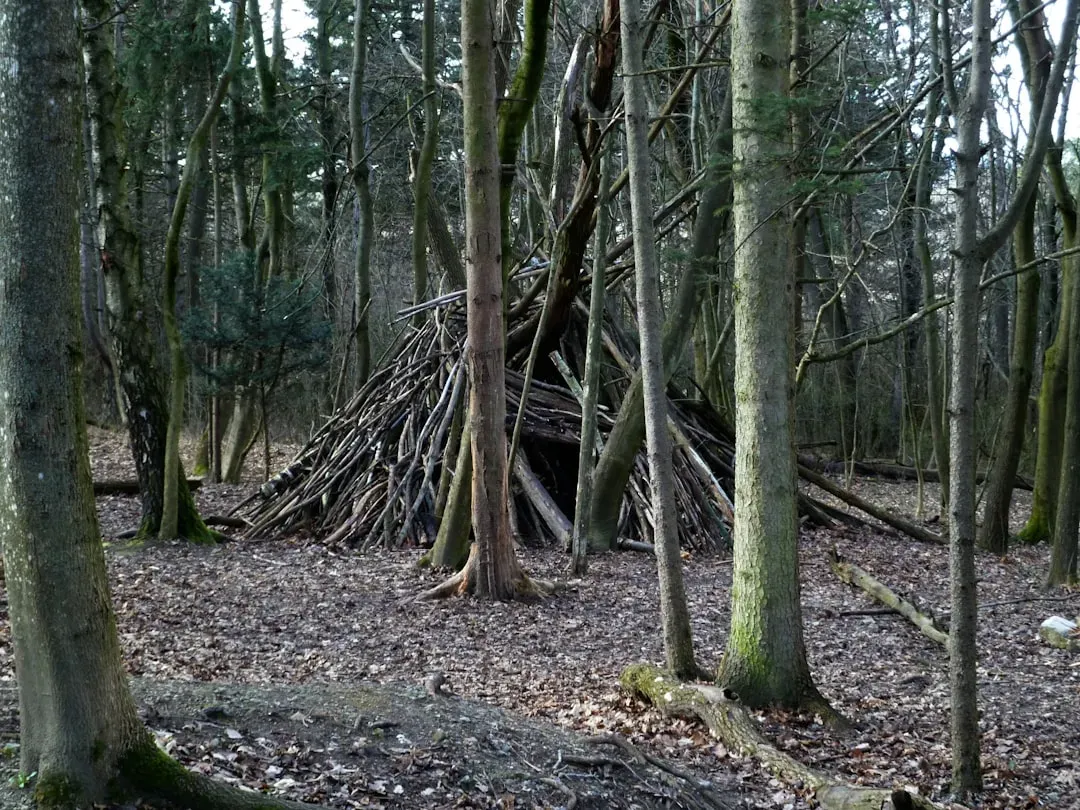
Our backyard woods became kingdoms where we’d hammer scrap wood into epic forts, no adult supervision. Rain or shine, we’d vanish for hours, inventing games with sticks and imagination. No one tracked us; we just survived on peanut butter sandwiches smuggled from home.
Studies now highlight how that unsupervised play sparked problem-solving skills we carry today. Free-range styles like ours build confidence that helicoptering often smothers. It was messy, sure, but man, the stories we tell still crack us up.[7]
4. Pick-Up Sports That Lasted Till Dark
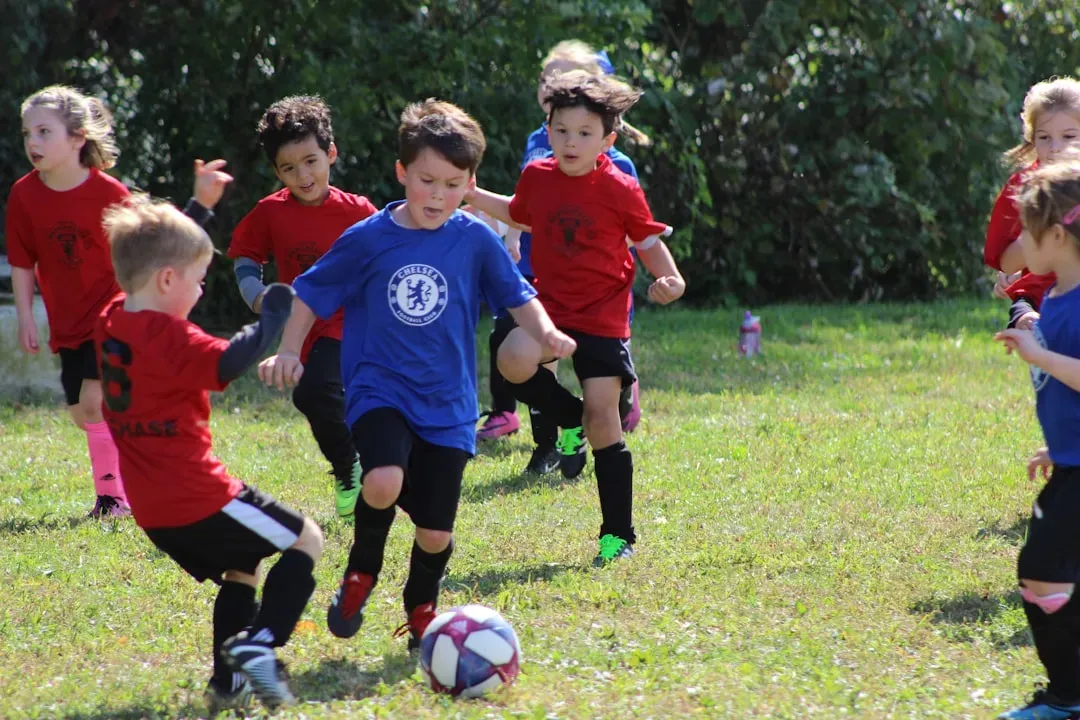
Baseball, football, tag – whatever, we’d round up a crew and play till we couldn’t see the ball. No leagues, no coaches breathing down our necks, just pure chaos and competition. Bruises and arguments sorted themselves out fast.
Today’s kids miss that raw energy; we’re heavier now partly because we moved less freely. Yet child injury rates plummeted since the 70s with better safety tech. We thrived on that rough-and-tumble freedom.[8]
5. Walking or Biking to School Solo
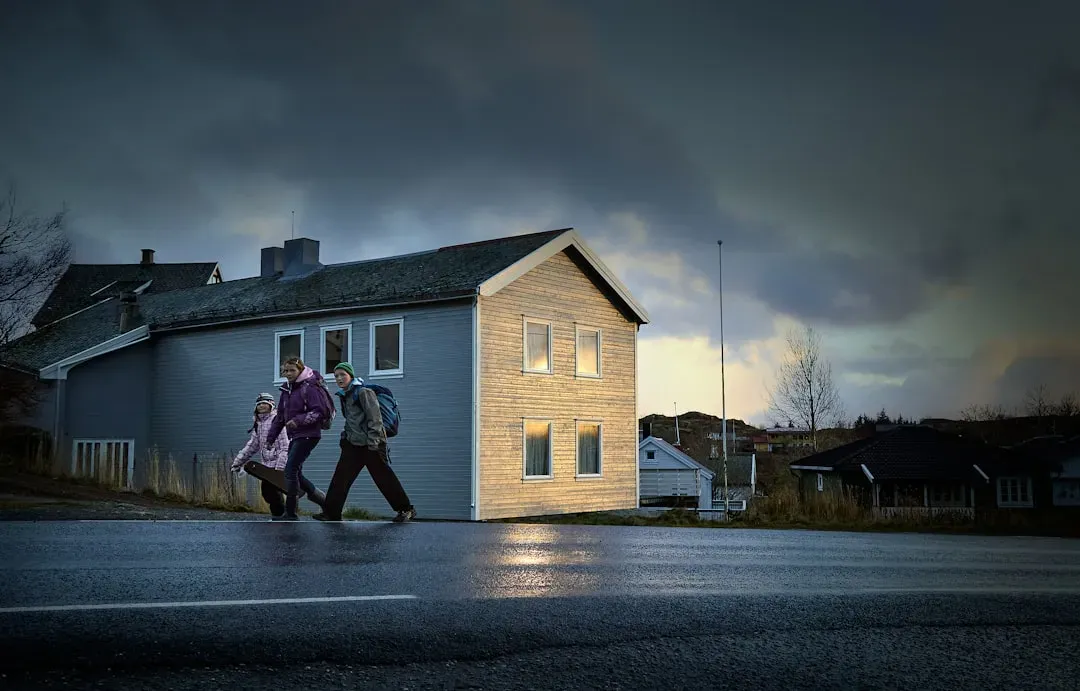
Kindergarteners hoofed it alone or in packs, crossing streets without hand-holding. In 1969, nearly half of kids biked or walked to school; now it’s down to about one in eight. We navigated buses, bullies, and weather like pros.
Traffic deaths for young kids fell sharply since 1975, over 75 percent for toddlers. That independence wired us for real-world smarts early on. Parents today would freak, but we owned those streets.[5][9]
6. No Constant Check-Ins, Just Trust

Without cell phones, problems got solved on the spot – no calling for a bailout. Lost? Ask a neighbor. Hurt? Walk it off or find help nearby. That built resourcefulness you can’t fake.
Recent trends push back toward this, with free-range parenting cutting anxiety in kids. We didn’t have “stranger danger” drilled 24/7; life felt normal. Turns out, we were safer than feared in many ways.[10]
7. Rare Real Stranger Danger
Media hyped kidnappings in the late 70s, sparking helicopter rise in the 80s, but stranger abductions were tiny – under 100 a year nationwide. Most “missing” cases were runaways or family issues. We roamed because odds were always in our favor.
Crime peaked then, yet kid safety improved overall with time. Violent rates were higher in the 70s, but we adapted. No panic meant more fun.[11][12]
8. Scrapes and Falls That Taught Lessons

Falls from trees, bike crashes, fights – we bandaged up and learned quick. Unintentional injuries dropped over 50 percent long-term, but our era’s risks toughened us. No lawsuits, just “walk it off” wisdom.
New research links that play to resilient adults today. Helicoptering ties to more anxiety now. We proved risks build strength.[13][4]
9. Inventing Games With Zero Screens
Cops and robbers, kick the can – pure creativity, no apps needed. Summers blurred into non-stop outdoor marathons. That beat any video game high score.
Phones stole that now; kids play less outside. But 70s unsupervised hours fostered bonds and smarts. I wouldn’t trade it.[3]
10. Turning Into Tough, Happy Adults

Here we are, 70s kids ruling the world, resilient from real-life trials. Free-range benefits shine in studies: better confidence, less perfectionism stress. We survived – and thrived – sans safety nets.
Latest 2026 trends nod to loosening up parenting. What if we gave kids that trust again? Our stories prove it’s possible.[14][15]