
You know that feeling when you lace up your boots for a dream hike, expecting epic views and fresh air, only to stumble into a scarred wasteland? That’s exactly what hit me on the North Rim trails this week. Officials talk recovery and partial reopenings, but up close, the Dragon Bravo Fire’s scars run deeper than any press release admits. Let’s unpack what I saw and what the data really says.
The Spark That Started the Nightmare
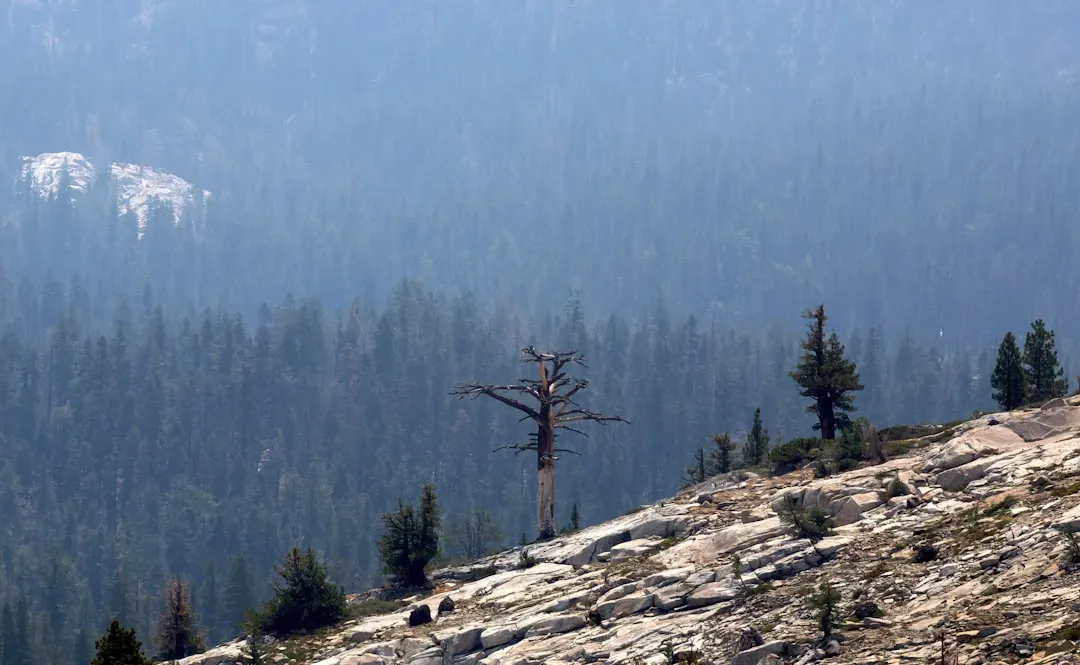
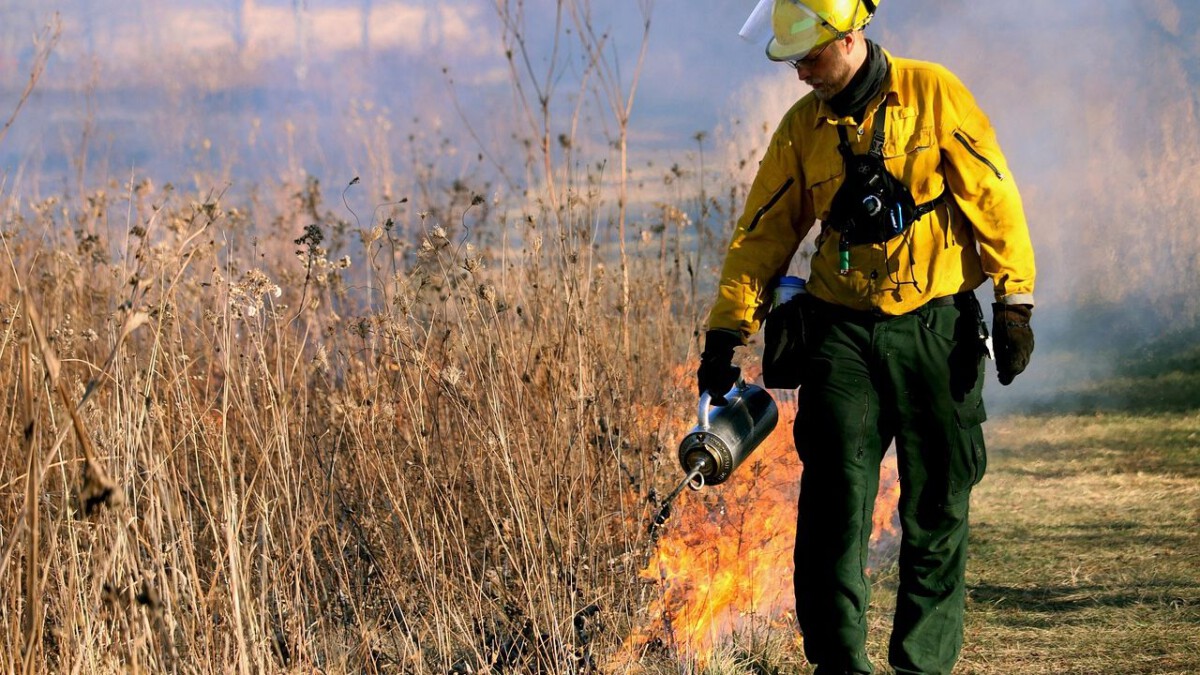
Lightning struck on July 4, 2025, igniting the Dragon Bravo Fire near the North Rim, initially managed as a beneficial burn.[1] Park managers thought they had it contained at around 120 acres, letting it creep along to clear deadwood. Then winds shifted hard on July 11, turning it into a monster overnight. Here’s the thing: early models way underestimated the blowup risk, catching everyone off guard.[2]
Acres Scorched: Bigger Than They First Said
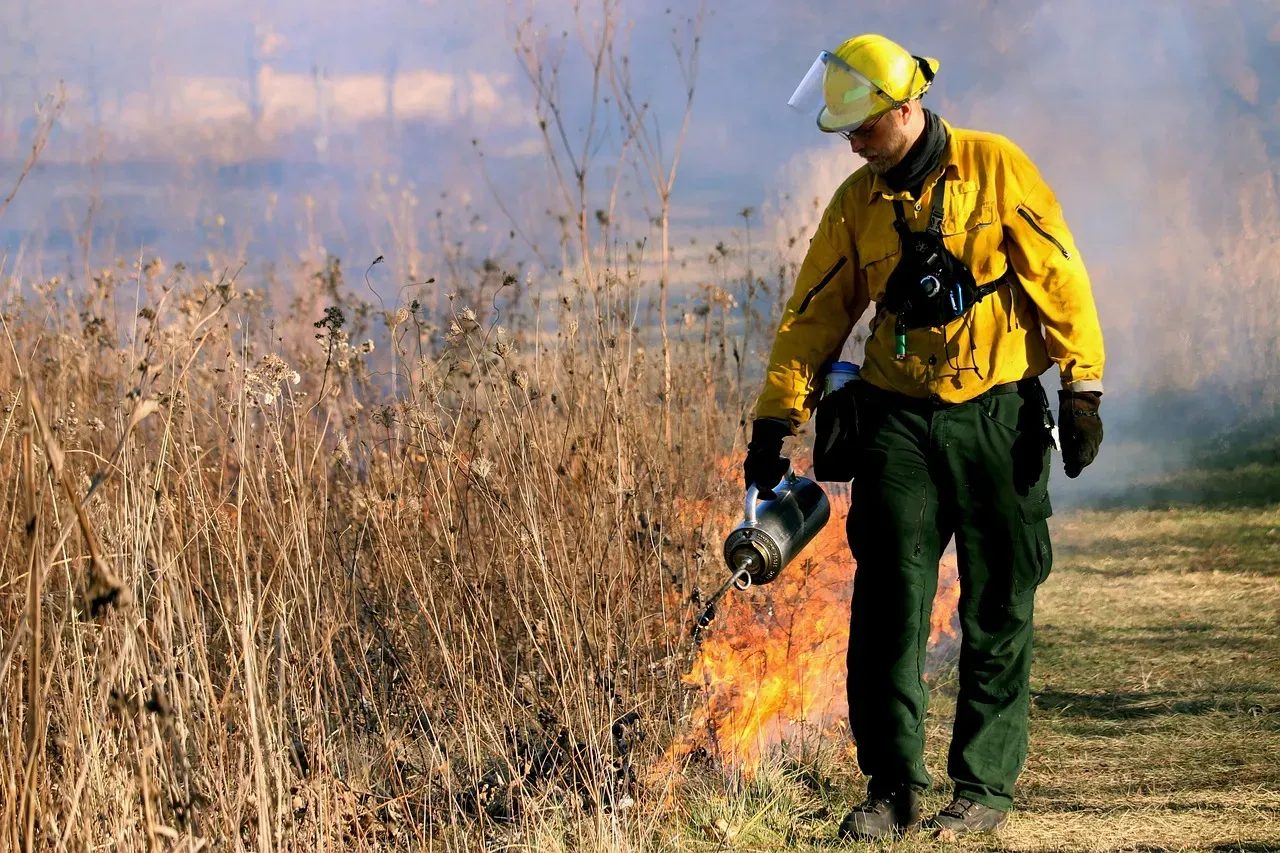
The fire chewed through 145,504 acres by the end, making it one of Arizona’s largest that year.[3] Official tallies hit over 145,000 acres, dwarfing initial reports of just thousands.[1] Hiking those edges now, you see vast black patches where forests stood, far beyond the “mostly low severity” spin. Low severity covered about two thirds, but moderate burns hit over a quarter, locking in long-term woes.[4] I think they’re lowballing the visual gut punch to keep tourists hopeful.
The Historic Lodge: Totaled and Then Some
That iconic Grand Canyon Lodge? Reduced to rubble on July 12-13 as flames roared through.[5] Visitor center, gas station, cabins, all vaporized in the blitz. Preliminary counts pegged 50-80 structures lost, but later assessments upped it to 106 out of 229 – nearly half the North Rim’s backbone.[6][7] Wandering the site, the twisted metal and ash layers scream neglect in defensible space around buildings.[2]
Soil Burned Bad: Floods Waiting to Happen
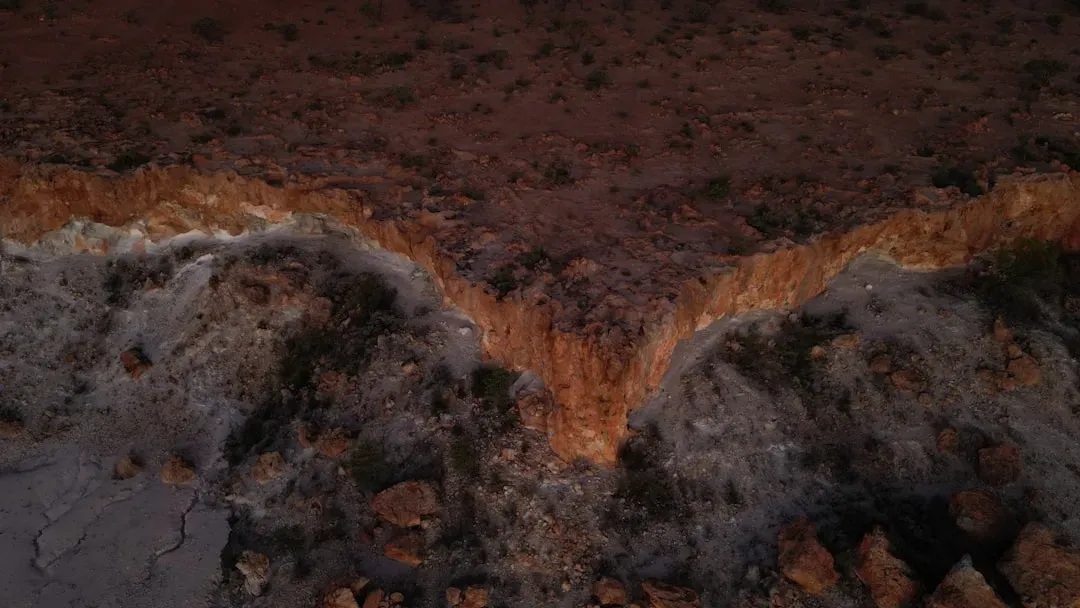
Burn severity maps show 26% moderate and pockets of high, stripping soil protection across thousands of acres.[4] Rain now risks flash floods washing ash straight into the canyon, worse than officials highlight in quick updates. I sloshed through muddy trails where roots are gone, feeling that unstable ground underfoot. Emergency teams rushed stabilization last fall, but nature’s not forgiving that fast.[8] Let’s be real, this sets up erosion nightmares for years.
Wildlife Hits Harder Than Reported
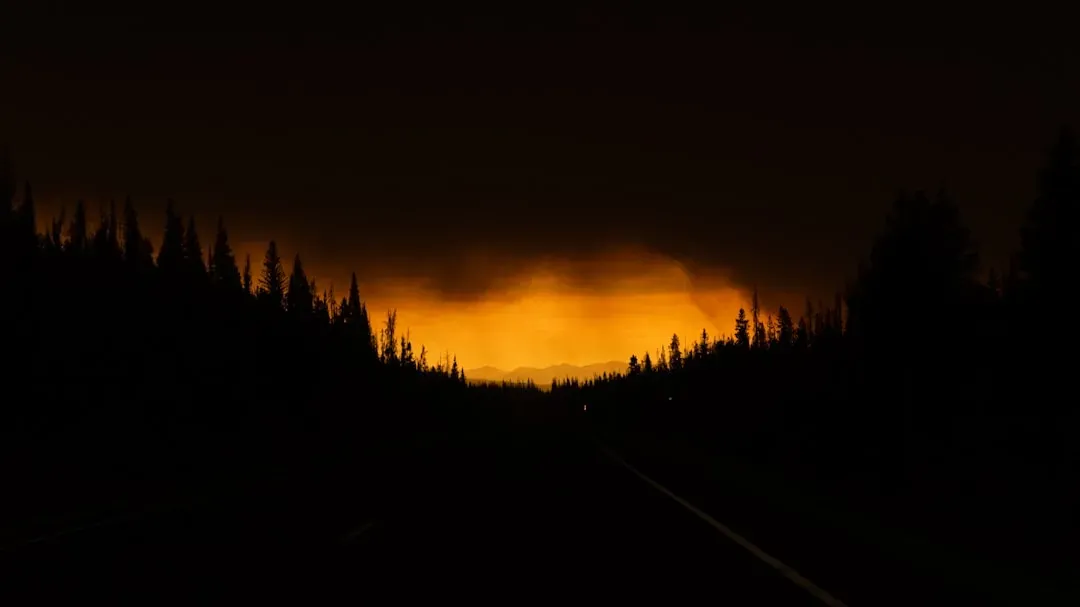
Over 1,300 firefighters battled it, but the toll on critters? Incalculable, from birds to mule deer fleeing the blaze.[9] Trails I hiked showed zero animal tracks in burned zones, silent where chipmunks once chattered. Trees perished by the millions, gutting habitats in that secluded rim ecosystem. Reports focus on structures, skimping on biodiversity collapse that hikers like me witness firsthand. Honestly, it felt eerie, like the life got vacuumed out.
Infrastructure Meltdown Exposed
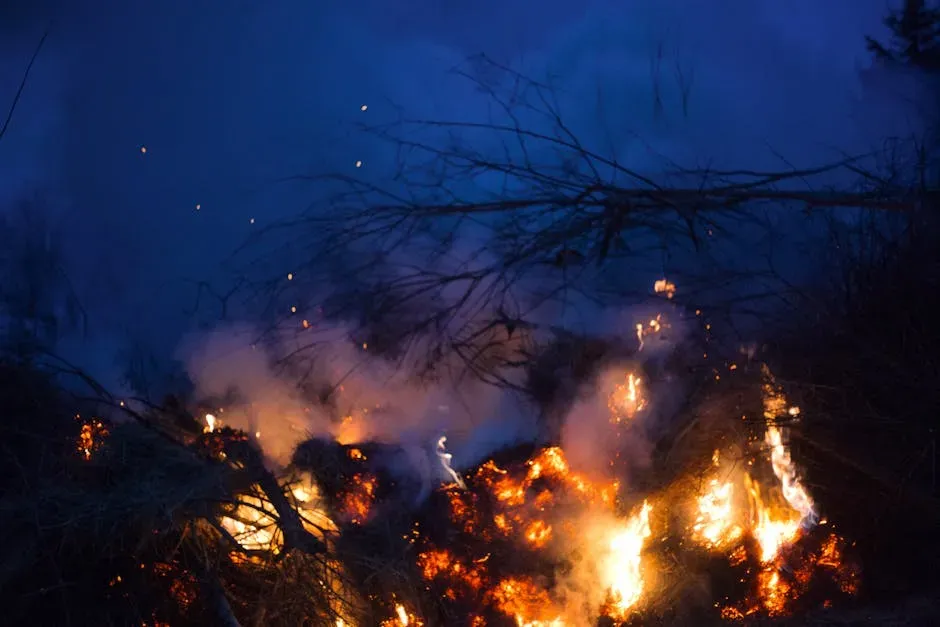
Wastewater plant gone, admin buildings torched, employee housing flattened – 106 hits total.[10] That’s not just vacation spots; it’s the park’s operational guts crippled. Post-fire assessments from BAER teams painted the full grim picture months later.[7] My boots crunched over debris where water lines once ran, hinting at rebuild costs soaring past $135 million spent fighting it.[9] They’re rushing Congress for funds, but damage depth surprises even locals.
Why the Downplay? Models Failed Big
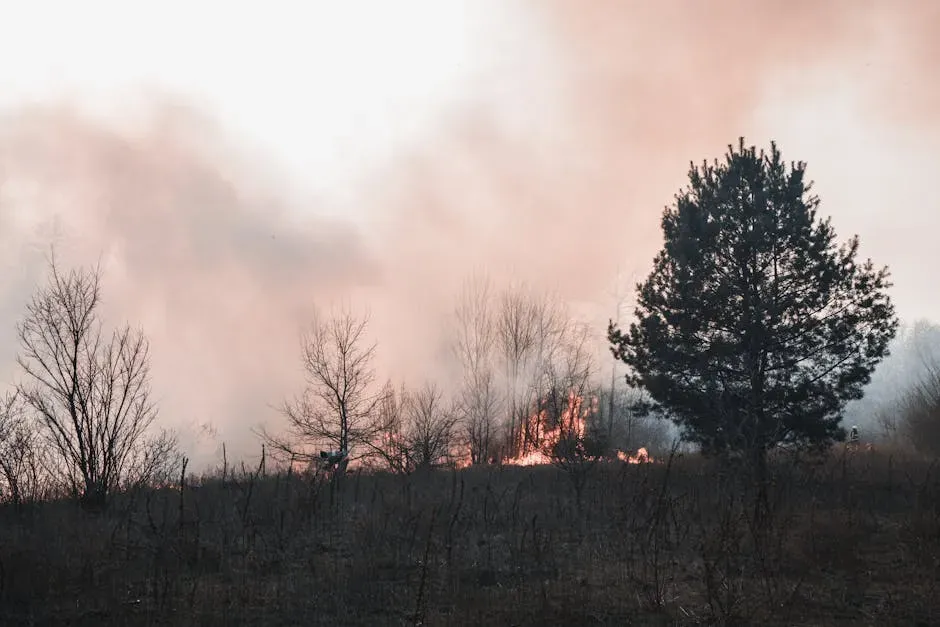
Fire models on day one predicted minimal spread, blind to wind shifts that blew it toward lodges.[2] Started as “good fire,” flipped to megafire when embers rained down.[1] Officials evacuated 500 visitors amid two fires, yet early comms soft-pedaled the explosion risk. Now, with North Rim shuttered through winter 2026, phased reopen talk feels optimistic.[8] I suspect they shield the panic to protect tourism dollars.
Reopening Hype vs. Reality on Ground
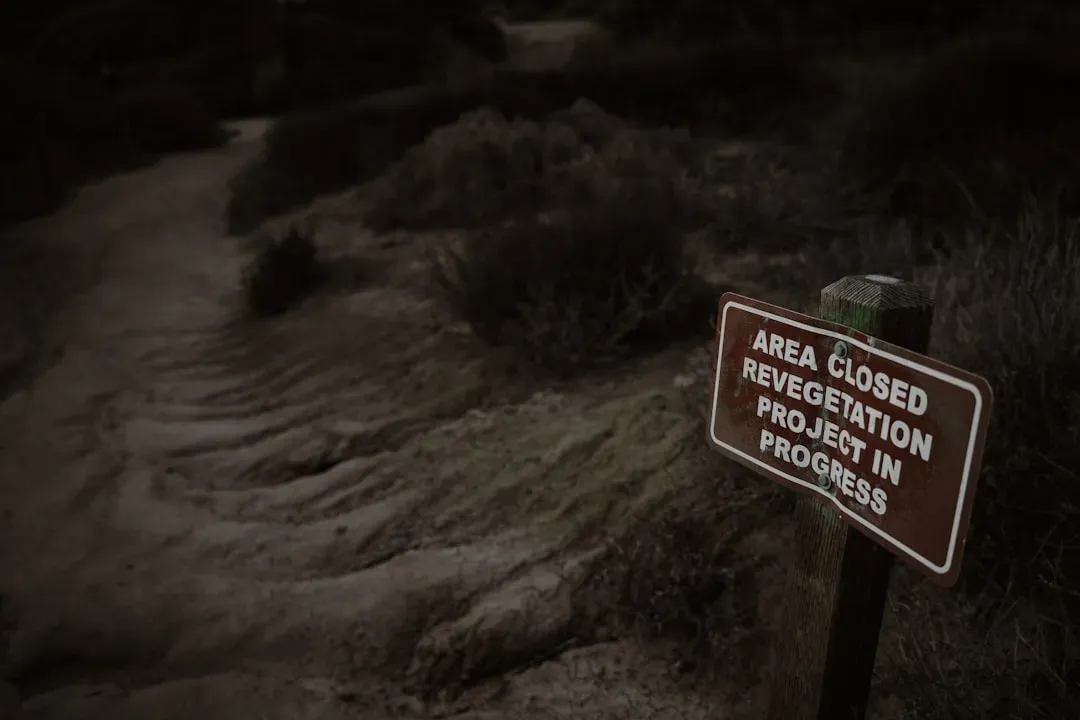
Park plans “adaptive” summer 2026 access, but March status screams full closure still.[11] Emergency work stabilized some spots post-fall 2025, yet trails bear black skeletons everywhere.[8] Hiking permitted areas, barriers and warnings hit hard – not the quick bounce-back narrative. Congress pushes rebuild speed-up, knowing lodge loss stings deep.[5] Up close, recovery’s a decade grind.
Ecological Scars You Won’t Read in Headlines
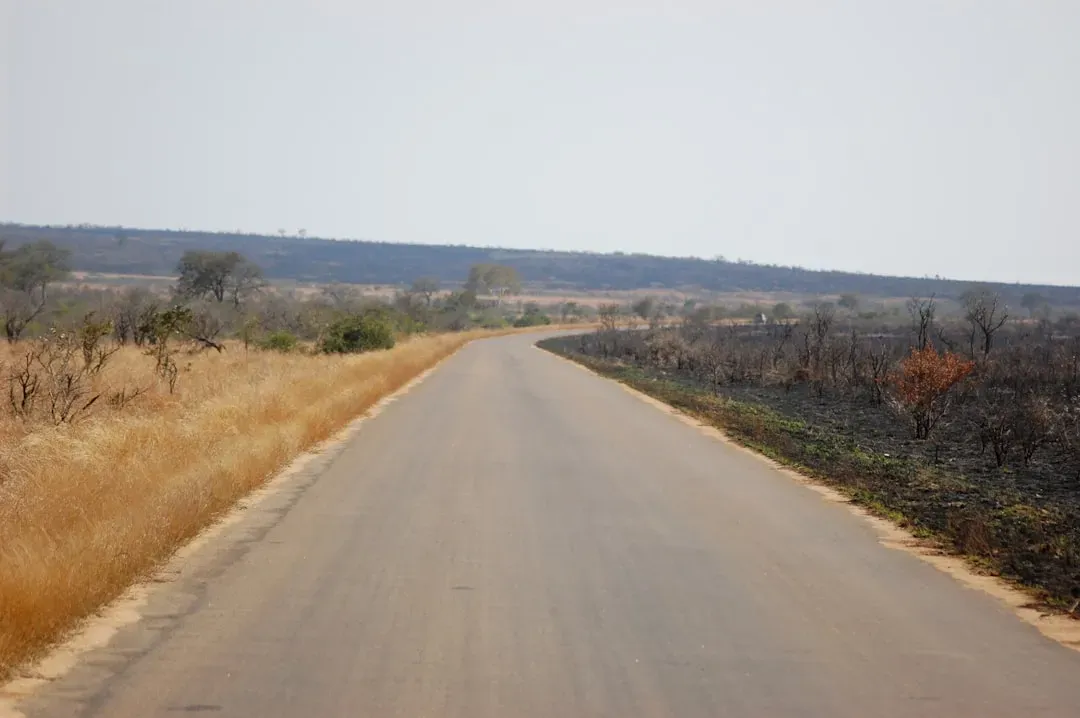
NYT calls it a forever change to the North Rim’s rare beauty, with vast transformed landscapes.[9] Low-severity burns dominate, but hotspots ravaged soil and understory completely. My hike revealed moonscape patches amid “regenerating” zones officials tout. Flash flood potential lingers, amplifying erosion into the canyon proper. It’s hard to say for sure, but regrowth here lags fire-adapted spots elsewhere.
The Human Cost They Gloss Over
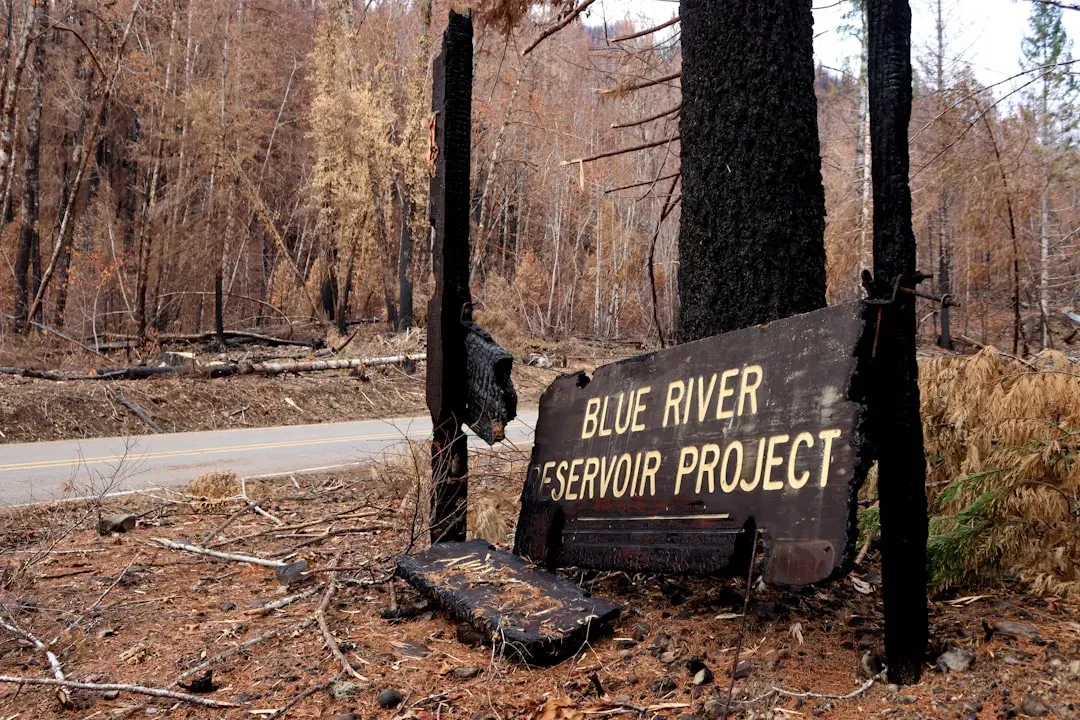
Park staff lost homes, rangers displaced, season axed abruptly.[12] Tourism dipped hard, North Rim’s quiet allure shattered for 2025. Executive summaries now detail impacts, but early silence bred frustration. I chatted with a trail maintainer who shook his head at the underreported chaos. Damage this raw demands straight talk, not polished updates.