Savannah, Georgia does something to you. The Spanish moss draped over oak trees, the centuries-old cobblestones, the feeling that every corner is hiding something just out of sight. I’d been warned before I arrived. Friends said things like, “You’ll feel it the moment you step off the plane.” I laughed it off.
Then I spent a week in a short-term rental tucked inside a 19th-century building on the edge of the Historic District. And honestly? I stopped laughing pretty fast.
What happened during those nights was strange enough that I started digging into the science. What I found was even more unsettling than the experiences themselves. Let’s dive in.
The City That Never Stopped Burying Its Dead
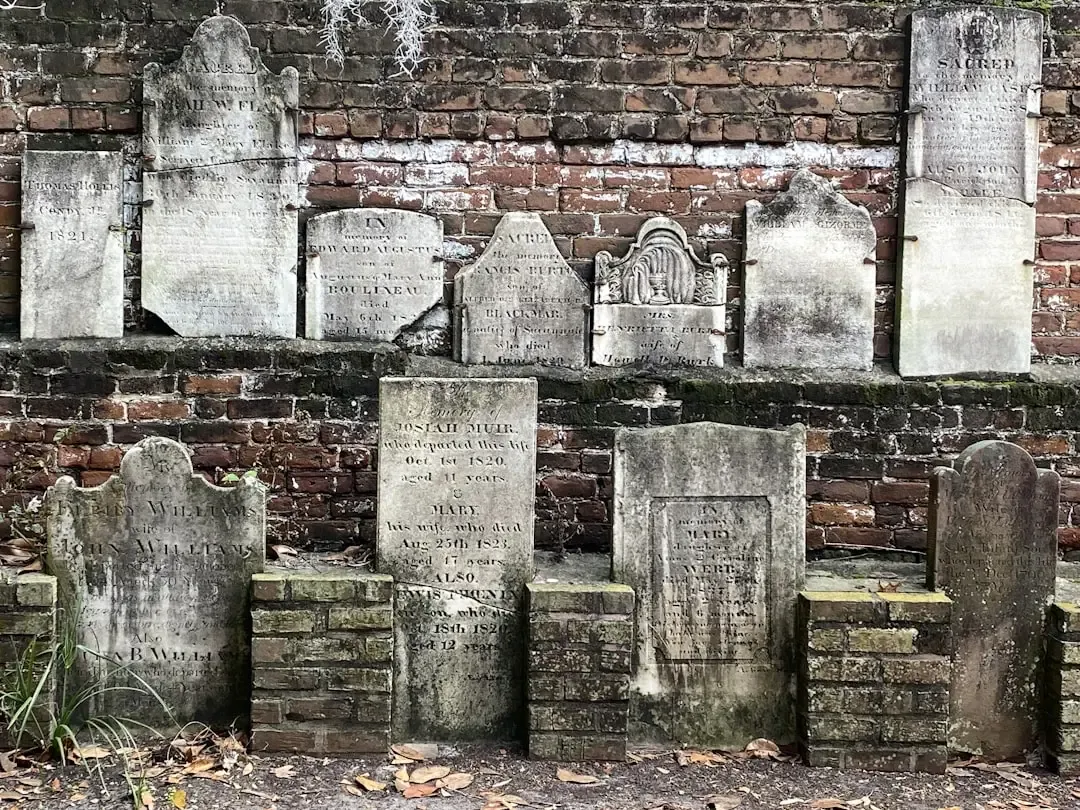
Before we get to what happened inside that Airbnb, let’s talk about Savannah itself. Widely considered one of the most haunted cities in the U.S., Savannah’s centuries-old cemeteries, historic homes, and battle-scarred streets have earned it that reputation. The city was founded in 1733, and it has never really stopped accumulating its dark past.
Widely considered by ghost hunters and paranormal investigators as America’s most ghostly city, Savannah’s dark past includes its founding in 1733 when it was built upon Native American burial grounds. That kind of layered history does something to a place. You feel it in the streets, in the architecture, in the stillness after midnight.
Savannah is essentially a necropolis, a city built over its dead, so most of the things that go bump in the night around here often do so in very public places. Staying in a building from that era isn’t just a charming experience. It’s almost a dare. A dare that I, apparently, accepted without fully reading the fine print.
Thing #1: The Sounds That Had No Business Being There
The first night, I heard it. A low, almost subsonic vibration. Not quite a sound, more like a pressure. Like the building itself was breathing. I checked every door, every appliance. Nothing. It was only later, deep in the research rabbit hole, that I landed on something genuinely surprising.
In a controlled study, a significant number of respondents, roughly one in five, reported feeling uneasy or sorrowful, getting chills down the spine, or nervous feelings of revulsion or fear when exposed to a low-level near-infrasonic tone. Professor Richard Wiseman noted that low-frequency sound can cause people to have unusual experiences even though they cannot consciously detect it.
At around 19 Hz, infrasound can cause the human eyeballs to vibrate, leading to visual distortions or apparent “apparitions.” It can also induce feelings of anxiety, dread, and even panic. Old buildings with uneven architecture, creaking pipes, and ventilation systems are practically infrasound generators. The Airbnb I stayed in had all three. Still, knowing the science doesn’t make the experience feel any less real when you’re sitting in the dark at 2 a.m.
People often report feelings of anxiety, panic, or fear when exposed to infrasound. This may be explained by a natural unease to a stimulus we are not consciously aware of, or it may also be a natural response to situations of danger, where such low-frequency sounds are common, such as thunderstorms and earthquakes. So in a weird way, your ancient survival instincts kick in. Your body is sounding an alarm for a threat your ears can’t even locate.
Thing #2: The Figure in the Doorway I Couldn’t Explain Away
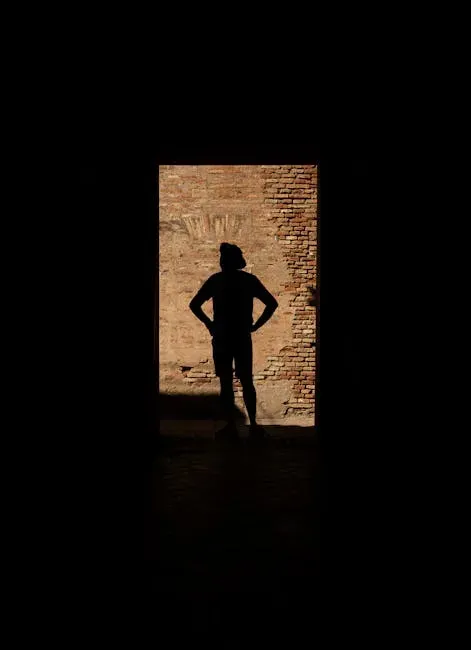
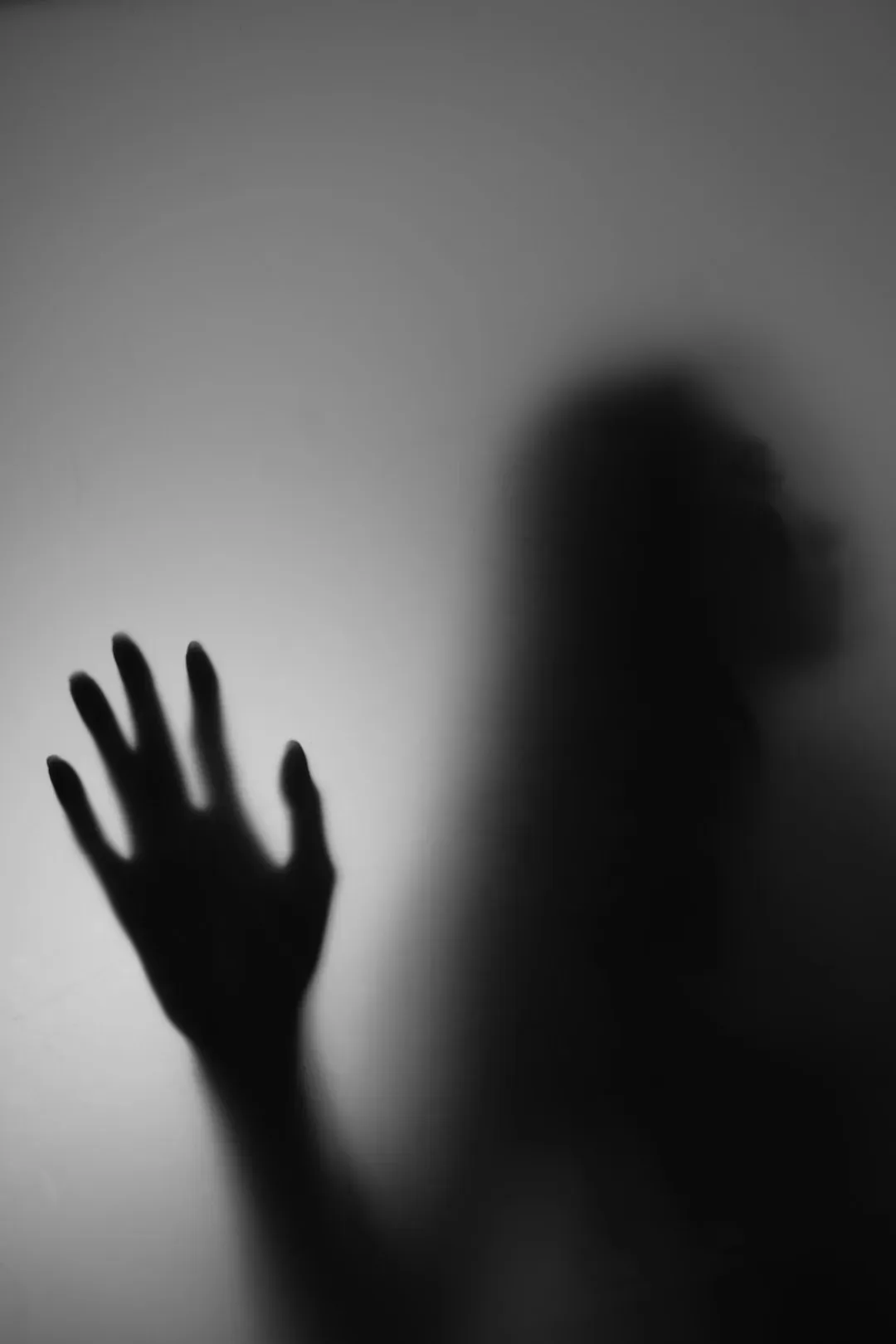
Here’s the thing. On the third night, I woke up. And I saw it. A dark shape in the doorway. Absolutely still. I froze. My heart was doing things hearts should not do at that speed. I stared for what felt like a full minute, and then I blinked, and it was gone.
I know what you’re thinking. Half-asleep, dark room, unfamiliar environment. Classic recipe for a false perception. You’re probably right. Sleep paralysis is a phenomenon wherein individuals awaken from deep sleep but are unable to move or speak, often experiencing vivid hallucinations. This condition is attributed to the persistence of muscle atonia from REM sleep into wakefulness and is associated with factors like sleep deprivation and irregular sleep patterns.
Sleep paralysis may include hallucinations such as an intruding presence or dark figure in the room, commonly known as sleep paralysis demons or shadow people. The science is clear enough, and yet. I was sitting upright. I was fully awake, or at least I thought I was. The shape was vivid, detailed, and utterly convincing.
Research documents that common experiences during sleep paralysis include a sensed presence in roughly four in ten to six in ten cases, alongside visual hallucinations. The vast majority of these hallucinoid experiences are accompanied by a feeling of intense fear. I think about that stat a lot. That’s not a rare edge case. That’s an enormous number of humans who have experienced something they genuinely could not distinguish from reality.
Thing #3: The Morning I Woke Up Sick and Confused
By day five, I felt genuinely off. Headache, mild nausea, a strange metallic taste in the back of my throat. I put it down to too much Southern food, too little sleep, possibly too many ghost tour cocktails. Then I started reading about carbon monoxide.
According to the CDC, the most common symptoms of carbon monoxide poisoning are headache, dizziness, weakness, upset stomach, vomiting, chest pain, and confusion. That list hit a little close to home. Carbon monoxide is an odorless, colorless, and tasteless gas produced when fuels such as gasoline, oil, kerosene, or natural gas are burned. The most common sources of CO in a home are gas appliances, fireplaces, furnaces, or heaters. A 19th-century building running old heating infrastructure? That’s not exactly a comforting thought.
Carbon monoxide leaks can cause headaches, confusion, blurred vision, hallucinations, and feelings of dread. Before the dangers of carbon monoxide poisoning were well known, its effects were often blamed on ghosts. There’s something deeply unsettling about that historical footnote. Generations of people who thought their homes were spiritually compromised were actually being slowly poisoned.
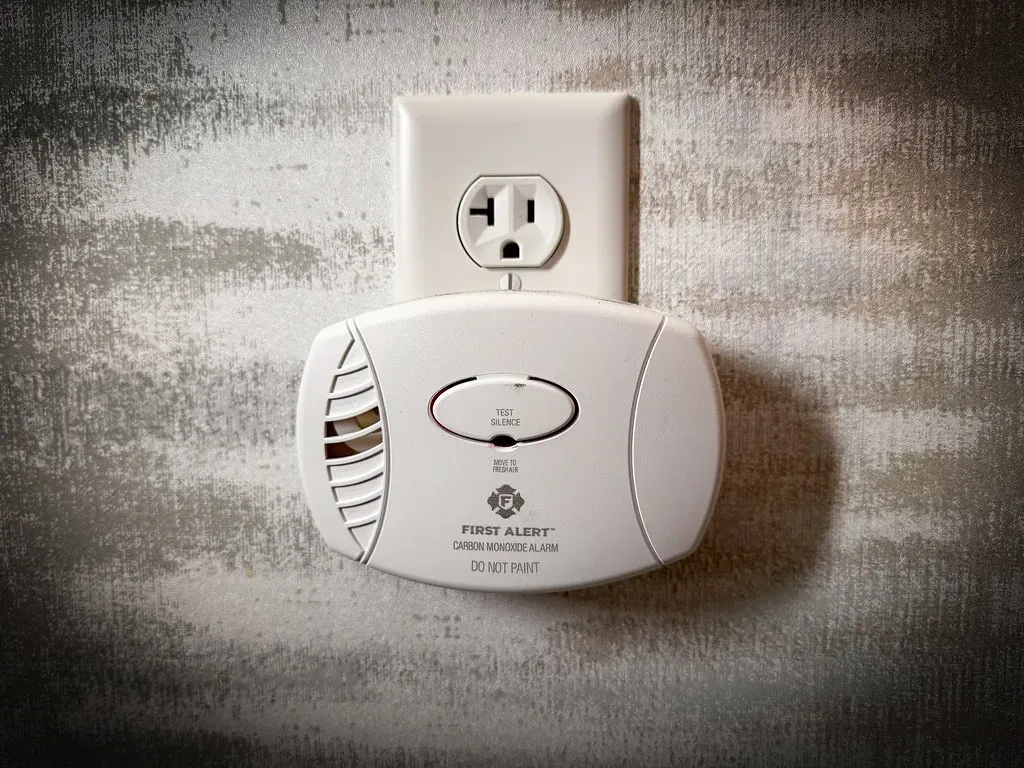
The lack of oxygen reaching the brain due to carbon monoxide poisoning can lead to a number of symptoms, including the visual and auditory hallucinations behind some lifelike paranormal experiences. I checked with the host, and the CO detector in the unit turned out to have dead batteries. Let that one sink in for a moment.
So What Actually Can’t Science Explain?
Let’s be real. Science offers compelling explanations for a lot of what I experienced that week. Infrasound vibrating through old walls. Sleep paralysis conjuring shadow figures. Possibly compromised air quality messing with my brain chemistry. These are not small things. They’re serious, evidence-backed phenomena.
Yet there is one thing that lingers. Recent research has confirmed that a number of environmental factors may be associated with a tendency for susceptible individuals to report mildly anomalous sensations typically associated with “haunted” locations, including a sense of presence, feeling dizzy, and inexplicable smells. Factors that may be associated with such sensations include fluctuations in the electromagnetic field and the presence of infrasound. But none of these fully account for the convergence of experience, the timing, the specificity, the way certain moments felt genuinely unlike anything my rational mind had filed away before.
Honestly, it’s hard to say for sure where the science ends and the inexplicable begins. Not all ghostly experiences can be explained by infrasound. Whether you’re hearing bumps in the night or encountering full-roaming apparitions, there is still much to discover in the realm of the unexplained. That’s not a supernatural claim. It’s an honest acknowledgment that human perception is wildly complex and that even the best scientific models are still models, not final answers.
Some scientists have proposed sleep paralysis as an explanation for reports of paranormal and spiritual phenomena such as ghosts, alien visits, demons, or demonic possession. That explains a lot. It doesn’t explain everything. The gap between those two things is exactly where Savannah lives, and apparently where some of its residents never quite left.