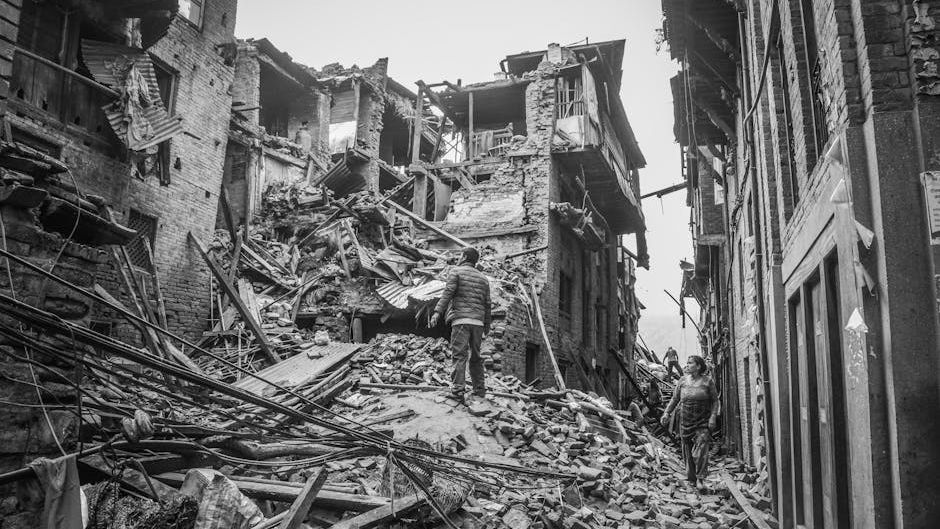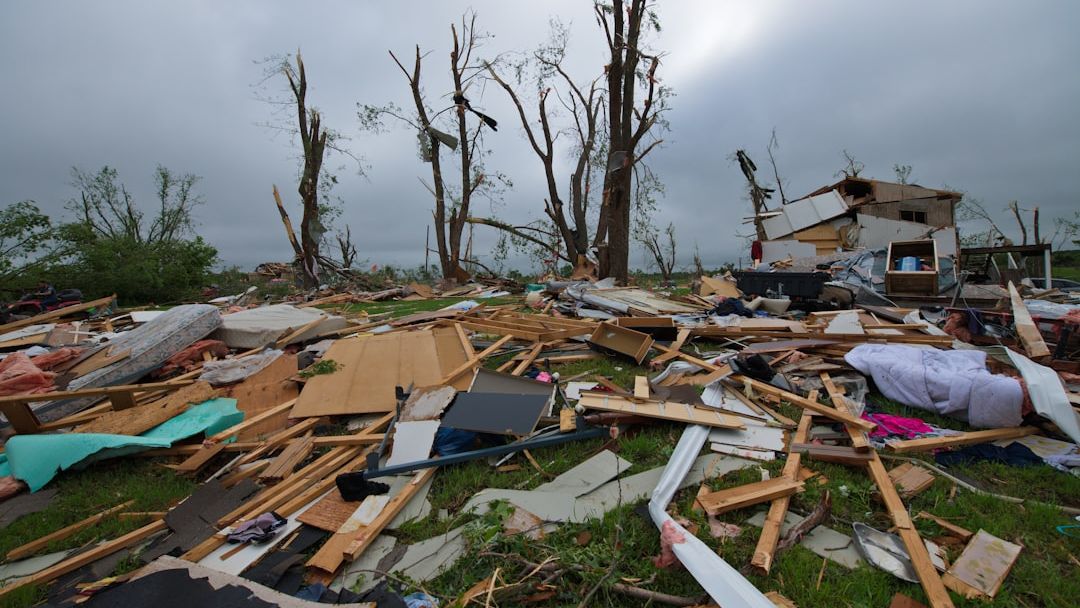

Picture this: winds howling like a freight train right outside your door, in a place you never dreamed would face such fury. This spring, right here in what experts now call the New Tornado Alley, that nightmare hit close to home. I hunkered down, thinking my shelter would save the day, only to face a rude awakening.
Shifts in storm patterns caught many off guard, including me. Let’s walk through what unfolded, step by stormy step.[1][2]
The Eastward Migration of Tornado Alley
Researchers have tracked Tornado Alley’s creep eastward for years, from the Great Plains into Dixie states like Mississippi and Alabama. By 2025, nearly everything east of the Rockies qualified as high risk, with violent outbreaks spiking.[1] I lived in southern Missouri, once on the edge, now smack in the thick of it.
Climate patterns fueled bigger supercells farther east. Honestly, maps from recent studies showed my zip code lighting up red for the first time.[3] No one saw this shift coming so fast.
Spring 2026 Kicks Off with Fury
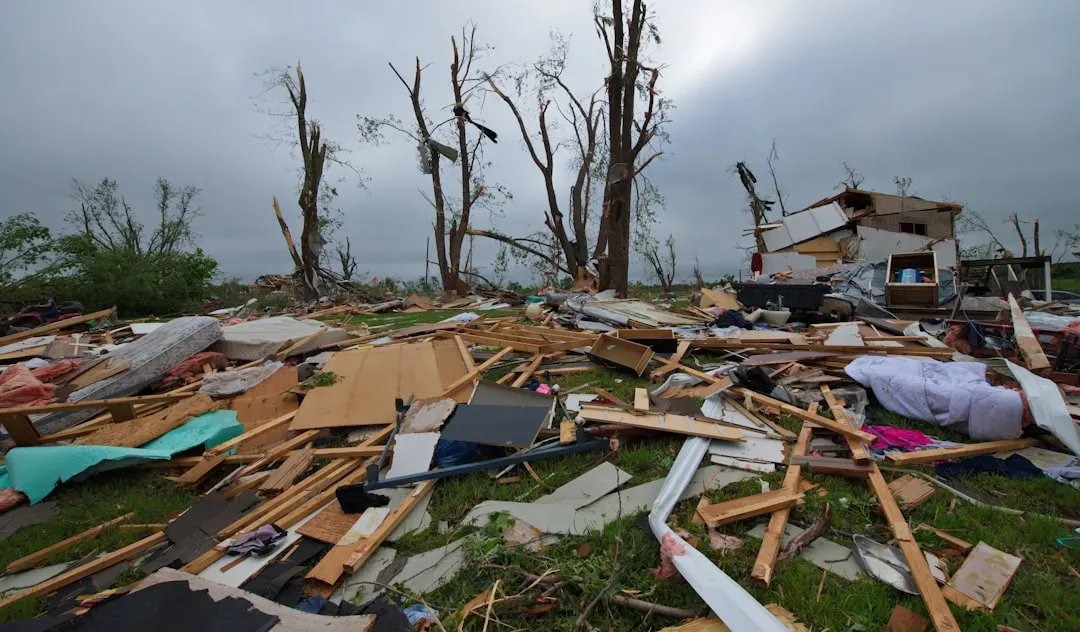
March roared in early this year, shattering norms with multiple outbreaks before the official peak. From March 5 to 16, over 150 tornadoes spun across the Midwest and South, including the first EF5 since 2013.[4][5] My area got hammered just days into the month.
Farm fields turned to wreckage fields overnight. Here’s the thing: forecasters warned of Dixie Alley action, but the scale shocked everyone.[6]
Why My Backyard Became Ground Zero
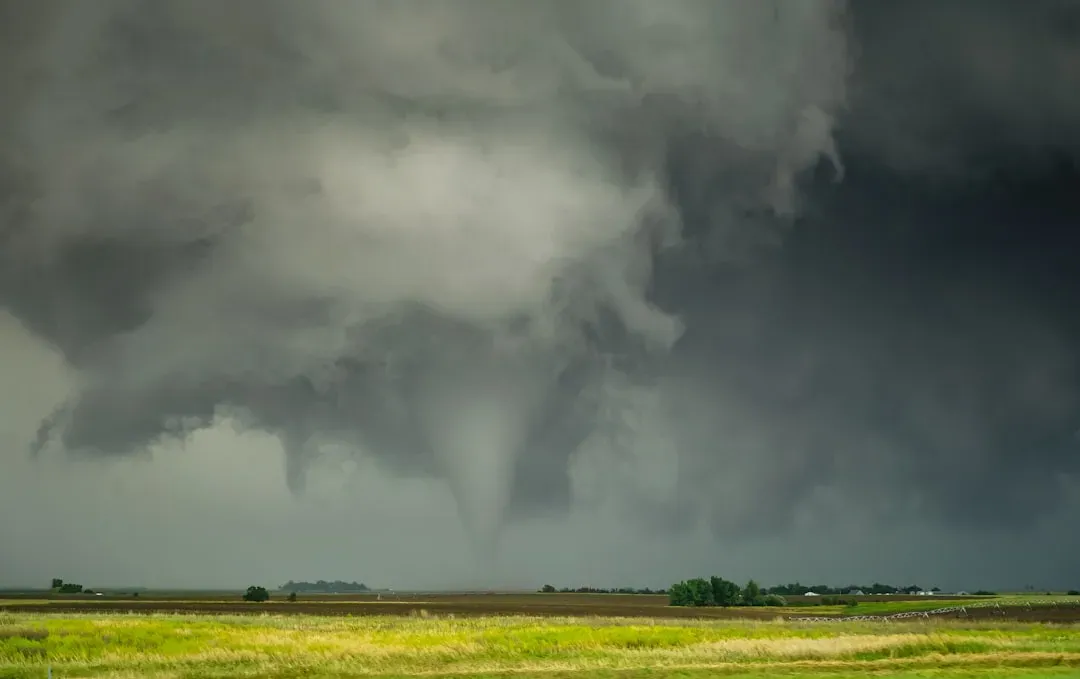
The New Tornado Alley now stretches from Iowa through Louisiana, swallowing places like mine in southeast Missouri. Stats show tornado counts there rivaled old hotspots in 2024 and 2025.[7] I figured Plains folks had the monopoly on twisters.
Yet warmer Gulf air clashed with jet stream dips, brewing monsters closer to home. I watched radars light up like fireworks that night.
The March 5-7 Outbreak That Changed Everything
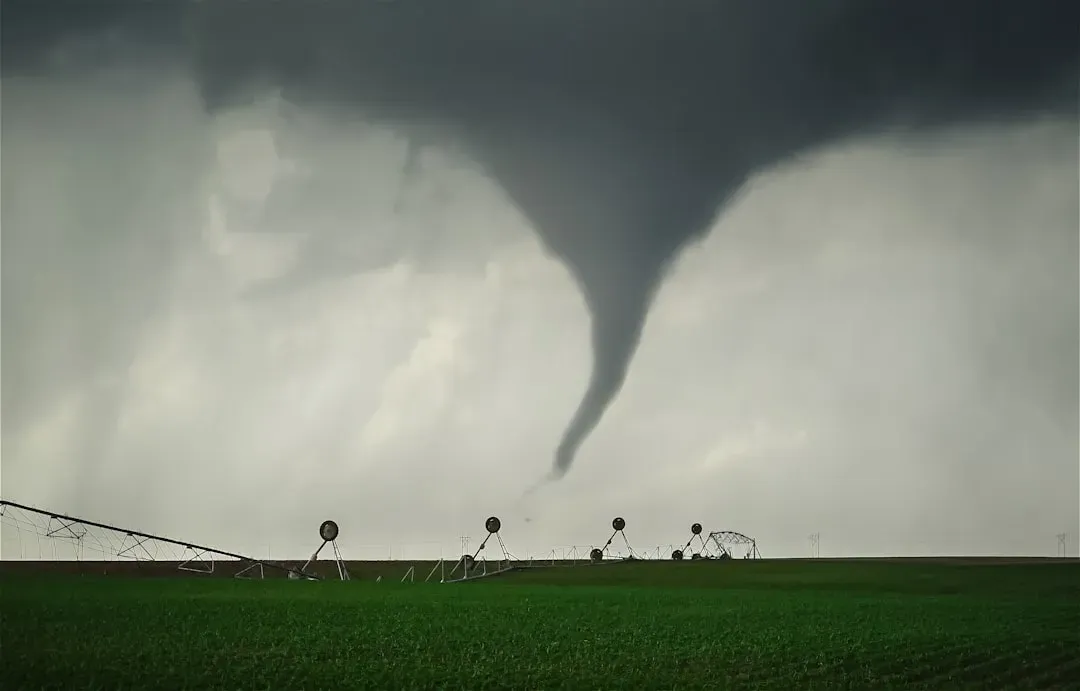
A deadly swarm hit the Central U.S., spawning significant tornadoes across six states and claiming lives. Ten EF2-plus beasts roared through, injuring over 140.[8][5] One carved a path near my town, EF4 strength.
Sirens wailed as hail pelted the roof. I grabbed the family and bolted underground, heart pounding.
Storm Chasing Me to the Shelter
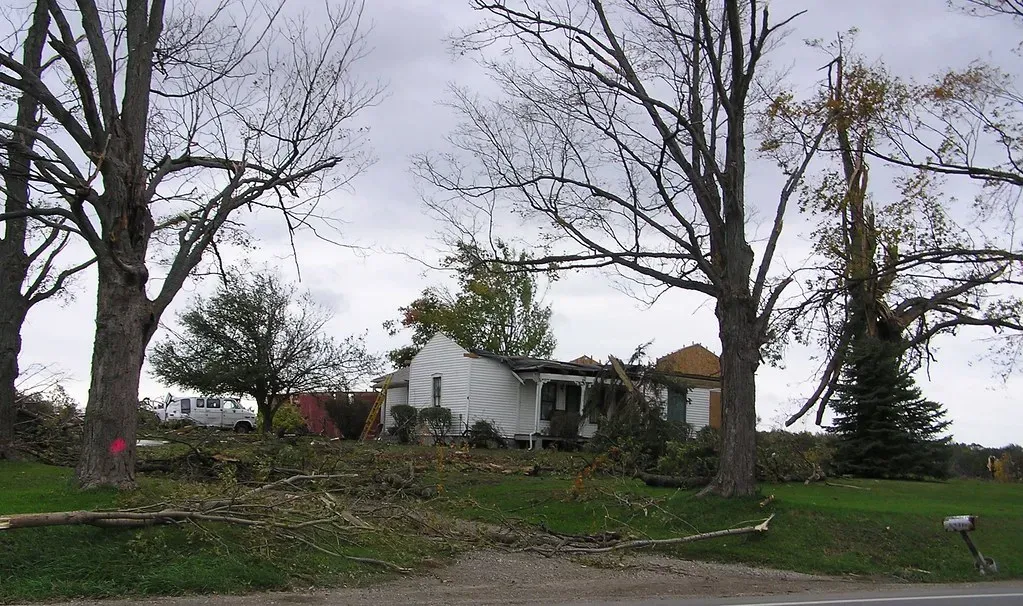
Winds gusted over 100 mph before the core arrived, snapping trees like twigs. Debris flew everywhere, turning the sky murky green. I slammed the shelter door shut, sealing us in what I thought was fortress steel.
Pressure built fast inside. Little did I know, small flaws lurked.
My Shelter’s Specs on Paper
I installed it five years back, aiming for FEMA P-320 standards with steel walls and concrete anchors. Cost me a chunk, but peace of mind seemed worth it. Experts rate these for EF5 protection if done right.[9]
Local codes matched ICC 500 too. Still, installation matters most, as reports warn.[10]
The Moment the Door Buckled
Sudden whooshes hit, then a bang shook the entrance. The door warped inward, seals failing under missile impacts from flying junk. Past cases, like Mayflower, pinned deaths on door blowouts.[11]
We braced, water seeping in. Turns out, hinges weakened over time.
It popped open inches, sucking air violently. Panic set in quick.
Weak Anchors Let It Rock

The whole unit shifted as winds peaked, bolts loosening from subpar pour concrete. Poor anchoring tops failure lists for above-ground types.[12] Mine was in-ground, but garage floor ties gave way.
Vibrations rattled us senseless. Low-quality bolts sheared clean off.
Debris Turned Deadly Projectiles
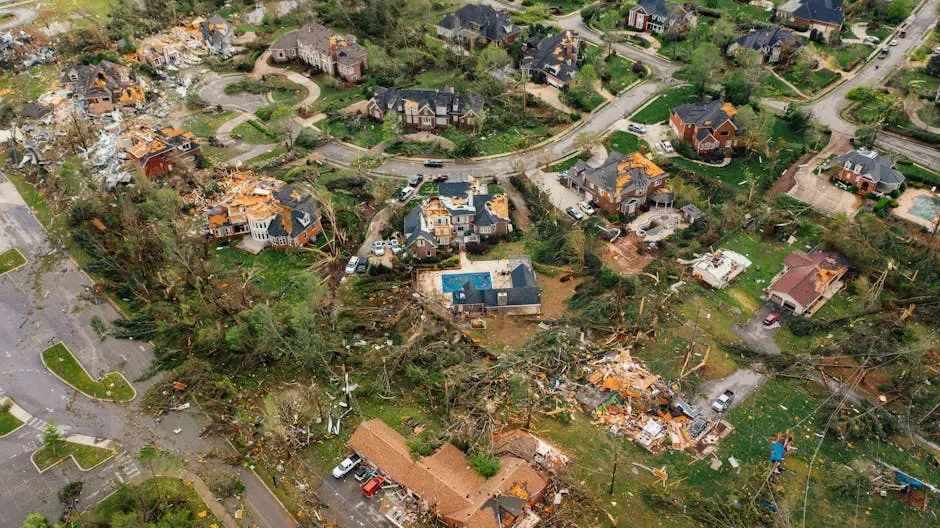
EF4 winds hurled cars and roofs like paper, pummeling the shelter nonstop. Even sturdy builds crack under such barrage if vents clog. Stats show debris causes most breaches.[10]
A beam cracked the lid. We huddled tighter, praying.
Real Lessons from 2026’s Wake
Post-storm surveys echo my ordeal: improper installs doom half the failures. Hundreds of code-compliant shelters survived unscathed this season.[9] Mine slipped through cracks in oversight.
Experts push annual checks now. I wish I’d listened sooner. What hits hardest? Complacency in the New Alley.[10]