
Picture this: Friday night rolls around, the week’s chaos fades, and the whole family crams onto the living room couch. That unmistakable TGIF jingle blares from the TV, promising laughs with shows like Full House and Family Matters. Those evenings felt unbreakable, a real anchor in busy lives.
Fast forward to today, and screens everywhere mean everyone’s glued to their own device. We’ve traded shared giggles for solo scrolls. Let’s unpack how we got here and why it stings so much.[1])
The Birth of TGIF in 1989
ABC launched TGIF in the late 1980s as a Friday prime-time block packed with family sitcoms. It kicked off with hits like Perfect Strangers and Just the Ten of Us, quickly pulling in crowds. The lineup turned ordinary Fridays into something special, a weekly event folks planned around.[2][3]
Honestly, it felt like ABC cracked the code for wholesome fun. Families tuned in religiously, creating bonds over punchlines and heartwarming moments. That simple schedule built an empire of loyalty.
Iconic Shows That Defined the Block

Full House stole hearts with its Tanner family antics, while Family Matters brought Urkel’s chaos to life. Step by Step and Boy Meets World rounded out the must-sees, blending humor with life lessons. These weren’t just episodes; they sparked family talks long after credits rolled.[4]
Here’s the thing: each show fed into the next, keeping viewers hooked for hours. No skipping ahead or pausing. That anticipation made Fridays electric.
Friday Nights as Sacred Family Ritual

TGIF transformed Fridays into a cultural touchstone, where popcorn and pajamas ruled. Kids begged parents to skip bedtime, all for that shared screen time. It was less about the TV and more about being together, undivided.[5]
I know it sounds old-school, but that routine strengthened ties in ways apps can’t touch. Nielsen data from back then showed massive family audiences piling in weekly. Pure magic.
Streaming’s Takeover by 2025
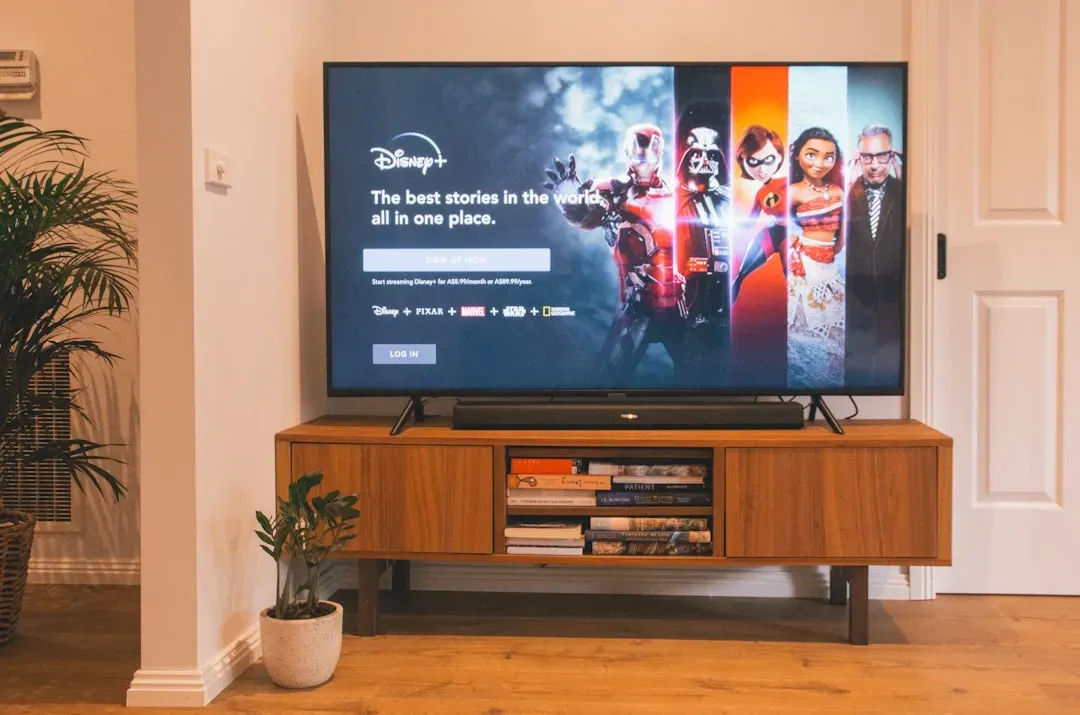
By December 2025, streaming snagged 47.5% of all TV viewing, smashing records per Nielsen’s Gauge report. Platforms like Netflix and Disney+ let us watch anytime, anywhere. Cable and broadcast? They’re fading fast in comparison.[6][7]
This shift killed fixed schedules. No more “wait till Friday” thrill. Families scatter to personal queues instead.
Linear TV’s Steep Decline
Nielsen notes streaming hit over one-third of TV usage by 2024, climbing higher into 2025. Traditional broadcast now scrapes by with tiny shares, especially among kids. Half of 18-to-24-year-olds skip it entirely.[8][9]
Broadcast for young viewers? Just 4% in summer 2025. The old lineup model crumbled under on-demand pressure. Tough to imagine TGIF thriving now.
Families Fragmented by Solo Screens
Eighty-three percent of US adults stream regularly, per Pew Research in 2025, but often alone. Kids under 17 barely glance at broadcast, favoring apps. Co-viewing dips as everyone picks their poison.[10][11]
Research highlights co-viewing’s value, yet habits push isolation. Parents model solo binges, kids follow suit. That couch crowd? Mostly gone.
Proven Bonding Power of Shared Viewing
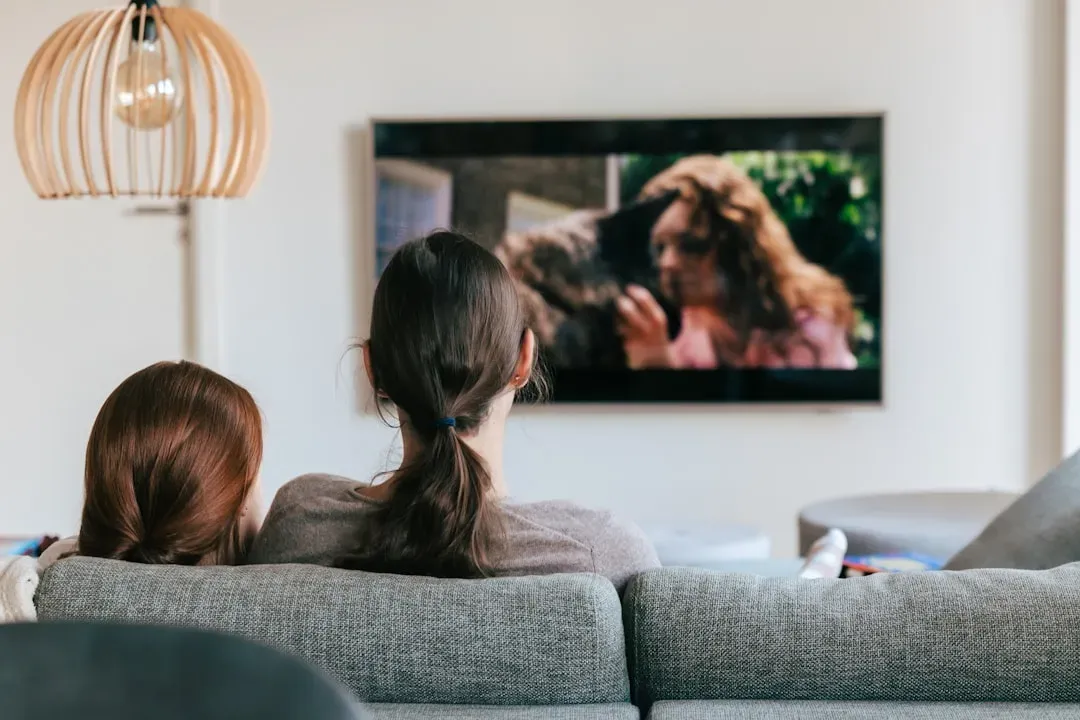
Studies show watching TV together boosts kids’ cognitive growth, especially with parent chat. One survey found most families felt closer from joint sessions. It turns passive screens into active connections.[12][13]
Even moderate family TV time aids learning and self-regulation. No wonder TGIF eras felt so tight-knit. We’ve lost that edge.
Nostalgia Surging in 2025-2026
Social media buzzes with TGIF throwbacks, from Reddit threads to Facebook reels in 2025. Fans rank shows, share memories of Urkel and Tanner tears. No revivals stick, but longing grows.[14][15]
Videos like “The Wild Rise and Fall of TGIF” rack up views. It’s clear: we crave that unity. Streaming can’t replicate the hype.
Why Schedules Beat Endless Choice
On-demand means binge or bust, no weekly watercooler chats. TGIF built suspense and shared stories everyone knew. Now, tastes splinter across services.[16]
Limited options forced compromise, sparking real talks. Endless libraries? They overwhelm. Families need that nudge back together.
Reviving Family Night in 2026
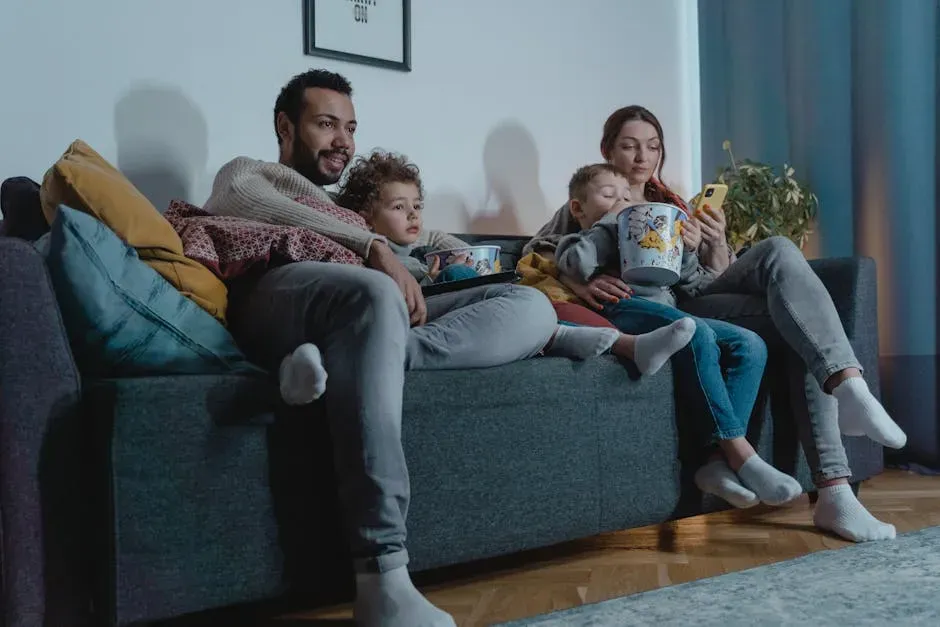
With streaming at record highs, carve out “TGIF 2.0” on smart TVs. Pick family picks, no phones allowed. Research backs the gains in bonds and smarts.
Let’s be real, it’s not gone forever. Dust off the remote, rally the crew. Those laughs wait for a comeback.[17]