
There’s something almost disorienting about rewatching a film you first saw in your teenage years. Everything looks smaller, somehow, and yet the feelings come back just as large as they ever were. “The Perks of Being a Wallflower” is that kind of movie. It’s one of those rare cultural artifacts that lodges itself somewhere between a memory and a mood.
I sat down recently, intentionally, to rewatch it through 2026 eyes. Flannel shirts, mixtapes, no smartphones, a Pittsburgh tunnel flooded with golden light. Does any of it still land? Honestly, I wasn’t sure it would. I was surprised by what I found. Let’s dive in.
A Film That Was Born From a Book, and Never Forgot It
The film is a 2012 American coming-of-age romantic drama written and directed by Stephen Chbosky, based on his 1999 novel. Here’s the thing that sets this apart from most book-to-screen adaptations: the author never let anyone else touch it. Stephen Chbosky wrote the novel in 1999, and years later wrote and directed the 2012 film adaptation himself. He’d been hesitant to hand the story over, eventually agreeing to sell the rights on the condition he could write and direct.
The film is a beautifully done adaptation that captures the essence of the novel perfectly, likely due to Chbosky serving as the director and screenwriter. That protective instinct shows up in every frame. You can tell this wasn’t a studio product engineered by committee. It feels personal, sometimes uncomfortably so.
The 90s Setting: Gimmick or Genius?
The story is set in 1991 Pittsburgh. No Google. No Instagram. No way to find out the name of that “tunnel song” without waiting months. To a 2026 viewer, that timeline functions almost like a fantasy world. Music was found through mixtapes and listened to on vinyl, or shared on long drives, words written on typewriters, books were read and swapped on worn-out paperbacks.
I think that deliberate analog slowness is actually one of the film’s greatest gifts in 2026. We live in a world where Gen Z is growing up in an era shaped by algorithms, AI-generated content, and constant optimisation. In that context, nostalgia is no longer just a stylistic preference – it has become a form of emotional grounding. The 90s setting in this film doesn’t feel like a costume. It feels like relief.
The Aesthetic That Won Over a Generation That Never Lived It
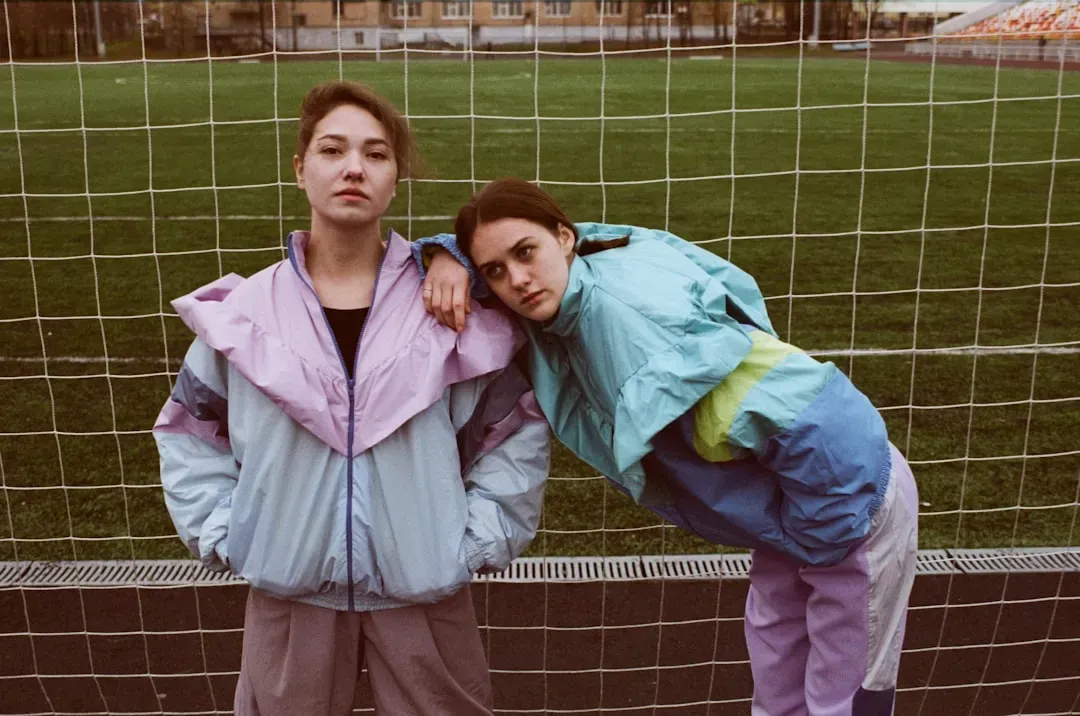
Let’s be real: most people rewatching this film in 2026 weren’t alive in 1991. That should make the flannel and mixtapes feel dated. It doesn’t. Roughly a third of Gen Zers are drawn to 90s-era content, driven by a search for authenticity rather than personal memory. The numbers match what you see online every day.
The 90s and Y2K aesthetics are back with a vengeance, fueled by a longing for perceived simpler times. The 90s brought grunge and minimalism – think flannel shirts, baggy jeans – while the early 2000s dazzled with maximalist Y2K flair. The movie sits right at the beginning of that whole aesthetic universe, and it still feels like home to people who weren’t even born when it was set. A 2024 Pew Research study shows roughly seven in ten Gen Z individuals engage with nostalgia-driven content daily, craving escapism amid global uncertainty.
The Performances: Still the Heart of Everything
Logan Lerman stars as a teenager named Charlie who writes to an unnamed friend, and these epistles chronicle his trials, tribulations, and triumphs as he goes through his freshman year of high school. Watching his performance again in 2026, I was struck by how completely un-actorly it feels. The star of the film, aside from Chbosky’s directing and writing, is easily Logan Lerman’s performance as Charlie. Lerman portrays Charlie with such heart, and it is clear how much work he put into the character.
Emma Watson’s performance as Sam also deserves praise, both for her portrayal of the complex character and the strength of her chemistry with Lerman. There’s a naturalness to the three central performances that still disarms you completely. At the time of filming, the core three stars of the film were all in their early 20s or younger. Sure, the actors were not the exact age of the characters, but they were close enough that their performances feel genuine and relatable.
That Tunnel Scene and What David Bowie Still Does to People
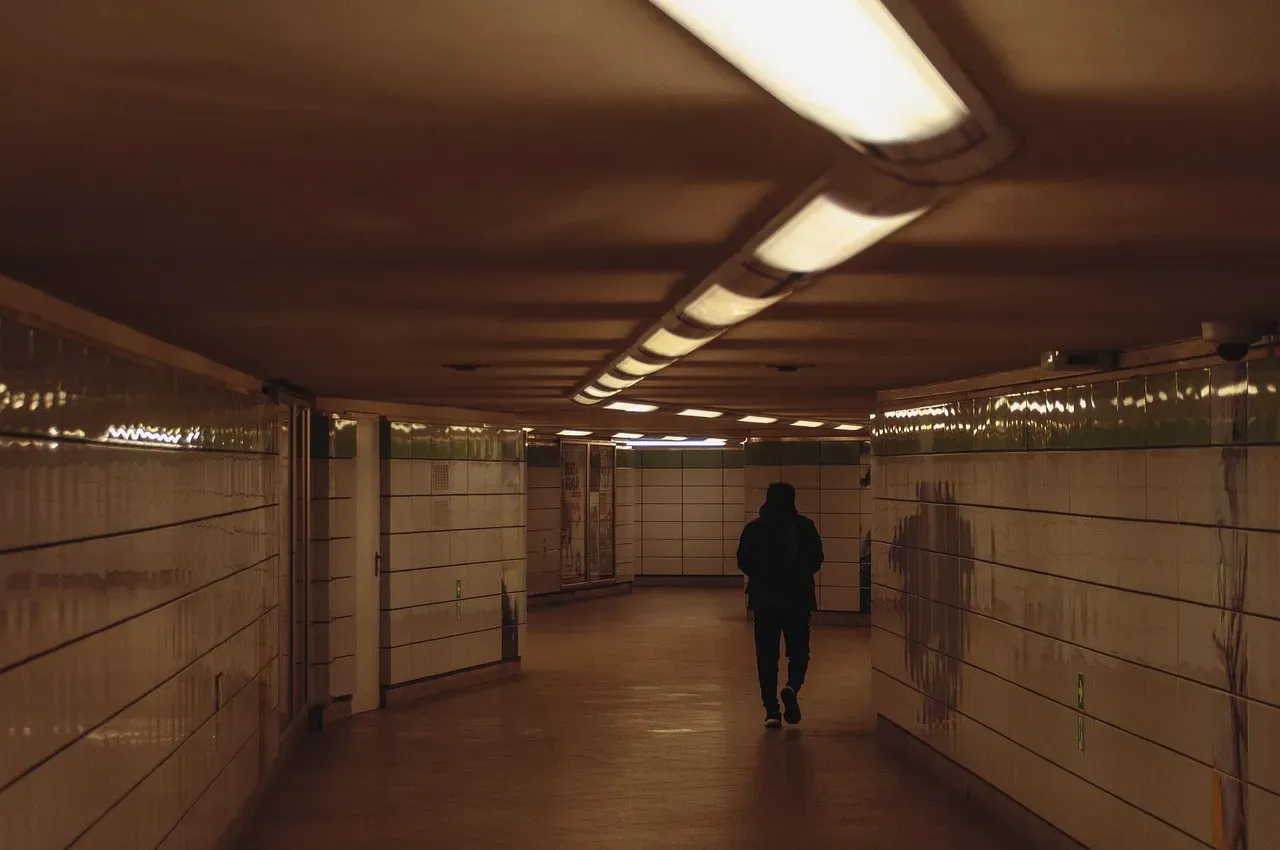
Honestly, this might be the scene that keeps the whole film relevant forever. Of all the songs in the soundtrack, “Heroes” by David Bowie is probably the most significant, as it accompanies the iconic tunnel scene. As Charlie, Sam, and Patrick drive home from a party, “Heroes” comes on the car radio, prompting Sam to have Patrick drive through the Fort Pitt Tunnel so she can stand up in the truck bed. Watching her from below, Charlie confesses to Patrick that he feels “infinite.”
David Bowie’s impact might not have hit the younger generation as prominently without the help of this scene from The Perks of Being a Wallflower in 2012. That’s the strange magic of a well-chosen song in cinema. It converts a stranger into a person you feel like you’ve known forever. Heroes is that song for the characters, but also for the audience. Through choosing such a well-known song, Chbosky allows the viewer not only to see the happiness of the characters, but to share it.
Mental Health on Screen: Ahead of Its Time, or Still Not Enough?

The film depicts Charlie’s struggles with his, unbeknownst to him, post-traumatic stress disorder, as he goes through his journey in high school making new friends. For 2012, that was genuinely brave subject matter for a mainstream teen film. It is gratifying to realize that this film was released in 2012 and remains one of the very few accurate representations of teenage mental illness, sexual assault, drug use, sexual identity, and depression – whereas teenage contemporary dramas of today are still romanticizing and manipulating these aspects.
The film didn’t make teenagers think mental illness is cool; instead, it gave them space to wallow and express how sad, difficult, and strange it is to be a teenager. Rewatching it now, that feels like a meaningful distinction. There’s no glamour in Charlie’s breakdowns. There are scenes that capture feelings rarely represented in cinema. Particularly, there’s a scene where Charlie is breaking down and reexperiencing memories that viewers see in a different lens.
The Tumblr Era, The Cult Classic Status, and What Sticks

The film has since become a cult classic, especially among Zillennials, and helped define the “Tumblr era” in the early 2010s. That’s a specific cultural window, but the film somehow escaped it. It remained culturally sticky online. It became quote-fuel, tattoo text, Tumblr mythology – not because it’s clever, but because it articulates what many people felt in adolescence and couldn’t say out loud.
Rewatch the film today and you’ll notice something: it’s a period piece that doesn’t feel dusty. The clothes and music place it in a specific era, but the emotional mechanics – loneliness, anxiety, the hunger to belong – are not trapped in time. That’s the test every great coming-of-age film has to pass, and this one keeps passing it. In 2025, it was one of the films voted for the “Readers’ Choice” edition of The New York Times’ list of “The 100 Best Movies of the 21st Century.”
The Book Ban Controversy: Still Being Talked About in 2025
You’d think a 1999 novel would have cleared the controversy hurdle by now. Not quite. In 2025, Utah banned the book from all public schools in the state. That’s not a historical footnote. That’s a 2025 headline. In April 2025, the Lukashenko regime in Belarus also added the book to a list of publications whose distribution could harm the national interests of the country.
It’s hard to say for sure what that level of ongoing friction means, but I think it signals something important. Truly safe, inoffensive stories don’t get banned. The fact that this one keeps drawing fire across different countries and different political systems suggests it still hits a nerve. The novel captures many of the struggles of a teenager, and while it can be intense at times, its relatability is what has allowed it to remain a must-read for teenagers 25 years later.
The Ezra Miller Problem: Can You Separate Art from Artist?

This is the most complicated part of rewatching the film in 2026. Miller’s off-screen life has been marred with multiple controversies and legal issues. The real-world behavior between 2020 and 2022 forced many fans to reckon with their affection for Patrick as a character. After a series of resolved 2022 legal issues and grooming allegations that were withdrawn in August 2024 after the accuser publicly admitted they were based on false and recanted information, Miller sought treatment for mental-health challenges.
By 2025, Miller returned to public life, attended the Cannes Film Festival, and began work on a new film with director Lynne Ramsay, collaborating on a new vampire film project and co-writing the script. Whether audiences will fully reconnect with their Patrick remains an open question. The performance itself is still remarkable. One of the most compelling depictions of a gay teenager in film is Ezra Miller’s performance as Patrick in The Perks of Being a Wallflower. This gay best friend got the chance to be a fully rounded character. Separating that from everything else? Much harder in 2026 than it was in 2012.
Does the 90s Aesthetic Actually Hold Up? Here’s the Verdict.
The short answer is yes. The longer answer is that it holds up for reasons that have almost nothing to do with nostalgia. Many of the high school films we see today seem to lack knowledge of the actual teenage experience. They spend too much time trying to be relatable by including random slang, irrelevant pop culture references, and casting actors in their 30s to play teenagers. “Perks” remains one of the greatest coming-of-age films because it does none of those things.
What makes the film so authentic is the yearning for love in the teenage experience. Love is uncategorized in this film and displays all of its varying forms, similar to how Generation Z views it today. And here’s something that still surprises me after all these years: the film holds an 85% approval rate on Rotten Tomatoes, based on 172 reviews, and that number has barely budged. This is not a story about growing up in America in the early 1990s. It’s a story about growing up. Full stop. That’s why it’s still here, and that’s why it’ll still be here long after 2026.
So the real question isn’t whether the 90s aesthetic holds up. It’s why a film set 35 years ago still feels more emotionally honest than most things released last month. What does that say about what we’ve lost? What would you have guessed before pressing play?