


There is something almost surreal about standing in the middle of a California desert and watching it explode with color. Purple, yellow, white, orange. Flowers as far as your eyes can take you. It sounds like a dream, and honestly, the first time you witness it, you’ll think you’ve stumbled onto another planet.
The problem? So has everyone else. Tens of thousands of people, bumper-to-bumper traffic, and overflowing parking lots have become just as much a part of the superbloom experience as the flowers themselves. But it doesn’t have to be that way. There are entrances, trails, and pockets of this desert that most visitors never find. Let’s dive in.
What Actually Makes a Superbloom Happen
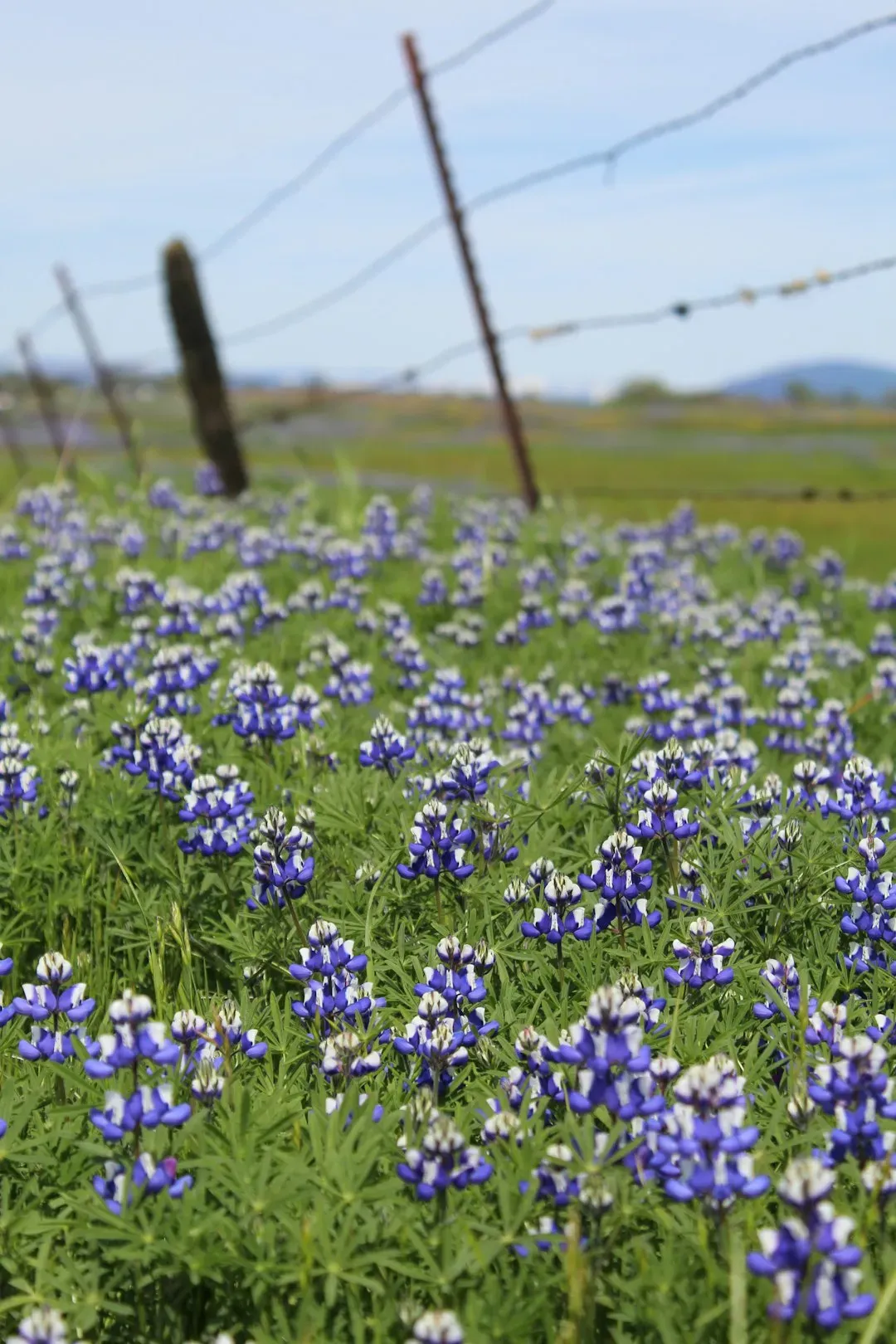
Let’s be real, the superbloom is not a scheduled event. It’s more like a rare gift that the desert reluctantly offers when all the stars align. Superblooms happen when a delicate balance of sunshine, temperature, wind, and rainfall occurs during the fall and winter months, resulting in an unusual number of wildflowers all blooming at the same time.
The seeds behind this spectacle are nothing short of remarkable. The seeds can remain dormant for years, waiting for the right conditions to germinate and bloom in unison. With high winter precipitation, seed dormancy is released, and a high density of plants emerge and are able to establish and mature. If conditions remain favorable, they produce flowers and seed-producing fruits throughout the spring.
The winter of 2024 was marked by the meteorological phenomenon known as El Niño, which usually brings cold, wet winters to California and the Southern U.S. The unusually high precipitation levels resulted in a spring superbloom in Southern California. It’s hard to say for sure how future years will compare, but weather forecasters have noted continued variability in California’s winters as a key factor in bloom intensity.
Anza-Borrego: California’s Largest Desert Stage
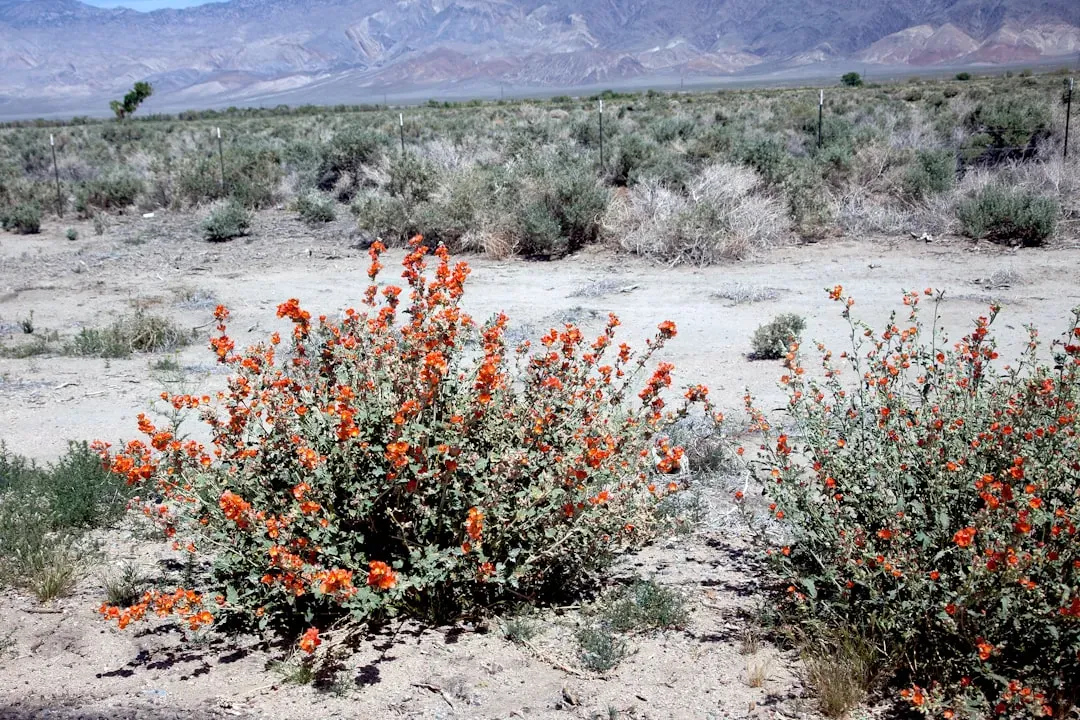
Anza-Borrego Desert State Park, located in Borrego Springs, is the largest state park in California. It is known for its rugged badlands, slot canyons, diverse wildlife, and stunning seasonal desert wildflowers. Think of it like a giant theater, where the performance changes every single year and nobody hands out programs.
This magnificent outdoor playground just two hours east of San Diego sports hiking trails, campgrounds, waterfalls, Desert Bighorn sheep, and wildflower preserves. Though the bloom officially begins halfway through February, mid-March is typically the best time to see the spectacle of color carpeting the desert floor.
With 92 different plant families, 346 genera and hundreds of flowering species, there is quite a variety of flora to discover. That diversity is part of what makes this place special. You can walk a half mile and go from a carpet of sand verbena to a hillside dusted with brittlebush, each turn delivering something new.
The Crowd Problem Is Very Real
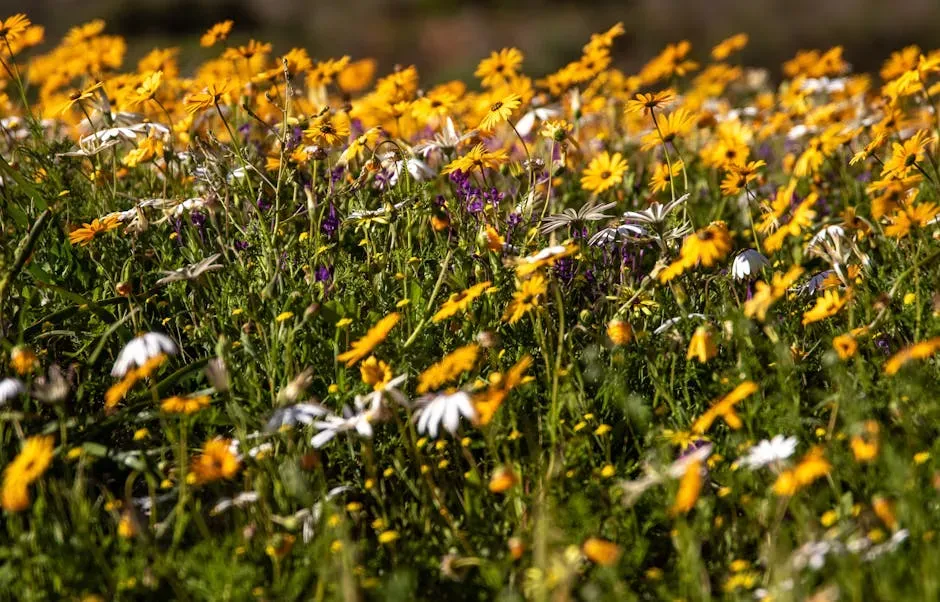
Here’s the thing about a superbloom going viral on social media. It transforms a quiet desert refuge into something resembling a stadium parking lot on game day. During a superbloom, weekends can see traffic jams stretching for miles, parking lots overflowing, and trails swarming with people. That’s not an exaggeration.
With increased numbers of visitors swarming, superblooms can put a strain on rural areas with limited facilities. In fact, for 2023 and 2024, Lake Elsinore actually banned all visitors and parking at its popular Walker Canyon for wildflower season due to the extreme crowds seen in 2019. That’s a popular spot just closing its gates entirely.
California wildflower blooms are known to receive an enormous amount of attention and attract over a million visitors to natural areas such as Lake Elsinore, the Antelope Valley Poppy Reserve, Death Valley National Park, Anza-Borrego Desert State Park, and the Carrizo Plain National Monument. Over a million visitors chasing a fragile ecosystem. You can already picture the damage.
The Secret Entrance: Coyote Canyon Over Henderson Canyon Road
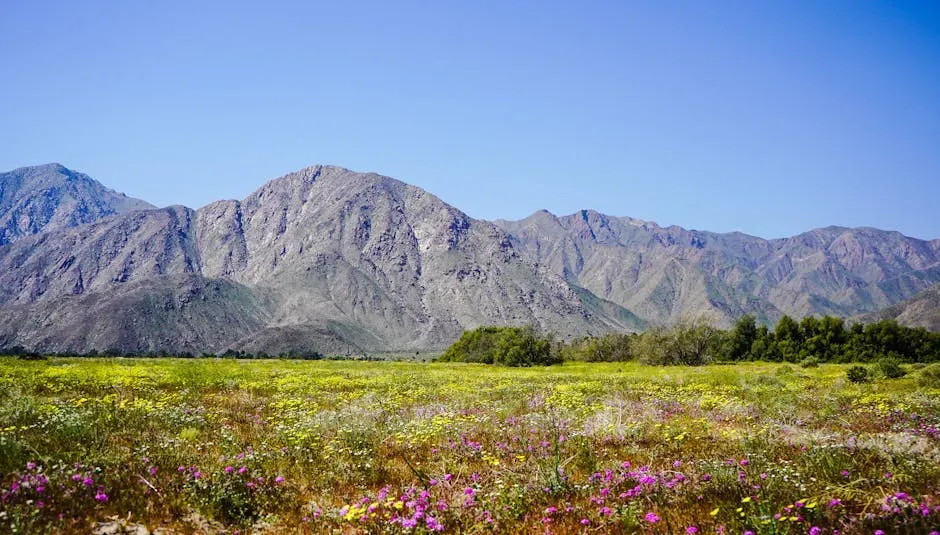
Most visitors pour straight into Henderson Canyon Road, which is paved, accessible, and relentlessly crowded during peak bloom. The real secret is Coyote Canyon. Situated just outside the desert town of Borrego Springs, the Coyote Canyon Wildflower Viewing Area is a stunning part of Anza-Borrego Desert State Park. This location is distinctive for its vibrant spring wildflower blooms that transform the arid desert landscape into waves of color. Coyote Canyon itself is a natural dry canyon carved through the desert terrain, featuring expansive areas where wildflowers flourish after seasonal rains.
Visitors can enjoy quiet solitude compared to busier bloom locations further north, making it appealing for those who appreciate peaceful natural settings. I think that quiet solitude is genuinely priceless when you’re trying to absorb something this beautiful without someone’s selfie stick in your face. To reach the Coyote Canyon Wildflower Viewing Area, visitors should take the S-22 east from Borrego Springs and turn left onto DiGiorgio Road.
If you seek solitude and own a high-clearance 4WD, head up Coyote Canyon to enjoy the best of what Anza-Borrego has to offer. The prickly flora is exploding with color, the seasonal stream is flowing, and the butterflies are everywhere. It honestly feels like a scene from a nature documentary. Just slower. Quieter. More yours.
The Badlands: Another Hidden Gem Most Visitors Miss
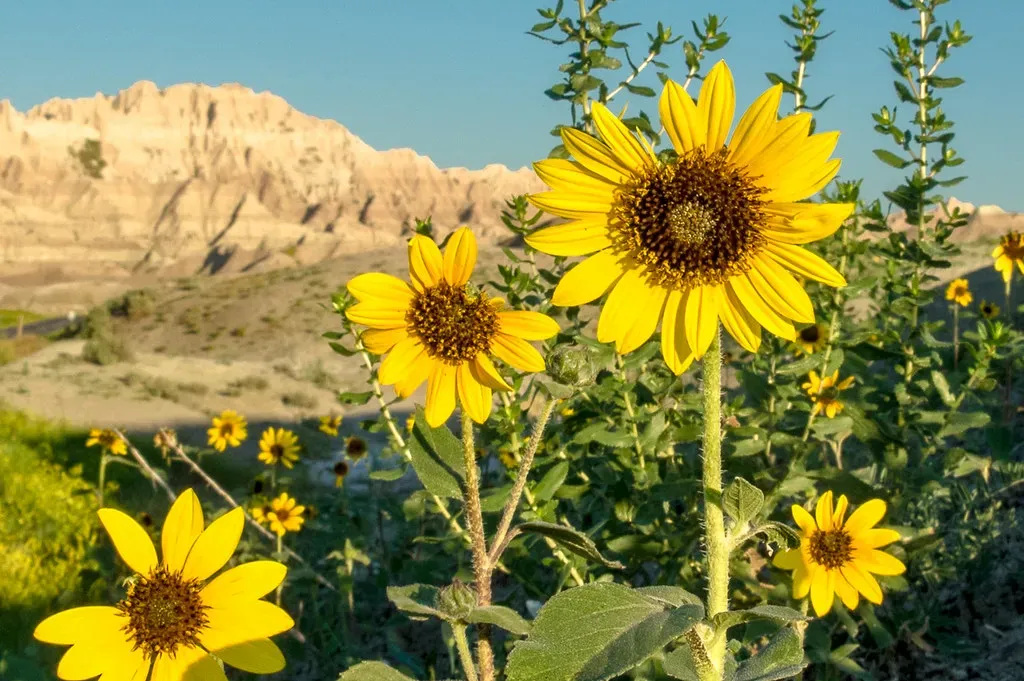
While everyone rushes to the famous lower-elevation spots, the Badlands area of Anza-Borrego sits quietly waiting to be discovered. The Badlands are currently at peak bloom, and this is one of the most unique wildflower experiences in the Park. That’s a remarkable endorsement from the Anza-Borrego Foundation, and most visitors scrolling Instagram have no idea this area even exists.
The Badlands area, including San Felipe Wash, Inspiration Wash, Cut Across, Short Wash, and Fonts Point, should still offer flowers even as other areas begin thinning. Think of the Badlands as the slow-burn sequel after the main show. From the higher elevation of Blair Valley to the otherworldly expanse of the Badlands to the Arroyo Tapiado Mud Caves, there is so much to explore.
Hellhole Canyon is another trail worth knowing about. Hellhole Canyon, next to Palm Canyon, may be less crowded. A bit less traveled, but wildflowers can be found here as well. If crowds are large in more popular spots, you may find a quieter viewing experience in these southern sections. Honestly, that quieter experience is worth more than any perfectly curated Instagram post.
Timing Is Everything. Arrive at Dawn.
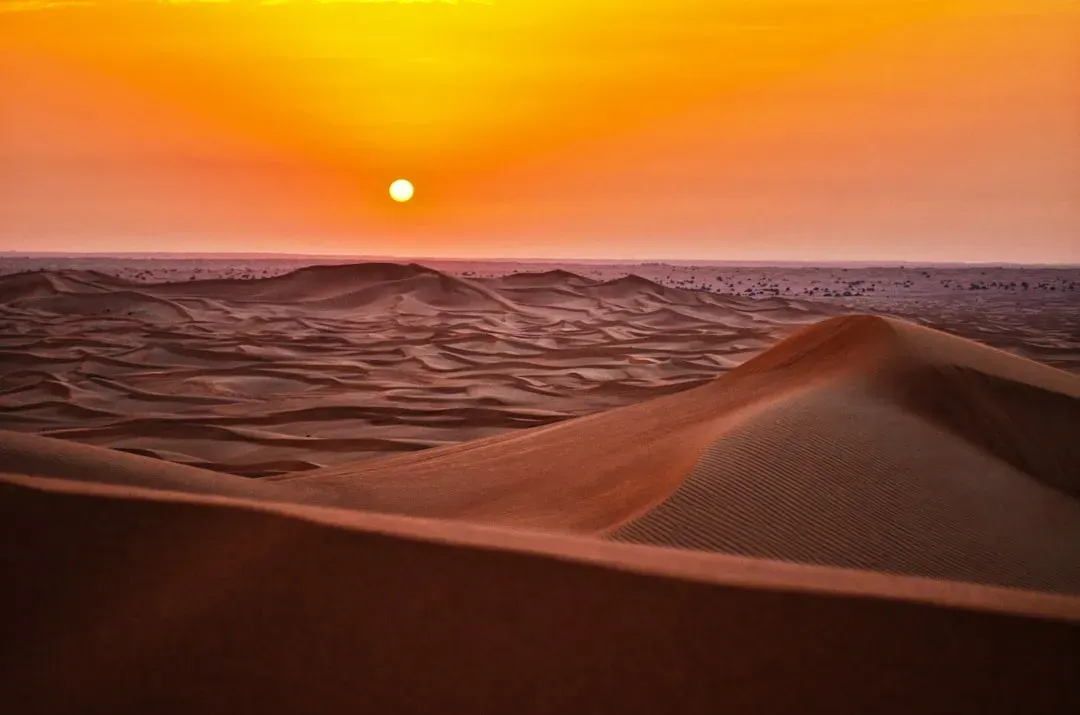
The single most effective way to dodge the crowds is to get there before most people have finished their morning coffee. When you’re one of the first visitors of the day at a spot like Anza-Borrego, you’ll be able to roll through the dusty, one-lane roads with no problem before big crowds arrive from the town of Borrego Springs by noon.
Visiting in the morning also means more flowers to see, since some species close up in the afternoon swelter. That’s a detail most people don’t know. Many desert flowers are literally open for business only in the cooler morning hours. Go early, see more. Simple as that.
Early morning light also reveals dew on petals, while late afternoons bring rich, warm colors. For photographers especially, this is not advice to ignore. The golden hour in a superbloom desert is something you genuinely want to see at least once in your life. Plan around it rather than stumbling into it.
Don’t Destroy What You Came to See
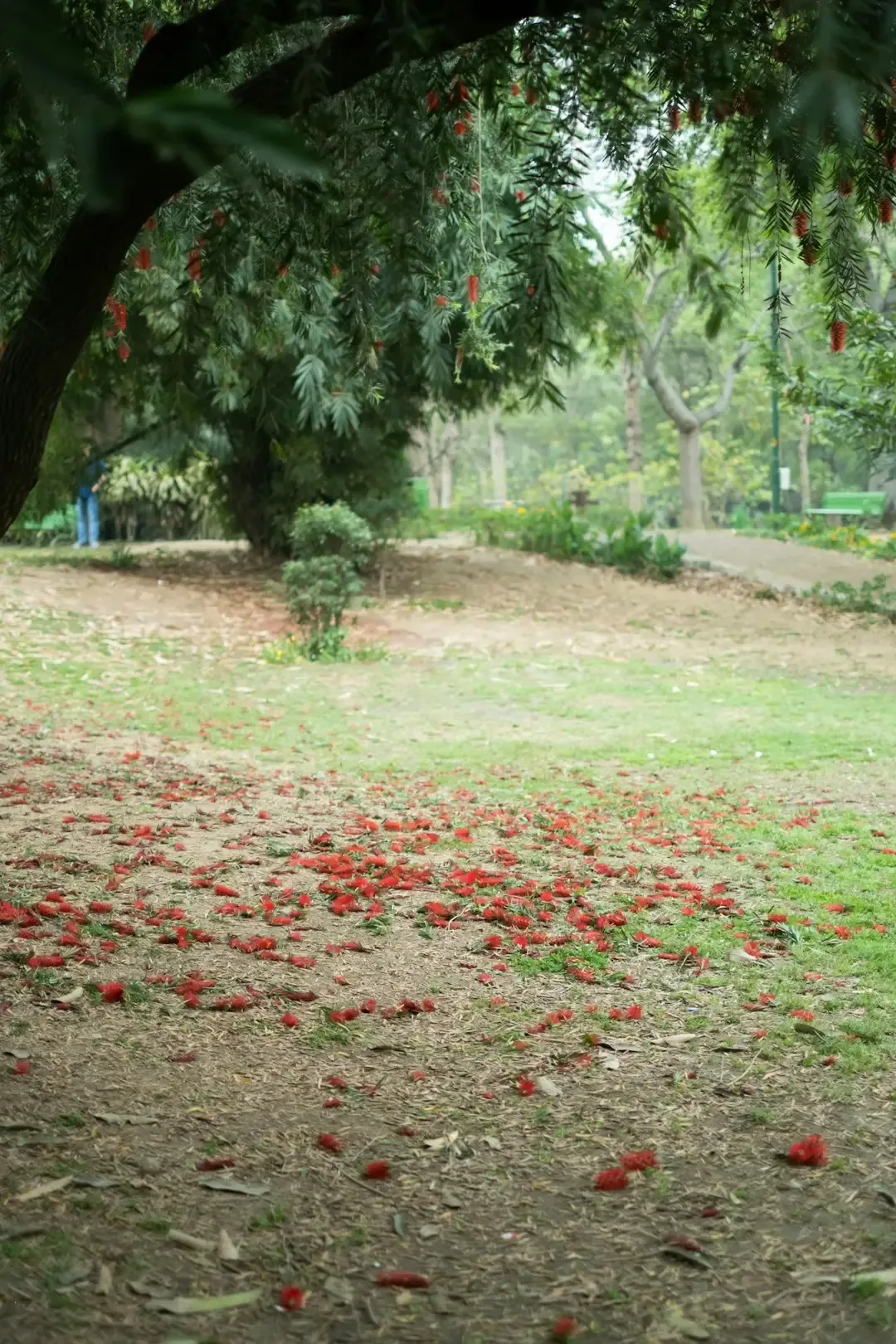
Here’s the uncomfortable truth about superbloom tourism. The crowds that come to celebrate these flowers are often the same force quietly destroying them. It might seem that one person’s footprints would barely leave a mark in this huge park, but multiply one pair of feet by tens of thousands of often-careless visitors and you end up with a completely destroyed landscape.
Wildflowers are fragile and we can kill the plants by trampling on them. Experts always recommend that people observing wildflowers walk around the plants or on designated trails; the popular habit of lying in the plants for a photograph will damage the plants beneath and should be avoided. That viral photo lying in a field of poppies? It’s killing the flowers under you. Worth reflecting on.
Do not walk through the flowers as this threatens future blooms and prevents wildflowers from seeding. When crowds don’t obey the rules and respect the environment, the superbloom sites close. That’s not a threat. That’s already happened. More locations will follow if behavior doesn’t change.
The Bloom Fuels the Desert Economy. But It’s a Fragile Deal.
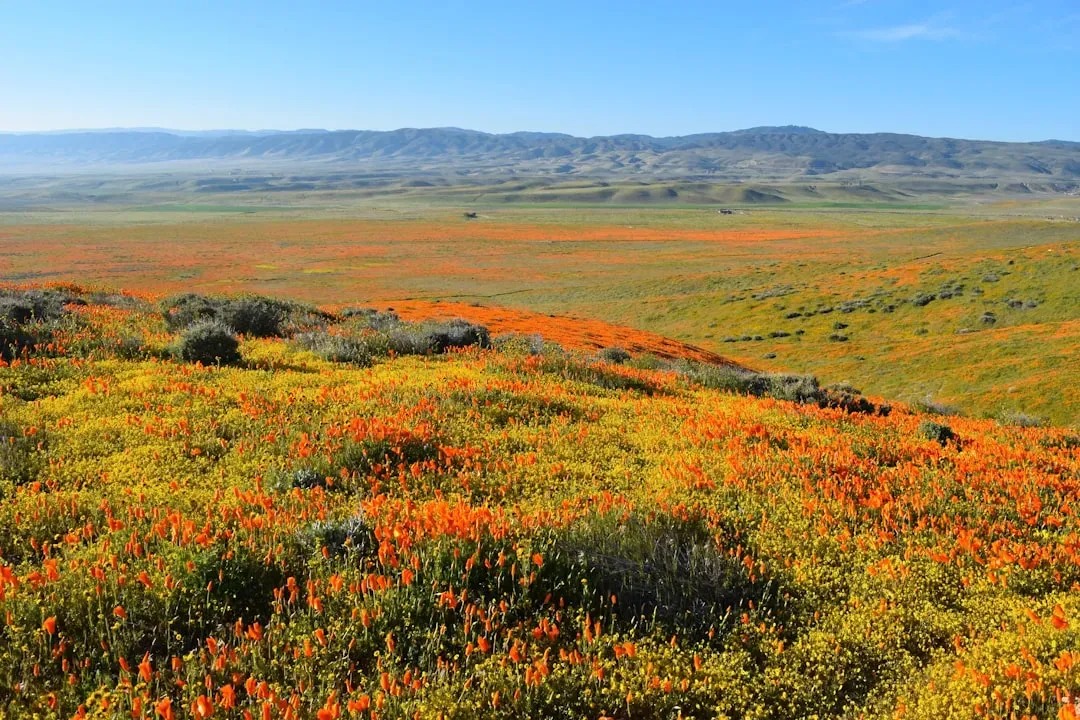
The superbloom isn’t just beautiful. It’s economically vital to a string of small desert communities that depend on seasonal visitors. In 2024, travel spending in California reached $157.3 billion, a 3.0% increase from $152.7 billion in 2023. That statewide figure reflects a broader boom in California nature tourism, with desert regions benefiting significantly during bloom seasons.
The Greater Palm Springs region, which sits adjacent to the bloom zones, has seen dramatic growth. Direct visitor spending in 2022 generated a total economic impact of $8.7 billion in Greater Palm Springs including indirect and induced impacts. This total economic impact sustained more than 49,000 jobs and generated $812 million in state and local tax revenues. Numbers like that make it clear why local communities care deeply about keeping the bloom accessible, and alive.
Still, the tension between economic gain and ecological protection is real. Weather experts are forecasting the best superbloom in a decade in spring 2026, which means even more visitors will arrive. The economic windfall and the ecological risk will arrive together. How communities and visitors manage that balance may determine whether future generations get to experience what we have.
Conclusion: Go. But Go Differently.
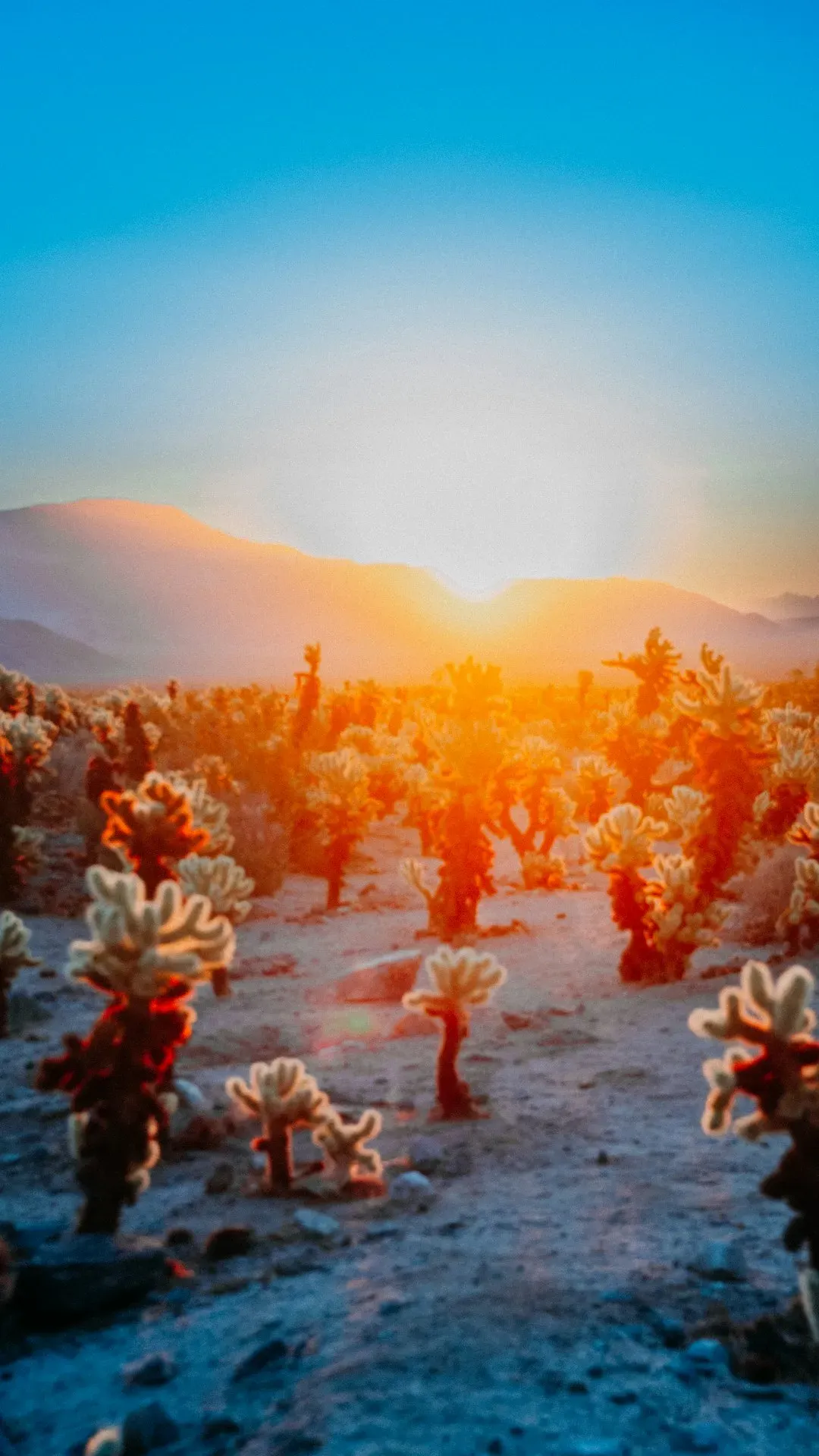
The California desert superbloom is one of those rare natural events that genuinely changes how you see the world. A landscape that looks parched and dead for years suddenly roars back to life with colors that seem physically impossible in such an arid place. It’s stunning. It deserves your attention. But it also deserves your respect.
Skip the paved main roads on a Saturday afternoon. Drive out to Coyote Canyon at dawn. Wander into the Badlands when everyone else is stuck in traffic near Henderson Canyon Road. Stay on the trail. Leave the flowers exactly as you found them.
The secret entrance to the superbloom isn’t just a road or a trailhead. It’s a mindset. Go early. Go quietly. Go somewhere most people won’t bother to find. The desert will reward you for it. What would you rather remember: standing shoulder to shoulder in a traffic jam, or watching the sun rise over a field of desert lilies completely alone?


