
Climate anxiety is real. Droughts scorching the West, floods swallowing neighborhoods in the South, the gut-punch of watching your region’s water supply shrink year after year – it’s enough to make anyone want to pack up and start fresh somewhere “safer.” And a growing number of Americans are doing exactly that.
Buyers are more sensitive to climate risk than today’s sellers might realize. According to a report by Zillow, roughly four out of five buyers have considered at least one climate risk when entering the real estate market. The idea of a “water-safe” state, somewhere in the Midwest or Northeast with reliable rainfall and no parched reservoirs, sounds like a dream. Honestly, I thought so too. But moving doesn’t guarantee what you think it does. Here’s what I wish someone had told me before I signed anything.
1. “Water-Safe” Is a Moving Target – No State Is Truly Immune
Let’s start with the hardest truth. The notion that you can simply relocate to safety and breathe easy is, at best, incomplete. The climate is shifting, and homeowners are feeling the impact. According to a 2024 Housepower Report, nearly three in ten homeowners ranked extreme weather preparedness as a top concern, up from the year prior, reflecting growing anxiety around climate-related risks.
In 2024, nearly half of U.S. homes faced at least one type of severe climate risk. These events not only pose a real threat to homeowners, but they also drive up insurance costs and put pressure on home values and maintenance budgets. Think about that for a second. Nearly half. That’s not a regional problem. That’s a national one.
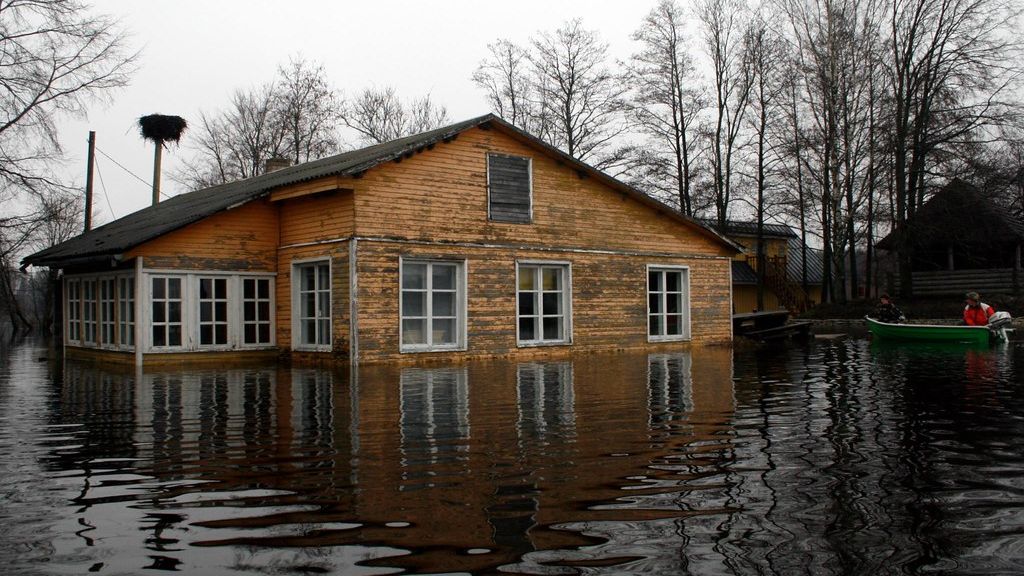
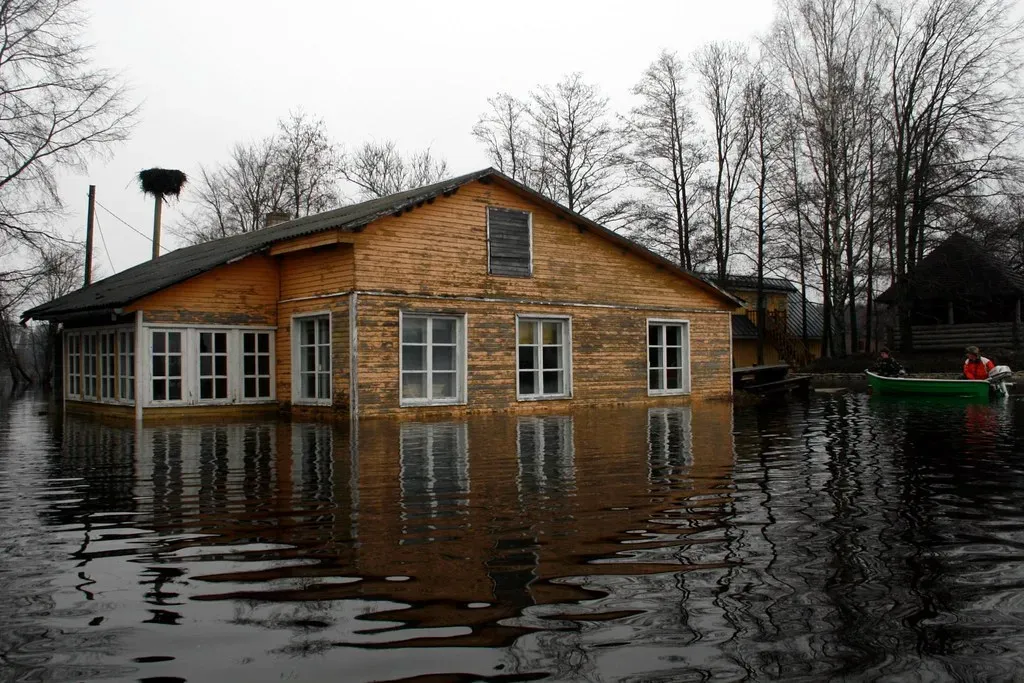
Flooding emerges as the primary threat across regions, with most climate-safe cities identifying flooding as their main natural disaster risk, requiring comprehensive water management and infrastructure planning. Even places celebrated as “climate havens” are dealing with it. The Midwest isn’t magically dry and calm. It just trades one risk for another. I know it sounds crazy, but the safest thing you can do is go in with eyes wide open, not a fantasy.
2. Your Insurance Bill in the New State May Still Shock You
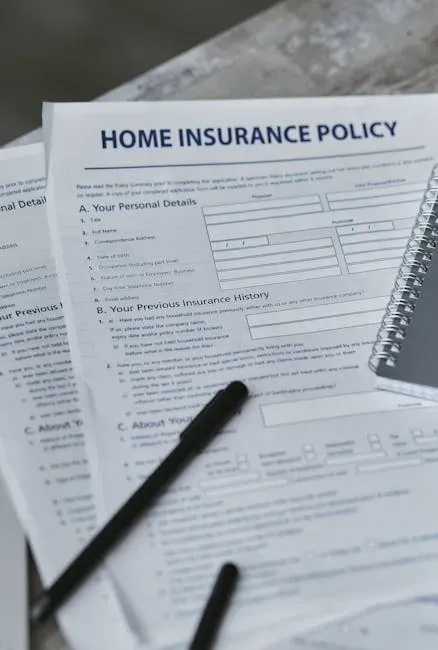
Here’s the thing that caught me completely off guard: insurance costs are rising everywhere, not just in the places people are fleeing. The average cost of homeowners insurance in the U.S. is about $2,400 annually, according to Bankrate. In 2020, the most common type of home insurance policy cost about $1,300 a year on average. The increase is straining household budgets.
Analysts estimate that the average cost of a homeowner’s policy nationally has risen between 30 to 40 percent in the last five years, more in high-risk states such as Florida, where the average premium increased by $1,450 between 2020 and 2023. Moving away from Florida doesn’t make you immune to the national trend, either. Industry forecasts show premiums rising between 3% and 8% nationwide, with the steepest hikes expected in Midwestern states that have suffered hail and tornado damage from big convective storms.
About 14% of owner-occupied homes are uninsured nationwide, and the number jumped more than 6% from 2023 to 2024 as rising insurance costs accounted for a greater share of household income. In addition to raising prices, insurers have pulled back from offering policies in some of the riskiest areas. It’s a squeeze happening from all directions. Moving to a “safer” state does not mean escaping the financial pressure that climate change is putting on the insurance market.
3. Your New “Climate Haven” May Not Be Ready for You – or Anyone Else Arriving
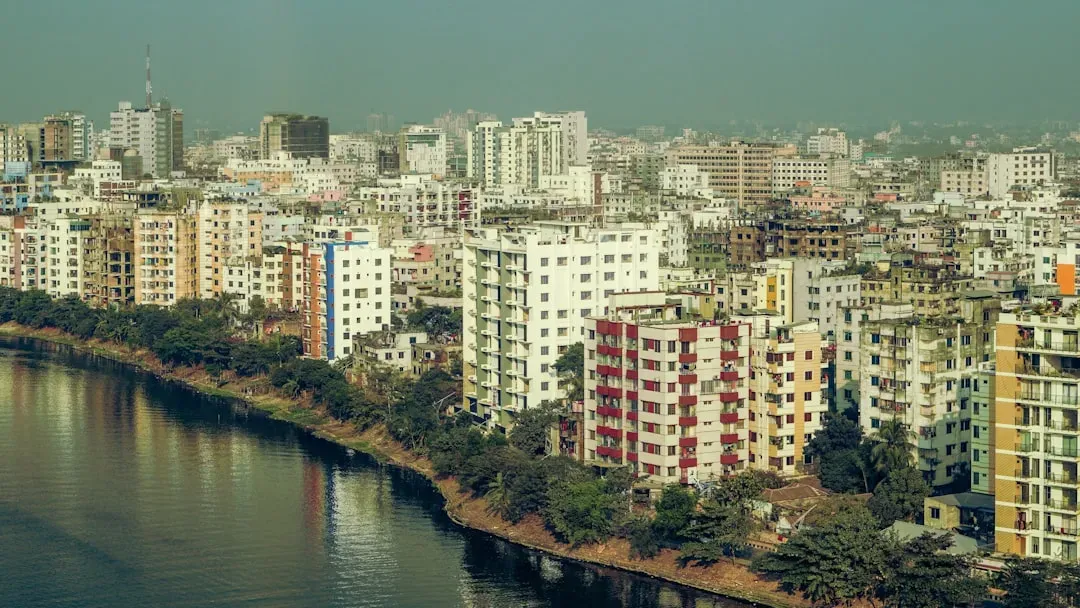
So you’ve done your research. You’ve picked a city in the Midwest or Northeast that checks the boxes: freshwater access, lower disaster risk, maybe even a reasonable cost of living. The problem? Thousands of other people are thinking the exact same thing right now.
Major hubs in coastal Florida, Texas, New York, and Louisiana were driving forces behind a national net outflow. Miami-Dade County, where over one-third of homes face high flood risk, saw tens of thousands more people move out than in, the largest net outflow among the high-flood-risk counties analyzed by Redfin. That tide of people has to land somewhere.
As the South becomes hotter and more climate-vulnerable, migrants could relocate to more resilient regions such as the Midwest and its legacy cities like Duluth and Cincinnati. These post-industrial cities could be better suited for climate migration due to vacant housing stock and access to fresh water, and are sometimes called “climate havens.” Sounds promising, right? Here’s the catch. Even though there’s a general idea of where climate migrants might go, receiving communities are largely unprepared for new arrivals. Many of these cities currently underinvest in housing, infrastructure, and other public needs, and population growth could easily lead to overcrowding, gentrification, displacement, and economic insecurity.
In other words, you might arrive in your dream city and find that housing is already getting more expensive because everyone else had the same idea. It’s like rushing to a concert thinking you’ll get a front-row seat, only to find the line already stretches around the block.
Final Thoughts
Moving to a “water-safe” state is not a bad decision. Honestly, for many people facing real and escalating climate risks, it may be one of the smartest financial and personal choices they can make. As one researcher has described it, the U.S. may be approaching the largest domestic migration in the country’s history, with extreme heat, sea-level rise, and natural disasters set to displace millions of Americans over the next 50 years.
The point isn’t to scare you away from moving. The point is to plan smarter. No zip code is a perfect shield. Identifying climate-resilient places requires weighing not just disaster risk, but also insurance costs, cost of living, and housing market trends to ensure a choice reflects both climate resilience and everyday practicality. Research your flood maps, talk to local insurers before you close, and understand what infrastructure the receiving community actually has in place.
The American dream of a fresh start is real. Just make sure the fresh start comes with a realistic plan, not just a hopeful label. Did you expect your “safe” destination to come with so many fine-print surprises?