
There is something deeply personal about surviving a cold that the news calls a weather event but your body calls something else entirely. You don’t forget the sound of pipes splitting in the walls, or the moment your phone battery dies in a house that has gone dark and cold at the same time. That’s where this story lives, right at that intersection of personal reckoning and collective failure.
The winters of 2025 and early 2026 hit communities across North America with a particular kind of cruelty. Not just cold, but a cold that exposed every gap in how we live, who we trust, and what we refused to prepare for. Let’s get into it.
The Arctic Isn’t Staying Up There Anymore
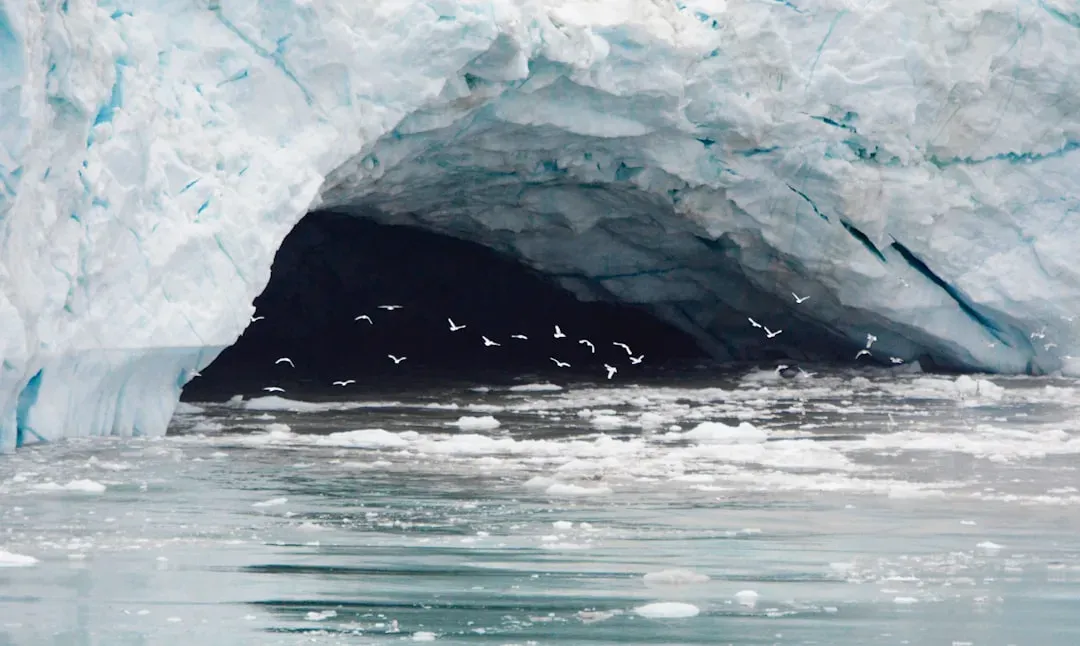
Here’s the thing most people don’t realize until they’re already freezing: the Arctic is no longer a distant, contained system. The polar vortex is a large area of low pressure and cold air near the poles. When it is strong and stable, it keeps cold air locked in the Arctic. When it weakens or is disrupted, as seen in late 2025, it allows frigid air to spill southward into Canada and the USA, causing severe cold snaps.
New research published in Communications Earth and Environment suggests that the Arctic has warmed nearly four times faster than the global average over the past four decades. That’s not a typo. Four times. Honestly, when I first read that number, it felt impossible. But impossible has become the new normal.
The Arctic continues to warm faster than the globe overall, and in 2024, for the eleventh year in a row, Arctic temperature anomalies were higher than the global average. That runaway heat up north is directly connected to the cold chaos felt down south. A warmer Arctic is paradoxically making our winters more dangerous, not less.
The Polar Vortex of 2025 to 2026 Was Not an Anomaly
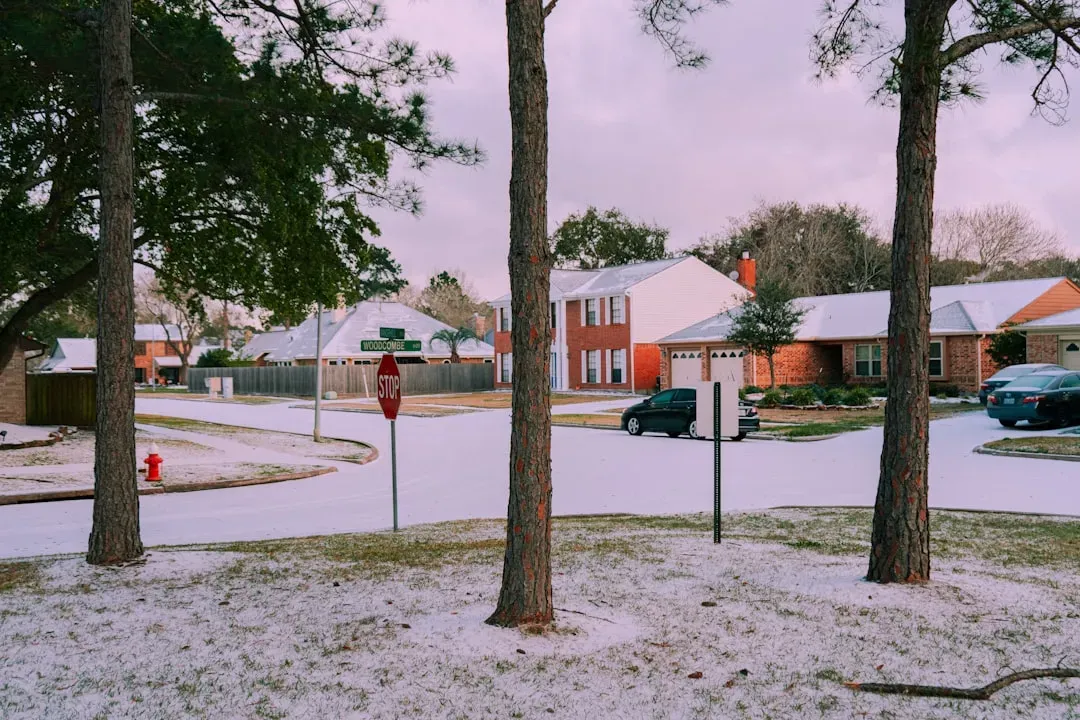
The January to February 2026 North American cold wave was an extreme weather event that brought bitterly cold temperatures to the majority of the North American continent, particularly Canada, the United States, Mexico, and Central America during the second half of January through early February 2026. The reach of the cold temperatures extended far across the continent, reaching as far south as Belize. It was caused by a southward migration of the polar vortex, following a sudden stratospheric warming event at the start of 2026.
Disruptions to the polar vortex often encourage cold snaps and severe winter storms, which just so happens to be the case of the 2025 to 2026 season. With a notable increase in instability throughout the Arctic region, the polar vortex is under a tremendous amount of strain, which is causing a higher risk of splitting and weakness.
As far back as October 2025, changes in the Arctic and low sea ice were setting up conditions for the kind of stretched polar vortex that brings severe winter weather to the U.S., according to winter weather expert Judah Cohen, an MIT research scientist. The warning signs were there. Months in advance. Most neighborhoods were still looking the other way.
Lesson One: The Cold Kills Faster Than You Think
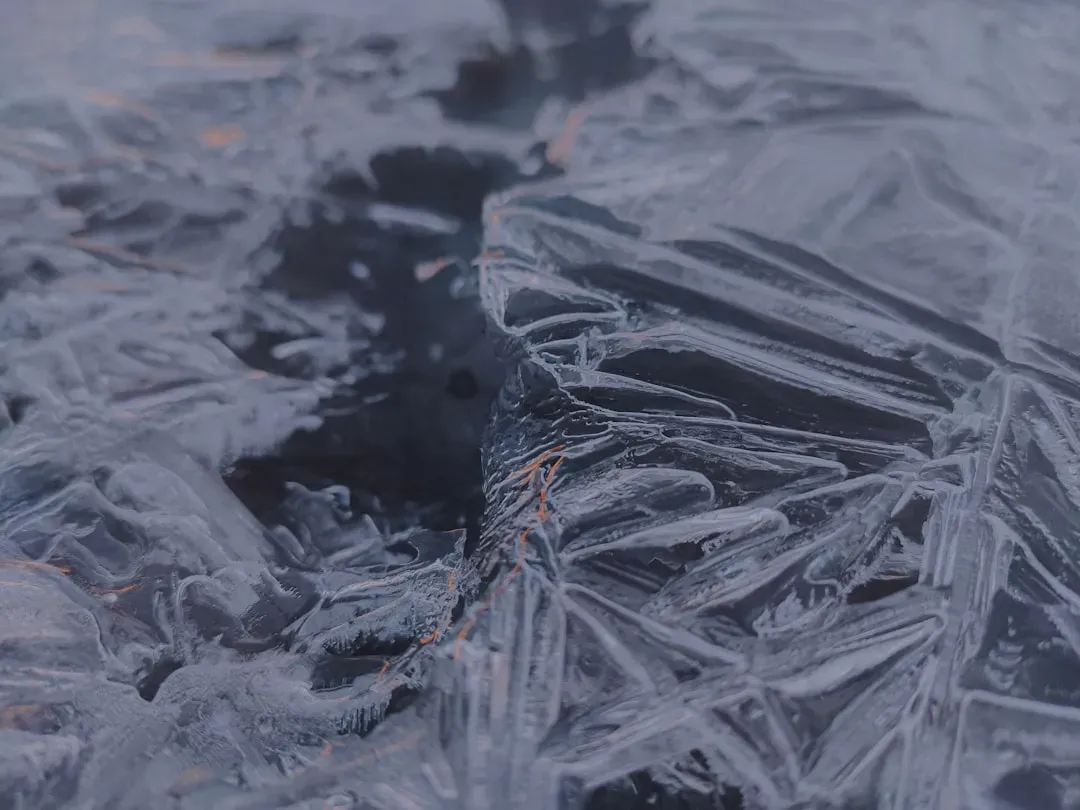
The human body is remarkably resilient, but it is ill-equipped to handle prolonged exposure to the extreme cold without protection. The two most immediate dangers during a cold snap are frostbite and hypothermia. Understanding the difference between these two conditions and recognizing their symptoms is vital for survival.
Let’s be real, most people in warm or moderate climates have no working mental model of how quickly cold becomes lethal. Frostbite can occur within a matter of minutes during extremely cold temperatures if exposed skin is improperly protected. Hypothermia is caused by prolonged exposure to very cold temperatures and occurs when a person’s body temperature drops below 96 degrees Fahrenheit. While hypothermia is most likely to occur at very cold temperatures, it can also occur at cool temperatures above 40 degrees Fahrenheit if a person becomes chilled from rain, sweat, or submersion in cold water.
On January 26, cold temperatures in Quebec led to power outages, during which two were found dead in Montreal. A 51-year-old man died from cold exposure in Des Moines. Additionally, a 19-year-old college student was found dead in Ann Arbor, Michigan, after going missing without a coat in frigid conditions. These weren’t statistics in the abstract. These were people who underestimated the cold by a margin that cost them everything.
Lesson Two: The Power Grid Is More Fragile Than Anyone Admits
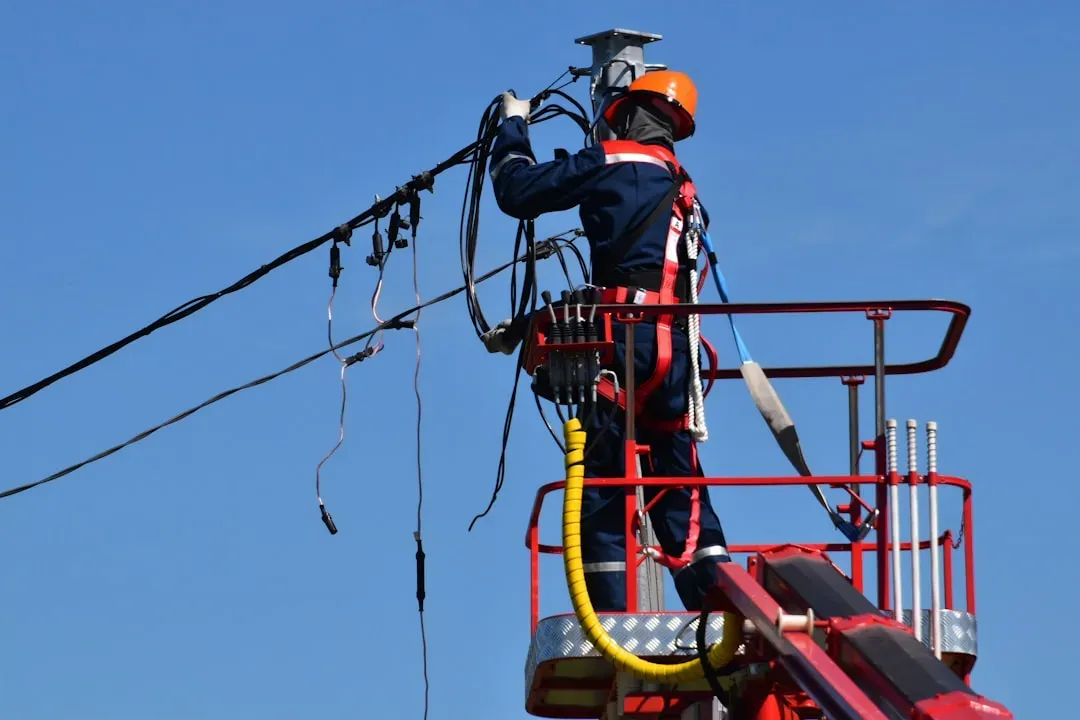
My neighborhood lost power for nearly three days. No heat. No stove. No way to charge phones. And we weren’t alone. The intensity, duration, and geographic spread of the winter blast could have major consequences, from sustained power outages to transportation snarls and widespread business closures.
Texas is the most infamous case study, but it keeps being ignored. The 2021 storm was directly responsible for nearly 10 million people losing power, with roughly half in the U.S. and half in Mexico. A third winter storm caused an additional 4 million power outages and 29 deaths. At least 246 people lost their lives during those winter storms.
Following that disaster, the North American Electric Reliability Corporation made several recommendations for upgrading Texas’s electrical infrastructure to prevent a similar event in the future, but these recommendations were ignored due to the cost of winterizing the systems. The blackouts and failures were likened to those that occurred in December 1989, after which similar recommendations were made and similarly ignored. History repeated itself. Twice. Maybe more, if we keep looking away.
Lesson Three: Vulnerable Neighbors Pay the Highest Price
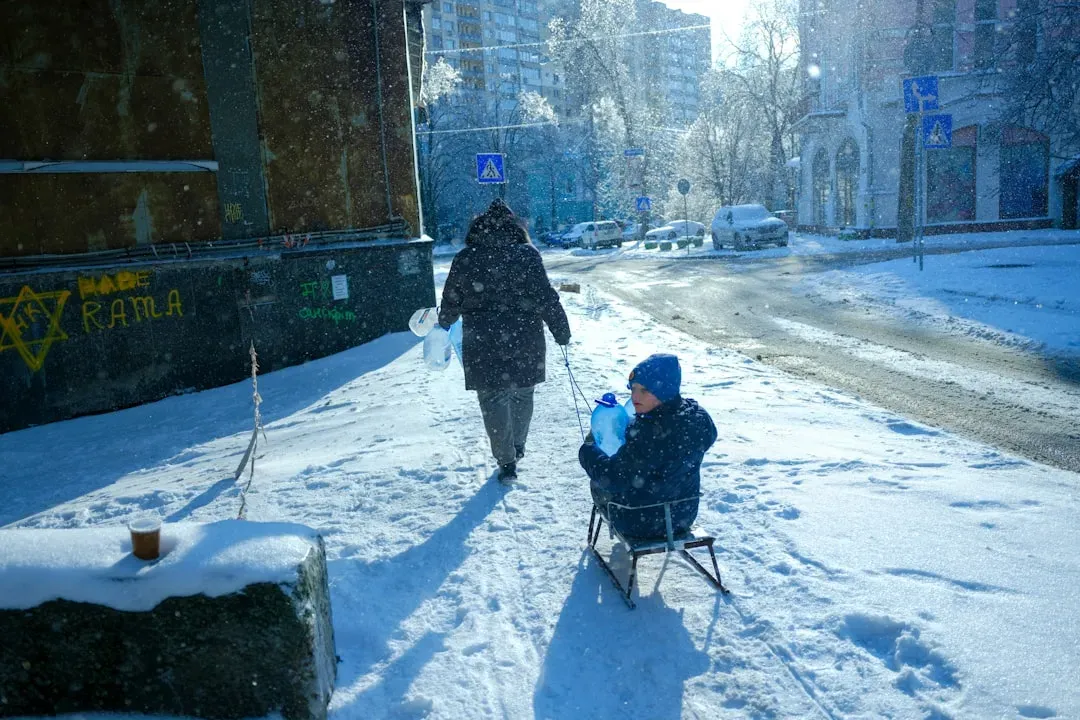
It’s uncomfortable to say out loud, but the cold does not distribute its harm equally. The same frigid week feels completely different depending on whether you have a backup generator, a well-insulated home, or a health condition that makes your body less able to regulate temperature. Winter storms put older adults, children, sick individuals, and pets at greater risk.
A peer-reviewed study published in 2025 confirmed that people experiencing homelessness are at high risk of frostbite, cold injury, and hypothermia, especially in urban areas. This wasn’t new knowledge. Communities just hadn’t built systems that matched what the research was already clearly saying.
In 2024, the vast majority of First Nations people living off reserve, Métis, and Inuit reported experiencing an extreme weather event or natural disaster in their lifetime that caused a severe disruption to their daily activities. Among Métis and Inuit, the extreme weather event that caused the most severe disruption in their lifetime was a winter storm, followed by extreme cold. These communities face weather disasters with far fewer safety nets, and that gap is not closing fast enough.
Lesson Four: Most Households Are Not Prepared, Not Even Close
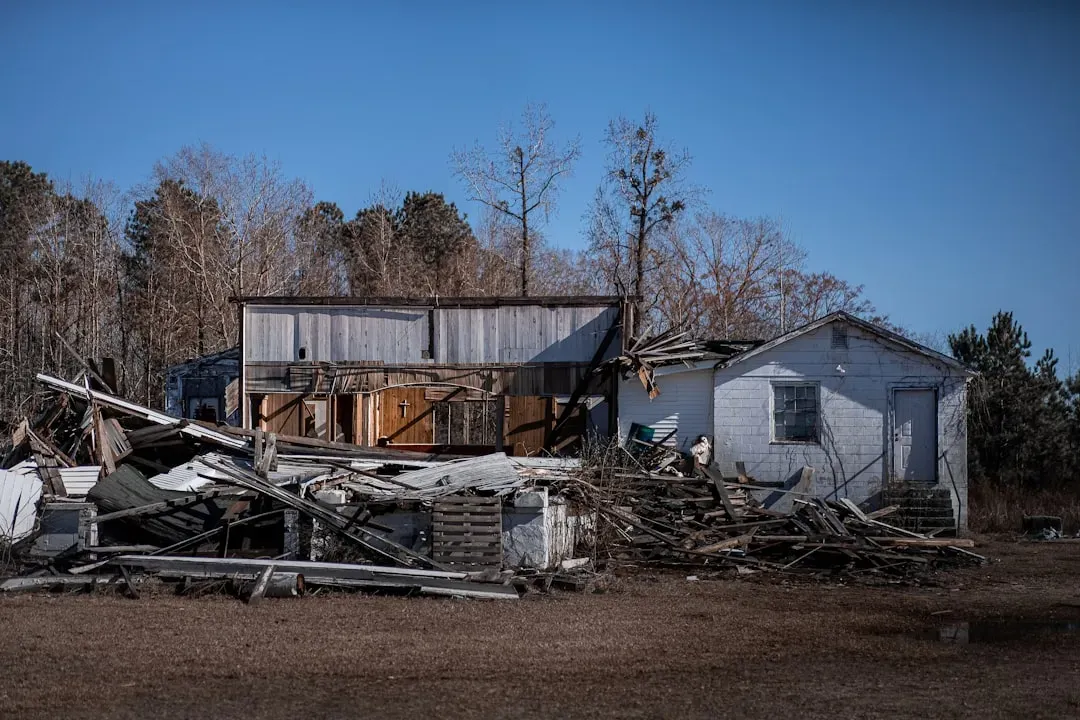
Here’s a number that stopped me cold, no pun intended. FEMA’s 2023 National Household Survey found that roughly half of adults believed they were prepared for a disaster, which is a 9 percent increase in preparedness perception from 2017. Perception is doing a lot of heavy lifting in that sentence. Believing you are prepared is not the same as being prepared.
When asked to rate their own level of preparedness for an extreme weather event or natural disaster, only about one in five First Nations people living off reserve, Métis, and Inuit said that they were extremely or very prepared. Just over one-fifth of Inuit living inside Inuit Nunangat reported a high degree of preparation, while the share among Inuit living outside was even lower.
Preparing your home means insulating it, caulking, and adding weather stripping to keep out the cold. Learning how to keep pipes from freezing is essential. Installing and testing smoke alarms and carbon monoxide detectors with battery backups matters enormously. Gathering supplies in case you need to stay home for several days without power is something most households skip entirely. These aren’t exotic preparations. They’re basic. Still, most people skip them every single year.
The Science of Why Cold Snaps Are Getting Stranger
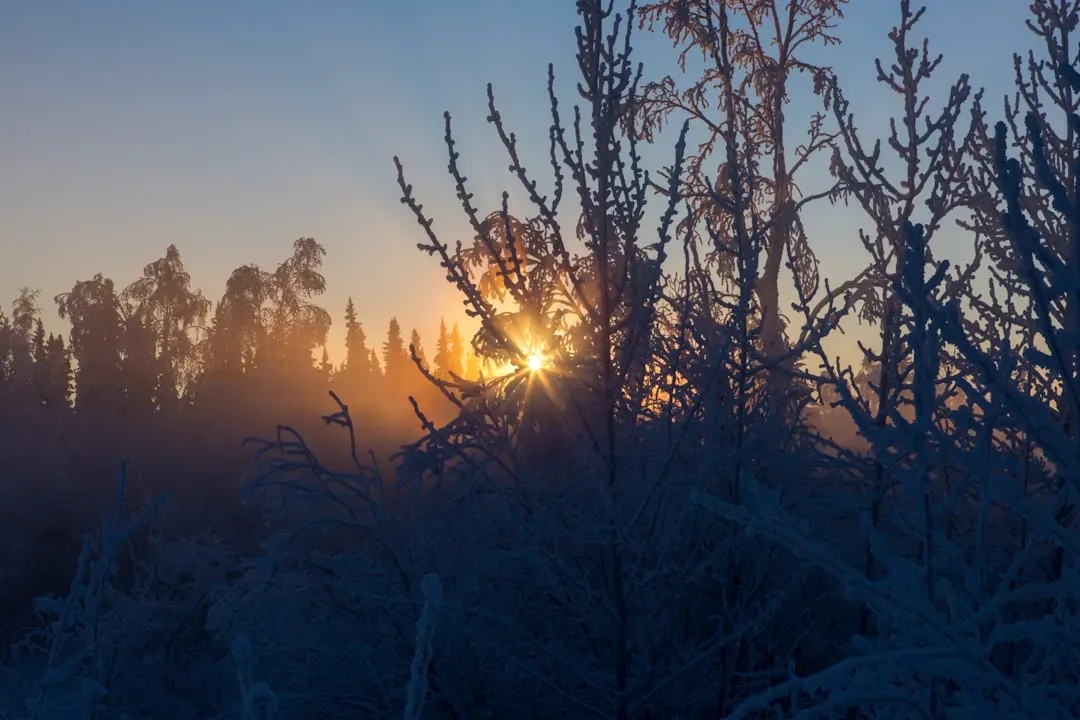
It sounds contradictory, doesn’t it? A warming planet producing more devastating cold snaps. But this is exactly what the science now shows. Climate change is generally expected to lead to warmer winters, while paradoxically, Arctic warming is also leading to more extreme cold events.
Less noted are short-lived pulses of extreme weather, another product of climate change, which can wreak long-term havoc on cold-climate-adapted wildlife and vegetation. These were once considered rare events, but a new study shows that unexpected warm spells and rainfall during Arctic winters are increasing. Despite the short length of these extreme weather events, the damaging effects can be severe and lasting.
Larger meanders connected with rapid Arctic warming and melting mean that weather conditions in North America and elsewhere around the Northern Hemisphere tend to linger longer, creating more prolonged heat waves, droughts, stormy periods, and cold spells. Think of the jet stream like a highway for weather. The more chaotic that highway gets, the stranger and more prolonged every weather event becomes. And right now, the highway is a mess.
What a Failing Power Infrastructure Looks Like Up Close
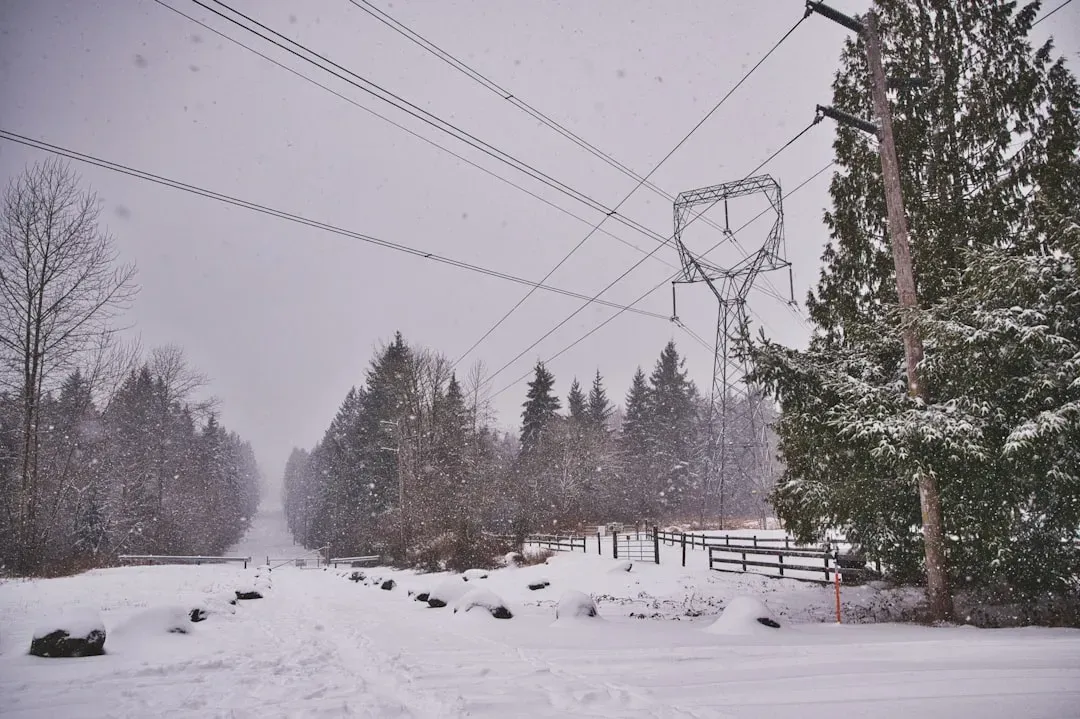
When Newfoundland and Labrador lost power during the January 2026 cold wave, it wasn’t just inconvenient. Newfoundland and Labrador Hydro shut down completely for the first time since 1967 due to the buildup of frazil ice blocking the intake on January 23. The cold snap resulted in thousands losing power in Quebec beginning in the morning of January 24. A total of more than thirteen thousand homes in Côte Saint-Luc lost power. An emergency shelter was opened in the city by the Canadian Red Cross.
Winter storms may bring power outages that can disrupt things like communications, utilities, transportation, stores, gas stations and ATMs, and prevent your ability to use electrically powered medical devices. For people relying on oxygen concentrators, dialysis machines, or insulin refrigeration, a power outage in brutal cold is not just uncomfortable. It’s a medical emergency.
The lesson my neighborhood absorbed the hard way was that backup plans need to exist before the crisis starts. Checking your heating equipment and scheduling any necessary tune-ups or service appointments before the season hits is essential to avoid more significant concerns. Creating a backup power plan in case the strain on the grid causes widespread blackouts in your region is a critical step toward self-sufficiency.
Sea Ice Decline and What It Has to Do With Your Heating Bill
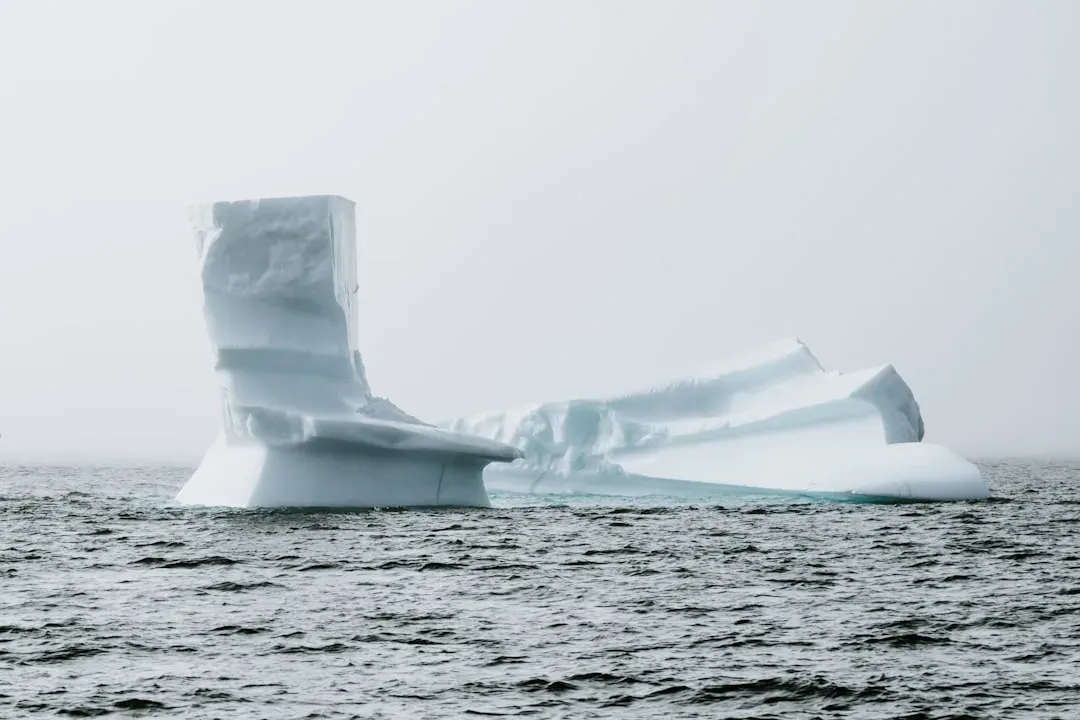
This connection catches most people off guard. The loss of Arctic sea ice is not just a problem for polar bears. It is actively reshaping weather patterns in the places where most of us live. Dramatically low sea ice in the Barents and Kara seas in the Arctic helps set up a pattern of waves that end up causing cold bursts in the U.S. A warmer Arctic is causing sea ice in that region to shrink faster than other places, studies have found.
In September 2024, the extent of sea ice was the sixth-lowest in the 45-year satellite record. All 18 of the lowest September minimum ice extents have occurred in the last 18 years. That is not a trend that is reversing itself anytime soon. Every lost layer of sea ice is another notch of instability injected into the polar vortex system.
Rapidly rising Arctic temperatures are driven by a range of processes, including the surface albedo feedback, in which melting sea ice uncovers the darker water beneath. This reflects less of the sun’s rays back into space, allowing further warming and melting. Arctic amplification is strongest in the late autumn and early winter, when the ice-free ocean releases heat into the atmosphere. It’s a feedback loop. Warming causes melting, melting causes more warming, more warming destabilizes the vortex, and destabilization sends frigid air into neighborhoods like yours and mine.
What Communities That Survived Better Actually Did Differently
Some communities fared remarkably better through these events, and the differences weren’t really about geography. They were about preparation and social infrastructure. In response to the cold, Regina, Saskatchewan opened three warming centers to shelter the homeless or vulnerable. Simple but coordinated. That kind of action saves lives.
For some communities, anticipating and expecting dangerous winter weather is standard practice. For others, this kind of weather is uncommon and communities may not be as prepared. That preparedness gap is growing wider as extreme cold events push into latitudes that historically didn’t need to think much about them. Communities that spent years planning for snowstorms were still blindsided. Communities with no plan at all were devastated.
The most prepared neighborhoods shared a pattern: they had talked to each other before the storm. They knew who lived alone on their street. They had a contact system. They had stored water. More than half of First Nations people living off reserve, Métis, and Inuit reported that they had an emergency exit plan for their home, which is a reminder that communities with historical experience of harsh conditions tend to plan in ways that more comfortable communities simply don’t.
Conclusion: The Cold Does Not Forgive Late Learners
The four lessons my neighborhood learned, too late, can be stated plainly. Cold kills faster than you expect. Power grids fail exactly when you need them most. Vulnerable neighbors suffer in ways that aren’t visible from a warm living room. Most of us are less prepared than we believe we are.
The title of this article says I survived. Survived is the right word. Not comfortable, not unscathed, not unbothered. Survived. And that word should carry weight. Because the data now firmly establishes that these events are not flukes. The Arctic continues to warm faster than the globe overall, and in 2024, for the eleventh year in a row, Arctic temperature anomalies were higher than the global average. With 2024 on track to be the world’s hottest year on record, on the heels of a 2023 record, heightened Arctic warming is even more alarming.
The cold will come again. Probably harder next time. The only real question worth asking yourself tonight is: what would you actually do if the heat went out and didn’t come back for four days? What do you think would change in your neighborhood if everyone honestly answered that question?