
There’s something deeply romantic about the idea of crossing America by rail. No airport lines, no middle seats, no tiny bags of pretzels that disappear in two bites. Just the open country rolling past your window, a dining car, and the low, satisfying rumble of steel wheels on track. I’d been dreaming about it for years. So I finally booked a cross-country Amtrak trip, bags packed, expectations reasonably managed, and I genuinely believed I was ready for whatever came at me.
I was not ready. Here’s the honest, fully documented breakdown of what actually happened out there on the rails, the good, the frustrating, and the one thing that made me glad I didn’t just fly. Let’s get into it.
The First Thing That Went Wrong: The Train Was Late Before It Even Really Started
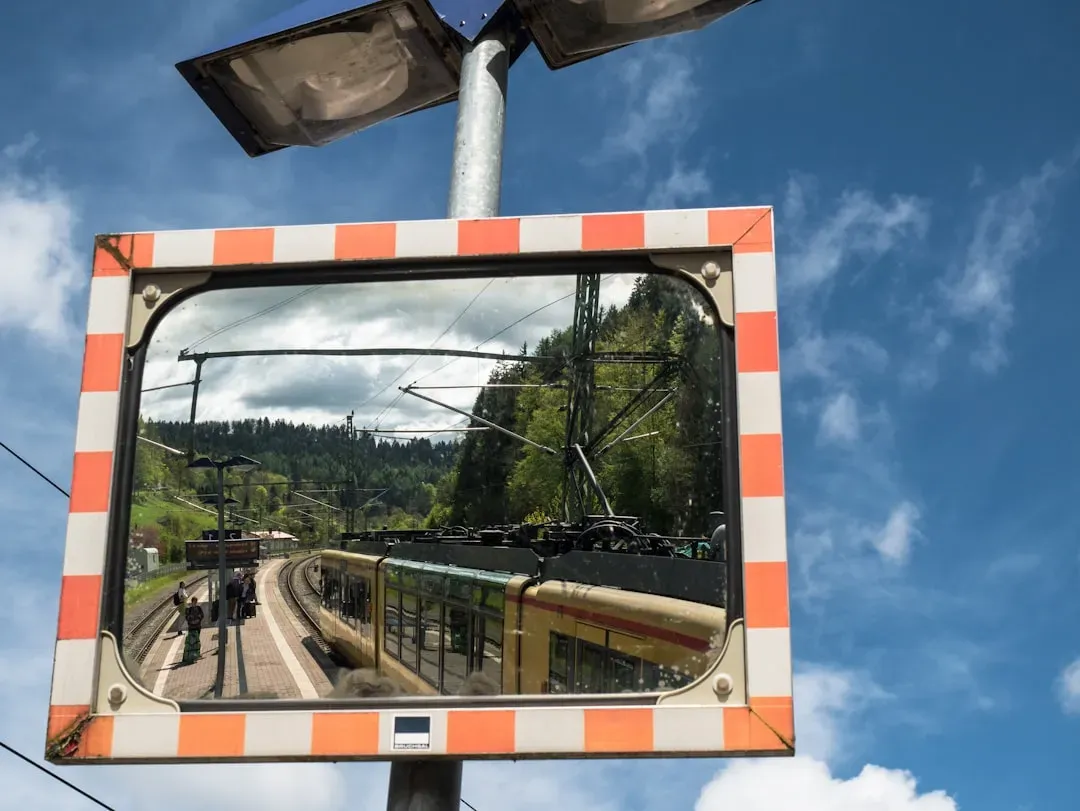
Here’s the thing nobody puts in the travel brochure: on cross-country Amtrak long-distance routes, “on time” is more of a suggestion than a promise. The on-time performance of all long-distance routes in 2024 did not meet the Federal Railroad Administration’s 80% on-time standard. That means every single one of the long-haul routes failed the benchmark. Every. Single. One.
The Southwest Chief, running between Chicago and Los Angeles, recorded the lowest on-time performance of all Amtrak long-distance trains in 2024, arriving on schedule only about a third of the time. I was on a comparable route and, sure enough, we left the station late. Not by minutes. By hours.
All too often there are delays on long-distance routes, with some setting trains back 10 or more hours off schedule. Standing on a platform watching the departure board is a uniquely Amtrak experience. Think of it like watching your sourdough starter. You know something will eventually happen. You’re just not sure when.
The Second Bump in the Road: Freight Trains Kept Cutting in Line
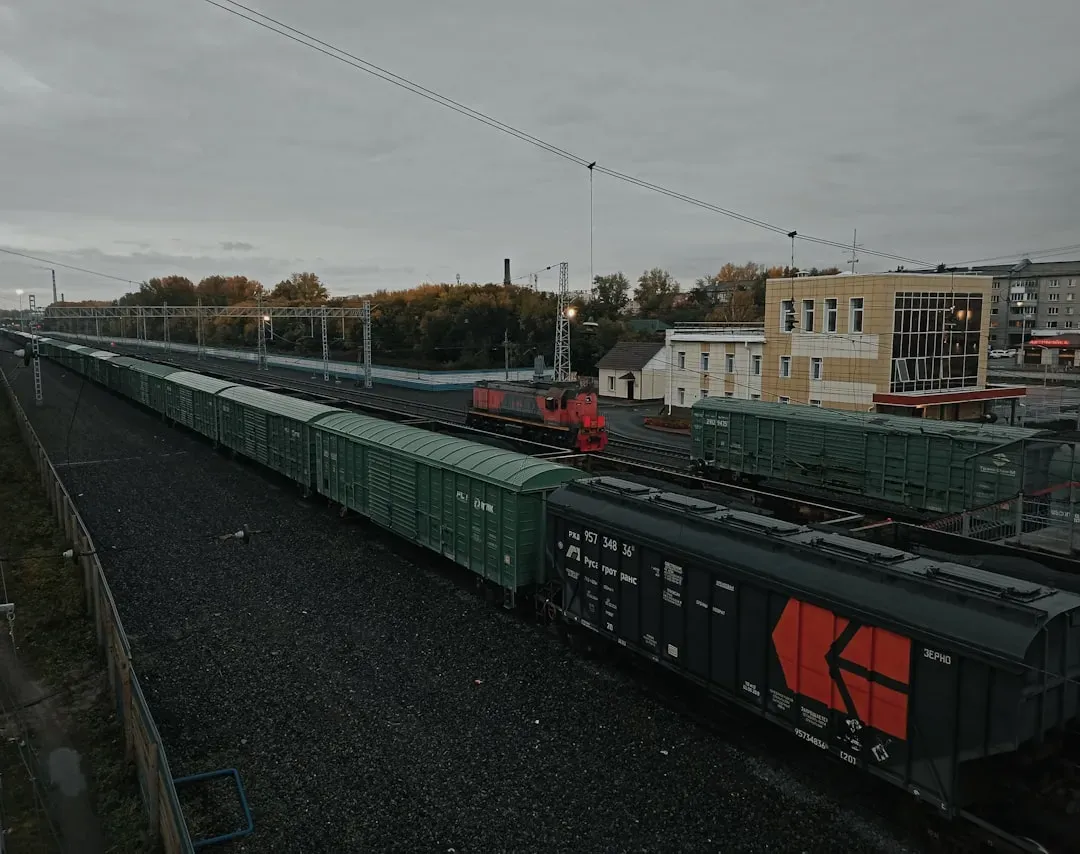
So why is Amtrak always late? Honestly, it’s maddening once you understand it. Freight train interference, which is a dispatching decision made by a freight railroad to delay Amtrak passengers so that freight trains can operate first, caused 850,000 minutes of delay in 2024. That’s not a typo. Nearly a million minutes.
Those 850,000 minutes of delay are equivalent to over one and a half years of passengers simply waiting for freight to go first. For over 50 years, freight railroads have been required by law to give Amtrak preference to run passenger trains ahead of freight trains. However, many freight railroads ignore the law because it is extremely difficult for Amtrak to enforce it.
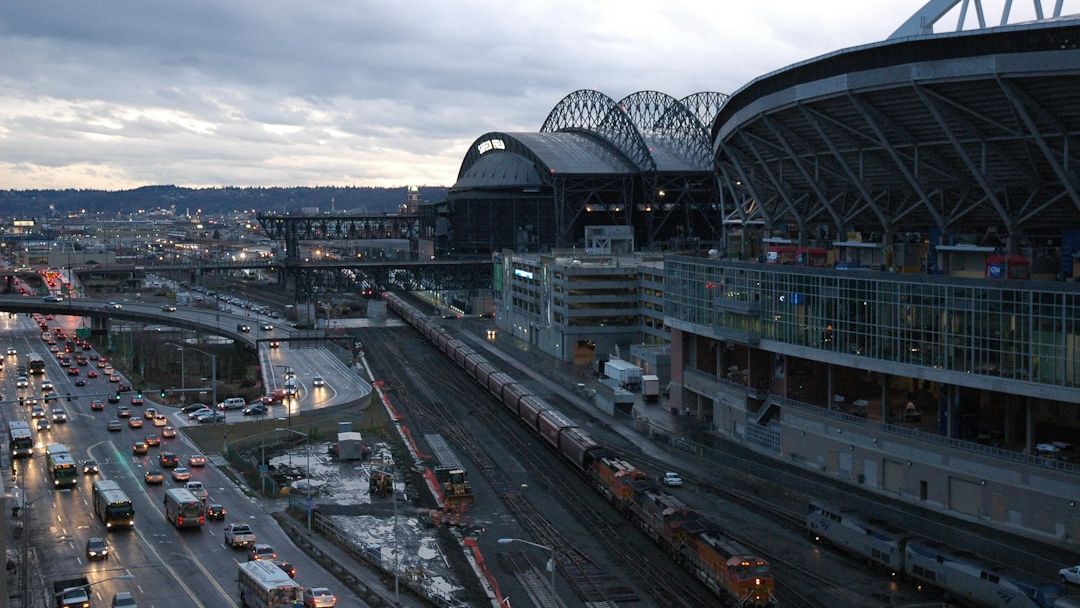
Imagine if air traffic control was run by FedEx and UPS. That’s basically the situation. In July 2024, the U.S. Department of Justice even filed a lawsuit against Norfolk Southern for delaying Amtrak trains on the Crescent Route. The frustration is entirely real and it is entirely systemic. Sitting on a siding somewhere in the middle of Nebraska, watching a mile-long grain train grind past, you feel it in your bones.
The Third Hiccup: Equipment Problems Nobody Warned Me About
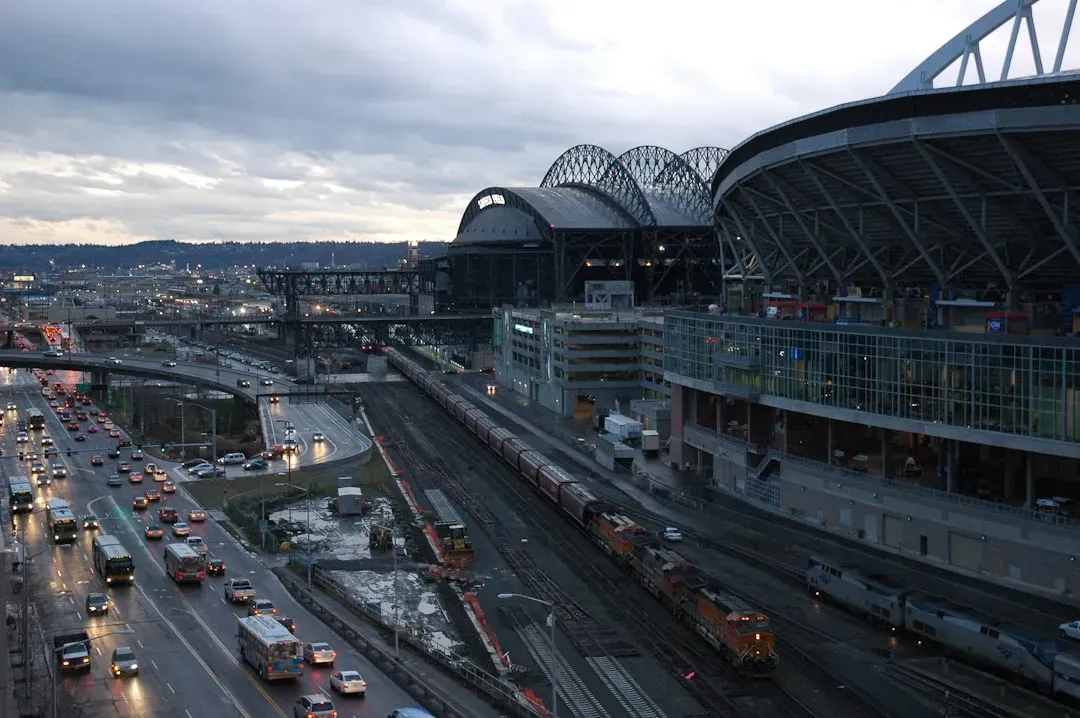
Amtrak’s long-distance network has been suffering mechanical, personnel, and performance setbacks on an almost daily basis, including locomotives malfunctioning en route, reduced speeds due to weather or freight congestion, departures delayed due to no rested crews, and coaches with inoperable climate control or toilets. So it wasn’t just me being unlucky. This is a documented, recurring pattern.
If the summer of 2025 proved anything, it’s that Amtrak’s newer ALC-42 locomotives and older P-42DCs are both vulnerable to breakdowns any time of year, not just in winter. On my trip, the ventilation in one sleeping car section stopped working properly. It got uncomfortably warm. One passenger was wearing what I can only describe as a “hiking expedition” outfit while everyone around him wilted.
Passenger reviews from 2025 and 2026 reinforce this. One traveler noted that a sleeper car attendant’s professionalism helped them forgive Amtrak for the absence of an observation car and broken ventilation in the dining car kitchen. The pattern of equipment failures turns up in trip after trip, review after review. It’s hard to say for sure whether it’s getting worse, but it certainly isn’t going away quickly.
The Final Nail in the Coffin: The Dining Car Experience Was… Complicated
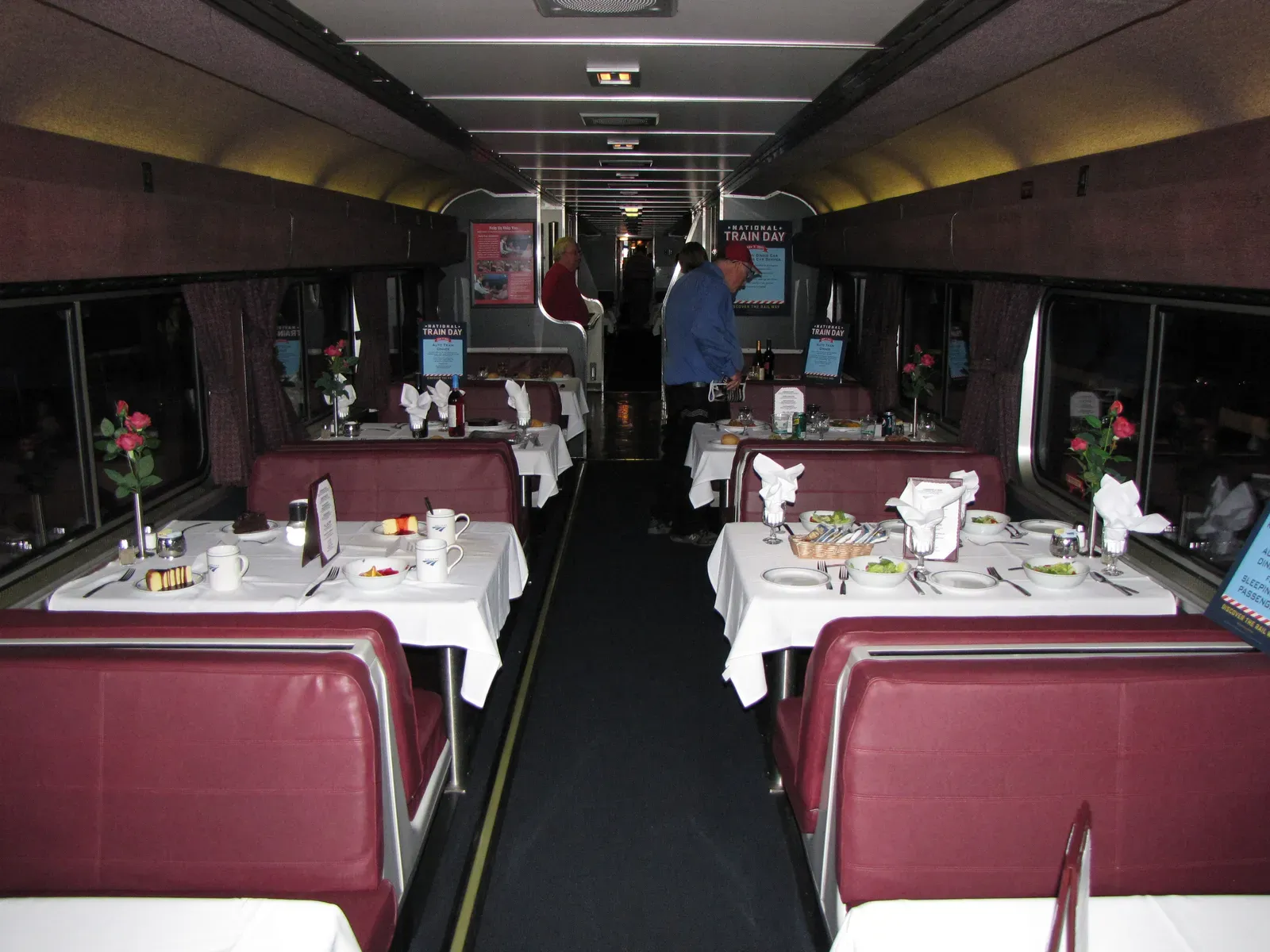
Let me be fair here. Dining on Amtrak is genuinely one of its most unique selling points. Traditional dining service is provided in the dining car on the California Zephyr, Coast Starlight, Empire Builder, Southwest Chief, Sunset Limited, and Texas Eagle. That’s real hot food, prepared on board, with tablecloths and actual plates. For a train ride, that’s remarkable.
The reality, though, can be uneven. Popular menu items may sell out during longer trips, particularly toward the end of the route. On my journey, the steak was gone by the second evening. The salmon followed. By the final dinner service, the menu had thinned considerably. It felt like a hotel buffet at 2 p.m. on a Sunday.
Then there’s the communal seating situation. Dining car seating is communal, meaning you are seated with other travelers to complete a four-person table. The only exception is if you arrive with three or four people in your own party, in which case you are generally seated together. For social travelers, this is charming. For those of us who sometimes just want to eat a cold breakfast in peace without performing, it can be an obstacle course of small talk.
The Long-Distance Numbers: A System Under Real Pressure

It helps to zoom out for a moment and understand the broader picture. Amtrak’s overall customer on-time performance came in at 72% in the first quarter of 2025, down from 77% in the same quarter a year prior, and none of the company’s three business segments met the FRA’s minimum 80% standard for arrival within 15 minutes of scheduled time. That’s the whole system underperforming, not just the one train you happened to be on.
State-supported routes performed best at 76% on-time, followed by the Northeast Corridor at 73%, while long-distance trains came in at just 58%. That last number is worth sitting with. Roughly only about half of long-distance passengers arrive on time. If airlines operated this way, there would be congressional hearings every other week.
In the first quarter of fiscal year 2025, Union Pacific and CSX had the most host-responsible delay minutes per 10,000 train miles among Class I railroads. These are the freight companies whose tracks Amtrak depends on most. The math, unfortunately, does not favor the passenger.
Weather and the Wild Card Factor
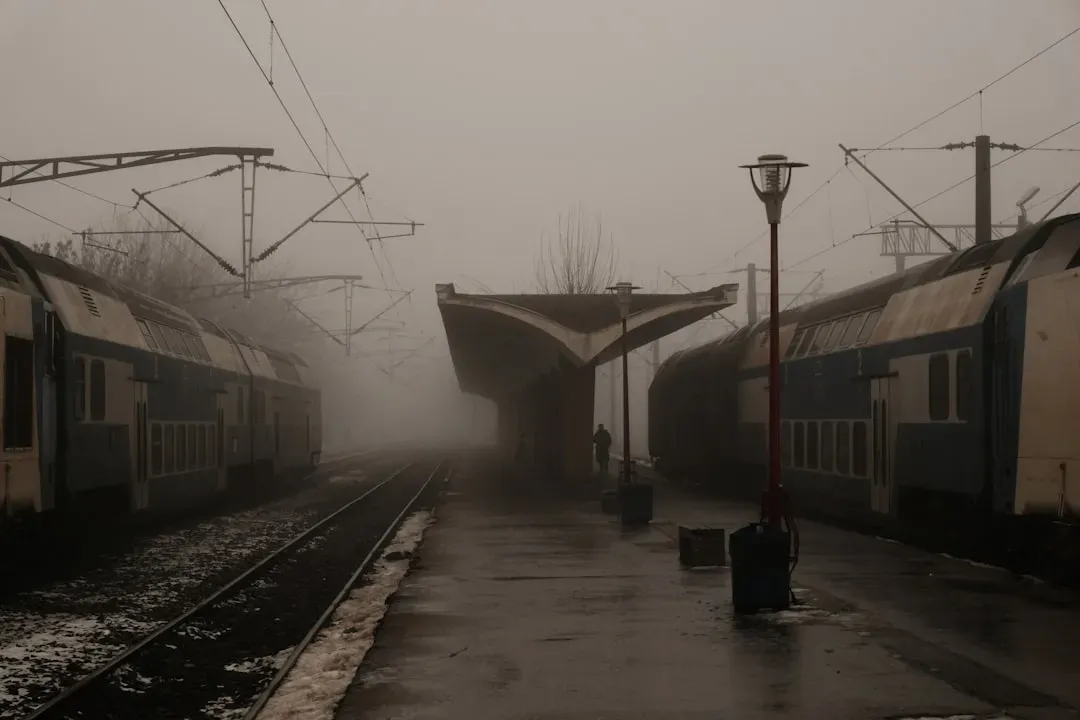
Even if freight delays were somehow solved overnight, trains would still be contending with weather. Severe weather such as snowstorms, flooding, and extreme heat can cause significant disruptions, and in August 2024, extreme heat strained rail infrastructure, resulting in delays on New York City’s busiest corridors. Heat warps rails. Cold freezes switches. Flooding wipes out tracks entirely.
In early August 2025, high winds, downed trees, and heavy flooding impacted rail lines in the Upper Midwest, and a CPKC derailment in Wisconsin forced the westbound Empire Builder to detour onto an alternate route, falling nine hours behind schedule in the process. Nine hours. That’s a full workday of delay caused by a single incident on a single stretch of track.
There’s really no clean way to manage this as a passenger. Mother Nature does not negotiate with timetables. You can bring snacks, a good book, and a patient disposition. Sometimes that’s all you’ve got.
The Scenic Beauty: The Argument That Almost Wins Everything
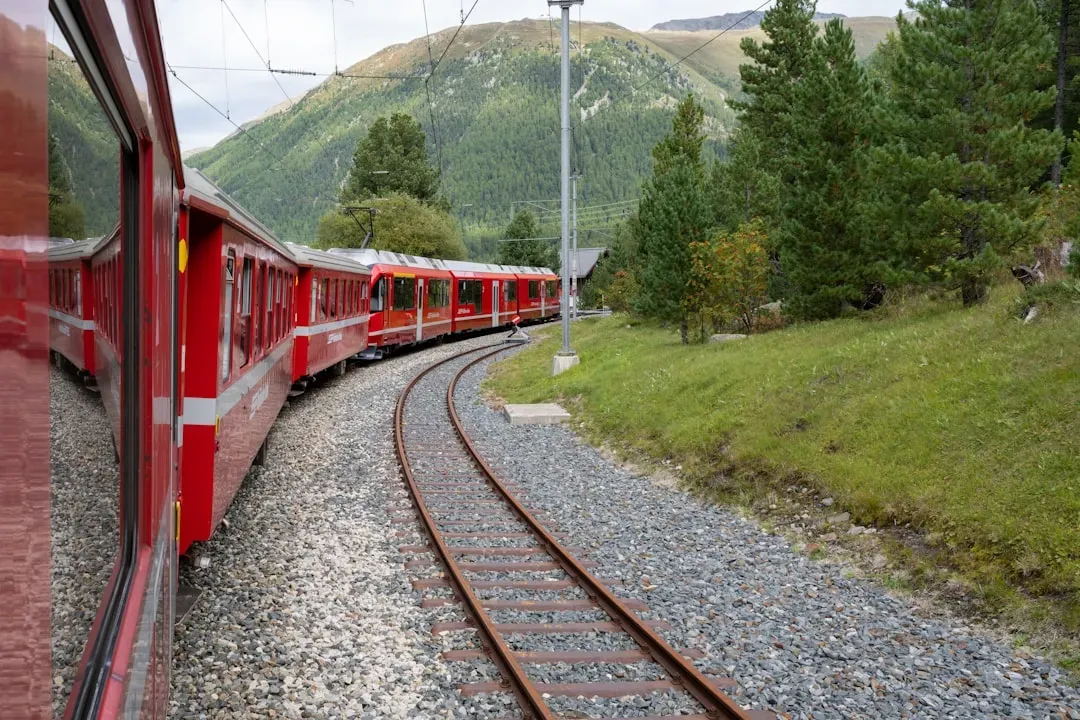
Here’s where the whole thing shifts dramatically. Despite every frustration listed above, the views out the window on a cross-country Amtrak route are genuinely extraordinary. The California Zephyr makes the cross-country trek from Chicago to Emeryville, California, covering nearly 2,500 miles in roughly 51 hours and crossing seven scenic states including Colorado, Utah, Nevada, and California.
At one point, the train reaches an elevation of 7,000 feet above sea level as it carves around the historic Donner Pass. I honestly was not prepared for how stunning that felt. You’re up in the mountains, surrounded by pines and snow and sheer canyon walls, moving slowly enough to actually absorb it. No airplane window ever gave me that.
Amtrak, despite all its flaws and outspoken critics, provides passengers with an up-close view of snow-capped mountains, bison herds on the high desert plains, and glacier lakes that glisten in the morning sun. You simply cannot replicate that from 35,000 feet. On this particular count, the train wins without argument.
The Sleeping Car: Tight Quarters, Real Tradeoffs
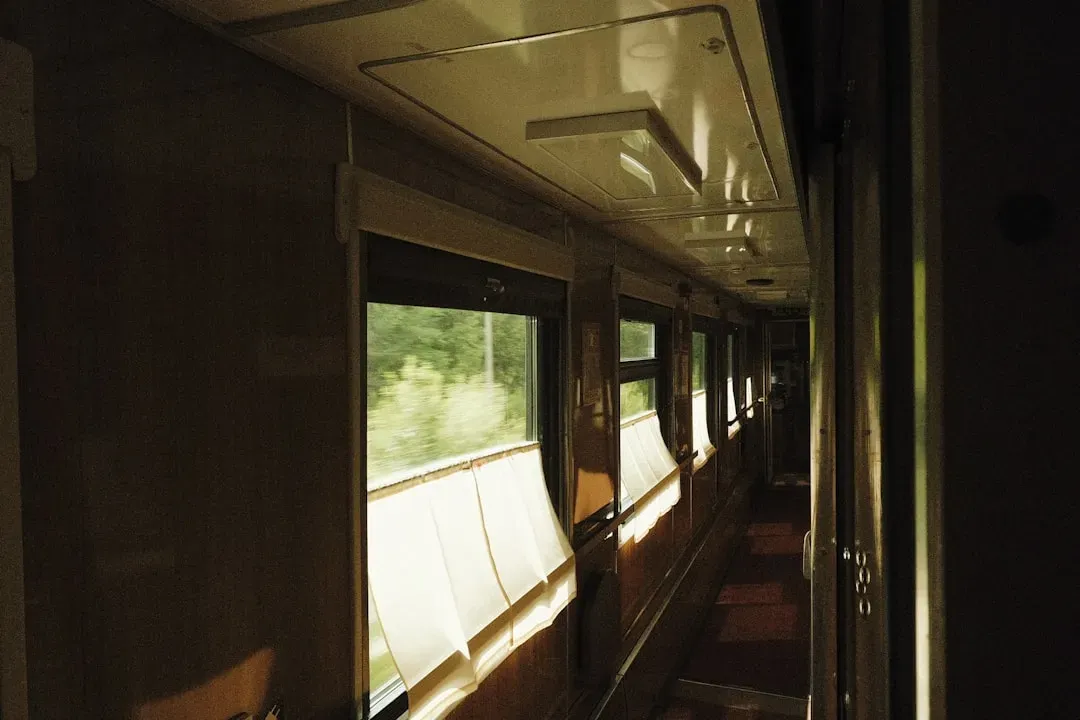
Let’s be real about the roomette. It is small. Very small. Think of it as a walk-in closet that was given ambitions beyond its means. A California Zephyr roomette in 2026 ranges from around $700 to $1,400 one-way with meals included, with the cheapest options available for mid-week fall and winter travel booked early, and the most expensive rates hitting during summer, holidays, and last-minute bookings.
The roomette can be crowded and hot, and it helps to know that upper-floor rooms tend to run cooler and offer better views. Importantly, there is only one outlet per roomette, so bringing a small power strip is a practical necessity. I did not bring a power strip. I regretted this approximately six hours into the trip when my phone died somewhere over the Colorado plains.
Amtrak is actively modernizing the interiors of over 400 bi-level Superliner cars with new seating cushions, upholstery, carpeting, LED lighting, and updated dining cars, investing $28 million in the refresh, with over 270 cars already in revenue service as of summer 2024. The refurbishment is noticeable in some areas. In others, the age of the fleet still shows very clearly.
Record Ridership Meets Real Limitations
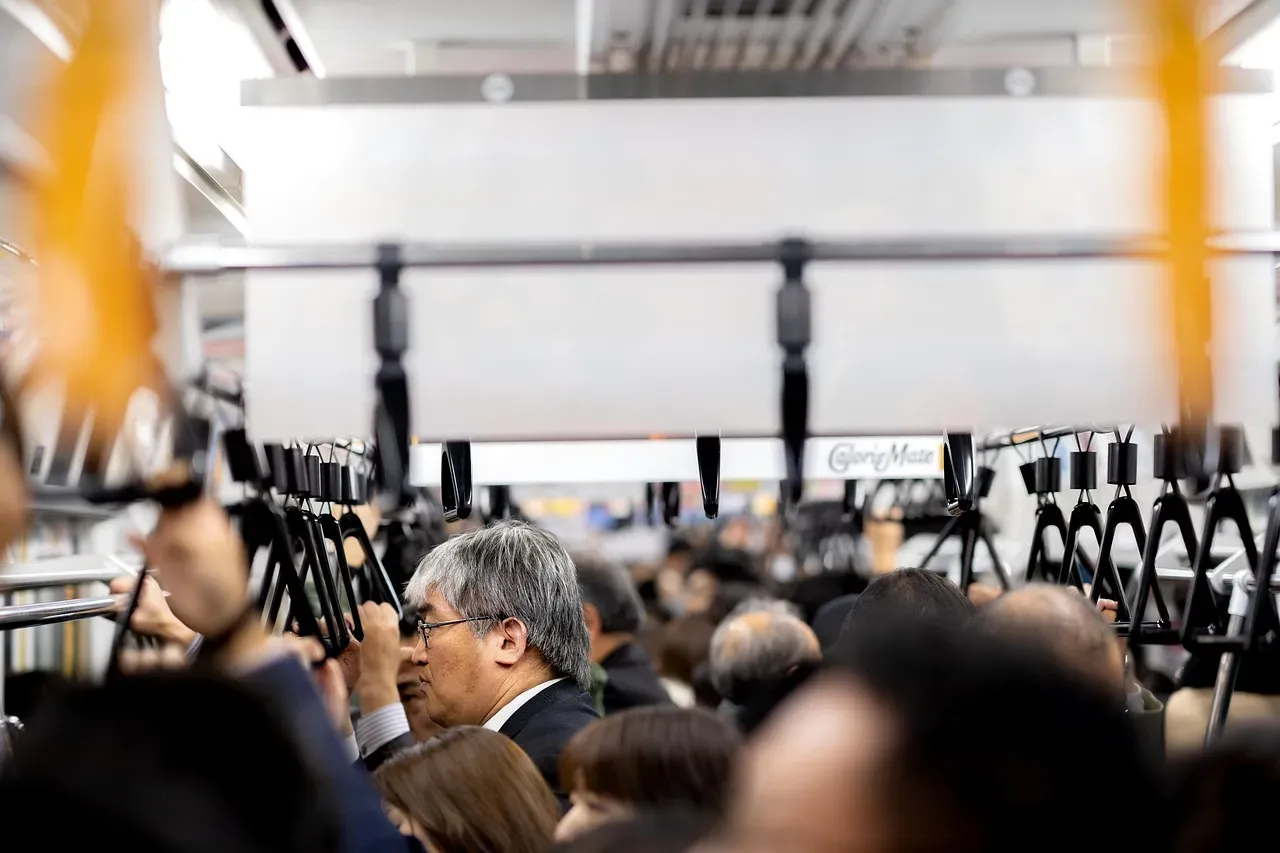
Here’s the fascinating tension running through all of this. Even as delays persist and equipment groans, Americans are riding Amtrak in record numbers. In fiscal year 2025, Amtrak recorded 34.5 million customer trips, a roughly five percent increase over FY24 and an all-time record, alongside adjusted ticket revenue of $2.7 billion, the first time that figure has been achieved in Amtrak’s history.
Amtrak closed fiscal year 2025 underscoring the growing demand for rail travel across the United States. The demand is there. The infrastructure, the enforcement of passenger rights over freight, and the fleet modernization are all still catching up. It’s like a restaurant that became suddenly famous but still has the same small kitchen from 1987.
The ridership growth tells you something important. People want this to work. They want trains. They are voting with their wallets even knowing the delays. That’s not resignation. That’s genuine appetite for a better version of American rail.
The One Thing That Saved It: The Sightseer Lounge and the Strangers Inside It
Everything else considered, there was one part of the trip that I would go back for tomorrow without hesitation. The Sightseer Lounge car. Floor-to-ceiling windows, seats angled toward the scenery, and a rotating cast of strangers who all, for some reason, turned out to be fascinating. The lounge features roomy tables and comfortable seating for taking in the view, playing cards or a board game, or just sharing time with friends, family, and new acquaintances.
I met a retired geologist who narrated the Colorado Rockies for two hours like a private documentary. A young couple on their honeymoon. A woman in her seventies making her fifth cross-country trip because, as she put it, “the airports have beaten me.” This kind of connection simply does not happen in airplane rows. Amtrak’s traditional dining and lounge experience is more than just a meal or a seat; it’s an opportunity to connect with fellow travelers in a way that’s genuinely rare in modern transportation.
The lounge car is, honestly, the soul of the long-distance train journey. If everything else breaks down around you and the train is four hours behind schedule somewhere in Nevada, you can walk back there, order something cold, watch the desert slide past in a purple evening light, and feel, without any irony, like you are exactly where you are supposed to be.
Final Thoughts: Would I Do It Again?
Yes, but with adjusted expectations and a power strip. The delays are real, documented, and systemic. Customer service and reliability issues are real for Amtrak in a way that doesn’t exist for alternative means of travel, and experienced passengers consistently recommend planning your Amtrak trip with alternate options available in case things go wrong. That’s honest advice, not pessimism.
The cross-country Amtrak trip is not a competitor to flying in terms of reliability or speed. It is something else entirely. It is slow on purpose. It is communal by design. It is beautiful in ways that nothing else moving across this country can match. Train travel celebrates the opposite of speed, offering a slower, more scenic, and far more sustainable way to move across the country. Those words aren’t marketing. They’re accurate.
Go in with open eyes, a real book, snacks for the gaps in the dining car menu, and zero hard commitments on the other end. The train will be late. The views will be worth it. The person sitting next to you in the lounge car just might be the best part of your whole trip. What would you have guessed would be the thing that saved it?