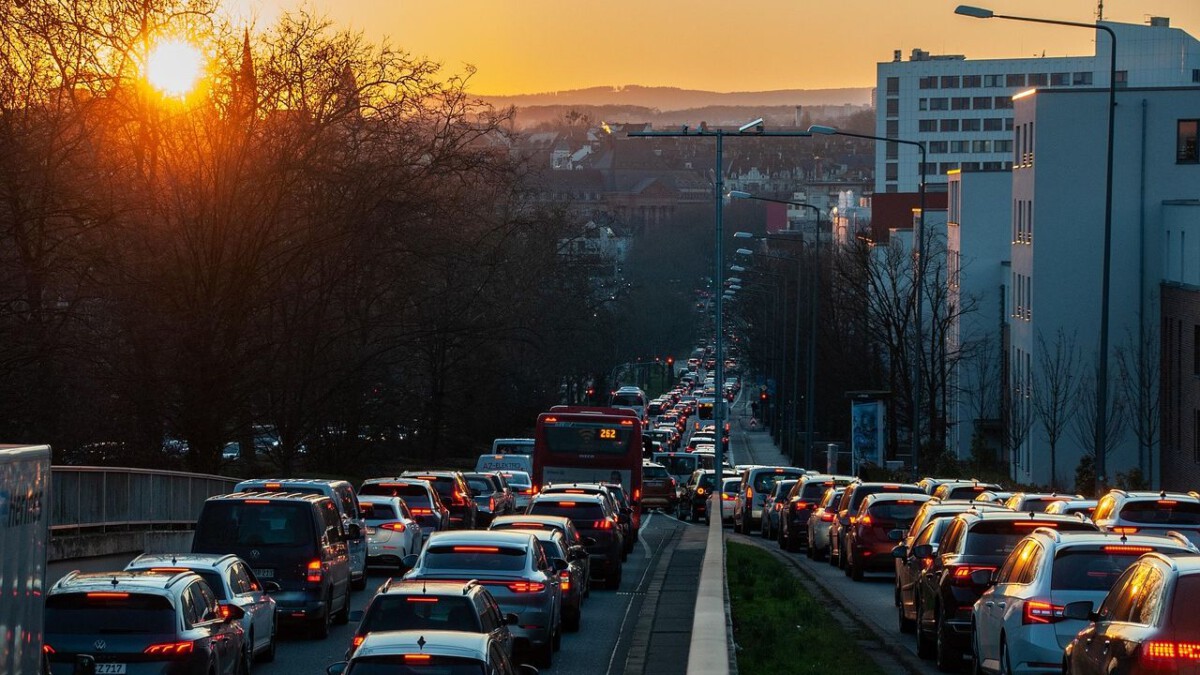

Anyone who has ever tried to navigate Los Angeles International Airport by car knows the particular kind of helpless frustration it delivers. You’re circling the horseshoe loop, bags in the trunk, flight clock ticking, and the whole world seems to be doing exactly the same thing at exactly the same time. It’s a special kind of chaos that LAX has become almost famous for.
Now, a massive new elevated train system promises to change all of that. Years in the making, billions of dollars over the original budget, and delayed more times than most people can count, the LAX Automated People Mover has been the city’s most anticipated transit project in a generation. The question on every frequent flyer’s mind is simple: does it actually work? Let’s dive in.
What Exactly Is the LAX Automated People Mover?
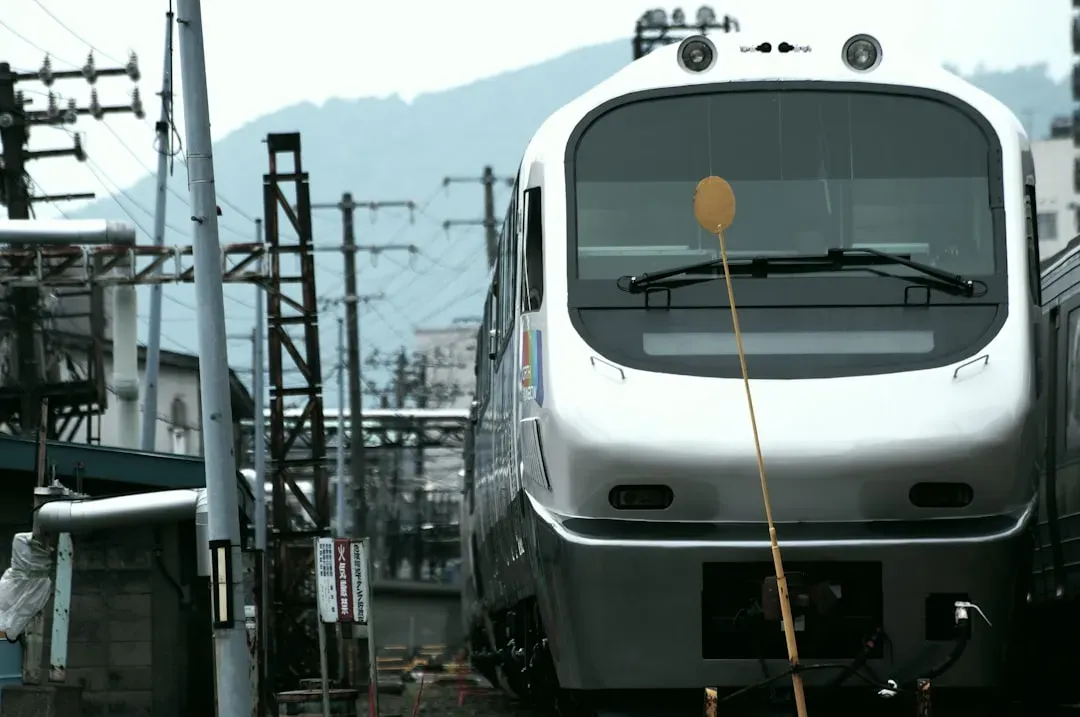
Let’s start with the basics, because this thing is genuinely impressive on paper. The 2.25-mile line includes six stations linking the LAX Consolidated Rent-A-Car Facility, the Metro Rail system, and the LAX West Intermodal Transportation Facility with the airport’s central terminal area. Think of it like a small city subway, but entirely elevated above the airport grounds and completely driverless.
The APM runs along a line of six stations with parallel tracks forming a pinched loop. It serves three stations in the central terminal area, each with footbridges with moving walkways to nearby terminals. The west station serves Terminals 3, 4, and B (the Tom Bradley International Terminal), the center station serves Terminals 1, 2, 5, and 6, and the east station serves Terminals 7 and 8. That covers the entire airport. No more shuttles. No more loops. Just a train.
The APM will operate 24/7 and will be free for ticketed passengers, airport employees, and those picking up and dropping off travelers. Free. Around the clock. Honestly, that alone makes it remarkable by American airport standards.
Why LAX Traffic Is Such a Nightmare in the First Place
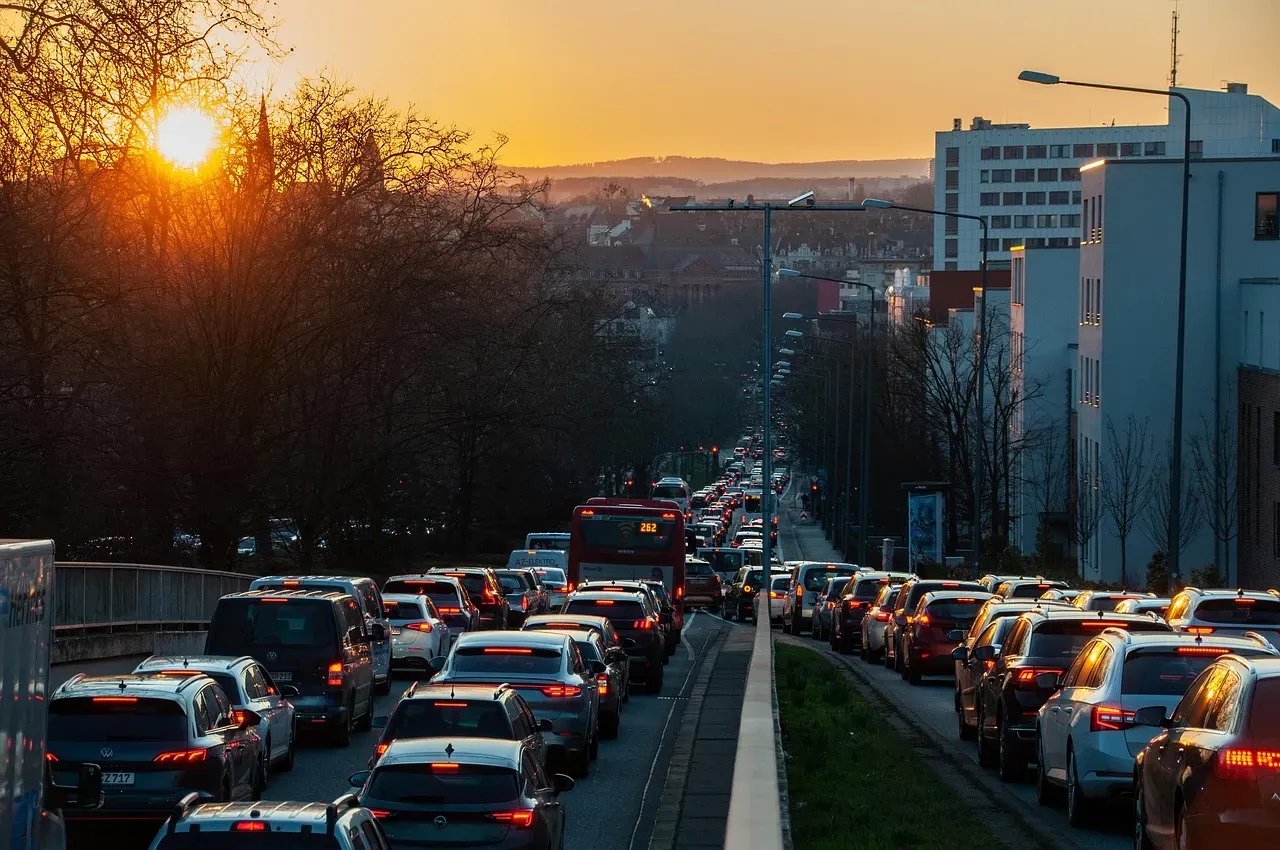
Here’s the thing: LAX’s traffic problem isn’t just annoying, it’s statistically brutal. In 2023, LAX handled over 75 million passengers, and in 2024 that number climbed to nearly 76.6 million, a further increase of roughly two percent. That is an enormous volume of people funneling in and out of a single horseshoe loop every single day.
LAX’s problems are not new. The airport has a long history of congestion, confusing terminal layouts, and ongoing construction projects. In fact, Fodor’s Travel once called LAX the “World’s Worst Airport,” pointing to its “catastrophic horseshoe motor-loop” and constant traffic jams. That reputation has stuck for years, and for good reason.
As the largest and busiest international airport on the West Coast, LAX is a major international gateway, and approximately 88% of travelers begin or end their trips in Los Angeles rather than using it as a connection hub. That means almost everyone arriving or departing needs to physically enter and exit the terminal loop by road. The result? Gridlock on a near-daily basis.
The Numbers Behind the $5.5 Billion Price Tag
I know it sounds crazy, but this project has grown into one of the most expensive airport transit investments in U.S. history. Los Angeles World Airports Commissioners approved an additional $400 million to settle legal claims, increasing the project’s total cost from $2.9 billion to $3.34 billion. That was just one of several cost increases.
In total, LAWA agreed to more than $880 million in change orders and dispute-related payments, including design-related changes, unforeseen conditions, and a global settlement covering all outstanding disputes. For context, that settlement amount alone could have built several smaller transit systems from scratch in other cities.
More than $1.04 billion in contracts have been paid to local, diverse, small, and veteran-owned businesses. The project’s construction has created nearly 10,000 jobs, with roughly a third of roles reserved for residents of communities near LAX and greater Los Angeles. So regardless of the cost overruns, the economic ripple effect has been significant for the region.
What the Train Actually Promises to Deliver
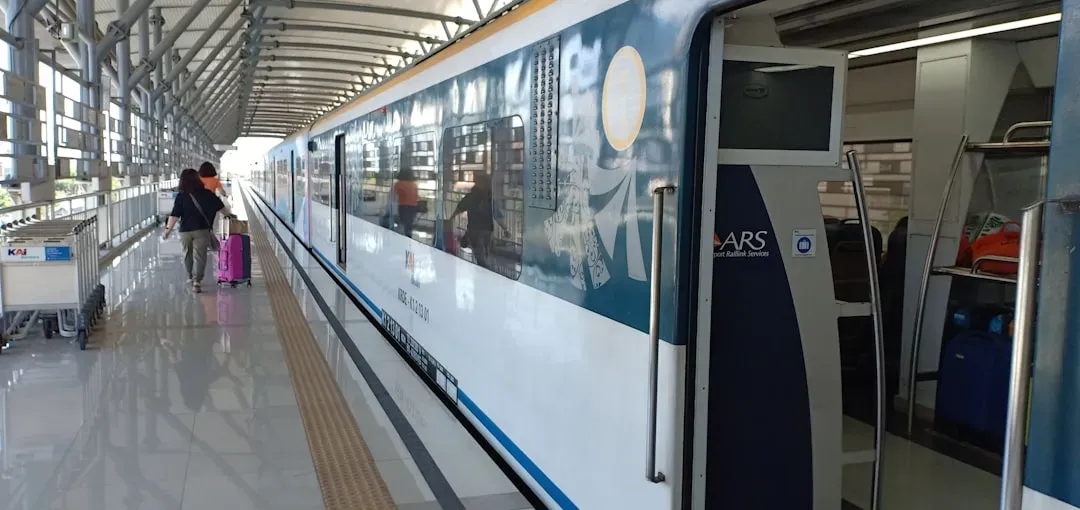
The projected benefits are hard to ignore. The APM is expected to carry 30 million passengers a year, resulting in an estimated 42 million fewer vehicle miles annually. That is roughly the equivalent of removing hundreds of thousands of car trips from the roads around the airport every single year.
According to LAX, the APM is expected to eliminate more than 3,200 shuttle trips a day, with an estimated 27 percent reduction in traffic during peak hours. Car traffic is also expected to improve at 30 intersections just outside the airport’s grounds. A nearly three-in-ten improvement in peak-hour traffic is genuinely transformative for a road network as strained as LAX’s.
During peak hours, trains will arrive every two minutes, and the line will have a 10-minute end-to-end travel time. Compare that to the 30 to 60 minutes drivers can spend just looping through terminals during peak times. The math speaks for itself.
The Train’s Design and Technology
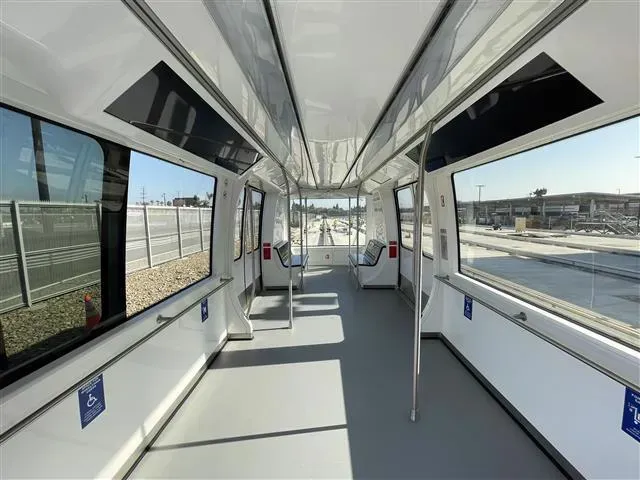
The engineering behind the system is genuinely worth appreciating. The APM fleet consists of 44 Innovia APM 300 vehicles manufactured by Alstom. Each vehicle can accommodate up to 50 passengers and their luggage, with 12 seated and the rest standing. These are purpose-built airport transit cars, not repurposed city rail vehicles.
During peak periods, nine four-car trains will operate simultaneously. Trains will operate with a top speed of 47 miles per hour and an average speed including stops of 13.5 miles per hour. Each four-car train can accommodate up to 200 passengers. Nine trains running at once, every two minutes. The capacity math adds up to a system that can genuinely move a city’s worth of people in a single day.
The system will connect to LAX via Metro C and K Lines, bus services, and the upcoming Automated People Mover. That Metro connection is perhaps the single most important detail here. For the first time ever, it will be possible to travel from downtown Los Angeles to an airport terminal entirely by public transit, without a single car involved.
The Delays: A Story That Tests Your Patience
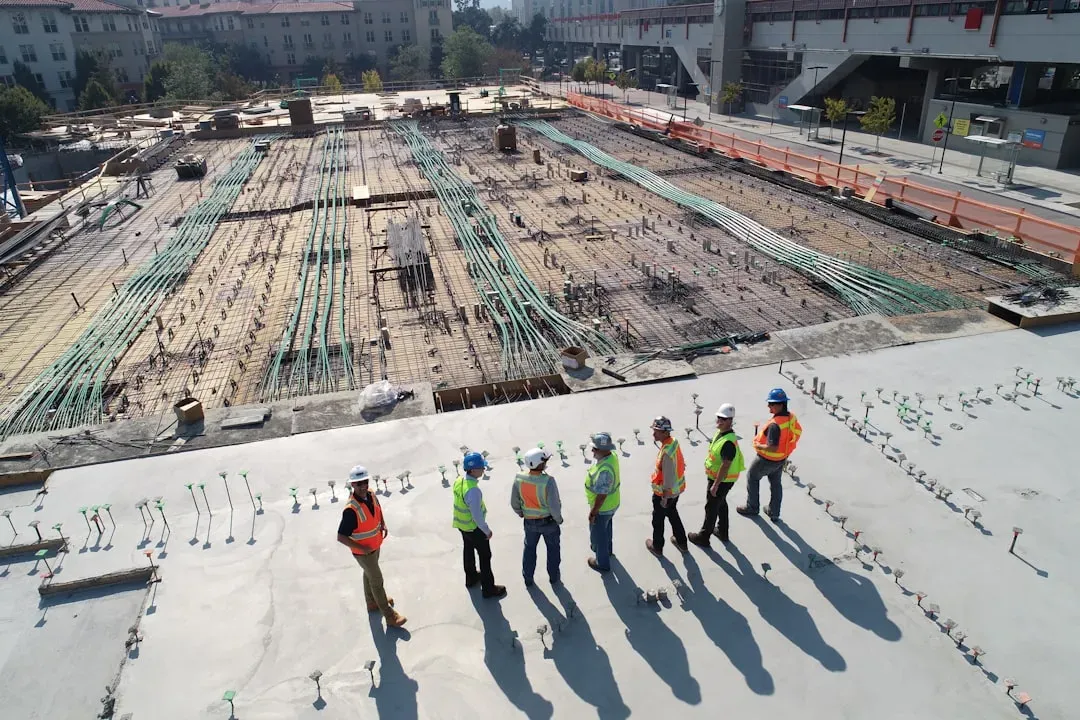
Let’s be real: the delay history of this project is genuinely extraordinary. Construction was originally scheduled for completion in 2023, but the project has experienced multiple delays. In August 2025, Fitch Ratings projected that construction would be completed in January 2026, with testing and commissioning continuing through June 2026. That is roughly three years past the original deadline.
Fitch Ratings cited a “strained relationship” between the airport and the contractor, LINXS, leading to disagreements over project timelines, access to IT information, and compensation milestones. It’s hard to say for sure how much of this was avoidable, but disagreements between public agencies and private contractors on massive infrastructure projects are frustratingly common across the United States.
After once eyeing a January 2026 opening that then got pushed to “early” 2026, the 2.25-mile elevated train was delayed yet again. According to the L.A. Times, the airport connection should hopefully be ready by the World Cup in June of 2026. The 2026 FIFA World Cup and the 2028 Olympics have become informal deadline anchors for the entire project. There is enormous reputational pressure on Los Angeles to get this done.
What Atlanta and Denver Can Teach LAX
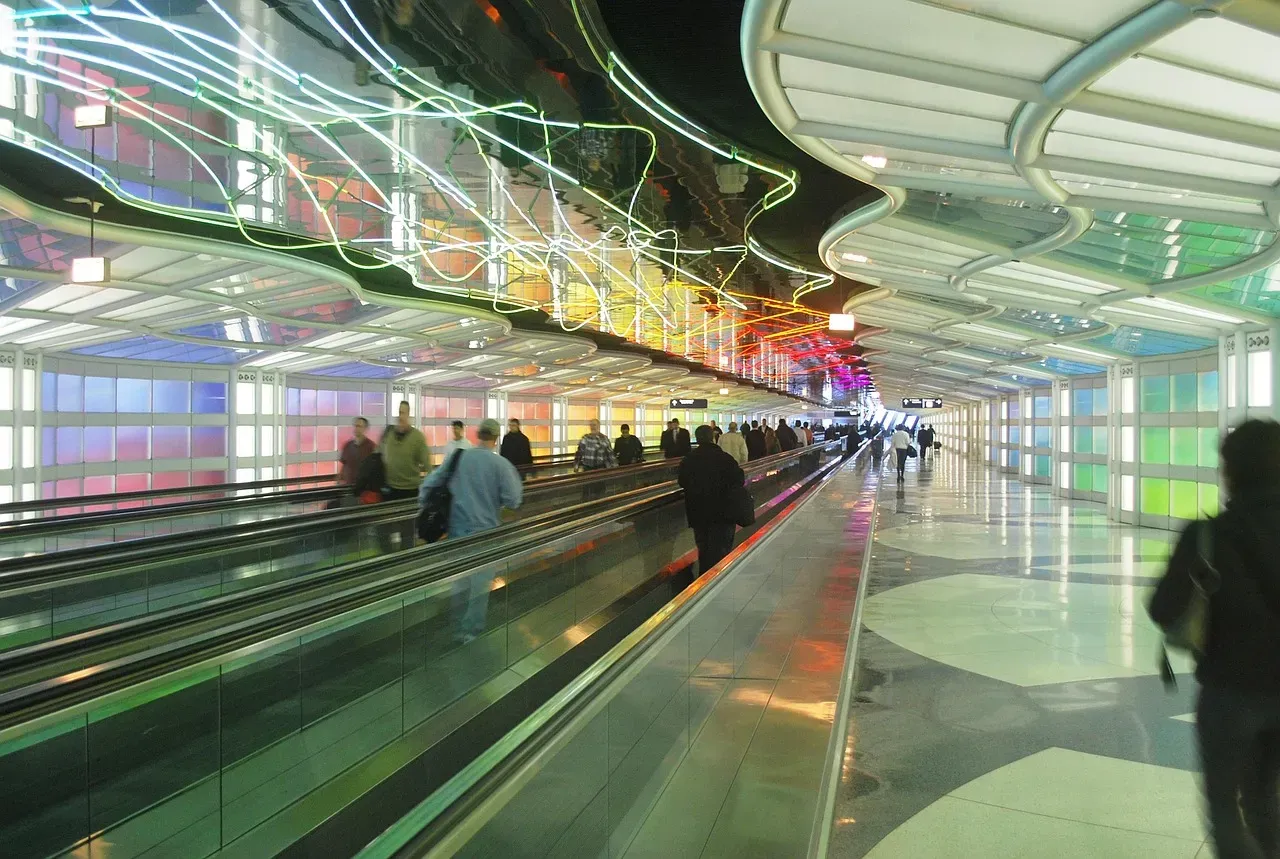
It helps to look at the airports that already have these systems running. Atlanta’s Hartsfield-Jackson has operated a people mover for decades, and the results speak plainly. The APM was essential in helping ATL reduce traffic congestion and free up space in the main terminal by moving all of its rental car operations to a single remote location. By reducing congestion on roadways around the airport’s main terminal, the ATL SkyTrain also cut down on pollution and improved the passenger experience.
At Atlanta Hartsfield-Jackson, the world’s busiest airport, more than 200,000 people per day rely on the Plane Train to connect concourses. Without it, flight connections would collapse under the strain. That is not hyperbole. The entire airport’s operational model depends on the train functioning. Denver tells a similar story.
The Denver International Airport people mover is the only way for departing passengers to access Concourses B and C. The system improves accessibility and reduces walking distances within the airport, and plays a vital role in decreasing congestion and improving airport flow. Both cities prove that when the trains work, they genuinely transform the travel experience. LAX is betting its entire modernization strategy on the same principle.
Will It Actually Solve the Problem?
The honest answer is: partly, and probably not immediately. The APM is one piece of a much larger puzzle. LAX is in the process of a $30 billion airport-wide overhaul. The people mover is a critical component, but road improvements, terminal expansions, and regional transit connections all need to come together for the full effect to materialize.
With projected completion in 2025 and phased operations into 2026, the project is still aimed at improving transportation ahead of world events taking place in the Los Angeles region, including the 2026 FIFA World Cup and the 2028 Olympic and Paralympic Games. Those events will be the system’s first real stress test. Tens of millions of additional visitors, cameras everywhere, and the whole world watching.
The ConRAC facility is projected to eliminate over 3,200 daily car-rental shuttle trips. The East and West intermodal facilities are projected to reduce parking and hotel shuttle trips and car trips into the central terminal area. The LAX Metro Transit Center is projected to displace car trips by increasing transit ridership. Combined, these changes represent the most ambitious attempt to untangle LAX’s car dependency that the airport has ever attempted. Whether it delivers on every promise remains to be seen, but the direction is undeniably right.
Conclusion: A Bold Bet on a Better LAX

The LAX Automated People Mover is not a silver bullet. No single train system can instantly undo decades of car-centric infrastructure design around one of the world’s most congested airports. The delays, cost overruns, and legal disputes have tested public patience in ways that are entirely fair to criticize.
Still, the scale of what is being built here is genuinely impressive. A fully electric, driverless train running every two minutes, connecting every terminal to parking, rental cars, and the regional Metro system, completely free of charge. Atlanta and Denver have proven these systems work. The foundations are all in place for LAX to finally join that club.
Los Angeles has long had a complicated relationship with public transit. If the APM delivers even a fraction of its projected traffic reduction, it could quietly become the most important transportation upgrade the city has seen in a generation. The city that invented car culture may be closer than anyone expected to leaving the car behind, at least at the airport. What do you think: will you ride the train next time you fly through LAX, or is the car too hard a habit to break? Share your thoughts in the comments.